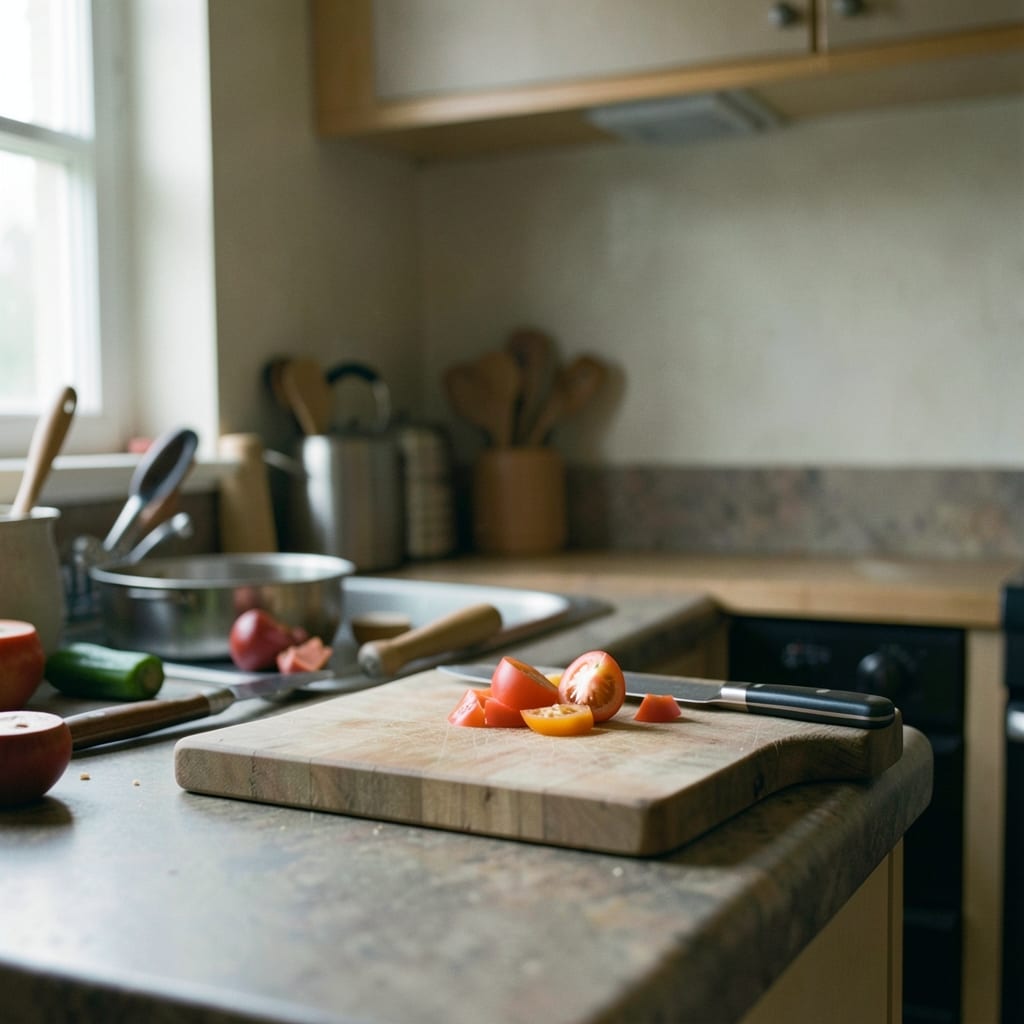
Why I started Cake Recipes Sweet
I was twelve and trying to bake my first chocolate cake from a library book. The recipe called for ‘a pinch of salt’—and I used a whole teaspoon. The result was a brick that could’ve been used as a doorstop.
My mom laughed so hard she cried, but that cake taught me something important: recipes aren’t just instructions. They’re stories, and the best ones are the ones that feel like they were written just for you.
Years later, I realized I’d been collecting those stories my whole life—the way my grandma’s lemon curd always tasted like sunshine, the way my friend’s mom’s cookies disappeared faster than we could bake them.
So I started *Cake Recipes Sweet* to share those moments, the ones that make cooking feel like magic. This isn’t just a recipe site.
It’s a place where every bite tells a story, and where you’ll find both the classics you already love and the twists that make them new again.
Meet the founder
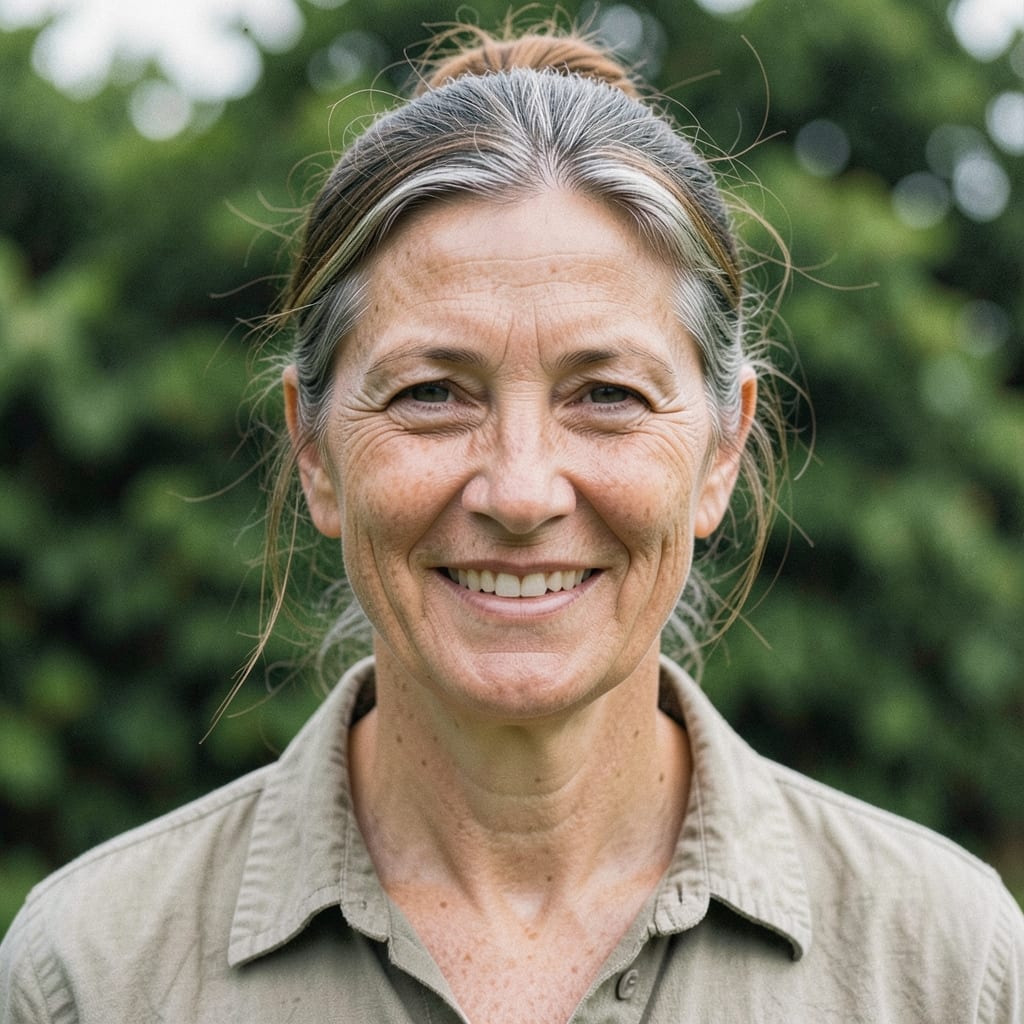
My mom was the one who taught me that baking isn’t just about measuring—it’s about feeling.
She’d let me ‘help’ when I was too small to reach the counter, and I’d sneak bites of dough while she laughed and told me to ‘wait for the magic.’ The first time I burned a batch of muffins, she didn’t scold me.
She just handed me a fresh bowl of batter and said, ‘Try again, but this time, watch the clock.’ That’s the lesson I still use: patience and a little bit of rebellion.
I still own the hand-me-down mixing bowl she gave me when I moved out—it’s chipped on one side from a dropped loaf of bread, and the handle is held together with duct tape. I keep it on my counter because it reminds me that the best recipes aren’t perfect.
They’re lived-in, a little messy, and full of love. And yes, I still lick the bowl after every batch, no matter how old I get.
The failure that changed everything was a failed soufflé. I followed the recipe exactly, but the oven was too hot, and the whole thing collapsed into a sad, flat pancake. Instead of throwing it away, I sliced it thin, dusted it with powdered sugar, and served it with berries.
It became one of my favorite desserts—proof that even mistakes can turn into something delicious. Now, I treat every flop as a chance to invent something new.
I have a habit I can’t shake: I always hum while I bake. My mom says it’s because I’m ‘talking to the food,’ and maybe she’s right. The rhythm keeps me steady, and somehow, the cakes always turn out better when I’m singing off-key to old jazz records.
Don’t ask me to stop—I won’t.
Meet the mascot

The mascot started as a quick doodle on a napkin while I was waiting for my coffee to brew one morning. I was sketching what I thought a ‘happy cake’ would look like—something cheerful but not too sweet, with a little personality.
The first scribble had too many layers, like a wedding cake, and the frosting looked more like melted ice cream. I crumpled it up and tried again, this time focusing on a single, goofy layer with a face that looked like it was about to laugh.
By the second try, I’d simplified it to a round cake with three little eyes and a smile that tilted just a little to the side, like it knew a secret. The frosting became a swirl of two colors—vanilla and chocolate—because those are the flavors that always make people happy.
I drew it on a scrap of paper and taped it to my fridge, where it stayed for weeks, watching me bake and ‘reacting’ every time I burned something.
When it came time to turn it into something digital, I had to strip it down even further. The eyes became tiny dots, the smile a single curved line, and the swirls turned into two bold strokes.
The name? *Doughboy*—because he’s the little guy who’s always there, even when things go wrong. He’s not fancy. He’s just the face of this place: reliable, a little messy, and always ready for the next adventure.
What I promise you
You’ll never find a recipe here that’s been doctored for ‘perfect’ results. I’ll tell you when something went wrong—and how I fixed it. Because real cooking is about learning, not pretending.
What you can hold me to
- Every recipe includes the exact tools you’ll need—and what you can swap in if you don’t have them.
- I’ll warn you upfront if a step requires patience (or a helper to hold the oven door open).
- The backstory isn’t just fluff: it’s the reason the recipe works—or why it might not, depending on your kitchen.
- If I’ve tweaked a classic, I’ll tell you what changed and why.
How I create a recipe
A recipe here always starts with a question: *What’s the story behind this dish?* Is it the one my grandma made every Christmas? A dish I ate in a café that haunted me for weeks? Or something I just had to invent because nothing else would do?
The recipe itself comes second—the technique, the measurements, the little tricks that make it work. But the heart? That’s the story.
Mixing the batter
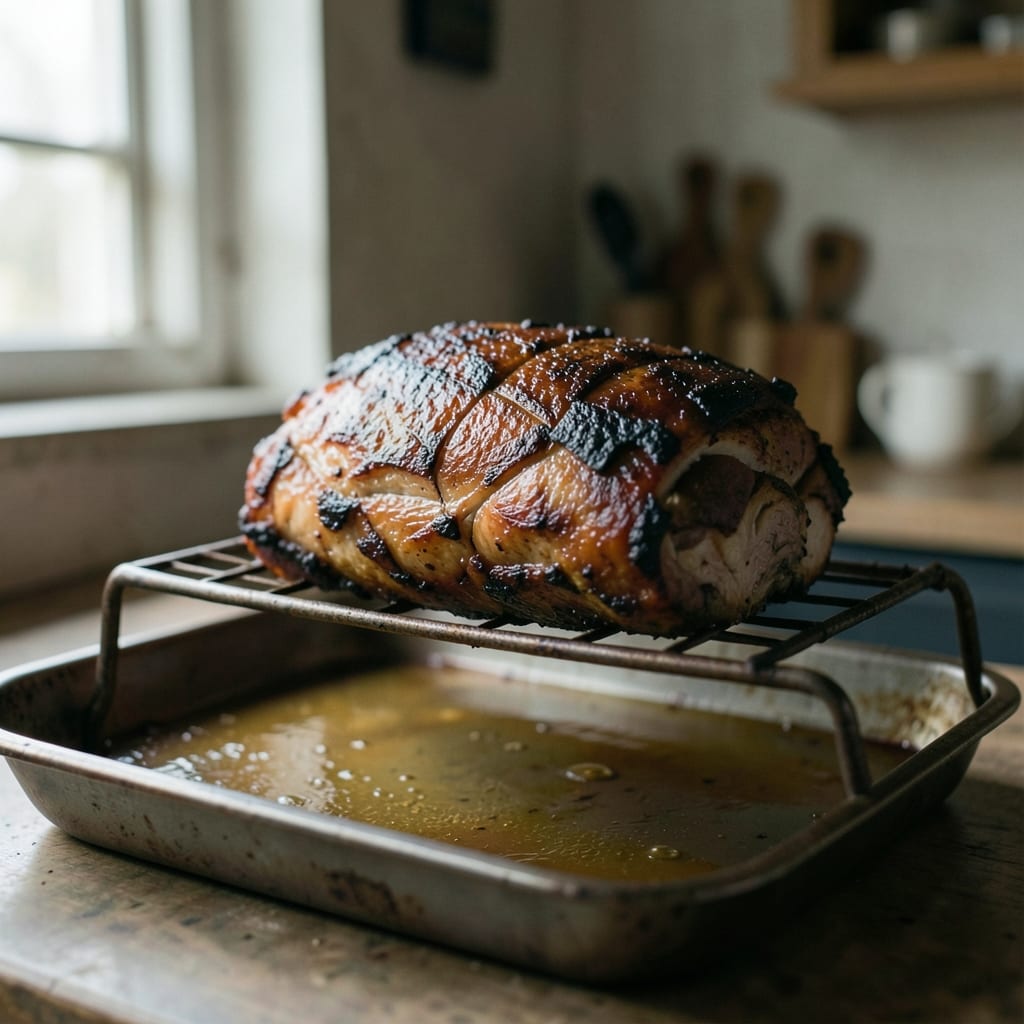
This is where the magic happens—or where it fails. I measure everything by weight (grams, not cups) because flour is a liar: a ‘cup’ can be 120g one day and 150g the next, depending on how you scoop it.
I cream the butter and sugar by hand for at least five minutes, until the mixture is pale and fluffy. If I rush it, the cake will taste dense. If I overmix the batter later, it’ll turn tough. The rule?
Stop when the flour just disappears—no more streaks, no more lumps.
I watch for three things: the color (if it’s too pale, I’ve undermixed; if it’s gray, I’ve overdone it), the texture (it should look like thick pancake batter, not dough), and the temperature (the bowl should be cool to the touch—if it’s warm, the butter’s melted too much).
And if the batter splits when I fold in the eggs? That’s a sign I’ve beaten them too long. Time to start over.
Fixing the flaws
If the cake sinks in the middle, I blame the oven—too hot, or opened too soon. The fix? Next time, I’ll lower the temp by 25°F and bake it 10 minutes longer, covered with foil.
If the edges are burnt but the center’s raw, I’ll switch to a dark metal pan (they conduct heat better) and rotate it halfway through. And if the frosting slides off like a sad puddle?
That’s a humidity problem—I’ll let the cake cool completely, then chill it for an hour before decorating.
Every ‘fix’ becomes a note in the recipe. Because the goal isn’t perfection—it’s understanding. A burnt edge might mean your oven runs hot, or that your pan isn’t the right size. A dense crumb? Maybe the butter was too soft, or the baking soda old.
I’ll tell you what went wrong, how I caught it, and how to spot it next time. Because the best cooks aren’t the ones who never fail—they’re the ones who learn from every mistake.
How a page gets onto this site
While the cake is still warm, I jot down everything: the exact oven temp, how long it took to mix, what I did when the edges started browning too fast.
Then I let it cool, taste it, and ask myself: *Does this taste like the story I wanted to tell?* If not, I rewrite it. The first draft of a recipe is usually a mess—too many steps, unclear instructions, or a backstory that doesn’t match the dish.
I cut the fluff, simplify the process, and make sure every word serves a purpose.
Some pages get rewritten months later. Maybe I realized a step was missing, or I found a better way to explain something. Maybe a reader pointed out a typo (thank you, always). The contact page is where those changes start. And if a recipe disappears?
That means I’ve learned something new—and I’ll tell you why in the notes. Because this site isn’t about static perfection. It’s about growing, just like the dough on my counter.
Write to me
I love hearing about the recipes that matter to you—the ones you’ve made a hundred times, the ones you’ve ruined, and the ones you’re still trying to perfect. Did a recipe here work for you? Did it fail spectacularly? Did you invent your own twist? Tell me about it.
I’m especially curious about the dishes that feel like home—whether it’s a family tradition or something you discovered on a trip. And if you have a question about a recipe, ask away. I’ll do my best to help.
You’ll find the contact page linked in the menu above. No question is too small, no story too short. Just know that every message makes this place a little more alive. Now, go bake something wonderful—and save me a slice.
The kitchen is the heart of the home. And every recipe is a love letter—written in flour, sugar, and a little bit of chaos.
Kendra Barrera
The recipes are grouped by category: Appetizers, Beverages, Breakfast & Brunch, Desserts, Main Courses and Reviews.