
Desserts
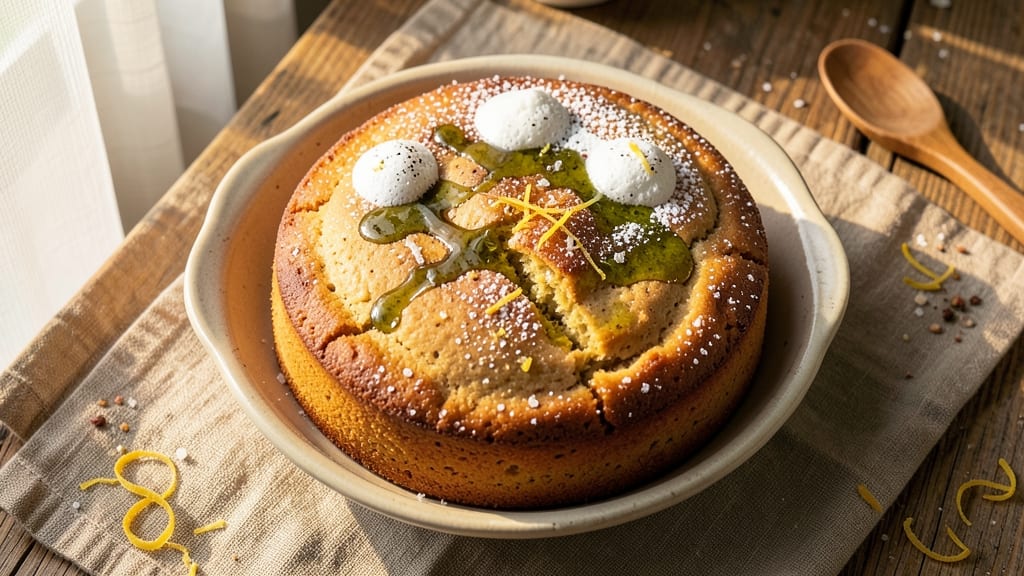
This almond flour olive oil cake delivers a moist crumb and bright citrus notes without dairy or refined sugar. The secret lies in aquafaba for lift and extra-virgin olive oil for richness, creating a tender yet sturdy texture that holds up beautifully.
I developed this recipe after years of experimenting with gluten-free baking, and it consistently earns rave reviews for its elegant simplicity.
The beauty of this cake is its versatility—it works equally well as a vegan dessert or a nutty alternative for those avoiding gluten. The olive oil keeps it tender, while the almond flour adds a delicate nuttiness that pairs perfectly with the zesty citrus.
Baking powder ensures a light rise, and a splash of vanilla rounds out the flavors. It’s the kind of cake that feels special without being fussy.
What you’ll end up with is a golden, domed cake with a fine, even crumb that’s neither dry nor crumbly. The citrus zest infuses subtle brightness, while the olive oil’s depth adds a sophisticated touch.
It’s perfect for brunch, afternoon tea, or as a showstopper dessert—especially when dusted with powdered sugar or drizzled with a light glaze.
This recipe scales effortlessly for gatherings, and leftovers keep well for days. The moist texture makes it ideal for layering with fruit compotes or whipped coconut cream. Let’s get baking—this cake is simpler than it looks, but the results are anything but basic.
Ingredients for almond flour olive oil cake
Almond flour and olive oil create a tender, citrus-kissed cake that's naturally vegan and gluten-free.
| Ingredient | Amount | Notes |
|---|---|---|
| Almond Flour 🌰 | 2 ½ cups | Finely ground, unsweetened |
| Extra-Virgin Olive Oil 🫒 | 1 cup | High quality, fruity |
| Aquafaba 🥫 | ½ cup | From canned chickpeas |
| Granulated Sugar 🍚 | 1 cup | Substitute coconut sugar |
| Vanilla Extract 🌿 | 1 tbsp | Pure, high-quality |
| Lemon Zest 🍋 | 1 tbsp | Freshly grated |
| Orange Zest 🍊 | 1 tbsp | Freshly grated |
| Baking Powder 🧪 | 2 tsp | Aluminum-free preferred |
| Salt 🧂 | ½ tsp | Fine sea salt |
| Lemon Juice 🍋 | 2 tbsp | Freshly squeezed |
| Orange Juice 🍊 | 2 tbsp | Freshly squeezed |
| Powdered Sugar 🍚 | 2 tbsp | For dusting, optional |
| Coconut Oil 🫒 | 1 tbsp | For greasing pan |
The almond flour is non-negotiable here—Bob's Red Mill or Anthony's Goods brands ensure fine, consistent grind. Trader Joe's carries a great pre-ground option if you're short on time. For the olive oil, California Olive Ranch or Colavita deliver that fruity depth without bitterness. Aquafaba (chickpea brine) is the secret—save it from canned chickpeas or buy it pre-extracted at specialty stores. The citrus zest needs to be fresh; organic lemons and oranges from the grocery store's produce section work best. Baking powder matters too—Bob's Red Mill aluminum-free version ensures a light rise without metallic aftertaste.
No almond flour? Cashew flour at 1:1 ratio works, though texture will be slightly denser. Swap granulated sugar for maple syrup or agave (3/4 cup liquid per 1 cup dry), but reduce other liquids by 2 tbsp. Fresh citrus zest unavailable? Zest from frozen citrus works too—just thaw it first. The aquafaba can be whipped for extra volume, but unwhipped works fine for a simpler approach. For a nut-free version, substitute oat flour (1:1) plus 1/4 cup extra olive oil. The coconut oil for greasing? Melted butter substitute if you prefer—just cool it before using.
This cake keeps beautifully—3 days at room temperature wrapped tightly, or 5 days refrigerated in an airtight container. For longer storage, slice and freeze portions for up to 3 months. The powdered sugar dusting is optional but adds that bakery-fresh touch. I like to serve it with whipped coconut cream or fresh berries—the citrus brightness cuts through the richness perfectly. Double the recipe for gatherings; it bakes in the same pan for two layers.
Why You'll Love This Recipe
- No Fuss Mixing: I swear by the three-ingredient magic here—just whisk almond flour, olive oil, and aquafaba until smooth. No eggs, no butter, no stress. The aquafaba (yes, chickpea brine) gives it that light, airy crumb without extra effort, and honestly? My blender does most of the work while I sip coffee.
- Rich, Nutty Depth: That olive oil isn’t just a binder—it’s the star. The fruity notes cut through the sweetness while the almond flour adds a toasty, almost marzipan-like richness. Drizzle it with a little extra olive oil after baking? Pure satisfaction. (Between us, it’s the kind of cake that makes me forget it’s "healthy.")
- Weekend or Weeknight: Slice it warm for breakfast with a sprinkle of flaky salt, or let it cool for a dessert that feels fancy but takes zero planning. I’ve served it at brunch with berries, as a snack with tea, and even as a base for a quick trifle—it’s that adaptable. No occasion? No problem.
- Leftovers That Last: This cake actually improves overnight. The texture firms up just enough to make it perfect for lunch the next day, and it keeps for five days wrapped in the fridge. (Yes, even on a Tuesday.) Plus, almond flour is cheaper than flour in the long run—once you stock up, you’re golden. Win.
Step-by-step instructions for almond flour olive oil cake
This method delivers a tender, moist crumb with vibrant citrus notes every time.
Whisk Wet Ingredients for Perfect Texture
In a large mixing bowl, combine the 1 cup extra-virgin olive oil with the 1 cup granulated sugar and whisk vigorously for 2-3 minutes until the mixture becomes pale and slightly thickened. This step incorporates air, which creates the cake's signature light texture. I like to use a hand mixer here for efficiency, but a whisk works too—just take your time.
Next, add the 0.5 cup aquafaba, the 2 tbsp lemon juice, and the 2 tbsp orange juice. Whisk continuously for another 1-2 minutes until fully incorporated and the mixture holds soft peaks when you lift the whisk. The aquafaba acts as our egg substitute, providing structure and moisture without the density of traditional eggs. If the mixture looks too thick, add 1-2 teaspoons of water to reach the right consistency.
Combine Dry Ingredients and Fold Gently
In a separate medium bowl, sift together the 2.5 cups almond flour, 2 tsp baking powder, and 0.5 tsp salt. This ensures even distribution of the leavening agent throughout the batter. Gently fold these dry ingredients into the wet mixture using a spatula, mixing just until combined—overmixing develops gluten and can make the cake dense. You should still see some streaks of flour in the batter.
Add the 1 tbsp lemon zest, 1 tbsp orange zest, and 1 tbsp vanilla extract to the bowl. Fold these in gently to preserve the bright citrus flavors and aromatic vanilla. The zest will add that signature citrus brightness we're after, while the vanilla rounds out the flavors beautifully. Be careful not to overmix once these are added—their delicate flavors can become muted if worked too vigorously.
Prepare the Pan and Bake
Preheat your oven to 350°F and lightly grease an 8-inch round cake pan using the 1 tbsp coconut oil. I like to use a paper towel to rub the greased oil all over the pan and sides—this prevents sticking and makes for easy release later. Line the bottom of the pan with parchment paper for extra insurance against sticking.
Pour the batter into the prepared pan and smooth the top with a spatula. Tap the pan gently on the counter a few times to release any air bubbles that might have formed. Bake for 35-40 minutes or until a toothpick inserted into the center comes out clean. The cake should be golden brown on top and spring back slightly when pressed gently in the center. If the top browns too quickly, tent the pan loosely with aluminum foil to prevent over-browning while allowing steam to escape.
Cool and Finish with Powdered Sugar
Remove the cake from the oven and let it cool in the pan for 10 minutes. Then transfer it to a wire rack to cool completely. This gradual cooling process helps the cake set properly and prevents it from becoming gummy. While the cake cools, I like to prepare the powdered sugar glaze—simply whisk together the 2 tbsp powdered sugar with 1-2 teaspoons of lemon juice or orange juice to create a light, glossy finish.
Once the cake is completely cool, drizzle or dust the top with the powdered sugar mixture. This final step adds a touch of sweetness and visual appeal. Serve the cake at room temperature for the best texture and flavor. The result should be a moist, tender crumb with that perfect balance of citrus zest and subtle sweetness that makes this olive oil cake so special.
Pro Tips For Making Almond Flour Olive Oil Cake
- Whisk Aquafaba First: Beat the aquafaba until it forms stiff peaks—like meringue—before folding it into the batter. I learned this the hard way: skipping this step means a dense, gummy cake instead of a light, airy one. (Yes, even if you’re impatient like me, give it 3-4 minutes.)
- Sift Almond Flour Twice: Almond flour packs like crazy, and clumps ruin texture. Sift it directly into your mixing bowl before measuring, then sift again after adding wet ingredients. Sounds weird, but it works: your cake will rise evenly instead of sinking in the middle.
- Don’t Overmix Wet Ingredients: Combine olive oil, sugar, and vanilla first, then gently fold in aquafaba. Overmixing here adds gluten (thanks, aquafaba’s protein) and turns your cake tough. Stop when just combined—your future self will thank you.
- Test Doneness with a Toothpick: This cake’s dense, so a toothpick won’t come out clean like wheat flour cakes. Instead, press gently: it should spring back slowly (not stick to your finger) and read 190–200°F internally. Pull it 5–10 minutes early—it firms up as it cools.
Wine and beer pairings for these flavors
Citrus-Inspired Whites
This cake’s bright citrus notes pair beautifully with crisp, aromatic white wines. A dry Vermentino from Sardinia—think 2022 Cantina Mesu—complements the lemon and orange zest with its citrusy minerality and refreshing acidity. The wine’s almond undertones also echo the almond flour’s nuttiness, creating a harmonious balance.
For something lighter, a Sauvignon Blanc like Cloudy Bay from New Zealand brings zesty grapefruit and lime flavors that mirror the cake’s zest. 🍷
Sweet Sparkling Options
If you prefer bubbles, a demi-sec Moscato d’Asti like Saracco adds effervescence that cuts through the cake’s richness while enhancing its citrus brightness. The slight sweetness in the wine mirrors the cake’s subtle sugar notes without overpowering the almond and olive oil flavors.
For a non-alcoholic option, San Pellegrino Aranciata—a blood orange soda—provides a fizzy, citrusy lift that pairs perfectly with the cake’s zesty profile. 🥂
Malbec for Bold Contrast
For those who love red wine, a light-bodied Argentine Malbec like Catena Zapata offers a surprising yet delicious contrast. The wine’s dark fruit and velvety texture balance the cake’s citrus and nutty flavors, while its moderate tannins won’t overpower the delicate crumb.
Serve it slightly chilled to highlight its vibrant acidity and keep the pairing refreshing. 🍇
Beer Pairings
A Belgian Witbier like Hoegaarden with its coriander and citrus notes is a fantastic beer pairing. The cake’s lemon and orange zest amplify the beer’s bright, herbal flavors, while the almond flour adds a subtle nuttiness that complements the malt.
For a darker option, a German Hefeweizen like Weihenstephaner brings a malty sweetness that contrasts beautifully with the cake’s citrus zest. 🍺
Non-Alcoholic Refreshers
For a non-alcoholic match, a sparkling blood orange soda like San Pellegrino Aranciata or a homemade citrus-infused sparkling water with 1 tbsp fresh lemon juice, 1 tbsp orange juice, and a pinch of mint elevates the cake’s flavors.
The effervescence cleanses the palate, while the citrus enhances the dessert’s bright profile. Serve chilled for the best experience. 💧
Coffee Pairing
If you prefer coffee, a light roast Ethiopian Yirgacheffe with its floral and citrus notes creates a delightful contrast to the cake’s almond and olive oil richness. The coffee’s bright acidity mirrors the lemon and orange zest, while its floral undertones complement the vanilla.
Brew it as a light pour-over to preserve its delicate flavors. ☕
Nutrition facts
Frequently asked questions
Why does this almond flour cake need aquafaba?
Aquafaba (chickpea brine) acts as the egg substitute here, providing both structure and moisture without adding density. The proteins in aquafaba create stable foam when whisked, which helps the cake rise properly. It also mimics the fat content of eggs, keeping the crumb tender. For best results, use fresh aquafaba from canned chickpeas—never salted water.
Can I make this cake without citrus zest?
Yes, but the flavor will be less vibrant! The zest adds that signature brightness that balances the richness of olive oil and almond flour. If you're avoiding citrus, try 1 tsp cinnamon or ½ tsp cardamom instead for warmth. For a chocolate twist, add 2 tbsp cocoa powder to the dry ingredients—just reduce the almond flour by 2 tbsp to maintain texture.
How do I prevent my almond flour cake from cracking?
Cracking usually happens from uneven baking or overmixing. First, ensure your oven is fully preheated to 350°F before baking. Second, tap the pan gently on the counter after pouring the batter to release air bubbles. Finally, avoid opening the oven door in the first 20 minutes—this sudden temperature change can cause cracks. If cracks appear, they're harmless and can be covered with a simple glaze.
What's the best way to store leftovers?
This cake stays fresh for 3 days at room temperature wrapped tightly in plastic or foil. For longer storage, refrigerate for up to 5 days in an airtight container. To revive stale slices, warm them in a 300°F oven for 5-10 minutes**—the texture will be just as moist. For freezing, slice the cake first, wrap individual portions in plastic, and freeze for up to 3 months. Thaw at room temperature before serving.
Can I substitute olive oil for another fat?
While olive oil gives this cake its signature richness, you can swap it for melted coconut oil (1:1 ratio) or avocado oil for a neutral flavor. Avoid butter or vegetable shortening—they'll change the texture dramatically. For a lighter option, use ½ cup olive oil + ½ cup unsweetened applesauce, but reduce the aquafaba by 2 tbsp to balance moisture levels.