
Desserts
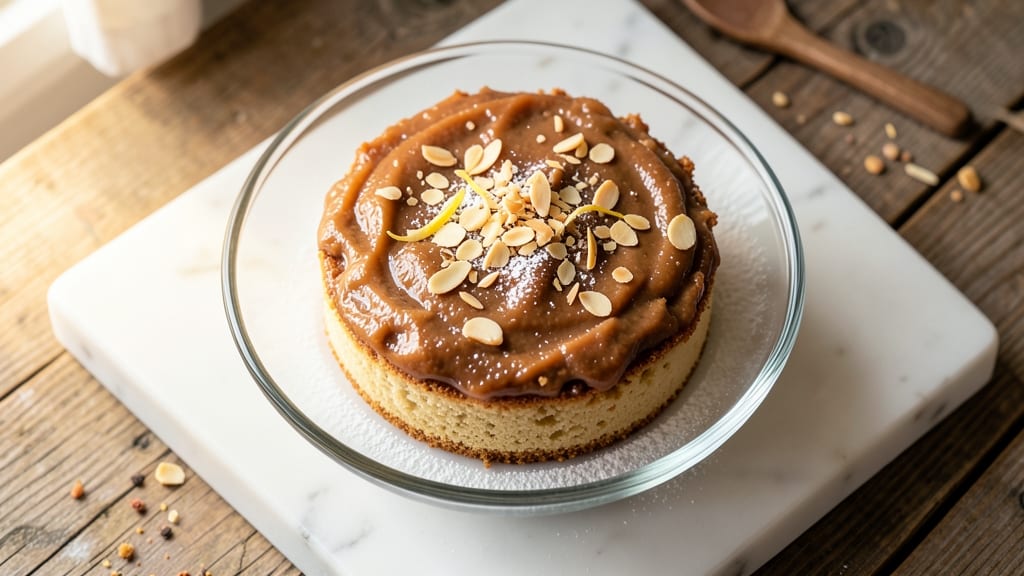
This almond pulp cake delivers a moist, nutty texture that feels like a hug for your taste buds—no gluten required. The secret lies in almond pulp, a byproduct of almond milk production, which adds natural sweetness and a tender crumb without relying on traditional flour.
I perfected this recipe after discovering how almond pulp transforms ordinary cake into something extraordinary, with its rich, marzipan-like flavor and perfect moisture balance.
What sets this cake apart is the almond pulp itself—it replaces some of the flour while keeping the structure intact, creating a lighter yet dense crumb that stays fresh for days.
The recipe calls for simple ingredients like eggs, butter, and sugar, but the almond pulp elevates them into something special. No special equipment is needed, just a standard mixing bowl and oven.
The result is a cake with a velvety texture and a subtle almond aroma that lingers with every bite. It’s ideal for celebrations or a cozy dessert night, and the natural sweetness means you won’t need extra sugar.
The cake holds its shape beautifully while remaining tender, making it perfect for slicing or serving whole with a dusting of powdered sugar.
Whether you're baking for a gluten-free gathering or simply want to try something new, this almond pulp cake is a game-changer. The process is straightforward, and the payoff is a dessert that tastes like it came from a bakery—but with none of the guilt. Let’s get started!
Ingredients for almond pulp cake
Just 11 ingredients transform into a gluten-free cake with marzipan-like richness.
| Ingredient | Amount | Notes |
|---|---|---|
| Almond Pulp 🌰 | 1 ½ cups | Fresh or dried, unsweetened |
| Large Eggs 🥚 | 4 whole | Room temperature preferred |
| Unsalted Butter 🧈 | 1 cup | Softened, full-fat for richness |
| Granulated Sugar 🍚 | 1 ¼ cups | White or light brown |
| Vanilla Extract 🌿 | 1 tbsp | Pure, high-quality preferred |
| All-Purpose Flour 🌾 | 1 ½ cups | Gluten-free blend if needed |
| Baking Powder 🧂 | 1 ½ tsp | Aluminum-free preferred |
| Salt 🧂 | ½ tsp | Fine sea salt preferred |
| Powdered Sugar 🍚 | ½ cup | For dusting, optional |
| Almond Extract 🌰 | ½ tsp | Pure, not imitation |
| Unsweetened Almond Milk 🥛 | ½ cup | For moisture, optional |
Almond pulp is the star here—it’s the secret behind that velvety texture. Trader Joe’s sells it pre-packaged, or check the almond milk section at Whole Foods for fresh pulp. If you can’t find it, blend almonds into a fine powder (but it won’t be quite the same). The pulp adds natural sweetness, so don’t skimp. I always grab extra—half goes in the cake, half gets tossed into smoothies. For the butter, Land O’Lakes or Plugrá are my go-tos, but any full-fat brand works (the fat keeps this cake moist).
No almond extract? Vanilla extract plus a pinch of cinnamon mimics that nutty depth. Short on almond milk? Coconut milk or extra water works in a pinch. The flour is optional if you’re going fully grain-free—just add 1/4 cup more almond pulp to compensate. For the sugar, white or light brown both work, but brown adds a subtle caramel note. The baking powder? Bob’s Red Mill is my favorite brand—it’s reliable and gluten-free. If you’re making this ahead, wrap the cake tightly to keep it fresh.
This cake stays moist for 4-5 days in an airtight container at room temperature, or 1 week in the fridge. Freeze for 3 months if you want to prep ahead—just thaw overnight. I like to dust with powdered sugar right before serving, but honestly, it’s delicious plain too. The almond aroma gets stronger as it sits, so leftovers taste even better the next day. Store any extra almond pulp in the freezer for up to 6 months—it’s a great pantry staple.
Why You'll Love This Recipe
- No-Fuss Mixing: I swear by this recipe because it’s just whisk and bake—no sifting, no folding until the last second. The almond pulp blends right into the butter and sugar like a dream, so you’re not left scraping bowls or fighting lumps.
- Buttery Almond Magic: That first bite? Warm, moist crumb with a whisper of vanilla and the rich, nutty depth from the almond pulp—it’s like a hug in cake form. The eggs bind it perfectly, so it’s tender but holds its shape (no sad, dense center here).
- Weeknight or Weekend: Make it for breakfast with a drizzle of honey, serve it at a brunch with berries, or pack slices for lunch—it’s that adaptable. Honestly, I’ve even used leftover pieces to make almond pulp cake truffles (yes, really).
- Budget-Friendly Luxury: Almond pulp is often cheaper than almond flour, and you’re not sacrificing flavor. A single batch feeds six, and leftovers keep beautifully for days—no sad, dried-out slices here. Plus, the butter and sugar are pantry staples you already own.
Step-by-step instructions for almond pulp cake
Let's bake a rich, moist cake with nutty depth that stays tender every time.
Prepare the Almond Base
In a large mixing bowl, combine the 1.5 cups almond pulp with the 4 whole large eggs and 1 cup softened unsalted butter. Use a hand mixer or stand mixer fitted with the paddle attachment to beat on medium speed for 3-4 minutes until the mixture is light and fluffy. You'll see it nearly double in volume and become pale—this step is crucial for that tender crumb.
Here's the thing—don't rush this. The butter needs to be fully incorporated with air to create that signature moist texture. If you skip this, your cake might end up dense instead of light. While mixing, scrape down the sides of the bowl every 30 seconds to ensure everything gets properly combined.
Add Sweetness and Flavor
Gradually add the 1.25 cups granulated sugar while continuing to mix on medium speed. After the sugar is fully incorporated, add the 1 tbsp vanilla extract and 0.5 tsp almond extract. Mix for another 1-2 minutes until everything is completely combined and the batter looks smooth.
This is where the nutty flavor really starts to develop. The almond extract might seem like a small amount, but trust me—it enhances the natural almond flavor from the pulp without being overpowering. If you're using light brown sugar, you'll get a slightly deeper caramel note that pairs beautifully with the almonds.
Incorporate Dry Ingredients
In a separate bowl, whisk together the 1.5 cups all-purpose flour, 1.5 tsp baking powder, and 0.5 tsp salt. Then, with the mixer running on low speed, gradually add the dry ingredients to the wet mixture. Mix just until combined—you should still see some flour streaks. This prevents overmixing which can make the cake tough.
Next, gently fold in the 0.5 cup unsweetened almond milk using a spatula. The batter will be thick but smooth. I know it seems like a lot of liquid, but trust me—this keeps the cake wonderfully moist without being soggy. If you're using a gluten-free flour blend, the batter might be slightly thicker, so don't be afraid to add the full amount of almond milk.
Bake to Golden Perfection
Preheat your oven to 350°F and grease an 8-inch round cake pan or line it with parchment paper. Pour the batter into the prepared pan and smooth the top. Bake for 35-40 minutes or until a toothpick inserted into the center comes out clean. The edges should be golden brown, but the top might still look slightly underbaked—that's normal with almond-based cakes.
Here's my pro tip: Don't open the oven during the first 20 minutes of baking. The sudden temperature change can cause the cake to sink. When you do open it, you'll see the edges pull away slightly from the pan—that's your signal the cake is nearly done. Let it cool in the pan for 10 minutes before transferring to a wire rack to cool completely.
Finish with Powdered Sugar (Optional)
Once the cake has cooled completely, you can dust the top with 0.5 cup powdered sugar for a beautiful finish. This step is optional but gives that classic cake look. For extra flavor, you can also brush the top with a simple syrup made by heating 0.25 cup sugar with 0.25 cup water until dissolved, then cooling.
The cake will keep well at room temperature for 3 days or in the refrigerator for up to 5 days. If you want to serve it fresh, I recommend making it the day before—this allows the flavors to meld even more beautifully. Each slice should be moist, tender, and packed with that rich almond flavor without being overly sweet.
Pro Tips For Making Almond Pulp Cake
- Whip Eggs to Ribbon Stage: Stop when the mixture holds a slow, thick ribbon when the whisk is lifted—about 3-4 minutes total. Over-whipping turns your cake into almond-flavored meringue. I learned this the hard way after a batch collapsed like a sad soufflé.
- Toast Almond Pulp First: Spread the almond pulp on a baking sheet and toast it at 350°F (175°C) for 5-7 minutes until fragrant. This deepens the nutty flavor and prevents a raw, chalky aftertaste—trust me, your cake will taste like it’s been baking for hours.
- Room-Temp Butter Only: Unsalted butter straight from the fridge? Beat it with the eggs first until just melted—no need to fully incorporate. Cold butter creates pockets that make the cake dense. I skip this step sometimes, and the texture suffers (your future self will notice).
- Fold, Don’t Stir: Use a spatula to gently fold the dry ingredients into the egg-butter mix in 3 additions, cutting through the center each time. Stirring deflates the air bubbles you worked so hard to incorporate. Sounds weird, but it works—your cake will rise properly.
Common mistakes when making this recipe
Overmixing the Batter
I’ve seen this happen more times than I can count—overmixing turns that light, airy batter into a dense, tough mess. The moment you see no more flour streaks, stop mixing immediately.
The almond pulp is delicate, and too much mixing breaks down the structure, leaving you with a cake that’s more like a brick. If your batter looks smooth but still has a few tiny streaks, that’s perfect—it means you’ve preserved the tender texture we’re aiming for. 🌰
Skipping the Room-Temp Eggs
Cold eggs can cause your cake to develop uneven texture—think cracks or a domed top. Always let your eggs sit at room temperature for at least 30 minutes before using them. I keep mine in a bowl on the counter while I preheat the oven.
The butter should also be softened to room temperature, not melted—this ensures proper emulsification with the eggs and almond pulp.
Using Old or Rancid Butter
Butter is the secret to moisture in this cake, so using old or rancid butter will make your cake taste off and dry. Always check the expiration date and give it the sniff test—it should smell fresh and nutty, not sour.
I store my butter in the fridge and only take out what I need for the recipe. If you’re unsure, grab a new tub from Land O’Lakes or Plugrá—they’re reliable brands that keep well.
Ignoring the Almond Pulp Texture
Not all almond pulp is created equal—some brands sell it fresh, while others sell it dried. Fresh almond pulp is moist and sticky, while dried pulp is crumbly. If you’re using dried pulp, soak it in 2 tbsp warm water for 10 minutes to rehydrate before mixing.
I’ve made this mistake and ended up with a cake that was too dry. Always check the packaging—Trader Joe’s and Whole Foods carry both types, so you can choose based on what you have.
Opening the Oven Too Soon
Peeking at your cake too early can cause it to sink or develop a dome. The almond pulp cake needs time to set properly, so resist the urge to check on it until at least 20 minutes have passed.
When you do open the oven, look for the edges to pull away slightly from the pan—that’s your cue it’s nearly done. I promise, the 5 extra minutes of patience will make all the difference in the final texture. 🔥
Overbaking for a "Done" Look
This cake is delicate—it’s ready when a toothpick comes out clean, even if the top still looks slightly underbaked. Overbaking dries out the almond pulp and makes the cake crumbly. The edges should be golden brown, but the center can still be slightly soft.
Let it cool completely before slicing, or you’ll end up with crumbs instead of clean slices. Trust the toothpick test, not the visual cues alone.
Nutrition facts
Frequently asked questions
Can I substitute almond pulp with almond flour?
Not directly—they have different textures and moisture levels. Almond pulp adds natural sweetness and a tender crumb, while almond flour is drier and requires more liquid. If you must substitute, use 1 cup almond flour plus 2 tbsp almond milk per cup of almond pulp, but expect a denser texture. The flavor will still be nutty, but the cake won't be as light.
Why does my cake taste bitter?
Overmixing or using old almond pulp/extract can cause bitterness. Always use fresh ingredients and mix just until combined. If your pulp smells sour, discard it—rancid almond pulp ruins the flavor. For extra sweetness, add 1 tbsp honey or maple syrup to the batter. The natural oils in almonds can also turn bitter if baked too long—trust the toothpick test!
How do I make this gluten-free?
Replace the 1.5 cups all-purpose flour with a 1:1 gluten-free blend (like Bob's Red Mill). Add 1/4 cup extra almond pulp to compensate for the lack of gluten structure. The cake will still be moist but may have a slightly denser crumb. Test your blend first—some brands absorb more liquid.
Can I bake this in a different pan size?
Yes, but adjust baking time. For a 9-inch pan, bake 30-35 minutes; for a 6-inch pan, bake 40-45 minutes. The cake should spring back when touched lightly. If using a non-round pan, rotate halfway through baking for even browning. Always check with a toothpick—almond-based cakes bake faster than flour-based ones.
What's the best way to store leftovers?
Wrap tightly in plastic wrap or store in an airtight container. At room temperature, it stays fresh for 3 days; refrigerated, up to 5 days. For longer storage, slice and freeze portions for 3 months. The almond flavor actually improves overnight! Reheat slices for 10 seconds** in the microwave to restore moisture.