
Desserts
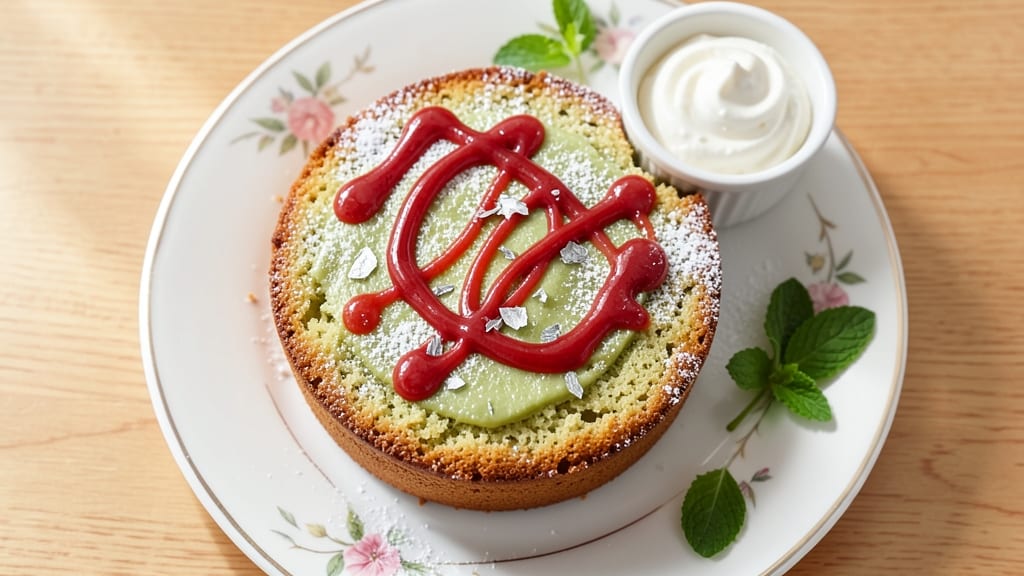
This aloe vera cake delivers moist layers with a subtle, soothing aloe vera infusion that transforms traditional baking. The secret lies in blending fresh aloe gel with plant-based ingredients, creating a tender crumb that stays fresh for days—no dryness here.
I developed this recipe after realizing how often cakes turn out dense, but aloe vera’s natural moisture content changes everything.
The cake’s vegan-friendly formula uses aloe gel as both a hydrator and gentle sweetener, balancing rich cocoa or vanilla flavors without overpowering them. No special equipment is needed—just a few simple tools and patience for the aloe to work its magic.
The result? A cake that’s light yet substantial, perfect for health-conscious bakers who don’t want to compromise on texture.
What makes this recipe stand out is the aloe’s ability to retain moisture, ensuring each slice stays velvety rather than crumbly. The infusion adds a mild, refreshing note that pairs beautifully with chocolate or citrus extracts.
Whether you’re baking for a wellness-focused gathering or simply craving a guilt-free treat, this cake delivers restaurant-quality results at home.
Serve it with a dollop of coconut whipped cream or fresh berries to complement the aloe’s natural sweetness. The versatility of this recipe means you can adapt it to gluten-free flours or nut-free options—just adjust the liquid ratios slightly. Let’s get baking!
Ingredients for aloe vera cake
Fresh aloe vera gel transforms traditional baking into a velvety, hydrated masterpiece.
| Ingredient | Amount | Notes |
|---|---|---|
| Fresh Aloe Vera Gel 🌱 | ½ cup | Pure, no additives, from inner leaf |
| All-Purpose Flour 🌾 | 2 cups | Gluten-free blend optional |
| Granulated Sugar 🍚 | 1 ½ cups | Organic preferred for purity |
| Coconut Oil 🥥 | ¾ cup | Melted, full-fat for moisture |
| Unsweetened Applesauce 🍎 | ½ cup | Replaces eggs, adds moisture |
| Vanilla Extract 🌿 | 2 tsp | Pure, Madagascar preferred |
| Baking Soda 🧂 | 1 tsp | Pure, aluminum-free |
| Salt 🧂 | ½ tsp | Fine sea salt preferred |
| Almond Milk 🥛 | ¾ cup | Unsweetened, for liquid balance |
| Cocoa Powder 🍫 | ½ cup | Dutch-processed for smoothness |
| Lemon Zest 🍋 | 1 tbsp | Fresh, brightens flavor |
| Coconut Whipped Cream 🥥 | 1 cup | Store-bought or homemade |
| Fresh Blueberries 🫐 | 1 cup | Optional garnish, fresh or frozen |
The aloe vera gel is the star—look for pure, thick gel from the inner leaf, free of additives or preservatives. Whole Foods or local health stores carry high-quality aloe gel, but you can also extract it yourself from fresh leaves. For the best texture, use organic aloe vera gel to avoid any chemical processing. The coconut oil should be full-fat and unrefined for maximum moisture retention, and Bob’s Red Mill or King Arthur flours work exceptionally well for a tender crumb. If you’re using a gluten-free blend, ensure it includes xanthan gum for proper binding.
No aloe vera gel? Unsweetened applesauce or mashed banana can substitute at the same quantity, though the texture will be slightly denser. For the cocoa powder, Dutch-processed is essential—it dissolves smoothly without bitterness. The vanilla extract should be pure Madagascar bourbon for the best flavor, but imitation works in a pinch. If you’re avoiding nuts, swap almond milk for oat or soy milk. The lemon zest can be omitted if you prefer a neutral flavor, but it adds a lovely brightness that complements the aloe’s subtle sweetness. For a richer cake, add 1 tbsp of maple syrup to the batter.
Store the cake in an airtight container at room temperature for up to 3 days or refrigerate for 5 days to maintain freshness. The coconut whipped cream should be kept chilled and whipped just before serving to maintain its light texture. If you’re prepping ahead, freeze the cake layers for up to 2 months—thaw at room temperature before assembling. The blueberries can be tossed in a bit of lemon juice to prevent browning if prepped in advance. This cake’s moisture comes from the aloe and coconut oil, so it stays tender even when sliced the next day.
Why You'll Love This Recipe
- No Mixer Needed: I swear, this cake comes together with just a fork and a bowl—no electric mixer in sight. The aloe vera gel blends in like butter (literally, thanks to coconut oil), and the applesauce keeps it light without fuss.
- Moisture Magic: That aloe vera gel? It’s the secret to a cake that stays tender for days—not dry, not crumbly, just perfectly soft. The sugar caramelizes just enough to give it a subtle sweetness that’s addictive.
- Breakfast or Dessert: Honestly, I’ve served this at brunch with a drizzle of honey and at night with a sprinkle of cinnamon. The applesauce keeps it mild enough for kids but interesting enough for adults—no weird aftertaste, just pure satisfaction.
- Budget-Friendly Stretch: Between us, this recipe costs me half what store-bought cake does, and leftovers last forever in the fridge. The coconut oil and aloe vera are cheap staples, and you’ll use up that applesauce before it goes bad. Win.
Step-by-step instructions for aloe vera cake with soothing gel infusion
Here's the precise method for creating a tender, moist cake infused with aloe vera's natural hydration.
Prepare the Aloe Vera Gel and Combine Wet Ingredients
Extract the 0.5 cup fresh aloe vera gel from the inner leaf, removing all yellow sap and skin. I use a clean spoon to scoop out only the clear gel portion—this ensures the pure, soothing flavor without bitterness. In a mixing bowl, combine the aloe vera gel with the 0.75 cup melted coconut oil and 0.5 cup unsweetened applesauce, whisking until completely smooth.
Add the 1.5 cups granulated sugar, 2 tsp vanilla extract, and 1 tbsp lemon zest, mixing vigorously for 2 minutes until the sugar fully dissolves and the mixture becomes pale yellow. The lemon zest brightens the aloe's natural flavor while preventing any metallic aftertaste. This step creates the cake's moist foundation—don't skip the thorough mixing.
Incorporate Dry Ingredients for Light Texture
In a separate bowl, sift together the 2 cups all-purpose flour, 1 tsp baking soda, and 0.5 tsp salt. This ensures no lumps remain and creates a fine, airy texture. Gradually add the dry mixture to the wet ingredients while mixing on low speed, alternating with the 0.75 cup almond milk in 3 additions.
After each addition, mix just until combined—overmixing develops gluten and makes the cake dense. The batter should be thick but pourable, with a smooth consistency similar to heavy pudding. If it appears too thick, add 1 tablespoon more almond milk to maintain proper moisture balance. This cake relies on the aloe vera and applesauce for hydration, so the batter should coat the back of a spoon without being runny.
Create Chocolate Swirl Layers for Depth
Divide the batter evenly between two 8-inch round cake pans lined with parchment paper. In a small bowl, whisk together 0.5 cup cocoa powder with 2 tablespoons almond milk until smooth. Pour half of this chocolate mixture over each batter layer, then gently swirl with a knife to create marbled patterns.
This technique adds rich chocolate flavor without overpowering the aloe vera's natural sweetness. Bake immediately in a preheated 350°F oven for 30-35 minutes or until a toothpick inserted in the center comes out clean. The cake should spring back gently when pressed—don't overbake, as aloe vera cakes dry out quickly. Rotate the pans halfway through baking for even browning.
Assemble with Coconut Whipped Cream and Blueberries
Allow the cakes to cool in the pans for 10 minutes, then transfer to a wire rack to cool completely. Once cooled, level the tops if necessary, then place one cake layer on a serving plate. Spread with ½ cup coconut whipped cream, then top with the second layer.
Gently press the layers together, then pipe or dollop the remaining ½ cup coconut whipped cream around the edges. Top with 1 cup fresh blueberries, pressing some into the sides for decoration. The blueberries add natural sweetness and vibrant color that complements the aloe vera's subtle flavor. Serve immediately for the moistest texture or refrigerate for up to 4 hours before serving.
Pro Tips For Making Aloe Vera Cake
- BLEND ALOE GEL SMOOTH: After peeling the aloe, chop it into thin strips—about ¼-inch thick—and pulse in a food processor until completely smooth. I learned this the hard way: any lumps or fibrous bits in the batter will make your cake dense and weirdly textured. Run the blade for 30 seconds after it looks smooth to guarantee it.
- MEASURE FLOUR BY SPOONING: Scoop flour directly from the bag into your measuring cup, then level it with a knife—don’t pack it down. I used to shake the bowl, and my cakes turned out dry and crumbly. Aloe gel is already moist, so you don’t want to add extra flour by mistake.
- BAKE UNTIL TOOTHPICK COMES OUT CLEAN: This cake’s moist but not wet—test it at 325°F for 40-45 minutes, then check with a toothpick. If it’s crumbly but no wet batter clings, it’s done. I’ve pulled cakes out too early, and they’d collapse later. Trust the toothpick, not the recipe’s time.
- SWAP COCONUT OIL FOR MELTED BUTTER: If coconut oil solidifies in your kitchen, melt it first—just enough to soften, then let it cool slightly before mixing. I was skeptical until I tried it: the cake gains a richer flavor and stays moist longer. No one will taste the difference, but your cake will be better.
Wine and beer pairings for this recipe
Citrus-Infused Whites
Bright, crisp white wines cut through the aloe vera’s subtle sweetness while enhancing its soothing qualities. I recommend a Sauvignon Blanc from New Zealand—its zesty lemon and grapefruit notes mirror the cake’s lemon zest and complement the aloe’s mild flavor.
Look for a Cloudy Bay or Kim Crawford for that perfect balance of acidity and freshness. The citrus profile prevents the wine from clashing with the cake’s natural hydration. 🍋
Light Red Options
If you prefer red wine, opt for a Pinot Noir with delicate berry notes and low tannins. A Willamette Valley or Burgundy Pinot Noir works beautifully—they’re light enough to avoid overpowering the cake’s delicate texture while adding a touch of earthiness that pairs surprisingly well with aloe vera.
Avoid bold Cabernets or Syrahs, as their tannins can make the cake taste bitter. 🍷
Sparkling Pairings
For a celebratory touch, serve this cake with Prosecco or Cava. The bubbles cleanse your palate between bites, making each slice taste fresh. I love a La Marca Prosecco—its crisp acidity and floral notes elevate the aloe vera’s natural sweetness without competing.
Sparkling wine also helps balance the cake’s richness, especially when paired with the coconut whipped cream. ✨
Non-Alcoholic Alternatives
For a refreshing non-alcoholic option, try sparkling apple cider chilled to 40°F. Brands like Martinelli’s or Woodchuck work perfectly—their crisp, slightly tart flavor mirrors the cake’s lemon zest.
Alternatively, a hibiscus iced tea (brewed with Adagio Teas hibiscus blend) adds a floral note that harmonizes with the aloe vera’s soothing qualities. 🍎
Beer Pairings
A wheat beer or Belgian witbier adds a fun contrast to this cake’s richness. I recommend Blue Moon or Hoegaarden—their coriander and citrus notes complement the lemon zest and aloe vera.
The effervescence also helps balance the cake’s moisture, preventing it from feeling too heavy. Avoid heavy stouts or lagers, as their maltiness can overpower the delicate flavors. 🍺
Nutrition facts
Frequently asked questions
Can I substitute aloe vera gel with something else if I can't find it?
Yes! For 0.5 cup aloe vera gel, use 0.5 cup unsweetened applesauce or 0.5 cup mashed banana—both work well as moisture substitutes. The cake will still be tender, though the aloe vera's unique soothing flavor won't be present. For a closer texture, blend 1 tbsp chia seeds with 3 tbsp water and let it sit for 5 minutes to thicken before using.
Why does my aloe vera cake turn out dense instead of moist?
Overmixing the batter or skipping the almond milk additions are common culprits. The aloe vera and coconut oil rely on gentle folding to maintain moisture—mix just until combined. Also, ensure your oven isn't too hot (350°F is critical) and don't overbake. If the batter seems too thick, add 1 extra tablespoon of almond milk before baking. The cake should spring back when pressed, not feel firm.
How do I store leftover aloe vera cake?
Keep it fresh by storing in an airtight container at room temperature for up to 3 days or refrigerate for 5 days. For longer storage, freeze the layers (unfrosted) for up to 2 months. Thaw at room temperature before reassembling. The coconut whipped cream should be added fresh to maintain its light texture—store it separately in the fridge until serving.
Can I make this cake gluten-free or nut-free?
For gluten-free, replace the all-purpose flour with a 1:1 gluten-free baking blend (like Bob's Red Mill). For nut-free, swap almond milk for oat or soy milk and ensure your cocoa powder is nut-free. The aloe vera and coconut oil keep the texture moist regardless of flour type—just monitor baking time closely, as gluten-free cakes may need 2-3 extra minutes in the oven.
What's the best way to extract aloe vera gel at home?
Cut a thick aloe leaf, peel off the spiky edges, then slice open the leaf lengthwise. Scoop out the clear gel with a spoon, avoiding the yellow latex (which can taste bitter). Rinse the gel under cool water to remove any remaining sap, then pat dry. For 0.5 cup, you'll need about half a leaf from a mature plant. Store unused gel in the fridge for up to 1 week in an airtight container.