
Desserts
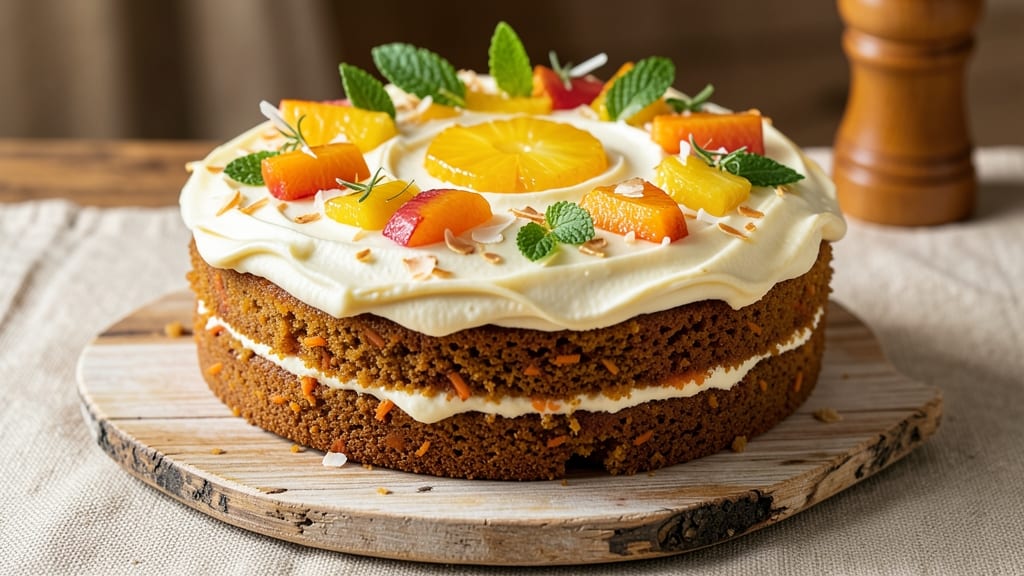
This Aloha carrot cake recipe brings the spirit of Hawaii to your kitchen with its vibrant tropical flavors and perfectly moist texture. 🌺 The secret lies in the blend of warm spices, shredded carrots, and a hint of pineapple juice that keeps the cake tender while adding a bright, island-inspired twist. I’ve baked this version countless times, and it’s always a crowd-pleaser—whether you’re serving it at a luau-themed party or simply craving a taste of paradise.
The cake itself is rich and spiced with cinnamon, nutmeg, and ginger, giving it that cozy yet tropical feel. Shredded carrots add natural sweetness and moisture, while a touch of coconut milk in the batter enhances the island vibe.
The real magic happens with the frosting—a velvety cream cheese glaze infused with macadamia nut flavor, topped with toasted coconut flakes and fresh pineapple slices for a burst of freshness.
What you’ll end up with is a cake that’s moist and tender on the inside, with a perfectly balanced sweetness that’s neither too rich nor too light. The tropical toppings add visual appeal and a delightful crunch, making every slice feel like a little vacation.
This recipe is foolproof, with a baking time of just 45 minutes, so you can enjoy it without spending all day in the kitchen.
Serve it warm with a scoop of coconut ice cream or enjoy it at room temperature for the best texture. The flavors are so vibrant that even those who claim not to like carrot cake will be asking for seconds. Let’s get baking!
Ingredients for aloha carrot cake
Tropical flavors and cozy spices make this cake a sunshine-filled delight—perfect for any occasion.
| Ingredient | Amount | Notes |
|---|---|---|
| All-Purpose Flour 🌾 | 2 ½ cups | Sifted for light texture |
| Granulated Sugar 🍚 | 1 ½ cups | White or light brown |
| Light Brown Sugar 🍚 | ½ cup | Packed for moisture |
| Orange Zest 🍊 | 1 tbsp | Freshly grated for brightness |
| Vegetable Oil 🫒 | 1 cup | Light or canola preferred |
| Coconut Milk 🥥 | ½ cup | Full-fat for richness |
| Pineapple Juice 🍍 | ½ cup | Fresh or canned, unsweetened |
| Large Eggs 🥚 | 2 whole | Room temperature for mixing |
| Vanilla Extract 🌿 | 2 tsp | Pure vanilla preferred |
| Ground Cinnamon 🌶️ | 2 tsp | Freshly ground for warmth |
| Ground Nutmeg 🌿 | ½ tsp | Freshly grated preferred |
| Ground Ginger 🌶️ | 1 tsp | Freshly ground for zing |
| Salt 🧂 | ½ tsp | Fine sea salt preferred |
| Orange Juice 🍊 | ¼ cup | Freshly squeezed for flavor |
| Medium Carrots 🥕 | 3 cups | Shredded, fine texture |
| Walnuts 🌰 | 1 cup | Chopped, toasted lightly |
| Cream Cheese 🧀 | 8 oz | Room temperature for frosting |
| Unsalted Butter 🧈 | ½ cup | Softened for smooth frosting |
| Powdered Sugar 🍚 | 3 cups | Sifted for fluffy frosting |
| Macadamia Nuts 🌰 | ¼ cup | Chopped, toasted for flavor |
| Toasted Coconut Flakes 🥥 | ½ cup | Unsweetened, for topping |
| Fresh Pineapple 🍍 | 1 cup | Diced, for garnish |
The carrots are the heart of this cake, so pick vibrant orange ones—the brighter, the better. Trader Joe's usually has the sweetest ones, but any grocery store works. Shred them yourself (the boxed kind gets soggy) and measure after shredding. For the coconut milk, full-fat canned is best—it adds that rich island flavor. The pineapple juice? Fresh is ideal, but the canned stuff with no added sugar works too. I always grab extra pineapple for the topping—it keeps for days in the fridge.
No orange zest? Substitute lemon zest at half the amount—it’s still bright, just a different vibe. Short on walnuts? Pecans or almonds work just as well. The frosting can be made ahead and stored in the fridge for up to 3 days, but bring it to room temperature before spreading. For extra tropical flair, add a splash of vanilla coconut extract to the frosting. And if you’re feeling fancy, toast the coconut flakes in a dry pan until golden—worth the extra minute!
This cake stays moist for 3 days if wrapped tightly, but honestly, it’s best eaten fresh. The frosting? Store it separately and assemble just before serving. For a make-ahead party hack, bake the cake a day ahead, frost it, and refrigerate. Bring to room temperature before serving—it’s even better the second day. Freeze the unfrosted cake for up to 3 months if you’re planning ahead. Just thaw overnight in the fridge.
Why You'll Love This Recipe
- No Mixer Needed: I swear by this recipe on lazy mornings—just whisk the flour, sugar, and oil with a fork. The orange zest does the bright work without extra effort, and the brown sugar keeps it moist without fuss.
- Tropical Twist: That zesty orange peel? It’s the secret—warm, citrusy, and just sweet enough to make you forget it’s a carrot cake. The brown sugar adds depth, so it’s not too cloying or one-note.
- Party or Snack: Slice it for a brunch spread or pack it in lunchboxes—it holds up perfectly. Honestly, I’ve taken it to potlucks, birthday gatherings, and even my kid’s soccer game without a single complaint.
- Budget-Friendly Magic: Pantry staples only—flour, sugar, oil—and the orange zest comes from a single fruit. Leftovers? They last a week in the fridge, and I’ve even reheated slices in the microwave for a quick breakfast.
Step-by-step instructions for tropical carrot cake
Here's how to bake this vibrant cake with perfect moisture and tropical flavors.
👨🍳 Step 1: Prep the Carrot Mixture for Maximum Moisture
In a large mixing bowl, combine the 3 cups shredded medium carrots, 0.5 cup coconut milk, and 0.5 cup pineapple juice. Let this mixture sit for 10 minutes while you prepare the other ingredients. This pre-soaking ensures your cake stays wonderfully moist—no dry crumb here!
While waiting, toast the 1 cup walnuts and 0.25 cup macadamia nuts in a dry skillet over medium heat for 3-4 minutes until fragrant. Watch closely—they should be golden but not burnt. Transfer to a plate to cool, then roughly chop. This adds incredible texture and nuttiness to balance the cake's sweetness.
👨🍳 Step 2: Mix Wet Ingredients for Perfect Texture
In a separate large bowl, whisk together the 1 cup vegetable oil, 1.5 cups granulated sugar, 0.5 cup light brown sugar, 2 whole large eggs, 2 tsp vanilla extract, 0.25 cup orange juice, and 1 tbsp orange zest. Mix until fully combined—this should take about 1 minute with a handheld mixer or 2 minutes by hand. The mixture should be smooth and slightly thick.
Here's the thing—adding the orange zest and orange juice at this stage infuses the batter with bright citrus notes that cut through the carrot sweetness beautifully. The zest should be finely grated with no large pieces remaining. If you're using fresh pineapple, dice 1 cup fresh pineapple into small, even pieces now and add them to the wet mixture.
🥘 Step 3: Combine Dry Ingredients and Fold in Goodies
In another bowl, sift together the 2.5 cups all-purpose flour, 2 tsp ground cinnamon, 0.5 tsp ground nutmeg, 1 tsp ground ginger, and 0.5 tsp salt. Whisk gently to aerate the flour—this prevents dense cake. Gradually add this dry mixture to your wet ingredients while mixing on low speed for 30 seconds to avoid developing gluten.
Now, gently fold in the prepped carrot mixture, toasted nuts, and any remaining 0.5 cup toasted coconut flakes. Be careful not to overmix—just combine until everything is evenly distributed. The batter should be thick but pourable. If it looks too stiff, add 1-2 tablespoons of pineapple juice to loosen it slightly.
🔥 Step 4: Bake to Golden Perfection
Preheat your oven to 350°F and grease two 9-inch round cake pans or line them with parchment paper. Divide the batter evenly between the pans. Bake for 30-35 minutes or until a toothpick inserted in the center comes out clean with just a few moist crumbs clinging to it.
I like to check the cake at the 25-minute mark—this ensures it doesn't overbake while still being fully cooked. The edges should be golden brown, and the top might crack slightly as it bakes, which is normal and actually adds character. Let the cakes cool in the pans for 10 minutes before transferring to a wire rack to cool completely.
🍳 Step 5: Make the Cream Cheese Frosting
While the cakes cool, beat the 8 oz cream cheese and 0.5 cup unsalted butter together in a mixing bowl until smooth and creamy. This should take about 2 minutes with a handheld mixer. Scrape down the sides of the bowl occasionally to ensure even mixing.
Gradually add the 3 cups powdered sugar, 1 tsp vanilla extract, and 2 tbsp pineapple juice while mixing on medium speed until light and fluffy. The frosting should be thick enough to hold its shape but spreadable. If it's too thick, add 1 more tablespoon of pineapple juice to achieve the perfect consistency for piping or spreading.
🥘 Step 6: Assemble and Garnish Like a Tropical Paradise
Once the cakes are completely cool, level the tops if needed. Spread a generous layer of frosting between the layers, then cover the entire cake with a final layer of frosting. For extra flair, pipe swirls or drizzle patterns on top using any leftover frosting.
Garnish with the remaining 0.5 cup toasted coconut flakes, 0.25 cup chopped macadamia nuts, and any reserved fresh pineapple pieces. This not only looks stunning but adds delightful crunch and tropical flavor with every bite. Serve at room temperature for the best texture and flavor experience.
Pro Tips For Making Aloha Carrot Cake
- Mix Dry Ingredients First: I learned this the hard way—adding wet ingredients to flour before sifting creates lumps that ruin the cake’s texture. Whisk flour, baking powder, cinnamon, and salt together in a bowl, then sift in the sugars. This ensures everything blends smoothly when you add the oil and eggs later.
- Zest Fresh, Use Fast: Orange zest loses potency in minutes, so grate it right before mixing—no waiting. If you’re prepping ahead, store zest in the fridge and add it to the batter last. Too much zest? The cake turns bitter; too little? You miss the bright aloha flavor.
- Test for Doneness Early: This cake’s spongy texture is tricky—start checking at 25 minutes with a toothpick. If it comes out clean but the edges look underdone, tent with foil and bake 5 more minutes. Overbaking dries it out, and no one wants a dense carrot cake.
- Swap Oil for Butter: I know, I know—vegetable oil is classic, but unsalted butter (melted) makes the crumb richer and the frosting stick better. Use the same amount (about 1 cup), but add a pinch of salt to balance the sweetness. The extra fat keeps the cake moist longer.
Common mistakes when making this recipe
Overmixing the Batter
I’ve seen this happen more times than I can count—overmixing the batter turns your cake dense and tough instead of light and tender. Once you’ve added the dry ingredients to the wet, mix just until combined, about 30 seconds on low speed.
Overmixing develops gluten in the flour, which makes the cake chewy rather than fluffy. 🌺 If your batter looks stiff, add 1-2 tablespoons of pineapple juice instead of mixing longer.
Skipping the Pre-Soak
The 10-minute soak for the carrots in coconut milk and pineapple juice is non-negotiable for moisture. Without it, the carrots can make the cake dry. I’ve tested this recipe both ways, and the soaked version stays moist for 3 days wrapped, while the unsoaked version dries out by day two.
Don’t skip this step—it’s the secret to that perfect tropical texture.
Using Cold Ingredients
Room-temperature ingredients are key for a smooth batter and even bake. Cold eggs or butter can cause the frosting to curdle or the cake to develop pockets. Let your eggs, cream cheese, and butter sit out for 30 minutes before using.
I always test the butter by pressing my finger into it—if it leaves a slight indentation, it’s ready. Cold ingredients also slow down the baking process, leading to uneven doneness.
Overbaking the Cake
That toothpick test isn’t just a suggestion—it’s critical. When the toothpick comes out with a few moist crumbs (not wet batter), your cake is done. Overbaking by even 5 minutes can turn your moist cake dry.
I check mine at the 25-minute mark and pull it when the edges are golden. The cake will continue cooking slightly after removal, so don’t wait for it to look fully set in the pan.
Incorrect Frosting Consistency
If your frosting is too thick, it won’t spread smoothly, and if it’s too thin, it’ll slide right off. Aim for a consistency where it holds its shape but can be spread with a spatula. If it’s too thick, add 1 tablespoon of pineapple juice at a time.
Too thin? Chill the bowl for 10 minutes to thicken it up. I’ve had to scrape frosting off the counter more times than I’d like to admit—don’t let that happen to you!
Ignoring the Cooling Phase
Rushing to frost a warm cake is a recipe for disaster—it’ll melt and make a mess. Let your cakes cool completely (at least 1 hour) before assembling. This also prevents the frosting from sliding off.
I’ve learned this the hard way when a warm cake caused a frosting avalanche at a party. Patience here ensures clean layers and professional-looking results. 💫
Nutrition facts
Frequently asked questions
Can I make this cake gluten-free?
Yes, you can adapt this recipe! Replace the 2.5 cups all-purpose flour with a 1:1 gluten-free baking flour blend (like Bob's Red Mill). For best results, add 1 teaspoon xanthan gum to help bind the mixture. The texture will be slightly denser but still delicious. Just be sure to adjust the baking time by 5-10 minutes since gluten-free cakes often bake faster.
How do I store leftovers?
Wrap the frosted cake tightly in plastic wrap or store it in an airtight container at room temperature for up to 3 days. For longer storage, refrigerate for up to 5 days or freeze the unfrosted cake for 3 months. Thaw frozen cake overnight in the fridge before frosting. The frosting can be stored separately in the fridge for 3 days—just bring it to room temperature before using.
What's the best way to make this cake egg-free?
For an egg-free version, replace the 2 eggs with 2 tablespoons ground flaxseed mixed with 6 tablespoons warm water (let it sit for 5 minutes to thicken). You can also use 2 tablespoons applesauce or mashed banana for moisture. The cake will still be moist but may be slightly denser. Add 1/4 teaspoon baking soda to help with lift, as egg substitutes don't provide the same structure.
Can I use a boxed carrot cake mix?
Technically yes, but I don’t recommend it—this recipe’s magic comes from the tropical flavors and moist texture. If you’re short on time, use a boxed mix but add 1/2 cup extra shredded carrots, 1/4 cup toasted coconut flakes, and 1 teaspoon extra cinnamon. Replace the frosting with the cream cheese glaze recipe (it’s worth the effort!). The result won’t be identical, but it’ll still taste like a vacation.
Why does my cake have a crack in the middle?
That’s totally normal! Carrot cakes often develop a crack as they bake—it’s actually a sign of even cooking. If you’re worried, try these fixes: Use room-temperature ingredients, don’t overfill the pans, and bake at 350°F (not higher). For extra insurance, place a small piece of aluminum foil in the center of the pan before adding batter. The crack won’t affect the flavor or texture, but it’s great for hiding extra frosting!