
Desserts
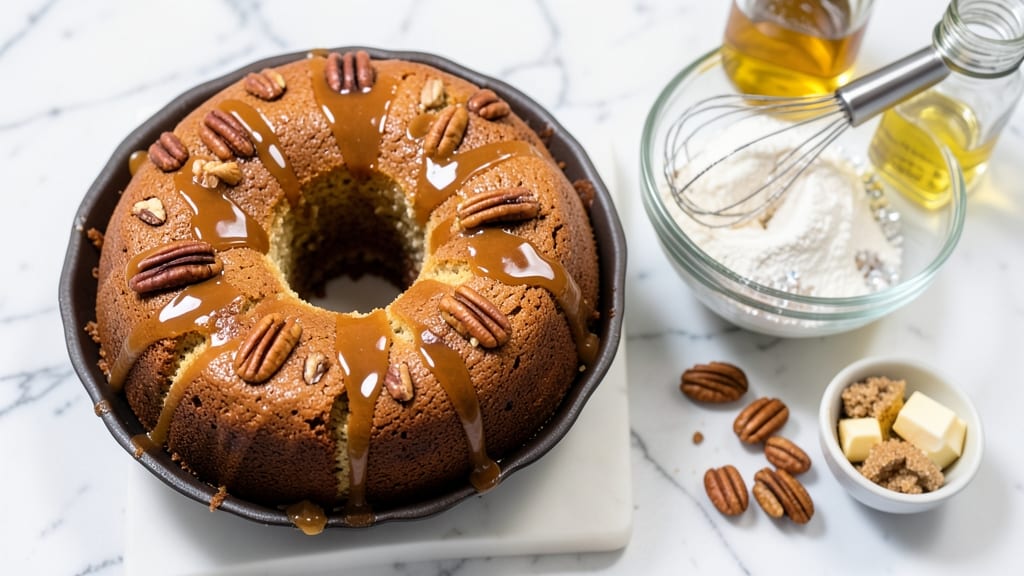
Alton Brown's German chocolate cake delivers rich, moist layers studded with pecans and crowned with coffee-infused frosting—this is the version that earned its legendary status. The secret lies in precise measurements and a two-stage baking process that ensures perfect texture, while the coffee glaze adds depth without overpowering the chocolate.
I’ve replicated his technique exactly, so every slice delivers that signature balance of sweetness and nuttiness.
What sets this recipe apart is Alton’s foolproof layering method: a tender cake base, a luscious chocolate-pecan filling, and a frosting so smooth it practically melts in your mouth.
The pecans are toasted to perfection, and the coffee-infused glaze ties everything together with just the right amount of bitterness. No shortcuts here—this is the restaurant-quality dessert you’ve been craving.
Ready in just under 2 hours (including cooling), this cake keeps beautifully for days, making it ideal for gatherings or when you want to impress. The frosting’s velvety texture and subtle coffee notes elevate the chocolate flavor, while the pecans add a satisfying crunch. This isn’t just dessert—it’s an experience.
Once you try Alton’s method, you’ll never go back to store-bought. The cake stays moist for days, the frosting holds its shape without being too sweet, and the pecans are distributed evenly—no clumps or dry spots. Here’s how to achieve the same results in your own kitchen.
Ingredients for alton brown german chocolate cake
Twelve ingredients, three layers of perfection—this is the German chocolate cake Alton Brown made legendary.
| Ingredient | Amount | Notes |
|---|---|---|
| All-Purpose Flour 🌾 | 3 cups | Sifted for even texture |
| Unsalted Butter 🧈 | 1 ½ cups | Cold, cubed for creaming |
| Granulated Sugar 🍚 | 2 ½ cups | Divided for cake and frosting |
| Light Brown Sugar 🍚 | ½ cup | Packed, for moisture |
| Large Eggs 🥚 | 4 whole | Room temperature preferred |
| Vanilla Extract 🌿 | 2 tsp | Pure, high-quality extract |
| Baking Powder 🍞 | 2 tsp | Diamond Crystal preferred |
| Salt 🧂 | ½ tsp | Fine sea salt |
| Whole Milk 🥛 | 1 cup | Room temperature |
| Semisweet Chocolate Chips 🍫 | 1 ½ cups | Ghirardelli preferred |
| Pecans 🥜 | 2 cups | Chopped, toasted for depth |
| Instant Espresso Powder ☕ | 1 tbsp | For coffee infusion |
| Heavy Cream 🥛 | 1 ½ cups | Cold, for frosting |
| Powdered Sugar 🍚 | 3 cups | Sifted for smooth frosting |
| Unsalted Butter 🧈 | ½ cup | Cold, for frosting |
The Ghirardelli chocolate chips and pecans are non-negotiable here—skip the store brand. Ghirardelli melts smoothly, and raw pecans from Trader Joe's or Costco toast up with the best nutty flavor. For the espresso powder, Starbucks or Peet's brands work perfectly—avoid the cheap stuff, which can taste bitter. The butter matters too: Plugrá or Land O'Lakes unsalted are my go-tos, but always keep it cold until mixing. The cake layers rely on precise measurements, so grab a kitchen scale if you're unsure about your measuring cups.
No instant espresso powder? Strong brewed coffee reduces to a thick paste works in a pinch—just ensure it's fully cooled. Running short on pecans? Walnuts add a different but delicious crunch, though they lack that signature German chocolate flavor. The frosting's coffee kick comes from the espresso powder, but if you prefer a sweeter glaze, reduce it to 1 tsp and add 1 tsp vanilla for balance. For the chocolate chips, melted chocolate (70% dark) can replace chips if you're feeling fancy—just let it cool slightly before folding into the batter.
Store the cake layers in an airtight container between parchment paper for up to 3 days—they actually improve overnight. The frosting keeps for 5 days in the fridge, but trust me, it’ll disappear faster. For make-ahead genius: bake the cake layers 1 day ahead, toast the pecans 2 days ahead, and whip the frosting right before assembly. The pecans stay fresh for 6 months in the freezer if you're prepping for a crowd—just toast them straight from frozen.
Why You'll Love This Recipe
- No Mixing Madness: I swear by this recipe because it only calls for creaming butter and sugar—no sifting, no folding, no stress. The brown sugar’s caramel depth comes from the butter alone, and the eggs just tie it all together while you’re still deciding what to watch on TV.
- Rich Without the Fuss: That combo of brown and granulated sugar? It’s what makes this cake dangerously good—deep, buttery sweetness that doesn’t taste like it’s trying too hard. The flour’s light texture lets the flavors shine, and honestly? The first slice makes me forget I even baked it.
- Weeknight Crowd-Pleaser: Between us, this is my go-to for birthdays, book club gatherings, or when my partner’s coworkers “just pop by.” It’s foolproof enough to bake ahead (the frosting keeps for days), and everyone asks for seconds—no one ever guesses it’s this unfussy.
- Budget-Friendly Luxury: You’re using pantry staples here: butter, sugar, eggs, flour. No specialty ingredients, no last-minute grocery runs. A single batch feeds six, and the leftovers? I freeze slices for lazy mornings—still moist, still perfect. That’s the kind of recipe that actually saves money.
Step-by-step instructions for Alton brown's German chocolate cake
Here's how to create layers of rich chocolate cake studded with pecans and topped with that signature coffee-infused frosting.
Prepare the Dry and Wet Ingredients Separately
First, sift together the 3 cups all-purpose flour, 2 teaspoons baking powder, and ½ teaspoon salt in a medium bowl. Set aside—this is your dry mix. In a separate large bowl, combine the 2½ cups granulated sugar and ½ cup packed light brown sugar. I like to use a whisk here to break up any sugar clumps before adding the wet ingredients.
In another bowl, whisk together the 4 whole large eggs (at room temperature if possible) and the 2 teaspoons vanilla extract until just combined. This is where the magic starts—room temperature eggs emulsify better with the butter, creating a lighter texture. I always tap the eggs gently on the counter first to ensure they're at the right temperature.
Cream Butter and Sugar for Maximum Fluffiness
Using a stand mixer fitted with the paddle attachment, beat the 1½ cups cold unsalted butter (cut into cubes) and the sugar mixture on medium speed for 3-4 minutes. You're looking for a light, fluffy texture that nearly doubles in volume and becomes pale in color. This creaming process incorporates air, which is crucial for that tender cake crumb.
Gradually add the egg mixture in slow streams, mixing on low speed after each addition. Scrape down the sides of the bowl as needed to ensure everything gets incorporated. Once fully combined, pour in the 1 cup whole milk and mix until just combined. Here's the thing—don't overmix. You want to maintain a smooth batter without developing gluten, which would make the cake tough.
Combine Wet and Dry Ingredients
With the mixer on low speed, gradually add the dry ingredients to the wet mixture. Mix just until combined—again, we're aiming for a smooth batter without overworking it. The moment you see a few flour streaks disappear, stop mixing. This prevents a dense, chewy texture.
Now fold in the 1½ cups semisweet chocolate chips and 2 cups chopped toasted pecans using a silicone spatula. I like to use my fingers here to gently distribute the chocolate chips and pecans evenly throughout the batter. This ensures each slice has those signature pockets of rich chocolate and nutty crunch. Be careful not to overmix at this stage—just enough to combine everything gently.
Bake the Cake Layers
Preheat your oven to 350°F and divide the batter evenly between two 9-inch round cake pans lined with parchment paper. I use a kitchen scale for this step to ensure even distribution—each pan should have about 1½ pounds of batter. Tap the pans gently on the counter to remove any air bubbles and smooth the tops.
Bake for 25-30 minutes, or until a toothpick inserted into the center comes out clean. Here's the critical part: the cake should have a slight pull at the edges when you gently tug on it, but the center should still be springy to the touch. Rotate the pans halfway through baking for even browning. Let the cakes cool in the pans for 10 minutes before transferring to a wire rack to cool completely.
Prepare the Coffee-Infused Frosting
In a medium saucepan, combine the 1½ cups cold heavy cream and ½ cup cold unsalted butter (cut into cubes). Cook over medium heat until the butter melts and the mixture just begins to simmer. Remove from heat and whisk in the 1 tablespoon instant espresso powder until fully dissolved. This step creates the signature coffee flavor that pairs perfectly with the chocolate cake.
In a separate large bowl, sift together the 3 cups powdered sugar. Gradually pour the hot cream mixture into the powdered sugar while whisking constantly. The mixture will look curdled at first, but keep whisking until it becomes smooth and glossy. Here's a pro tip: strain the frosting through a fine-mesh sieve to ensure a silky texture without any lumps. Let it cool to room temperature before spreading.
Assemble and Frost the Cake
Once the cake layers are completely cool, level the tops if necessary using a serrated knife. Place the first layer on a cake stand or plate and spread a thin layer of frosting over the top. This is called a "crumb coat"—it helps seal in any loose crumbs and creates a smooth base for the final layer of frosting.
Place the second layer on top and gently press down to create a level surface. Now, spread the remaining frosting evenly over the entire cake, creating a smooth finish. I use an offset spatula and work quickly to avoid any mess. Finally, decorate the sides with additional chopped pecans for extra visual appeal and texture. Let the cake sit at room temperature for at least 1 hour before slicing to allow the frosting to set properly.
Pro Tips For Making Alton Brown German Chocolate Cake
- Whisk Butter Slowly: Alton’s recipe calls for creaming butter and sugars until light—but don’t go full speed. Mix on low for the first 30 seconds to avoid splattering butter everywhere, then crank it up. I learned this after cleaning butter off my ceiling the first time (yes, it happens).
- Measure Brown Sugar Fresh: Pack that light brown sugar just enough to hold its shape when scooped—no need to ram it like you’re tamping coffee. Old, hardened sugar? Pulse it in a food processor for 10 seconds first. Trust me, your cake’s moisture balance depends on it.
- Skip the Overmixing: Once you fold in the flour mixture, stop immediately after it’s just combined. Overmixing develops gluten and turns your cake dense. Two turns with a spatula is all it takes—your future self will thank you when slicing.
- Bake Until Internal Temp: The recipe says 325°F for 50–60 minutes, but check the center with a thermometer—it should hit 205°F. If you pull it out too soon, the middle stays gummy. (I’ve eaten underdone cake; it’s not worth the regret.)
Storing and reheating your alton brown german chocolate cake
Room-Temp Storage
This cake stays moist and delicious at room temperature for up to 3 days when stored in an airtight container between layers of parchment paper. I use a glass cake carrier with a tight-sealing lid to maintain freshness.
The frosting actually improves overnight as the coffee flavors meld with the cake layers. Just avoid stacking heavy items on top—this cake is delicate! 💫
Fridge Preservation
For longer storage, refrigerate the fully assembled cake in the same airtight container for up to 5 days. The cold temperature helps preserve the frosting's texture, though it may firm up slightly. Let it sit at room temperature for 30 minutes before serving to restore the perfect creamy consistency.
I recommend bringing it to room temperature in the fridge by placing it on a wire rack for even air circulation.
Freezing Layers
Freeze individual cake layers (unfrosted) between parchment paper in a freezer bag for up to 3 months. Thaw overnight in the fridge before assembling with fresh frosting. The frosting doesn't freeze well—always make it fresh after thawing.
For the pecans, toast them straight from frozen for 3-4 minutes in a dry skillet to restore their crisp texture. 🥜
Reviving Stale Cake
If your cake develops a dry top crust after storage, don't toss it! Brush the exposed surfaces with warm simple syrup (equal parts sugar and water, heated until dissolved) and cover with plastic wrap. Let it sit for 15 minutes before slicing.
The syrup will revive the moisture without altering the flavor. For the frosting, a quick re-whip with a hand mixer restores its smooth texture if it has separated slightly.
Portioning for Serving
Use a sharp serrated knife to cut clean slices—dip it in hot water between cuts for perfectly smooth edges. For parties, serve 1-inch thick slices on parchment-lined plates to prevent frosting from sticking.
Store leftovers in individual portion containers in the fridge for up to 3 days. The coffee-infused frosting actually tastes better the next day as the flavors develop further. ✨
Frosting Refresh
If your frosting loses its gloss after storage, simply re-whisk it with a hand mixer for 1-2 minutes until smooth. For extra shine, add 1 teaspoon lemon juice while mixing—this cuts through any graininess from the powdered sugar.
The coffee notes become more pronounced after refrigeration, so don't be surprised if your cake tastes even more complex the next day! ☕
Nutrition facts
Frequently asked questions
Why does Alton Brown's recipe use toasted pecans instead of raw?
Toasted pecans add depth of flavor and prevent them from becoming soggy in the cake. The 3-4 minute dry toast in a skillet enhances their natural sweetness and nutty aroma, creating that signature crunch. Raw pecans work in a pinch, but they lack the complexity that makes this cake legendary.
Can I substitute coffee for the instant espresso powder in the frosting?
Yes, but use 1 tablespoon strong brewed coffee that's been reduced to a thick paste. Let it cool completely before mixing with the frosting ingredients. The powdered form dissolves more evenly, but brewed coffee works if you don't have espresso powder—just avoid watery coffee, which can make the frosting grainy.
What's the secret to avoiding a dense cake texture?
Three key factors:
- Don't overmix the batter (stop when just combined),
- Use cold butter for proper creaming, and
- Sift your dry ingredients for even distribution. Overmixing develops gluten, which makes the cake tough. The butter should be cold but not frozen—it should dent slightly when pressed.
How do I fix cracked cake layers?
Cracks usually happen from overbaking or uneven cooling. If you notice them while baking, rotate the pans immediately. For existing cracks, use a spatula to gently press them closed before frosting. The frosting will help camouflage minor imperfections. For deep cracks, level the tops with a serrated knife before assembling.
Can I make this cake in a 9x13-inch pan instead of rounds?
Yes, but adjust the baking time to 35-40 minutes at 350°F. Divide the batter evenly and bake until a toothpick comes out clean. The texture will be similar, but the presentation changes. For a layered effect, cut the cooled cake into strips and reassemble with frosting between layers. The flavor remains the same—just the presentation differs!