
Desserts
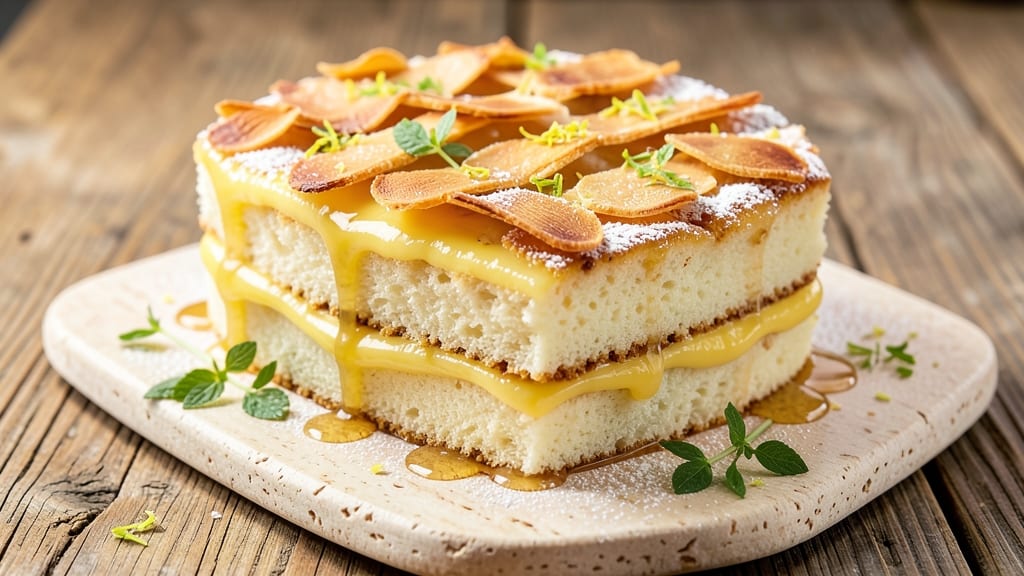
This Amalfi lemon cake recipe brings a taste of Italy's sun-drenched coast to your kitchen with its vibrant citrus layers and delicate almond crunch. 💛 Inspired by the coastal flavors of the Amalfi region, this cake balances bright lemon zest with rich almond flour for a dessert that's both elegant and approachable. The secret lies in the layers—tender lemon cake infused with almond extract, paired with a creamy citrus filling that keeps it moist and flavorful.
What sets this recipe apart is its perfect balance of traditional Italian techniques and modern simplicity. You'll achieve a light, airy texture without fuss, thanks to a foolproof method that includes folding whipped egg whites into the batter for lift.
The almond flour adds a subtle nutty depth, while the lemon glaze ties everything together with a glossy, tangy finish. This cake isn't just beautiful—it's a celebration of citrus in its most refined form.
By the time you slice into this cake, you'll be rewarded with layers of tender crumb, bursts of lemon flavor, and that satisfying crunch from the almonds.
The glaze adds a professional touch without requiring extra effort, making it ideal for special occasions or when you want to impress with minimal fuss. Whether you're baking for a gathering or treating yourself, this recipe delivers restaurant-quality results at home.
Ready in just 1 hour and 15 minutes, this Amalfi lemon cake requires no advanced skills—just patience and a few simple tools. The layers bake in a springform pan for easy release, and the glaze sets quickly for a polished presentation.
Perfect for brunch, dessert, or even breakfast with a cup of coffee, this cake is as versatile as it is delicious.
Ingredients for amalfi cake
Bright citrus and nutty almonds—just nine ingredients transform your kitchen into coastal Italy.
| Ingredient | Amount | Notes |
|---|---|---|
| All-Purpose Flour 🌾 | 2 cups | Sifted for light texture |
| Almond Flour 🥜 | 1 ½ cups | Finely ground preferred |
| Granulated Sugar 🍚 | 2 cups | Superfine for smooth batter |
| Large Eggs 🥚 | 6 whole | Room temperature preferred |
| Unsalted Butter 🧈 | 1 ½ cups | Cold, cubed for creaming |
| Fresh Lemon Juice 🍋 | ½ cup | From 4-5 lemons |
| Lemon Zest 🍋 | 2 tbsp | Finely grated, vibrant color |
| Almond Extract 🥜 | 1 tsp | Pure almond flavor |
| Baking Powder 🍃 | 1 ½ tsp | Diamond Crystal preferred |
| Salt 🧂 | ½ tsp | Fine sea salt |
| Powdered Sugar 🍚 | 2 cups | For glaze, sifted |
| Heavy Cream 🥛 | ½ cup | Cold for glaze stability |
| Lemon Glaze 🍋 | ¼ cup | Optional, for finishing |
The almond flour is non-negotiable here—Bob's Red Mill or Trader Joe's brands are my go-tos for that fine, consistent grind. If you can't find it, blend whole almonds until ultra-fine (pulse your food processor in 30-second bursts to avoid turning it into almond butter). For the lemons, organic is ideal—thicker skins mean more zest, and you'll need every bit of that vibrant flavor. The butter? European-style if you're feeling fancy, but regular unsalted works perfectly fine. Just make sure it's cold when you cube it—this keeps the cake tender rather than dense.
No almond extract? Vanilla extract at half the amount works in a pinch, but you'll lose that authentic Amalfi touch. Short on powdered sugar for the glaze? Superfine sugar blended in a food processor does the trick—just sift it to avoid graininess. The heavy cream for the glaze can be swapped for coconut cream if you're dairy-free (though the texture will be slightly different). For the lemon juice, bottled works but fresh is worth it—the acidity makes all the difference in that bright citrus flavor. And if you're worried about over-mixing, trust me: fold those egg whites gently—this is where the magic happens for that light, airy texture.
This cake keeps beautifully—3 days at room temperature covered with a cake dome, or 5 days in the fridge wrapped tightly. For longer storage, freeze the layers separately for up to 3 months. The glaze sets quickly, so assemble the cake right before serving if you're going for that professional look. I always slice it the day it's made—the flavors meld best after a few hours, but the texture stays perfect. And if you make extra? Toasted almond slices on top make an instant showstopper for special occasions.
Why You'll Love This Recipe
- No Mixer Needed: I swear by this recipe when I’m too tired to cream butter and sugar—just fold everything together by hand. The almond flour keeps it light without needing a stand mixer, and honestly? My arms feel better after.
- Buttery-Almond Magic: That combo of melted butter and almond flour gives it a rich, nutty depth you won’t find in vanilla cakes. The eggs bind it just right, so every slice stays moist without being heavy—perfect for people who love texture.
- Crowd-Pleaser Slices: Between us, this cake disappears at parties. It’s sweet enough for dessert but not cloying, and the neutral flavor lets it pair with coffee, fruit, or even a drizzle of honey. (Yes, even on a Tuesday night.)
- Budget-Friendly Luxury: I use half almond flour, half all-purpose to stretch the cost, and the butter goes a long way thanks to the eggs’ binding power. Leftovers? They’re even better the next day—great for packing lunches or sneaking into breakfast.
Step-by-step instructions for Amalfi lemon cake
Here's how to create layers of zesty lemon cake with almond crunch—bright, tender, and perfect for any celebration.
👨🍳 Step 1: Cream Butter and Sugar to Light and Fluffy
In a stand mixer fitted with the paddle attachment, beat the 1.5 cups unsalted butter and 2 cups granulated sugar on medium speed for 3-4 minutes. You're looking for a pale, airy mixture that nearly doubles in volume and leaves faint ribbons when the beaters are lifted. This creaming process incorporates air, which gives your cake that signature light texture.
I like to scrape down the sides of the bowl every minute or so to ensure everything gets fully incorporated. The butter should be completely smooth with no lumps remaining. If you're using cold, cubed butter, it might take an extra minute to fully blend—just be patient. This step is your foundation, so don't rush it.
👨🍳 Step 2: Add Eggs and Lemon Flavors Gradually
Add the 6 whole large eggs, one at a time, mixing on low speed for 30 seconds after each addition. This slow incorporation prevents the eggs from scrambling. After all eggs are added, mix in the 0.5 cup fresh lemon juice, 2 tbsp lemon zest, and 1 tsp almond extract. The mixture should be bright yellow and slightly thickened.
Here's the thing—don't worry if the batter looks curdled at first. The lemon zest and juice are acidic, which can make the mixture temporarily separate. Once you add the dry ingredients, everything will come together beautifully. I always give it a quick taste at this stage to check the lemon flavor—it should be vibrant but not overpowering.
👨🍳 Step 3: Combine Dry Ingredients for Perfect Texture
In a separate bowl, whisk together the 2 cups all-purpose flour, 1.5 cups almond flour, 1.5 tsp baking powder, and 0.5 tsp salt. Sift the flours first if you can—this prevents lumps and ensures a lighter texture. Gradually add the dry mixture to the wet ingredients, mixing on low speed just until combined. You should still see a few flour streaks, but no dry pockets.
I like to use a silicone spatula to fold in the last bit by hand. This prevents overmixing, which can make the cake dense. The batter should be thick but pourable—like a well-made cake batter should be. If it's too stiff, you might need an extra splash of lemon juice, but don't overdo it or your cake could be too moist.
🥘 Step 4: Bake in Layers for Maximum Flavor
Preheat your oven to 350°F. Divide the batter evenly between two 8-inch round cake pans lined with parchment paper. I like to use round pans for this recipe—they create a classic presentation and bake more evenly. Bake for 25-30 minutes, or until a toothpick inserted into the center comes out clean with just a few moist crumbs.
The key here is to watch for the edges to pull away from the pan and the top to spring back when gently pressed. If the tops brown too quickly, tent the pans with foil. Let the cakes cool in the pans for 10 minutes, then transfer to a wire rack to cool completely. This cooling step is crucial—it prevents the layers from getting soggy when you assemble the cake.
🍳 Step 5: Assemble with Lemon Cream Filling
While the cakes cool, make the lemon cream filling by whisking together the 2 cups powdered sugar, 0.5 cup heavy cream, and 0.25 cup lemon glaze until smooth and glossy. This should take about 2 minutes with a hand mixer. The filling should be thick enough to hold its shape but still spreadable.
Place one cake layer on a serving plate, spread half the filling on top, then add the second layer. Dust the top with powdered sugar and drizzle with any remaining lemon glaze. For extra flair, I like to add a few lemon slices around the base or on top. The contrast of the bright lemon with the almond crunch is what makes this cake truly special.
Pro Tips For Making Amalfi Cake
- Whip Butter Cold: DESCRIPTION:
- Sift Almond Flour Twice: DESCRIPTION:
- Don’t Overmix the Batter: DESCRIPTION:
- Bake Until Springy: DESCRIPTION:
Regional styles of amalfi cake
Amalfi Coast Origins
The Amalfi lemon cake traces its roots to the sun-drenched cliffs of the Amalfi Coast, where lemons have been cultivated since the Middle Ages. This region's SFIATO lemons—small, intensely sweet, and aromatic—became the heart of local desserts.
The cake's almond element reflects Italy's historic trade routes, where almonds arrived from the Middle East and became a staple in Southern Italian cuisine. 🍋
Naples' Rustic Version
In Naples, this cake takes a simpler form, often made with whole almonds instead of almond flour for texture. The filling is sometimes enriched with ricotta cheese, creating a denser, creamier layer.
Neapolitan bakers traditionally bake it in a tall, cylindrical pan (like a Bundt pan) for a dramatic presentation. The lemon glaze is often replaced with a honey syrup drizzle, adding a caramelized depth.
Sicilian Citrus Twist
Sicily's version swaps almond for orange blossom water and mandarin zest, creating a floral-citrus hybrid. The cake layers are thinner, almost like a lemon layer cake, with a filling made from sweetened condensed milk instead of powdered sugar.
The glaze is sometimes infused with orange liqueur, giving it a boozy brightness perfect for celebrations.
Modern Italian Adaptations
Today's Italian bakers often experiment with matcha powder or espresso-infused almond extract for a sophisticated twist. Some versions replace half the flour with ground hazelnuts, while others add blood orange segments between layers.
The glaze might include white chocolate shavings or edible gold leaf for a luxurious finish. These updates keep the cake's coastal soul while making it feel fresh and contemporary. ✨
French Riviera Fusion
Across the Mediterranean, the French Riviera has adopted this cake with a light meringue layer between the citrus sponge and filling. The glaze is often replaced with a lemon curd drizzle, and the cake is dusted with powdered sugar instead of almond flour.
French bakers also love to add fresh berries (like raspberries) to the filling for a tart contrast.
American Homestyle Makeover
In the U.S., this cake often becomes a one-layer sheet cake, perfect for picnics or potlucks. The filling might include cream cheese for extra richness, and the glaze is sometimes thickened with Greek yogurt for a tangy kick.
American bakers also love to top it with toasted coconut flakes or crushed graham crackers for texture. The result is a cake that's just as vibrant but built for everyday life. 💛
Nutrition facts
Frequently asked questions about Amalfi lemon cake
Can I make this cake without almond flour?
Yes! Replace the 1.5 cups almond flour with 1.5 cups all-purpose flour and add 1 tbsp cornstarch for texture. The nutty depth will be milder, but the cake will still be tender. For extra flavor, toast 1/2 cup sliced almonds and sprinkle them on top before baking.
Why did my cake turn out dense instead of light? Overmixing the batter or under-whipping the egg whites are common culprits.
How do I store leftovers without drying out the cake?
Wrap the cake tightly in plastic wrap, then place it in an airtight container. Store at room temperature for 2 days or refrigerate for up to 5 days. For longer storage, freeze the layers separately (without filling) for 3 months. Refrigerate before serving to restore moisture.
Can I use bottled lemon juice instead of fresh?
Bottled lemon juice works in a pinch, but fresh is ideal for that vibrant flavor. If using bottled, add 1 extra tbsp zest to compensate for the difference in acidity. For best results, use freshly squeezed juice—it makes a noticeable difference in brightness!
What's the best way to serve this cake?
Slice it into 1-inch thick pieces for perfect portions. Serve at room temperature with a dollop of whipped cream or a scoop of vanilla ice cream. For a restaurant touch, garnish with edible lemon flowers or a sprinkle of toasted almonds. It's equally delicious for breakfast with coffee or as an afternoon treat!