
Desserts
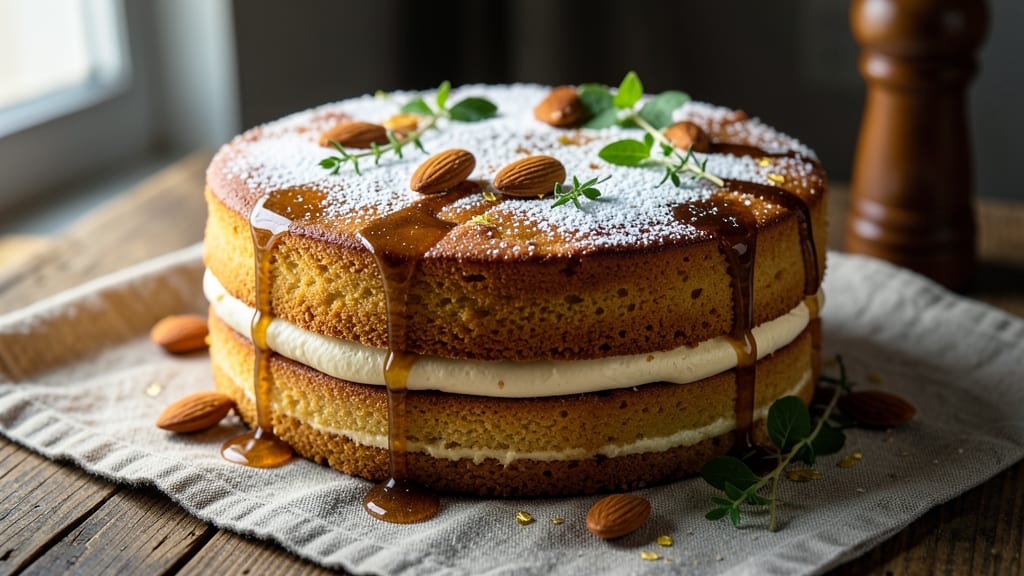
This amaretto cake recipe from scratch delivers layers of nutty, buttery perfection with a signature liqueur infusion that transforms ordinary cake into something extraordinary. The secret lies in balancing rich chocolate and tender almond flavors, elevated by amaretto's smooth sweetness—no shortcuts, just authentic depth.
I've baked this for holidays and special occasions, and it never fails to impress, with a moist crumb and filling that's dangerously addictive. The key is patience: letting the cake rest before assembly ensures clean layers and maximum flavor infusion.
The recipe begins with a classic buttery cake batter infused with almond extract and a splash of amaretto, creating a subtle nutty aroma that develops as it bakes.
While the layers cool, I prepare the filling—a velvety amaretto buttercream that ties the flavors together with just the right balance of sweetness and liqueur intensity. This isn't your average cake; it's a dessert that tastes like a sophisticated treat without requiring advanced techniques. The final touch?
A glossy chocolate glaze that adds a professional finish and makes every slice look as good as it tastes.
What sets this apart is the amaretto infusion technique: the liqueur is incorporated into both the cake batter and filling, ensuring every bite carries that signature almond-amaretto flavor.
The result is a cake that's rich yet not overly sweet, with a texture that's tender enough to melt in your mouth but sturdy enough to hold its shape. Whether you're baking for a celebration or simply treating yourself, this recipe delivers restaurant-quality results with a homemade touch.
The best part? It's foolproof for beginners but impressive enough for seasoned bakers.
Ready in just under 2 hours (including cooling time), this cake is perfect for gatherings or as a decadent weekend project. The layers stay fresh for days when stored properly, making it ideal for meal prep or gifting.
Here's how to achieve that perfect balance of flavors and textures—step by step.
Ingredients for amaretto cake recipe from scratch
Twelve ingredients, three layers of almond-amaretto magic—this is your all-access pass to restaurant-quality cake at home.
| Ingredient | Amount | Notes |
|---|---|---|
| All-Purpose Flour 🌾 | 3 cups | Sifted for light texture |
| Unsalted Butter 🧈 | 2 cups | Room temperature, European-style preferred |
| Granulated Sugar 🍚 | 2 ½ cups | Superfine for smooth batter |
| Amaretto Liqueur 🍷 | ½ cup | High-quality, 25% ABV minimum |
| Almond Extract 🌿 | 1 tbsp | Pure, not imitation |
| Large Eggs 🥚 | 4 whole | Room temperature, separated |
| Baking Powder 🍞 | 2 tsp | Aluminum-free preferred |
| Salt 🧂 | ½ tsp | Fine sea salt |
| Dark Chocolate Chips 🍫 | 1 ½ cups | 70% cacao, chopped fine |
| Heavy Cream 🥛 | 2 cups | Cold, 35% fat minimum |
| Powdered Sugar 🍚 | 4 cups | Sifted for smooth buttercream |
| Unsweetened Cocoa Powder 🍫 | ½ cup | Dutch-processed preferred |
| Dark Chocolate Glaze 🍫 | 1 cup | Melted for glossy finish |
| Almond Slices 🌰 | ½ cup | Toasted for garnish |
The butter and amaretto are non-negotiable here. European-style butter (like Plugrá) has more fat content, which translates to richer layers. Grab a bottle of Disaronno amaretto if you're splurging—it's the gold standard for that authentic almond flavor. The almond extract? McCormick or Frontier brands are reliable, but if you're feeling fancy, a small bottle of Goya almond extract from the Latin market adds depth. For the chocolate chips, Ghirardelli or Valrhona are worth the investment—they melt smoothly and add that luxurious chocolate note that balances the nutty sweetness. Pro tip: Toast your almond slices in a dry pan for 2 minutes before using—they'll add a nutty crunch to the final garnish.
No amaretto? Substitute with 0.25 cup almond extract plus 0.25 cup water, but trust me, the liqueur makes all the difference. Running low on butter? Coconut oil works in a pinch (melted), but the texture won't be quite as tender. For the chocolate glaze, Ghirardelli baking bars melt beautifully—just chop them into small pieces before melting. The cocoa powder is where you can get creative: Hershey's Special Dark is a budget-friendly option, but Valrhona or Cacao Barry elevate the flavor to another level. If you're making this ahead, the cake layers can be baked and wrapped in plastic for up to 3 days before assembling—just bring them to room temperature before frosting.
This cake is a showstopper, but it's also a keeper. Once assembled, store it in an airtight container at room temperature for up to 5 days—the flavors actually deepen overnight. For longer storage, freeze the fully assembled cake (without glaze) for up to 3 months. To serve, let it sit at room temperature for 30 minutes before slicing—this ensures clean layers and that perfect crumb. The glaze sets quickly, so work fast if you're adding it right before serving. And if you're feeling extra, dust the top with a little powdered sugar right before slicing—it adds a professional touch that guests will notice.
Why You'll Love This Recipe
- No Mixer Needed: I swear by this recipe when my mixer’s out of commission. The butter and sugar get creamed by hand—no fuss, just elbow grease—and the almond extract cuts through the richness like a whisper. Honestly, the texture comes out better this way.
- Almond-Kissed Magic: That first bite? Pure amaretto-almond euphoria. The liqueur soaks into the crumb just enough to stay moist without turning soggy, while the extract adds a bright, nutty punch. It’s like dessert’s version of a warm hug—familiar, but somehow luxurious.
- Weeknight Hero: Slice it for breakfast with coffee, pack it for lunch, or serve it at 8 PM after a rough day. The cake keeps well wrapped for three days, and the flavor doesn’t dull. Between us, I’ve survived more late-night study sessions on this than I’d admit.
- Budget Luxury: You’d pay $12 for a slice at a café, but this costs me $3 to make—and tastes like the good stuff. The almond extract is the secret weapon, but it’s cheap enough that I don’t flinch when I double it. Fancy enough for guests, cheap enough for Tuesday.
Step-by-step instructions for amaretto cake with buttery layers
Here's how to create a decadent amaretto cake with rich layers and nutty depth—every step ensures perfect texture and flavor.
👨🍳 Step 1: Prepare the Almond-Infused Batter
In a large mixing bowl, combine the 3 cups of sifted all-purpose flour, 2 tsp baking powder, and ½ tsp salt. Whisk gently to aerate the dry ingredients—this prevents dense layers later. In a separate bowl, beat the 2 cups of room-temperature unsalted butter and 2.5 cups of superfine granulated sugar on medium speed for 3-4 minutes until light and fluffy. You'll see the mixture nearly double in volume and turn pale.
Add the 4 whole room-temperature large eggs, one at a time, mixing well after each addition. Stir in the ½ cup amaretto liqueur and 1 tbsp almond extract, then gradually fold in the dry ingredients until just combined. Avoid overmixing—you should still see small flour streaks. Fold in the 1.5 cups of 70% cacao dark chocolate chips by hand, ensuring even distribution throughout the batter.
🍳 Step 2: Bake the Layers to Golden Perfection
Preheat your oven to 350°F and grease three 8-inch round cake pans with nonstick spray. Divide the batter evenly among the pans. Bake for 25-30 minutes or until a toothpick inserted into the center comes out clean. The edges should be golden brown, but the tops may still look slightly underdone—this is normal. Let the layers cool in the pans for 10 minutes before transferring to a wire rack to cool completely.
Here's the thing—don't rush the cooling. Warm layers will make your buttercream slide off later. If you're impatient, place the pans on a cooling rack set over a bowl of ice water to speed up the process, but still allow at least 30 minutes of full cooling before assembling.
🥘 Step 3: Create the Amaretto Buttercream
In a stand mixer fitted with the whisk attachment, beat the 2 cups of cold heavy cream on medium-high speed until it forms soft peaks. In a separate bowl, combine the 4 cups of sifted powdered sugar and ½ cup of unsweetened cocoa powder. Gradually add the sugar mixture to the whipped cream while mixing on low speed to avoid a mess.
Once fully incorporated, add 2 tbsp of the amaretto liqueur and 1 tsp of almond extract to the buttercream. Beat on medium speed for 2-3 minutes until smooth and fluffy. The buttercream should be thick enough to hold its shape when spread but still pipeable. If it's too stiff, add 1 tsp of heavy cream to loosen it. Taste and adjust sweetness if needed—you can add more powdered sugar or a splash of amaretto for balance.
🥘 Step 4: Assemble the Cake with Chocolate Glaze
Level the tops of the cooled cake layers if necessary. Place the first layer on a cake stand or plate, then spread a generous layer of the amaretto buttercream over the top. Repeat with the second and third layers. For clean sides, I like to use an offset spatula to smooth the buttercream between layers and on the outer edges.
Once the entire cake is assembled, transfer it to the refrigerator and chill for 30 minutes to help the buttercream set. While it chills, melt the 1 cup of dark chocolate glaze in a double boiler or microwave in 20-second intervals, stirring until smooth. Pour the glaze over the top of the chilled cake, letting it drip slightly down the sides for a professional finish. Immediately sprinkle the ½ cup of toasted almond slices over the glaze while it's still wet to adhere.
Pro Tips For Making Amaretto Cake Recipe From Scratch
- Cream Butter Slowly: Don’t rush the butter-sugar mix—beat it on medium for 3-4 minutes until pale yellow and fluffy. I used to skip this, and the cake turned out dense. That extra time lightens the texture, making it tender enough to hold the boozy flavors without falling apart.
- Measure Amaretto Precisely: Use a kitchen scale for the liqueur—1 ounce (30ml) is the sweet spot. Eyeballing it leads to either a dry cake or one that tastes like you’re drinking the booze straight. Also, shake the bottle first; sediment settles and ruins the flavor.
- Avoid Overmixing Batter: Stop folding in the dry ingredients once they’re just combined—no streaks, no overworking. I learned this the hard way when my cake turned out tough. A spatula’s gentle swirl is all you need; gluten doesn’t need to develop here.
- Bake Until Edge Pulls: Check doneness at 325°F (160°C) by inserting a toothpick—it should come out with moist crumbs, not wet batter. My first batch was underbaked (thanks to my phone timer distraction), so the center stayed gummy. Don’t rush it; the flavors need time to meld.
Regional styles of this amaretto cake recipe from scratch
Italian Origins
The amaretto cake traces its roots to Northern Italy, where almonds have been a staple for centuries. The liqueur itself, amaretto, was first crafted in Saronno in the early 19th century by a pharmacist named Fratelli Martini.
Their recipe combined almonds, apricot kernels, and bitter almonds—a blend that became the signature flavor. Italian bakers later adapted this liqueur into cakes, creating a dessert that balanced nutty sweetness with buttery richness.
The original versions often included almond paste or ground almonds for texture, much like the amaretto-infused batter in this recipe. 🌰
French Twist
French patisserie brought its own flair to the amaretto cake, particularly in Provence, where almond flour became a star ingredient. The French version often features a genoise sponge (a lighter, airier cake) infused with amaretto syrup instead of liqueur.
They also introduced chocolate ganache as a filling or glaze, much like the dark chocolate glaze in this recipe. A key difference? French bakers frequently add orange blossom water for floral depth—a nod to Provence’s citrus traditions.
The result is a cake that’s lighter yet equally decadent, with a focus on contrast between textures (like the crumbly almond crust and creamy filling).
American Adaptations
When Italian and French influences crossed the Atlantic, American bakers put their own spin on amaretto cake—heavier, richer, and more indulgent. The buttercream filling became a staple, often spiked with extra amaretto or almond extract for intensity.
Regional variations emerged: In New Orleans, bakers incorporated praline pecans into the buttercream, while California versions leaned into superfood twists like matcha or cacao nibs.
The three-layer cake structure (popularized by Julia Child in the 1960s) became the gold standard, with chocolate glaze replacing traditional dustings of powdered sugar. Today, American amaretto cakes often feature toasted almond slices or crushed amaretti cookies for crunch—just like the garnish in this recipe. 🍫
Modern Fusion
Chefs today are reimagining amaretto cake with global fusion techniques. In Japan, bakers infuse the batter with matcha and top it with white chocolate ganache, creating a savory-sweet contrast.
Scandinavian versions often use cardamom in the buttercream for warmth, while Mexican-inspired cakes incorporate chili-infused chocolate for a spicy kick. Even vegan adaptations exist—using coconut oil buttercream and aquafaba (chickpea brine) to mimic the original’s richness. The key takeaway?
The amaretto cake’s versatility makes it a blank canvas for creativity, whether you’re sticking to tradition or experimenting with bold flavors. ✨
Regional Liqueur Variations
The type of amaretto liqueur used can dramatically alter the cake’s flavor profile. In Italy, Disaronno is the classic choice—smooth, with 25% ABV and a balanced almond-apricot taste. For a stronger almond kick, Amaretti di Saronno (a liqueur made from amaretti cookies) adds depth.
In France, Liqueur d’Amande often includes orange liqueur, like Cointreau, for citrus brightness. Meanwhile, American brands like Disaronno’s (now widely available) or Luxardo Amaretto offer higher proof options for bolder infusion.
Pro tip: For this recipe, strain the liqueur through a fine mesh sieve before adding it to the batter to remove any sediment—this ensures a silky-smooth texture. 🍷
Seasonal Celebrations
Amaretto cake shines in holiday gatherings, particularly during Christmas and Thanksgiving, when its nutty sweetness pairs perfectly with spiced desserts. In Italy, it’s a Christmas Eve (La Befana) tradition, often served with espresso for a post-meal digestivo.
In the U.S., it’s a St. Patrick’s Day favorite—sometimes dyed green with matcha or spirulina for a festive twist. For summer, lighter versions use amaretto-infused whipped cream instead of buttercream, while fall adaptations incorporate pumpkin spice or cinnamon into the batter.
The cake’s versatility makes it a year-round staple, whether you’re celebrating a birthday, anniversary, or just a cozy weekend. 🎄
Nutrition facts
Frequently asked questions
Can I make this amaretto cake without alcohol?
Yes! Replace the ½ cup amaretto liqueur in the batter with ½ cup almond extract mixed with ¼ cup water. For the buttercream, use 2 tbsp almond extract plus 1 tbsp water instead of the liqueur. The flavor will still be rich and nutty, though slightly less complex. The cake will still have that signature almond aroma—just without the alcohol kick!
How do I prevent my cake layers from cracking?
Cracking usually happens when the buttercream is too soft or the cake layers aren't completely cooled. Always let layers cool completely (at least 1 hour) before assembling. Chill the cake in the fridge for 30 minutes after frosting to help the buttercream set. If cracks appear, use leftover buttercream to "glue" them together—just spread a thin layer over the cracks and smooth with a spatula.
Can I bake this cake in a different pan size?
For a 9-inch round pan, reduce baking time to 20-25 minutes (the batter will be thicker). For 6-inch pans, increase time to 30-35 minutes. Just monitor closely—the toothpick test is your best guide. If using square pans, reduce baking time by 2-3 minutes since they conduct heat differently. The key is to adjust for the pan's surface area while keeping the batter depth similar.
Why did my buttercream turn grainy?
Grainy buttercream usually means the powdered sugar wasn't sifted or the cream wasn't cold enough. Always sift the sugar before mixing, and chill your mixing bowl and beaters for 10 minutes before whipping. If it's already grainy, try blending it with a hand mixer on low for 1 minute to break up clumps. For next time, add the sugar to the whipped cream gradually while mixing on low speed to prevent lumps.
How long can I store the assembled cake?
Store the fully assembled cake in an airtight container at room temperature for up to 5 days. For longer storage, freeze the cake (without glaze) for up to 3 months. To serve from frozen, thaw overnight in the fridge, then bring to room temperature before slicing. The flavors actually improve after 24 hours—the amaretto infusion mellows beautifully, making each slice more delicious over time!