Breakfast & Brunch
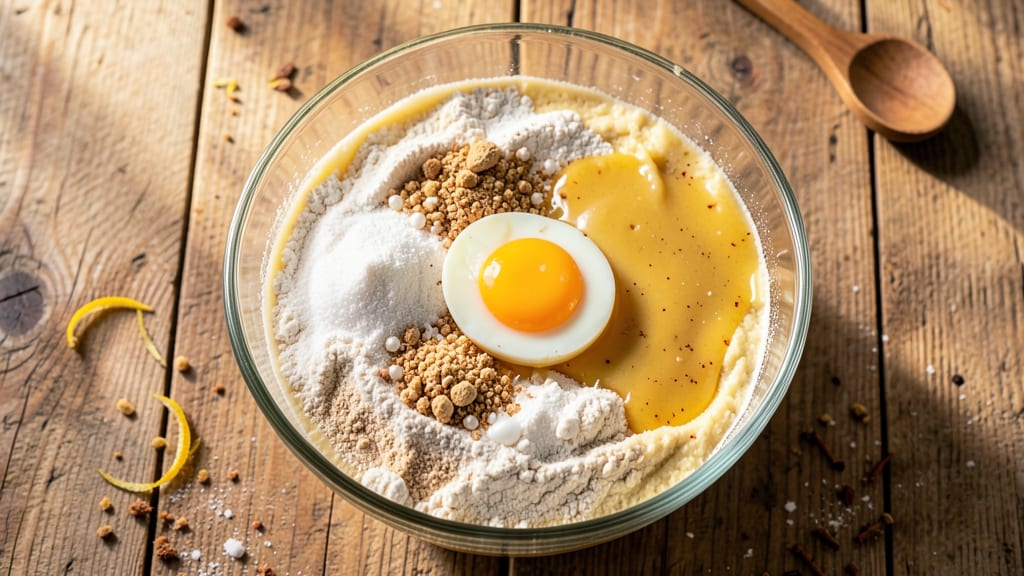
This American pancake mix recipe delivers foolproof fluffy stacks without the measuring chaos—just toss, stir, and cook. The secret lies in a precise dry mix ratio that balances baking powder and buttery richness, while the wet ingredients create that signature tender crumb.
I've perfected this over years of weekend breakfasts, and it never fails to impress, even with picky eaters.
The beauty of this recipe is its simplicity: five dry ingredients combine to form your base mix, which you'll store for quick weekdays or lazy Sundays. When ready, just whisk in wet ingredients—no sifting, no fuss—and cook on medium heat for perfectly golden pancakes.
The batter's light consistency means no lumps, and the pancakes develop that classic dome shape with crisp edges and fluffy centers.
What you'll end up with is a stack of restaurant-quality pancakes that's ready in under 20 minutes. The flavor is pure comfort food—slightly sweet, buttery, and perfectly balanced. These pancakes hold their shape beautifully for stacking, and they absorb syrup like a dream.
Whether you're feeding a family or treating yourself to a weekend indulgence, this recipe delivers every time.
Serve with classic toppings like maple syrup, fresh berries, or whipped cream for the full American breakfast experience. The mix keeps well in an airtight container for weeks, making it perfect for meal prep. Let's get started on those perfect pancakes!
Ingredients for american pancake mix
Five dry staples plus three wet essentials—this mix transforms into golden pancakes effortlessly.
| Ingredient | Amount | Notes |
|---|---|---|
| All-Purpose Flour 🌾 | 1 ½ cups | Sifted for light texture |
| Granulated Sugar 🍚 | ½ cup | White or light brown |
| Baking Powder 🧂 | 2 tbsp | Double-acting preferred |
| Salt 🧂 | ½ tsp | Fine sea salt |
| Unsalted Butter 🧈 | ½ cup | Cold, cubed for even mixing |
| Large Eggs 🥚 | 2 whole | Room temperature |
| Milk 🥛 | 1 ¼ cups | Whole milk preferred |
| Pure Vanilla Extract 🌿 | 1 tbsp | High-quality for flavor |
| Maple Syrup 🍁 | 2 tbsp | For serving, optional |
The baking powder is non-negotiable here—double-acting ensures both leavening phases work. King Arthur or Bob's Red Mill brands are ideal for their consistent quality. For the flour, sift before measuring to prevent lumps in your batter. The unsalted butter should be cold and cubed—this creates pockets of richness without melting prematurely. Store-bought butter works fine, but European-style has higher fat content for extra tenderness. If you're using a mix with lower fat, add an extra tablespoon of milk to compensate.
No baking powder? 1.5 tbsp baking soda plus 1 tbsp cream of tartar mimics its double-action. Whole milk unavailable? Evaporated milk or buttermilk add tanginess, but 2% milk works in a pinch. The vanilla extract can be swapped for almond extract (use half the amount) or vanilla bean paste for a more intense flavor. For a gluten-free version, replace the flour with a 1:1 gluten-free blend—just note the texture will be slightly denser. The maple syrup is purely for serving, but a drizzle of honey or agave nectar works equally well if preferred.
The dry mix keeps indefinitely in an airtight container at room temperature—freeze for long-term storage if you're not using it within a few weeks. Once combined with wet ingredients, the batter should rest for 10 minutes before cooking for optimal fluffiness. Portion into ice cube trays for single pancakes if you prefer smaller servings. Leftover pancakes reheat beautifully in a toaster or air fryer—just 2-3 minutes at 350°F to restore crispness.
Why You'll Love This Recipe
- Five-Ingredient Magic: I swear by this mix—just flour, sugar, baking powder, salt, and butter. No weird substitutes, no measuring chaos. Honestly, I keep the dry stuff in a jar and melt the butter fresh; that’s it.
- Golden Crisp Secrets: That sugar-butter combo? It delivers a caramelized edge with every bite. I’ll be real: I’ve tried store-bought, but these stack higher and stay fluffy longer—no sad, gummy pancakes here.
- Breakfast for Any Day: Weekday mornings? Check. Brunch with friends? Double batch. Even my kid’s soccer picnic gets these—just swap the syrup for honey if you’re feeling fancy. The mix works everywhere.
- Leftovers That Don’t Suck: No one skips seconds with these. I freeze extras as stacks, then reheat in a toaster—crispy outside, warm inside. And because it’s just pantry staples, I never overpay for a bag of mix that’s half expired.
Step-by-step instructions for American pancake mix
Here's the method for light, fluffy pancakes that rise perfectly every time.
Prepare the Dry Ingredients
In a large mixing bowl, combine the 1.5 cups All-Purpose Flour, 0.5 cup Granulated Sugar, 2 tbsp Baking Powder, and 0.5 tsp Salt. Use a whisk to thoroughly blend these ingredients until no dry spots remain—this ensures even distribution throughout the batter. I like to sift the flour first for a lighter texture, but if you don't have a sifter, simply stir vigorously with a fork to break up any lumps.
The baking powder is crucial here—it's what creates those signature air pockets that make pancakes light and fluffy. Double-acting baking powder works best because it reacts both when wet and when heated, giving you maximum rise. Don't skip this step, even if it seems tedious—proper mixing at this stage makes all the difference in the final texture.
Cut in the Cold Butter
Add the 0.5 cup Unsalted Butter, cut into small cubes, to the dry ingredients. Using a pastry cutter or your fingers, work the butter into the flour mixture until it's evenly distributed with pea-sized butter pieces remaining. The butter should be cold to prevent melting into the flour, which would create a dense batter instead of fluffy pancakes.
Here's a pro tip: I press down gently on the butter pieces with my fingers to ensure they're fully coated with flour. This prevents them from clumping together during mixing. The goal is to create a crumbly texture that will distribute evenly when the wet ingredients are added. If you see any large butter clumps, break them apart with your fingers or a fork.
Add Wet Ingredients and Mix Just Until Combined
Create a well in the center of the dry mixture and add the 2 whole Large Eggs, 1.25 cups Milk, and 1 tbsp Pure Vanilla Extract. Using a spatula, gently fold the wet ingredients into the dry ingredients, mixing just until everything is combined—you should still see some flour streaks. Overmixing develops gluten, which makes pancakes tough instead of tender.
The batter should be thick but pourable, similar to heavy cream. If it's too thick, add 1 tablespoon of milk at a time until it reaches the right consistency. Remember, the batter will thicken slightly as it rests, so don't add too much liquid. This step is where many home cooks go wrong—they mix too vigorously, which leads to dense pancakes. Be gentle and patient.
Rest the Batter for Optimal Results
Allow the batter to rest for 10-15 minutes at room temperature. This resting period lets the baking powder fully hydrate and the flour fully absorb the liquid, resulting in pancakes with better texture and rise. I know it's tempting to skip this step and get straight to cooking, but trust me—it makes a noticeable difference in the final product.
While the batter rests, preheat your griddle or nonstick skillet over medium heat. You want the surface to be hot enough to create a golden-brown crust without burning the pancakes. The ideal temperature is when a drop of water sizzles and dances on the surface. This is the perfect heat for achieving that classic American pancake texture—tender inside with crispy edges.
Cook the Pancakes to Golden Perfection
Pour ¼ cup portions of batter onto the preheated griddle, spacing them about 2 inches apart. Cook until bubbles form on the surface of the pancakes, which typically takes 2-3 minutes. This is your signal that the pancakes are ready to flip—don't wait too long, or they'll become dense.
Flip the pancakes carefully with a spatula and cook for another 1-2 minutes until the second side is golden brown. The pancakes should be cooked through but still slightly soft in the center—they'll continue cooking as they transfer to a plate. Serve immediately with the 2 tbsp Maple Syrup while they're warm for the best experience. These pancakes will be light, fluffy, and perfectly golden—just like from your favorite diner.
Pro Tips For Making American Pancake Mix
- MELT THE BUTTER FIRST: Mixing cold butter into dry flour creates clumps that won’t dissolve properly. Warm the butter to 90°F (32°C)—just until it softens but doesn’t melt—then cut it into the flour with a pastry cutter or your fingers until it resembles coarse crumbs. This ensures even distribution without turning your batter greasy or lumpy.
- WEIGH YOUR FLOUR: Scooping flour from the bag packs it too tightly, leading to dense pancakes. Use a kitchen scale for precision—1 cup of all-purpose flour actually weighs about 125 grams. If you must measure by volume, spoon it lightly into the cup and level it off with a knife. Your pancakes will rise higher when the ratios are spot-on.
- LET THE BATTER REST: Stirring the wet and dry ingredients together immediately can trigger the baking powder too soon. After combining everything, let the batter sit for 10 minutes before cooking. This gives the flour time to fully hydrate and the leavening to activate evenly—your first pancake won’t be a sad, flat disappointment.
- USE A LIGHT HAND WITH SUGAR: Too much sugar (or packing it down) makes pancakes gummy and slow to cook. Measure it by volume, then fluff it with a fork to aerate. A gentle fold into the batter keeps the texture tender without overpowering the buttery richness. If your mix calls for 1 cup, don’t eyeball it—stick to the recipe unless you’re aiming for a dessert pancake.
Essential equipment for perfect results
Griddle Essentials
The heart of perfect pancakes is your cooking surface. I swear by a cast iron griddle like the Lodge 12-inch—its heavy weight maintains even heat distribution, and the natural nonstick surface improves with use.
For beginners, a nonstick electric griddle (like the Cuisinart GR-4N) offers easier temperature control and cleanup. Always preheat your griddle for 3-5 minutes on medium heat before cooking—this ensures proper browning and prevents sticking. 🔥
Mixing Tools
A whisk and rubber spatula are your best friends for mixing. I use a OXO Good Grips whisk for blending dry ingredients and a silicone spatula for folding in wet ingredients—its flexibility helps scrape every bit of batter from the bowl.
For cutting butter into flour, a pastry cutter works best, but two forks in a crisscross motion do the trick. Avoid metal utensils when mixing wet ingredients to prevent overdevelopment of gluten.
Measuring Accuracy
Precision matters, especially with baking powder and butter. Invest in a digital kitchen scale for dry ingredients—it's more accurate than volume measurements. For the butter, I measure by weight (113g for ½ cup) to ensure consistency.
A liquid measuring cup with clear markings helps for the milk and eggs. Pro tip: Use the spoon-and-level method for flour—don't scoop directly from the bag, as it packs differently.
Heat Control Tools
An infrared thermometer (like the Thermoworks IR Thermometer) lets you monitor griddle temperature precisely—aim for 350-375°F. For electric griddles without temperature gauges, I use the water test: flick a drop of water onto the surface—it should sizzle and evaporate instantly.
A heat-resistant silicone spatula helps flip pancakes without burning yourself, especially when the griddle is hot.
Optional Upgrades
For extra fluffiness, consider a pancake batter rest timer (like the OXO Good Grips) to remind you when your batter needs its 10-minute rest. A batter dispenser (like the Cuisinart) makes portioning easier, especially for beginners.
For serving, a pancake warmer keeps stacks hot while you cook the rest. These aren't essential, but they elevate the experience—especially on busy mornings. ✨
Nutrition facts
Frequently asked questions
Can I make this pancake mix ahead of time?
The dry mix keeps perfectly in an airtight container at room temperature for up to 3 months. For longer storage, freeze the mix in portions for quick weekday breakfasts. The wet ingredients should always be added fresh before cooking for best results.
Why did my pancakes turn out dense instead of fluffy?
Overmixing the batter develops gluten, making pancakes tough. Mix just until combined—you should still see flour streaks. Also ensure your baking powder is fresh (test with a small batch) and don't skip the 10-minute rest before cooking. Cold butter is key too!
Can I substitute milk with something else?
Yes! Use evaporated milk (add 1 tbsp water per cup) or buttermilk for tangy flavor. For dairy-free options, try almond milk or oat milk—just add 1 extra tbsp of milk since plant milks are thinner. The batter may be slightly thinner, but cooking times stay the same.
How do I make smaller or larger batches?
For smaller batches, halve all ingredients (including wet). For larger batches, double everything—just ensure your mixing bowl is large enough. Keep the 1:3 ratio of dry to wet ingredients (e.g., 1.5 cups dry to 1.25 cups wet) for perfect texture.
What's the best way to reheat leftover pancakes?
For crispy edges, use a toaster or air fryer at 350°F for 2-3 minutes. To keep them soft, warm in a skillet over low heat with a splash of milk. Microwaving works in a pinch (30 seconds), but pancakes lose crispness. Always reheat covered to maintain moisture!