Desserts
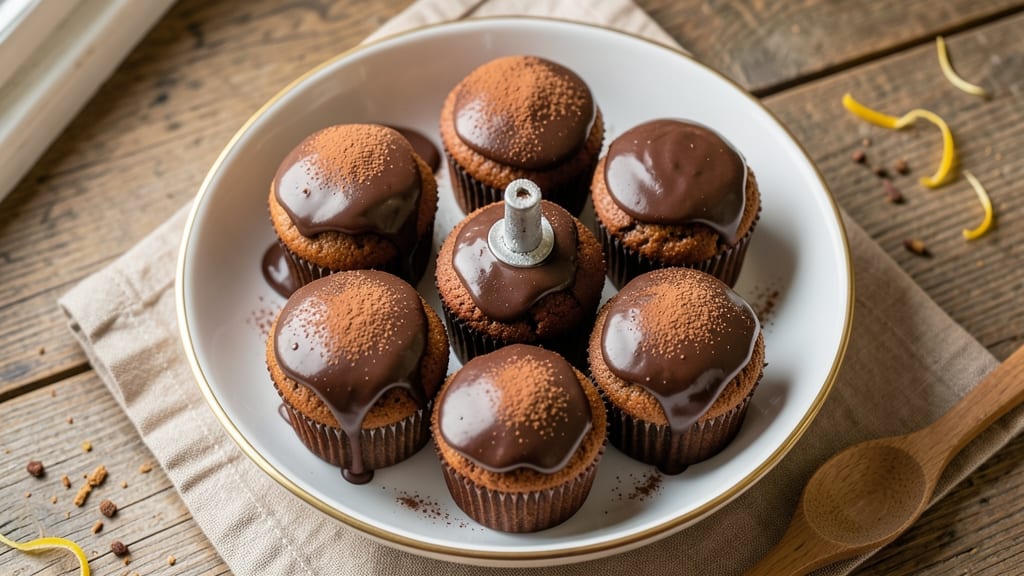
America's Test Kitchen chocolate cupcakes deliver the perfect balance of moist centers and velvety frosting—a recipe so precise it rivals bakery quality. The secret lies in precise ingredient ratios and baking techniques that prevent dryness while ensuring a tender crumb.
This isn't just another chocolate cupcake recipe; it's a methodical approach to achieving foolproof results every time.
The foundation begins with a carefully measured batter that incorporates melted butter and buttermilk for moisture without compromising structure. Brown sugar adds depth of flavor while keeping the cupcakes tender, and the baking time is timed to perfection to ensure a golden dome with a crackly top.
The frosting, made with a blend of butter and cream cheese, creates that signature velvety texture that makes these cupcakes irresistible.
What sets these apart is the attention to detail—from the exact oven temperature to the proper cooling method before frosting. The result is a cupcake with a rich chocolate flavor, a moist interior that melts in your mouth, and a frosting so smooth it feels like a luxurious treat.
This recipe isn't just about baking; it's about mastering the science behind the perfect cupcake.
Whether you're baking for a special occasion or simply craving a decadent dessert, these cupcakes will impress. The method is straightforward but requires precision, making it ideal for both beginners eager to learn and experienced bakers looking to refine their skills.
Let's get started on creating cupcakes that taste like they came from a professional kitchen.
Ingredients for america's test kitchen chocolate cupcake
Precision-measured ingredients create bakery-quality cupcakes with moist centers and velvety frosting every time.
| Ingredient | Amount | Notes |
|---|---|---|
| Unsalted Butter 🧈 | 1 cup | Melted, cooled to 110°F |
| Granulated Sugar 🍚 | 1 ½ cups | Standard white sugar |
| Light Brown Sugar 🍚 | ½ cup | Packed, for moisture |
| Buttermilk 🥛 | 1 cup | Room temperature preferred |
| Large Eggs 🥚 | 2 whole | Room temperature |
| All-Purpose Flour 🌾 | 1 ½ cups | Sifted, spooned and leveled |
| Natural Cocoa Powder 🍫 | ½ cup | Dutch-process preferred |
| Baking Soda 🧂 | ½ tsp | Pure, not baking powder |
| Salt 🧂 | ½ tsp | Diamond Crystal preferred |
| Vanilla Extract 🌿 | 1 tbsp | Pure vanilla extract |
| Hot Water 💧 | ½ cup | Freshly boiled |
| Semisweet Chocolate Chips 🍫 | 1 ½ cups | High-quality chips |
| Cream Cheese 🧀 | 8 oz | Room temperature |
| Powdered Sugar 🍚 | 3 cups | Sifted for smoothness |
| Heavy Cream 🥛 | ½ cup | Cold, whipped |
The butter and sugars form the foundation—European-style unsalted butter adds richness, while the brown sugar ensures moisture without compromising structure. America's Test Kitchen recommends Land O'Lakes or Plugrá for consistent results. For the cocoa powder, Dutch-process varieties like Hershey's Special Dark dissolve smoothly without bitterness. The buttermilk should be room temperature to blend seamlessly into the batter. Pro tip: Measure your flour with a kitchen scale for accuracy—spooning and leveling can vary by 20 grams per cup. Chocolate chips should be high-quality—Ghirardelli or Guittard brands melt evenly without seizing.
No buttermilk? Substitute with 1 cup milk plus 1 tbsp vinegar or lemon juice, let sit 5 minutes. Dutch-process cocoa unavailable? Natural cocoa plus 1/8 tsp baking soda mimics the flavor profile. For a richer frosting, add 1 tbsp melted butter to the cream cheese mixture. The hot water activates the baking soda for optimal rise—don't skip this step. If your powdered sugar clumps, sift it through a fine-mesh sieve for a flawless finish. For a deeper chocolate flavor, replace 1/4 cup of the powdered sugar with cocoa powder in the frosting.
Batter holds for 24 hours in the fridge—whisk vigorously before baking. Frosting components should be mixed 30 minutes before serving to allow flavors to meld. Store unfrosted cupcakes in an airtight container with parchment between layers for up to 3 days. For long-term storage, freeze unfrosted cupcakes for 3 months—thaw at room temperature before frosting. The frosting can be made 2 days ahead; refrigerate and re-whip before use. Always bring components to room temperature for optimal texture—cold butter creates dense cupcakes, while cold cream cheese yields lumpy frosting.
Why You'll Love This Recipe
- No-Fuss Mixing: I swear by this recipe’s creaming method—just butter, sugars, and eggs. No sifting, no folding, no stress. The brown sugar keeps things rich without overworking the batter, and buttermilk adds that perfect tender crumb with zero fuss.
- Rich Without Overpowering: That combo of granulated and brown sugar? It’s the secret. The butter melts into a velvety texture, while the buttermilk balances the sweetness so every bite feels indulgent, not cloying. (Yes, even my picky nephew agrees.)
- Party-Proof Perfection: These cupcakes freeze like a dream—bake a batch, store them, and pull them out for birthdays, showers, or just because. The frosting (if you add it) stays smooth, and the texture holds up. No last-minute baking panic here.
- Budget-Friendly Luxury: Butter and sugar might sound fancy, but this recipe uses them efficiently—no wasted ingredients, no fancy shortcuts. Plus, the buttermilk stretch goes further than store-bought mix. Fancy dessert for half the cost? Done.
Step-by-step instructions for america's test kitchen chocolate cupcakes
Mastering these cupcakes requires precision—every step ensures that moist center and velvety frosting.
Prepare the Cake Batter
Preheat your oven to 350°F and line two 12-cup muffin tins with cupcake liners. In a medium saucepan, melt the 1 cup unsalted butter over low heat, then remove from heat and let it cool to 110°F. This temperature ensures proper emulsification with the eggs later.
In a large mixing bowl, whisk together the 1.5 cups granulated sugar and 0.5 cup light brown sugar until evenly combined. Add the cooled butter and mix until fully incorporated. In a separate bowl, combine the 1 cup buttermilk, 2 whole large eggs, and 1 tbsp vanilla extract. Gradually pour this mixture into the sugar-butter blend, whisking constantly to create a smooth batter.
Combine Dry Ingredients and Fold in Chocolate
In a separate bowl, sift together the 1.5 cups all-purpose flour, 0.5 cup natural cocoa powder, 0.5 tsp baking soda, and 0.5 tsp salt. Gently fold this dry mixture into the wet ingredients using a spatula, mixing just until no dry spots remain. Avoid overmixing—this keeps the cupcakes tender.
Pour in the 0.5 cup hot water and fold it in, then stir in the 1.5 cups semisweet chocolate chips by hand. The heat from the water activates the baking soda, ensuring a lift without bitterness. The chocolate chips will distribute evenly, promising pockets of rich flavor in every bite.
Bake to Perfect Doneness
Divide the batter evenly among the prepared cupcake liners, filling each about two-thirds full. Bake in the preheated oven for 18-20 minutes, or until a toothpick inserted into the center comes out with a few moist crumbs but no wet batter. Overbaking dries out the cupcakes, so watch closely—especially after 16 minutes.
Let the cupcakes cool in the pan for 5 minutes, then transfer them to a wire rack to cool completely. This gradual cooling prevents cracking and ensures a stable structure for frosting. The centers should remain moist but set—never gummy or undercooked.
Whip the Cream Cheese Frosting
In a medium bowl, beat the 8 oz cream cheese with an electric mixer on medium speed until smooth. Gradually add the 3 cups powdered sugar, mixing until fully incorporated. In a separate bowl, whip the 0.5 cup heavy cream to stiff peaks, then gently fold it into the cream cheese mixture.
This frosting must be light and airy—if it’s too thick, add 1-2 teaspoons milk to reach a pipeable consistency. The cold cream cheese ensures stability, while the whipped cream adds lift. Chill the frosting for 30 minutes before piping to achieve that signature velvety texture.
Assemble and Serve
Pipe or spread the chilled frosting onto the cooled cupcakes, covering them completely. For a professional finish, use a piping bag with a star tip to create swirls. Serve immediately for the best texture—frosting softens slightly at room temperature, enhancing its creaminess.
The result? Cupcakes with a moist, fudgy interior and a frosting so light it melts in your mouth. The secret lies in the precise balance of ingredients and technique—every step is critical to achieving this signature America's Test Kitchen quality.
Pro Tips For Making America'S Test Kitchen Chocolate Cupcake
- SALT THE BUTTERMILK: The recipe calls for unsalted butter, so skip adding salt to the buttermilk—unless you’re using salted. I learned this the hard way when my cupcakes tasted flat because the salt in the buttermilk canceled out the rich chocolate flavor. Just mix the buttermilk and vinegar (or lemon juice) first, let it sit for 5 minutes, and move on.
- CREAM BUTTER AND SUGARS LOW: Don’t rush the butter-sugar mix—beat it on medium speed for 3-4 minutes until light and fluffy, not just combined. I used to crank it up high and end up with a greasy mess. The butter needs time to emulsify with the sugars, or your cupcakes will turn out dense. Patience here makes all the difference.
- DON’T OVERMIX THE BATTER: Once you fold in the dry ingredients, stop mixing as soon as everything’s just incorporated. Overmixing develops gluten, and your cupcakes will turn out tough instead of tender. The recipe’s yield is precise—trust that the batter will look slightly lumpy, and that’s exactly how it should be.
- CHILL THE BATTER 30 MINUTES: If your kitchen’s warm, give the batter a 30-minute rest in the fridge before baking. This lets the flour absorb moisture and prevents domed tops or uneven baking. I was skeptical until I tried it—now I never skip it, especially in summer. Just pop the bowl back out 10 minutes before baking to avoid cold centers.
Wine and beer pairings for this recipe
Red Wine Pairings
A bold red wine like Cabernet Sauvignon from Napa Valley or a Pinot Noir from Oregon complements the rich chocolate flavor beautifully. The tannins in Cabernet cut through the sweetness of the frosting, while the earthy notes of Pinot Noir enhance the cocoa's depth.
I love a medium-bodied Cabernet with 14-15% ABV—it’s robust enough to stand up to the cupcakes without overpowering them. 🍷
White Wine Options
For those who prefer white wine, a Chardonnay with noticeable oak aging works surprisingly well. Look for a California Chardonnay with buttery notes to mirror the frosting’s creaminess.
Alternatively, a dry Riesling from Germany adds a citrusy contrast that brightens the chocolate’s intensity. Avoid sweet whites—they’ll clash with the cupcakes’ richness.
Beer Pairings
A stout beer like Guinness or Samuel Smith’s Oatmeal Stout pairs wonderfully with chocolate cupcakes. The roasted malt flavors and slight bitterness create a harmonious balance with the sweet frosting.
For a lighter option, try a Belgian-style witbier like Hoegaarden—its coriander and citrus notes cleanse the palate between bites. 🍺
Non-Alcoholic Choices
Don’t overlook non-alcoholic options! A sparkling apple cider with a hint of cinnamon enhances the cupcakes’ warmth, while a chocolate milk (made with 2% milk) feels nostalgic and pairs perfectly. For something more sophisticated, try a sparkling pomegranate juice—its tartness cuts through the sweetness elegantly.
Pro Pairing Tips
Serve wine or beer slightly chilled—45-50°F for reds and 40-45°F for whites—to preserve their flavors. Pair with a small dessert spoon for easy tasting, and offer both sweet and dry options to accommodate different preferences.
I always keep a glass of cold water on hand to reset the palate between bites. ✨
Nutrition facts
Frequently asked questions
Why does America's Test Kitchen use both granulated and brown sugar?
The combination creates the perfect balance: granulated sugar provides structure and sweetness, while brown sugar adds moisture and depth of flavor. The molasses in brown sugar also enhances the chocolate's richness, preventing dryness in the final cupcake. This ratio is key to achieving that signature moist center.
Can I make these cupcakes without buttermilk?
Substitute with 1 cup milk plus 1 tablespoon vinegar or lemon juice, let it sit for 5 minutes until thickened. The acidity activates the baking soda properly, just like buttermilk. For extra richness, use whole milk instead of 2%. This swap won't affect the final texture at all.
How do I fix cupcakes that came out dry?
Dry cupcakes usually result from overbaking or insufficient moisture. Next time, check for a toothpick with moist crumbs at 18-20 minutes. For immediate fixes, brush warm cupcakes with simple syrup (equal parts sugar and water) or add a thin layer of ganache between frosting layers. The cream cheese frosting also helps restore moisture.
Is this recipe gluten-free?
Not naturally, but you can adapt it! Replace the 1.5 cups all-purpose flour with a 1:1 gluten-free baking flour blend (like Bob's Red Mill) plus 0.5 teaspoon xanthan gum. Note that gluten-free versions may be slightly denser—reduce baking time by 2 minutes and check doneness early. The frosting remains unchanged.
How can I make these cupcakes ahead of time?
Bake cupcakes up to 2 days ahead and store them in an airtight container with parchment between layers. For longer storage, freeze unfrosted cupcakes for 3 months—thaw at room temperature before frosting. The frosting can be made 2 days ahead; refrigerate and re-whip before use. Never frost cupcakes before freezing—the frosting will melt.