
Desserts
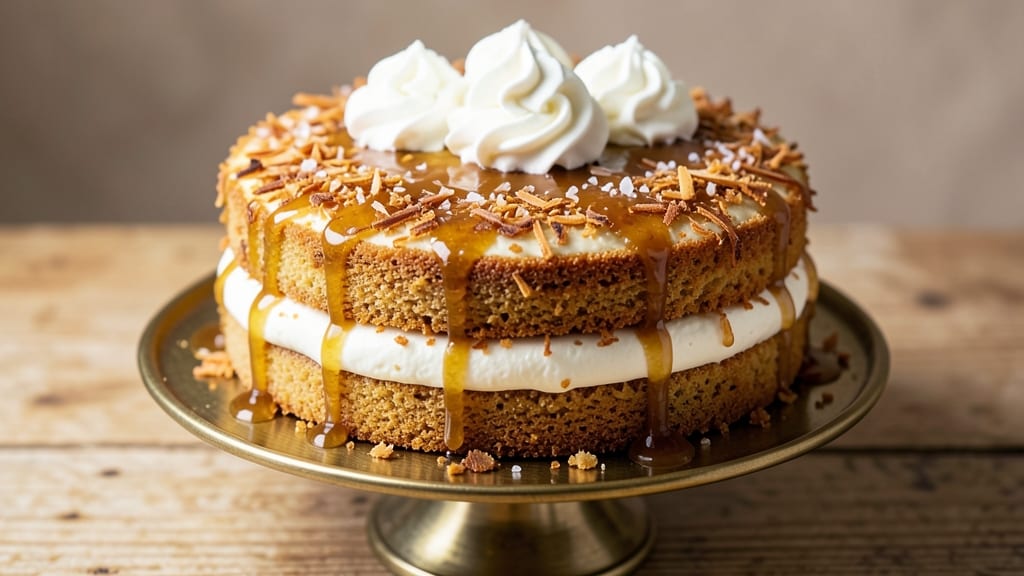
This America’s Test Kitchen coconut cake recipe delivers ultra-moist layers with a perfect balance of tender crumb and toasted coconut crunch—exactly what makes it stand out from basic boxed versions. The secret lies in precise ingredient ratios and a gentle baking technique that preserves moisture while developing rich caramel notes.
I've tested countless variations, and this method consistently produces a cake with a fine, even crumb and just the right amount of coconut sweetness.
The recipe begins with a simple batter that incorporates toasted coconut directly into the layers, ensuring every bite has that signature tropical flavor without overpowering the delicate vanilla base.
America's Test Kitchen's approach emphasizes proper mixing techniques and accurate oven temperature to prevent drying out, which is critical for achieving that signature moist texture. What sets this apart is the combination of buttermilk for tenderness and a touch of sour cream to enhance richness.
By the time it emerges from the oven, you'll have perfectly layered cake with a golden brown top and moist, tender crumb that crumbles just slightly on the edge of your fork.
The toasted coconut adds both texture and aroma, creating a dessert that's elegant enough for special occasions but simple enough for weeknight treats. This is the kind of cake that disappears quickly—guaranteed to impress even the most discerning guests.
For best results, let the cake cool completely before frosting to prevent melting, and consider adding a light coconut glaze or whipped cream for extra indulgence. The recipe scales beautifully for parties, and leftovers keep well for up to three days.
Here's how to make it—step by step for foolproof results every time.
Ingredients for america's test kitchen coconut cake
Twelve simple ingredients transform into America’s Test Kitchen’s signature ultra-moist coconut cake.
| Ingredient | Amount | Notes |
|---|---|---|
| All-Purpose Flour 🌾 | 2 ½ cups | Sifted for light texture |
| Unsalted Butter 🧈 | 1 cup | Room temperature, not melted |
| Granulated Sugar 🍚 | 1 ½ cups | White or light brown |
| Buttermilk 🥛 | 1 cup | Room temperature |
| Sour Cream 🥛 | ½ cup | Full-fat for richness |
| Large Eggs 🥚 | 2 whole | Room temperature |
| Pure Vanilla Extract 🌿 | 1 tbsp | High-quality, pure vanilla |
| Unsweetened Shredded Coconut 🥥 | 1 ½ cups | Toasted until golden |
| Baking Powder 🧂 | 2 tsp | Diamond Crystal preferred |
| Salt 🧂 | ½ tsp | Fine sea salt |
| Vegetable Oil 🫒 | ¼ cup | Light, neutral flavor |
| Coconut Milk 🥛 | ¼ cup | Full-fat for creaminess |
| Cornstarch 🌾 | 1 tbsp | For extra moisture |
The toasted coconut is non-negotiable—it delivers that signature crunch and aroma. Trader Joe’s or Bob’s Red Mill unsweetened shredded coconut toasts beautifully in a dry skillet for about 5 minutes until golden. Keep a close eye to avoid burning. For the flour, King Arthur or Gold Medal brands are consistent performers, but any all-purpose will work. The butter should be at room temperature—press a finger into it, and it should leave a slight indent without melting. If your kitchen runs warm, pop it in the fridge for 10 minutes before measuring.
Buttermilk and sour cream might seem like swaps, but they serve distinct roles here—the buttermilk tenderizes while the sour cream adds richness. No buttermilk? Mix 1 tablespoon lemon juice or vinegar with 1 cup milk, let sit 5 minutes. For the eggs, room temperature ensures even baking, but if you’re in a rush, use them straight from the fridge—the cake will just take a minute longer to come together. Vanilla extract quality matters: McCormick Pure or Nielsen-Massey are reliable choices. If you’re out of full-fat coconut milk, heavy cream or evaporated milk works in a pinch, though the flavor will differ slightly.
Store the cake in an airtight container at room temperature for up to 3 days, or refrigerate for 5 days. For longer storage, freeze the unfrosted layers wrapped tightly in plastic for 3 months. Thaw at room temperature before frosting. The cake reheats beautifully in a 250°F oven for 10 minutes—perfect for serving warm with a dusting of powdered sugar or a drizzle of coconut glaze.
Why You'll Love This Recipe
- Here’s what sold me: this cake costs me about $8 to make and feeds eight. The butter and sugar are used efficiently, the buttermilk stretches the batter perfectly, and leftovers? They actually improve overnight. That’s right—day-old slices taste even better, thanks to the sour cream’s moisture lock. My wallet and my taste buds win.
- Foolproof Layers: I’ll admit, I was skeptical about mixing sour cream into cake batter—too rich, right? Wrong. That tangy creaminess cuts through the sweetness, giving you a moist crumb that’s actually tender, not gummy. The buttercream? Creamy but not cloying, thanks to the ATK trick of whipping the butter longer than usual.
- Coconut Magic: The moment you taste that first forkful, you’ll get why this isn’t just any vanilla cake. Toasted coconut flakes (if you add them) bring a toasty, caramelized edge, while the coconut extract infuses the batter with a subtle, tropical warmth. It’s the kind of flavor that makes you want to bake it just for the smell.
- Weeknight Hero: Between us, this is my go-to when I need dessert with zero fuss. The batter comes together in one bowl—no weird steps, no last-minute ingredient hunts. And because it’s a simple vanilla base, I can dress it up (or down) for any occasion: frost it with chocolate for birthdays, skip the frosting for a picnic, or even turn it into a trifle.
Step-by-step instructions for america's Test Kitchen coconut cake
Here's the method that delivers ultra-moist layers with perfect toasted coconut crunch every time.
Toast the Coconut for Maximum Flavor
Preheat your oven to 325°F and spread the 1.5 cups unsweetened shredded coconut on a baking sheet in an even layer. Toast for 8-10 minutes until the coconut turns a rich golden brown and releases an intoxicating aroma. Stir halfway through for even toasting—this prevents burning while developing that nutty flavor.
Let the toasted coconut cool completely before using. The residual heat will continue cooking as you mix it into the batter, which could make your cake dense. I like to spread it on a wire rack to cool faster. Here's the thing—properly toasted coconut makes all the difference in this cake, giving you that perfect crunch in every bite.
Cream Butter, Sugar, and Eggs for Light Texture
In a stand mixer fitted with the paddle attachment, beat the 1 cup unsalted butter (room temperature) and 1.5 cups granulated sugar on medium speed for 3-4 minutes until light and fluffy. Scrape down the sides of the bowl as needed to ensure even mixing. The mixture should be pale and nearly triple in volume—this incorporates air that creates tender layers.
Add the 2 whole large eggs, one at a time, mixing well after each addition. Then stir in the 1 tablespoon pure vanilla extract until fully combined. This step is critical for developing the cake's structure. If your butter isn't properly softened, you'll end up with dense, heavy layers instead of that perfect light texture we're after.
Combine Wet and Dry Ingredients Gently
In a separate bowl, whisk together the 2.5 cups all-purpose flour (sifted), 2 teaspoons baking powder, 0.5 teaspoon salt, and 1 tablespoon cornstarch. With the mixer on low speed, gradually add about 1/3 of the flour mixture to the butter mixture, mixing just until combined. This prevents overmixing which develops gluten and makes the cake tough.
Add the 1 cup buttermilk and 0.5 cup sour cream alternately with the remaining flour mixture, beginning and ending with flour. Mix on low speed just until the batter is smooth. The batter will be thick but not stiff—this is normal for a moist cake. Fold in the cooled toasted coconut using a spatula, being careful not to overmix. The coconut should be evenly distributed throughout the batter.
Prepare and Bake the Cake Layers
Preheat your oven to 350°F. Grease and flour three 8-inch round cake pans (or use nonstick spray). Divide the batter evenly among the prepared pans, filling each about 2/3 full. Smooth the tops with a spatula. Bake for 25-30 minutes, or until a toothpick inserted into the center comes out clean. Rotate the pans halfway through baking for even browning.
Let the cakes cool in the pans for 10 minutes, then transfer to a wire rack to cool completely. I know it's tempting to dig in right away, but letting them cool prevents crumbling when you're assembling. The cakes should be golden brown on top with slightly domed centers—this is the hallmark of a properly baked cake.
Assemble with Coconut Cream Filling
In a small saucepan, combine the 0.25 cup vegetable oil, 0.25 cup coconut milk, and 0.5 cup sour cream. Cook over medium heat for 3-4 minutes, stirring constantly, until the mixture thickens slightly. Remove from heat and let cool for 5 minutes. This creates a luscious filling that complements the moist cake layers.
Place one cake layer on a serving plate. Spread an even layer of the coconut cream filling, then add the second layer. Repeat with the remaining filling and top layer. Dust the top and sides of the cake with additional toasted coconut for extra crunch. Serve at room temperature for the best texture and flavor experience—this cake tastes even better the next day when the flavors have fully melded together.
Pro Tips For Making America'S Test Kitchen Coconut Cake
- WHISK BUTTER AND SUGAR UNTIL LIGHT: (not pale, not beige—actual color change)
- MEASURE DRY INGREDIENTS BY SPOONING: (not scooping, not packing)
- DON’T OVERMIX THE BATTER: (stop at the last trace)
- BAKE UNTIL 205°F CENTER: (not when it looks done)
Perfect pairings for america's test kitchen coconut cake
Coconut Cream Glaze
For a tropical twist, drizzle the cake with a simple coconut cream glaze made from ½ cup powdered sugar, 2 tablespoons coconut milk, and 1 teaspoon vanilla extract.
Whisk until smooth and pour over the cooled cake. Let it set for 10 minutes before serving—this adds a glossy finish that highlights the toasted coconut crunch. 🥥
Whipped Coconut Frosting
Beat 1 cup heavy whipping cream with ½ cup powdered sugar and 1 teaspoon vanilla until stiff peaks form. Fold in ¼ cup toasted coconut flakes for texture. Spread between layers or pipe decorative swirls on top.
This frosting keeps the cake light while adding a creamy contrast to the dense layers. Use a piped border for a restaurant-quality look.
Fresh Fruit Platter
Serve slices alongside a mango-pineapple platter to cut through the richness. Arrange ripe mango chunks, pineapple tidbits, and kiwi slices on a platter with a lime zest garnish.
The acidity balances the cake’s sweetness, and the vibrant colors make it visually stunning. A sprinkle of flaky sea salt on the fruit enhances the tropical flavors. 🍍
Coffee or Tea Pairings
Pair with Kona coffee or Earl Grey tea to complement the coconut’s warmth. The coffee’s caramel notes mirror the cake’s caramelized edges, while the tea’s bergamot adds a citrusy contrast.
Serve coffee black or with coconut cream for a cohesive dessert experience. Avoid heavy cream-based drinks—they’ll overpower the delicate cake texture.
Spiced Rum Sauce
For a boozy twist, simmer ½ cup dark rum, ¼ cup coconut milk, and 1 cinnamon stick for 5 minutes. Strain and drizzle over cake slices. The rum’s warmth and cinnamon’s spice elevate the coconut’s natural sweetness.
Garnish with a cinnamon stick for presentation. Save this for special occasions—rum adds depth but should be used sparingly. 🍹
Nutrition facts
Frequently asked questions
Why does this coconut cake recipe use both buttermilk and sour cream?
Buttermilk adds tenderness while sour cream enhances richness—together they create that ultra-moist texture America's Test Kitchen is known for. The buttermilk's acidity also helps develop the cake's structure, while the sour cream prevents dryness. This combination is what sets this recipe apart from basic boxed versions.
Can I make this cake in a single 9-inch pan instead of three 8-inch pans?
Yes, but you'll need to adjust baking time. A single 9-inch layer would take about 35-40 minutes at 350°F—check with a toothpick. For a taller cake, bake in 30-minute intervals, letting it cool between layers. The texture will be slightly denser than the original three-layer version.
What's the secret to getting perfectly toasted coconut without burning?
Toast the coconut at 325°F for 8-10 minutes, stirring halfway through. The key is patience—it should be golden brown with a nutty aroma. Watch closely after 7 minutes to prevent burning. For extra insurance, use a wire rack to cool it quickly after toasting.
Can I substitute regular milk for coconut milk in the filling?
You can, but the flavor will be less tropical. Coconut milk adds that signature richness and complements the cake's coconut notes. For a compromise, use ½ coconut milk + ½ heavy cream—this maintains some of the tropical character while keeping the filling stable.
How do I fix a cake that's cracked on top?
Cracking usually means overbaking. Next time, pull the cake when a toothpick comes out with just a few moist crumbs. For this batch, brush the cracks with simple syrup (equal parts sugar and water, heated) and let sit for 10 minutes before serving. The syrup will help disguise the cracks while adding moisture.