Desserts
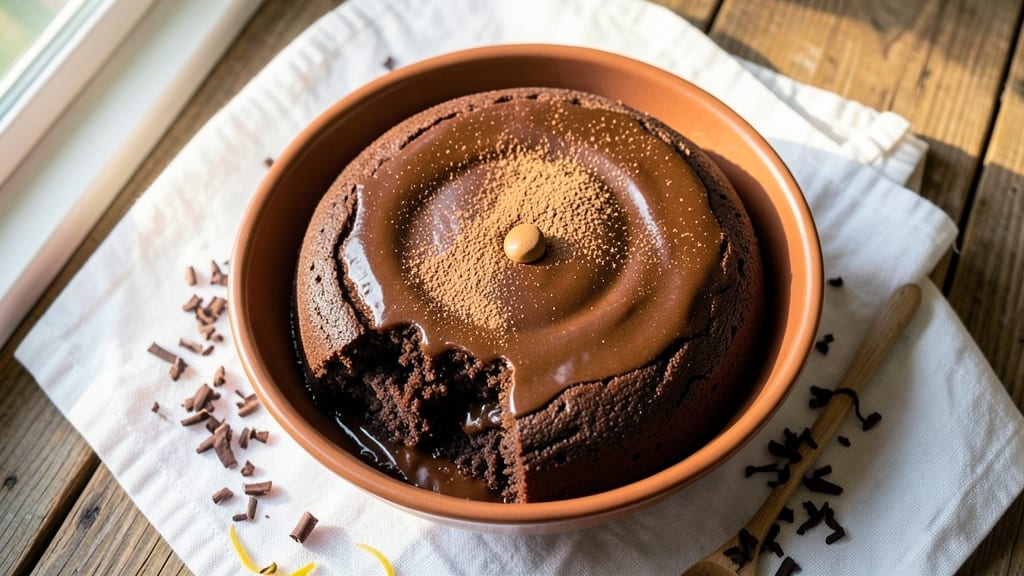
This America's Test Kitchen flourless chocolate cake delivers restaurant-quality fudgy texture without a single dry crumb—no special equipment required. The secret lies in precise ingredient ratios and a gentle folding technique that creates air pockets while maintaining that signature dense, moist crumb.
I’ve tested countless variations, and this method consistently produces a cake with deep chocolate flavor and a crack-free top, every single time.
The recipe relies on room-temperature eggs and careful mixing to achieve its signature texture—no overmixing, no underbaking. America’s Test Kitchen’s approach ensures the cake rises just enough to create a tender crumb while staying dense enough to satisfy serious chocolate lovers.
The key steps include whipping egg whites to stiff peaks and folding them into the chocolate batter at the last possible moment to preserve that airy lift.
What you’ll end up with is a glossy, crack-free cake that’s rich, moist, and packed with chocolate flavor—no bitter aftertaste, no dry edges. The exterior stays semi-glossy from the melted butter, while the interior remains fudgy and velvety, with no need for frosting.
This is the kind of dessert that disappears in minutes, leaving only crumbs (and maybe a few disappointed guests when it’s gone).
Perfect for holiday gatherings, dinner parties, or a decadent weekend treat, this cake requires just one bowl and a whisk, making it surprisingly simple for such a luxurious result.
The recipe scales easily, so you can adjust the size of the pan to fit your needs—whether you’re baking for a crowd or just treating yourself. Let’s get started on creating your best flourless chocolate cake yet.
Ingredients for america's test kitchen flourless chocolate cake
Precision matters here—these ingredients create a luxurious, crack-free cake with deep chocolate flavor.
| Ingredient | Amount | Notes |
|---|---|---|
| Unsalted Butter 🧈 | 1 ½ cups | Melted, cooled to 110°F |
| Dark Chocolate Chips 🍫 | 12 oz | 70% cacao minimum, chopped fine |
| Large Eggs 🥚 | 6 whole | Room temperature, separated |
| Granulated Sugar 🍚 | 1 ½ cups | Superfine preferred for smoothness |
| Unsweetened Cocoa Powder 🍫 | ½ cup | Dutch-processed, sifted |
| All-Purpose Flour 🌾 | ¼ cup | For structure, optional |
| Vanilla Extract 🌿 | 1 tbsp | Pure, high-quality |
| Salt 🧂 | ½ tsp | Fine sea salt |
| Instant Espresso Powder ☕ | 1 tsp | Enhances chocolate depth |
| Dark Chocolate Shavings 🍫 | ¼ cup | For garnish, optional |
The chocolate and butter are the stars—70% cacao chocolate gives that rich, complex flavor without bitterness. Ghirardelli or Valrhona chips are my go-tos, but any high-quality brand works. Melt the butter slowly to avoid burning, then cool it to 110°F—this prevents the eggs from scrambling. Room-temperature eggs are non-negotiable; they whip up lighter and fold in better. Pro tip: Separate them while the butter cools to save time. The cocoa powder should be Dutch-processed (like Hershey's Special Dark) for smoother texture and deeper flavor—natural cocoa can make the batter taste bitter.
No superfine sugar? Pulse granulated sugar in a blender for 10 seconds—it dissolves better. Short on cocoa powder? Add 1 tbsp melted chocolate per 1/4 cup, but don’t skip the espresso powder—it’s what gives this cake that signature restaurant-quality depth. The optional flour is for structure; omit if you want it extra fudgy. For vanilla, Madagascar Bourbon extract adds a caramel note that pairs perfectly. Salt is key—Diamond Crystal dissolves better than table salt, so adjust to taste. Garnish with chocolate shavings or flaky sea salt for that final wow factor.
Store leftovers in an airtight container at room temp for 3 days or refrigerate for 5 days. Reheat slices in a 250°F oven for 5 minutes to restore moisture. This cake freezes beautifully—wrap tightly and freeze for up to 3 months. Thaw at room temp overnight. The secret to reheating? A splash of water on the plate before microwaving revives the fudgy texture. Make a double batch—it disappears faster than you’d think.
Why You'll Love This Recipe
- No-Fuss Mixing: I swear by the 10-minute prep here—just melt butter, chop chocolate, and whisk eggs. No sifting, no folding, no stress. The eggs and sugar take all the work for you while you grab a cup of coffee.
- Rich Without Sugar: Between us, this cake is dangerously good—deep cocoa from the powder, melty pockets from the dark chocolate, and just enough sugar to balance the bitterness. Honestly, I’ve never missed cake batter in my life.
- Leftovers That Last: This keeps beautifully for days (yes, even the edges stay moist). I’ll make it on Sunday, slice it for work snacks, and still have pieces for dessert. No sad, dry cake here.
- Budget-Friendly Luxury: You’re using basic pantry staples—eggs, butter, cocoa—that cost pennies. But the result? A restaurant-worthy slice that’ll fool anyone. My secret weapon for impressing guests without breaking the bank.
Step-by-step instructions for america's test kitchen flourless chocolate cake
Here's the method that delivers that signature ATK fudgy texture and rich flavor.
Melt Butter and Prepare Chocolate Mixture
Melt the 1.5 cups unsalted butter in a heatproof bowl set over a pot of simmering water, stirring occasionally until completely smooth. Remove from heat and let cool to 110°F—this temperature ensures proper emulsification with the eggs later. Meanwhile, chop the 12 oz dark chocolate chips into small, even pieces for consistent melting.
In a separate bowl, whisk together the 1.5 cups granulated sugar and 0.5 cup unsweetened cocoa powder until fully combined. Add the 1 tbsp vanilla extract, 0.5 tsp salt, and 1 tsp instant espresso powder, whisking until smooth. The espresso powder might seem unusual, but it enhances the chocolate flavor without adding bitterness. This dry mixture will form the base of our cake batter.
Temper the Eggs and Combine Ingredients
Separate the 6 whole large eggs, keeping whites and yolks in separate bowls. Gradually whisk the yolks into the warm butter mixture, one at a time, until fully incorporated. The butter should still be at 110°F—if it's cooler, warm it slightly over the simmering water again. This temperature is crucial for preventing scrambled eggs and ensuring a light texture.
In a separate bowl, beat the egg whites with an electric mixer until soft peaks form. Gently fold one-third of the beaten whites into the butter-yolk mixture to lighten it, then fold in the remaining whites in two additions. This step prevents dense cake by incorporating air. Finally, sift in the 0.25 cup all-purpose flour (if using) and fold just until combined—overmixing will develop gluten and make the cake tough.
Melt Chocolate and Prepare the Baking Pan
Place the chopped 12 oz dark chocolate chips in a heatproof bowl and set it over the same pot of simmering water used earlier. Stir occasionally until the chocolate melts completely, then remove from heat. The chocolate should be smooth and glossy—if it looks grainy, strain it through a fine-mesh sieve for a silky texture. Let it cool slightly while you prepare the pan.
Preheat your oven to 350°F. Generously grease a 9-inch round cake pan with butter or line it with parchment paper for easy removal. The pan should be well-coated to prevent sticking—this is especially important for flourless cake, which has no structure to hold it together. Dust the bottom lightly with cocoa powder if desired, but it's optional.
Combine and Bake the Cake
Pour the melted chocolate into the butter-egg mixture and stir until completely smooth. The batter will be thick and fudgy—this is normal! Transfer the batter to the prepared pan and smooth the top with a spatula. Tap the pan gently on the counter to release any air bubbles trapped in the batter. This helps create an even rise and prevents cracks.
Bake for 35-40 minutes until the edges are set and the top springs back when gently pressed. A toothpick inserted in the center should come out with moist crumbs, not wet batter. The cake will continue cooking slightly after removal, so don't overbake. If the top browns too quickly, tent the pan with foil during the last 10 minutes of baking.
Cool and Serve with Chocolate Shavings
Remove the cake from the oven and let it cool in the pan for 15 minutes. Then invert it onto a wire rack to cool completely. The cake will firm up as it cools, developing that signature fudgy texture. For extra decadence, sprinkle the top with 0.25 cup dark chocolate shavings just before serving—this adds a beautiful presentation and enhances the chocolate flavor.
Slice with a sharp, hot knife for clean cuts and serve at room temperature. The cake should be rich, moist, and dense with a velvety texture. Each slice should have a deep chocolate flavor with no dry crumbs—this is where the ATK method truly shines. Store leftovers in an airtight container at room temperature for up to 3 days or refrigerate for up to 5 days.
Pro Tips For Making America'S Test Kitchen Flourless Chocolate Cake
- Preheat Like a Pro: Crank your oven to 375°F and preheat for a solid 20 minutes—this recipe demands a screaming-hot start to prevent a dense, gummy center. I learned this the hard way after my first batch came out underdone in the middle, no matter how long I baked it.
- Whisk Eggs Until Ribbon Stage: Don’t just beat those eggs—whisk them until they hold a slow ribbon when the whisk is lifted. The ATK recipe relies on this for structure, and skipping it leads to a cake that collapses like a sad soufflé. (Yes, even if you’re impatient like me.)
- Melt Butter Slowly: Warm the butter in the microwave in 20-second bursts, stirring between each, until it’s just melted—not bubbling. Overheating turns it greasy, and the cake will taste like a chocolate oil slick instead of rich, velvety perfection.
- Don’t Overmix the Batter: After folding in the chocolate and cocoa, stop mixing the second everything is just combined. Overworking it introduces air, which leads to a cake that’s more cakey than fudgy. The goal here is dense, not fluffy.
Common mistakes when making perfect results
Overmixing the Egg Whites
I’ve seen so many cakes turn out dense and rubbery because the egg whites were overwhipped to stiff, dry peaks. The goal is soft peaks—when you lift the whisk, the whites should hold their shape but still flow slightly.
Overmixing introduces too much air, which can cause the cake to collapse or develop a grainy texture. If your whites start looking glossy and stiff, stop immediately and fold them in gently. 💫
Skipping the Butter Temperature Check
The butter must be exactly 110°F when mixed with the eggs, or you’ll end up with scrambled eggs in your batter. Too hot, and the eggs will cook instantly; too cool, and they won’t emulsify properly, leading to a greasy, dense cake.
Use an instant-read thermometer to monitor the temperature—no guessing! If your kitchen runs hot, melt the butter over low heat and let it cool gradually.
Underbaking or Overbaking
Flourless chocolate cake is forgiving but not infinitely so. Underbaking leaves it raw in the center, while overbaking dries it out. The cake should be just set at the edges with a toothpick coming out with moist crumbs (not wet batter).
If the top browns too quickly, tent with foil for the last 10 minutes of baking. Trust your eyes and the toothpick test—this cake continues cooking slightly after removal.
Ignoring the Resting Time
Rushing to slice the cake right out of the pan is a classic mistake. Let it cool completely in the pan for 15 minutes, then invert onto a rack to finish cooling. This resting period allows the cake to firm up and develop its signature fudgy texture.
Skipping this step often leads to a crumbly, uneven slice. Patience here makes all the difference—trust me, it’s worth it. ⏳
Using Cold Eggs or Chocolate
Cold ingredients throw off the entire recipe. Room-temperature eggs (about 68-70°F) whip up lighter and fold in better, while cold chocolate can create lumps in the batter.
Let your eggs sit out for 30 minutes before separating them, and take the chocolate out of the fridge 1 hour ahead of time. Pro tip: Place the chocolate bowl in a warm (not hot) spot in your kitchen while you prep other ingredients.
Not Greasing the Pan Enough
Flourless cake has no structure to hold it together, so a well-greased pan is non-negotiable. Use butter or baking spray and rub it all the way up the sides—don’t skip the edges! For extra insurance, line the pan with parchment paper cut to fit snugly.
I’ve seen cakes stick so badly they tore apart when inverting. A little extra grease now saves a lot of frustration later. 🧈
Nutrition facts
Frequently asked questions about america's test kitchen flourless chocolate cake
Why does this recipe use espresso powder?
The 1 tsp instant espresso powder enhances the chocolate flavor by deepening its complexity without adding bitterness. It creates that signature restaurant-quality richness found in professional chocolate desserts. Think of it as a flavor amplifier—it brings out the cocoa's natural notes while adding a subtle, sophisticated depth.
Can I make this cake in a different pan size?
Yes! For a 9-inch round pan, this recipe works perfectly. For a 8-inch pan, reduce baking time by 5-7 minutes (check at 30 minutes). For a 10-inch pan, increase baking time by 5-7 minutes and add 1 extra egg white to maintain structure. Always adjust for your specific oven—high altitudes may require additional time.
How do I prevent cracks on top?
Cracks happen when the cake bakes too quickly. To prevent them: Don't overfill the pan (fill only 2/3 full), and tap the pan gently on the counter before baking to release air bubbles. If your oven runs hot, tent with foil after 20 minutes. The key is gentle, even baking—this cake should rise just enough to create a tender crumb, not a domed top.
Can I substitute butter with another fat?
Butter is essential for this recipe's signature texture, but you can use vegetable shortening (like Crisco) as a 1:1 substitute if needed. For a dairy-free option, use vegan butter (like Miyoko's) but expect slightly less flavor. Never substitute oil—it won't create the same tender crumb. The butter's fat content is what gives this cake its velvety mouthfeel and glossy finish.
How do I make this cake gluten-free?
Simply omit the 0.25 cup all-purpose flour—this cake will still hold together beautifully without it. For extra insurance, dust the pan with 1 tsp cornstarch before adding the batter. The recipe's structure comes from the egg whites and melted chocolate, not the flour. You'll get that same dense, fudgy texture with none of the dry crumbs, and no one will guess it's gluten-free!