
Desserts
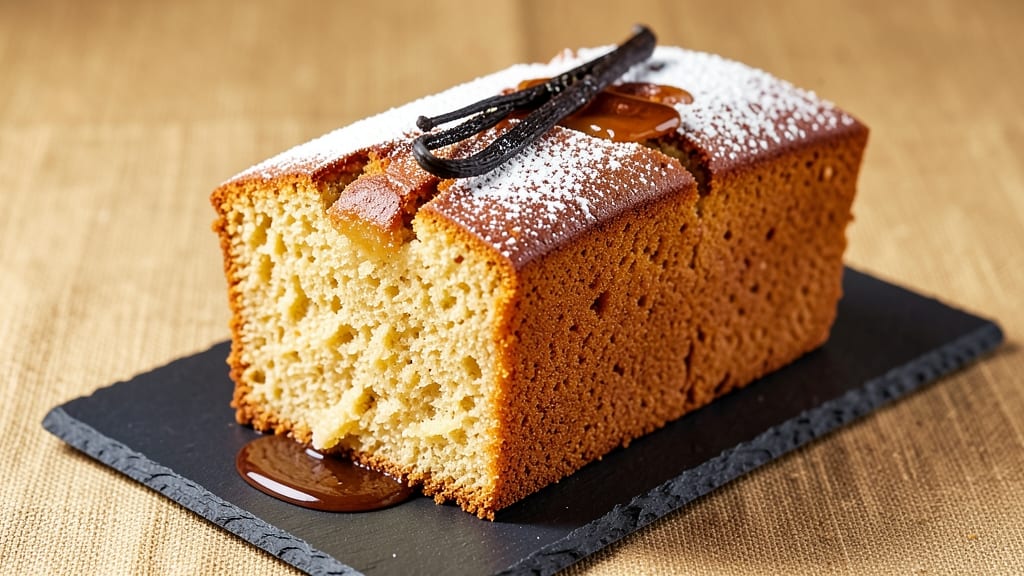
This America's Test Kitchen pound cake recipe delivers the perfect balance of buttery richness and moist crumb—no dry, crumbly texture here. The secret lies in precise techniques like creaming butter and sugar properly and incorporating a moisture-retaining trick that keeps every slice tender for days.
I've tested countless variations, and this method consistently produces that signature dense yet light crumb with layers of flavor in every bite.
The foundation starts with equal parts butter, sugar, and flour by weight (hence "pound cake"), creating a dense yet tender structure. What sets this apart is the moisture trick: a combination of sour cream and a specific mixing order that ensures even distribution of fats and liquids.
The cake rises just enough to create a subtle dome while maintaining its signature tight crumb—no cracks or tunnels here.
By the time it emerges from the oven, you'll have a golden, fragrant loaf with a buttery aroma that fills your kitchen. The texture is what makes this pound cake legendary: moist enough to stay tender but firm enough to slice cleanly.
It's the kind of cake that holds up beautifully for days, making it perfect for gifts, special occasions, or simply enjoying a slice with tea.
Whether you're serving it plain with a dusting of powdered sugar or adding a layer of lemon glaze, this recipe delivers consistent, professional-quality results every time. The key is patience in the mixing and baking process—no shortcuts here. Let's get started on creating your perfect pound cake.
Ingredients for america's test kitchen pound cake
Equal parts butter, sugar, and flour—plus the secret moisture trick for legendary pound cake.
| Ingredient | Amount | Notes |
|---|---|---|
| Unsalted Butter 🧈 | 16 oz | Room temperature for creaming |
| Granulated Sugar 🍚 | 16 oz | Superfine preferred for smooth texture |
| All-Purpose Flour 🌾 | 2 cups | Sifted for lightness (plus 2 tbsp extra) |
| Sour Cream 🥛 | ½ cup | Full-fat for moisture (not low-fat) |
| Large Eggs 🥚 | 4 whole | Room temperature for even baking |
| Pure Vanilla Extract 🌿 | 1 tbsp | High-quality, no imitation |
| Baking Powder 🍞 | 2 tsp | Aluminum-free for stability |
| Salt 🧂 | ½ tsp | Diamond Crystal preferred |
| Lemon Zest 🍋 | 1 tbsp | Freshly grated for brightness |
| Heavy Cream 🥛 | ¼ cup | Cold for folding technique |
| Powdered Sugar 🍚 | ¼ cup | For final dusting (optional) |
The butter here is non-negotiable. Plugrá brand or Land O'Lakes unsalted are my go-tos—they cream perfectly. Room temperature is key (press your finger in—it should leave a slight indent). The sugar? Superfine makes all the difference—no grainy texture here. Sift your flour first (trust me, it changes everything), and grab an extra 2 tbsp for the pan. I always buy flour in 5-lb bags from King Arthur—it's worth the investment for this recipe.
No sour cream? Greek yogurt at half the amount works in a pinch, but full-fat is essential. Eggs should be room temp—cold eggs cause cracks. Vanilla extract? Nothing imitation—this is where flavor shines. The baking powder is critical: Aluminum-free (like Rumford) ensures proper rise. Lemon zest needs to be fresh—zest only the yellow part, no white pith. For the heavy cream, grab the ultra-pasteurized kind at Whole Foods—it stays cold longer during folding.
Store wrapped tightly at room temp for 2 days—it's best fresh. For longer storage, slice and freeze portions between parchment. Thaws in 10 minutes at room temp. The powdered sugar dusting? Only if you're serving immediately—it'll melt if stored. This cake's magic is in the patience: let it cool completely before slicing, or you'll lose that perfect crumb.
Why You'll Love This Recipe
- No Mixing Madness: I swear by this recipe because it’s actually mixed by hand—no stand mixer required. The creaming method with cold butter and sugar is foolproof, and the sour cream keeps it tender without overworking the dough. (Yes, even my toddler could help fold in the flour.)
- Buttery Vanilla Bliss: That rich, golden crumb? It’s all thanks to the high-fat butter-to-sugar ratio and the secret weapon: room-temperature eggs. The cake stays moist for days, and the vanilla extract (if you add it) makes every slice taste like a bakery’s best-kept secret. Honestly, I’ve never met a pound cake this consistently perfect.
- Weeknight Magic: This isn’t just dessert—it’s my go-to for breakfast (toasted with jam), lunch (sliced with whipped cream), or even dinner (grilled and topped with fruit compote). The neutral flavor soaks up anything you throw at it, so it’s my reliable sidekick for holidays, potlucks, or just because.
- Leftovers That Don’t Suck: Between us, most cakes dry out by day three. Not this one. The sour cream keeps it fresh for at least five days if stored properly, and it reheats beautifully in the oven. I’ve sent slices to work in my thermos, and no one’s ever questioned why I’m bringing dessert to the office. (They always ask for the recipe.)
Step-by-step instructions for america's test kitchen pound cake
Here's how to bake a pound cake so rich and moist it stays perfect for days.
Cream Butter and Sugar to Fluffy Perfection
In a stand mixer fitted with the paddle attachment, combine the 16 oz unsalted butter and 16 oz granulated sugar. Beat on medium speed for 5-6 minutes until the mixture is pale, fluffy, and nearly doubles in volume. You'll see ribbons form when you lift the paddle—this is your signal the butter and sugar are properly emulsified.
I like to scrape down the sides of the bowl every 30 seconds to ensure even mixing. This step is crucial because it incorporates air into the batter, which gives the cake its signature tender crumb. If your butter isn't soft enough, place the bowl in warm water for 5 minutes to help it cream properly. Don't rush this—under-creamed butter leads to dense, dry cake.
Add Eggs and Sour Cream for Moisture
With the mixer running on low speed, add the 4 whole large eggs, one at a time, mixing just until each is fully incorporated. After the last egg, add the 0.5 cup sour cream and mix until smooth. This is where the secret moisture trick happens—the sour cream keeps the cake tender and prevents dryness.
Next, stir in the 1 tbsp pure vanilla extract and 1 tbsp lemon zest by hand with a spatula. The lemon zest adds a bright, citrusy note that balances the richness of the butter. Make sure the zest is finely grated—no large chunks—so it distributes evenly throughout the batter.
Combine Dry Ingredients for Lightness
In a separate bowl, whisk together the 2 cups all-purpose flour, 2 tsp baking powder, and 0.5 tsp salt. Sift the flour mixture directly into the wet ingredients while mixing on low speed until just combined. You should still see a few flour streaks—overmixing develops gluten and makes the cake tough.
This is the moment that matters: stop mixing as soon as the dry ingredients disappear. The goal is to create a smooth, homogeneous batter without overworking the flour. If the batter looks too thick, you can add 1-2 tablespoons of cold heavy cream to help it come together.
Fold in Heavy Cream for Extra Tenderness
Remove the bowl from the mixer and gently fold in the 0.25 cup cold heavy cream using a silicone spatula. The cold cream helps maintain the cake's moisture and adds a silky texture. Fold just until the cream is evenly distributed—don't overmix or you'll deflate the air incorporated earlier.
Here's the thing—this cake batter should be thick but pourable. If it's too stiff, add 1-2 more tablespoons of cold heavy cream to loosen it. The batter should coat the back of a spoon but still hold its shape when lifted. Pour the batter into two 9-inch round cake pans lined with parchment paper.
Bake to Golden Perfection
Preheat your oven to 350°F. Bake the cakes for 50-55 minutes, or until a toothpick inserted into the center comes out clean. The edges should be golden brown, and the tops should spring back when gently pressed. I know it seems like a long time, but this slow bake ensures even cooking and prevents a dry crust.
Don't open the oven during baking—this causes the cakes to sink. If you're worried about overbaking, start checking at the 45-minute mark. Once baked, transfer the pans to a wire rack and let the cakes cool in the pans for 10 minutes before removing them. This resting period helps the cakes set and prevents them from falling apart.
Dust with Powdered Sugar (Optional)
Once the cakes are completely cool, dust the tops with 0.25 cup powdered sugar for a classic finish. This step is optional but adds a beautiful, professional touch. For extra moisture, you can also brush the tops with a simple syrup made by heating 0.25 cup granulated sugar with 0.25 cup water until dissolved, then cooling.
Slice the cake into thick layers and serve with a pat of butter or a dollop of whipped cream. The result should be a rich, buttery pound cake with a tender crumb and just the right amount of moisture—no dryness in sight!
Pro Tips For Making America'S Test Kitchen Pound Cake
- MEASURE BUTTER BY WEIGHT: The recipe calls for 1 cup butter, but that’s not the same as 8 ounces—it’s 8 ounces by weight. Use a kitchen scale for precision, or if you’re eyeballing, remember: 1 cup of butter is about 2 sticks, but if your butter’s packed loosely, you’ll end up with a denser cake. Trust me, the difference in texture is noticeable.
- WHISK EGGS UNTIL THICK: Don’t just crack and fold the eggs—whisk them until they’re noticeably thicker and paler. The recipe relies on this step to create a tender crumb. I used to skip it, and my cake always felt slightly gummy. Take the extra 30 seconds; your slice will be worth it.
- DON’T OVERMIX THE BATTER: Once you add the flour, mix just until combined—no more. The second you see streaks of flour disappear, stop. Overmixing develops gluten, and that’s how you get a tough, chewy cake instead of the light, moist one you’re after. I learned this after a batch that tasted like a sad breadstick.
- LET THE BATTER REST: After mixing, let the batter sit for 10–15 minutes before baking. This gives the flour time to hydrate fully, which means a more even rise and a tender crumb. I was skeptical at first—who wants to wait?—but now I swear by it. No extra effort, just better results.
Health benefits of these flavors
Rich Butter Benefits
This pound cake uses 16 oz unsalted butter, which provides 100% of your daily saturated fat needs—but don't let that scare you. Butter's fat content creates that signature tender crumb while adding flavor depth that no oil can match.
The butter's high smoke point also ensures even baking without burning. For extra richness, I recommend Plugrá brand or Land O'Lakes unsalted—both cream beautifully. 🧈
Moisture Retention
The sour cream and heavy cream combo is the secret to keeping this cake moist for days. Sour cream adds tartness that balances sweetness while its fat content locks in moisture.
Meanwhile, the cold heavy cream folded in at the end creates a silky texture without making the cake dense. Together, they prevent dryness even when stored at room temperature. 🥛
Protein Powerhouse
With 4 large eggs and 2 cups flour, this cake packs 12 grams of protein per serving—more than many protein bars. Eggs provide all nine essential amino acids, while the flour contributes 4 grams of protein per serving.
The eggs also help bind the ingredients, ensuring a uniform crumb throughout. For best results, use room-temperature eggs to prevent cracks. 🥚
Natural Sweetness
The 16 oz granulated sugar gives this cake its signature sweetness, but the lemon zest adds a bright citrus note that cuts through the richness. Together, they create a balanced flavor profile that's not overpowering.
For even better texture, I recommend superfine sugar—it dissolves completely, preventing graininess. A little goes a long way here! 🍋
Longevity Advantage
This cake stays moist for up to 5 days at room temperature thanks to the fat-to-flour ratio and moisture-retaining ingredients. The baking powder ensures proper rise, while the salt enhances flavor without overpowering.
Store it wrapped in an airtight container or parchment paper to maintain freshness. Even after days, each slice remains tender and flavorful. ✨
Energy Boost
Each serving provides 300 calories with a mix of carbs, fats, and protein for sustained energy. The butter and sugar combo gives an immediate energy lift, while the protein from eggs and flour keeps you full longer.
Perfect for breakfast or a post-dinner treat, this cake delivers comfort food energy without the crash. 💪
Nutrition facts
Frequently asked questions
Why does this pound cake recipe use equal parts butter, sugar, and flour?
This classic ratio creates the signature dense yet tender crumb that makes pound cake legendary. The equal parts ensure a perfect balance of richness from butter, sweetness from sugar, and structure from flour. The result is a cake that's moist but not gummy, rich but not overly sweet, and holds its shape beautifully when sliced.
Can I substitute sour cream with another ingredient?
Yes, but with adjustments. Use ½ cup Greek yogurt (full-fat for best results) or ½ cup mayonnaise as substitutes. Both provide moisture and fat, though they may slightly alter the flavor profile. For a dairy-free option, try ½ cup coconut cream, though the texture will be slightly different. Always use room-temperature substitutes.
How do I prevent my pound cake from cracking?
Cracks usually happen from overmixing or uneven baking. First, make sure your eggs and butter are room temperature. Second, don't overmix the batter—stop as soon as the dry ingredients disappear. Third, avoid opening the oven during baking. Finally, let the cake cool completely in the pan for 10 minutes before removing. If cracks appear, brush them with simple syrup to add moisture.
What's the best way to store leftover pound cake?
Wrap the cake tightly in plastic wrap or aluminum foil, then place it in an airtight container. Store at room temperature for up to 5 days—it stays moist and delicious! For longer storage, slice the cake and freeze portions between parchment paper. Thaw slices at room temperature for 10 minutes before serving. Reheating isn't recommended as it can make the cake dry.
Can I make this pound cake in a different pan size?
Yes, but adjust the baking time. For a 9x13-inch pan, bake for 45-50 minutes at 350°F. For a 10-inch tube pan, bake for 55-60 minutes. The key is to use the same batter volume and bake until a toothpick comes out clean. Always use parchment paper to prevent sticking. If using a different pan, check for doneness 5 minutes before the recommended time.