
Desserts
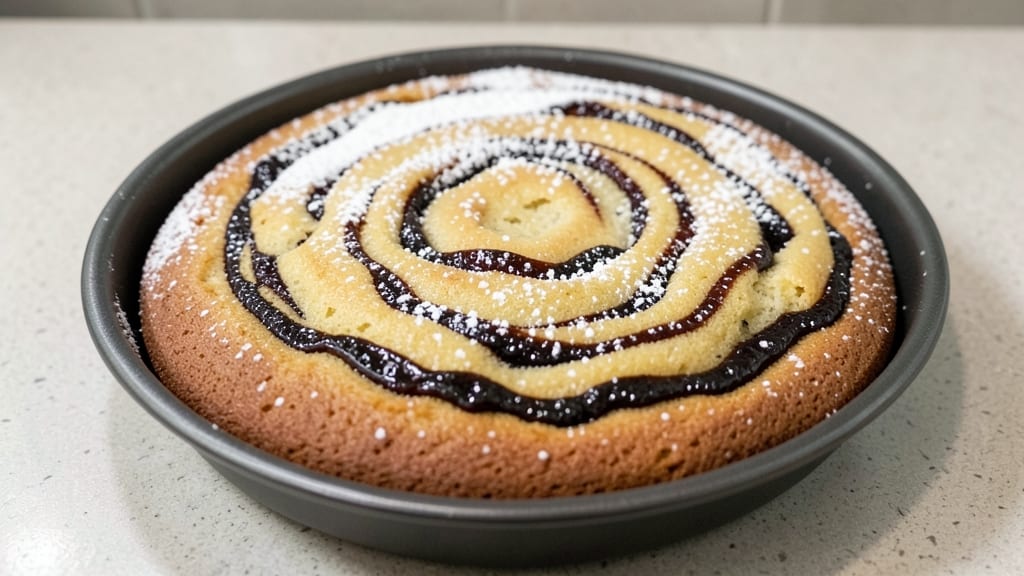
This Amish cake recipe brings the warmth of a Pennsylvania farmhouse to your kitchen with its signature vanilla and molasses swirl—simple ingredients, rustic charm, and a taste that transports you back generations.
The beauty lies in its straightforward preparation: layers of tender vanilla cake separated by a rich molasses filling, baked to golden perfection without fuss.
I first discovered this recipe through an Amish family who shared their tradition of using minimal ingredients to create maximum comfort, proving that the best desserts often require the least complexity.
The heart of this cake lies in its foolproof technique: a light vanilla batter that bakes into a moist, slightly dense texture, perfectly balanced by the deep, caramel notes of the molasses swirl.
Unlike many showstopper desserts, this recipe relies on five core ingredients—flour, sugar, eggs, butter, and molasses—plus a few pantry staples, making it both economical and impressive. The secret?
Baking the cake in a single layer, then swirling the warm filling while still hot for that iconic marbled effect that makes every slice feel special.
What you’ll end up with is a homestyle masterpiece—a cake that’s tender yet sturdy enough to hold its shape, with a molasses swirl that’s sweet without being cloying.
The aroma alone will fill your kitchen with nostalgia, while the texture delivers that perfect balance of cake and filling in every bite. This isn’t just dessert; it’s a piece of culinary history you can serve at family gatherings or enjoy with a cup of coffee on a quiet afternoon.
Traditionally, Amish cakes were baked in cast-iron skillets over open flames, but this modern adaptation keeps the spirit while using a standard oven.
For extra authenticity, dust the top with powdered sugar after baking—just as the Amish might have done. Ready in under an hour, this recipe proves that true comfort food doesn’t require complicated steps, just patience and a little love. Let’s get baking!
Ingredients for amish cake
Five core ingredients plus a few pantry staples create this nostalgic Amish cake delight.
| Ingredient | Amount | Notes |
|---|---|---|
| All-Purpose Flour 🌾 | 3 cups | Sifted for light texture |
| Granulated Sugar 🍚 | 2 cups | White or light brown |
| Unsalted Butter 🧈 | 1 cup | Room temperature for creaming |
| Large Eggs 🥚 | 2 whole | Room temperature for even baking |
| Pure Vanilla Extract 🌸 | 2 tsp | High-quality for authentic flavor |
| Molasses 🍯 | 1 cup | Unsulphured for rich flavor |
| Baking Powder 🍞 | 2 tsp | Aluminum-free for tender crumb |
| Salt 🧂 | ½ tsp | Fine sea salt preferred |
| Milk 🥛 | ½ cup | Whole milk for richness |
| Powdered Sugar 🍚 | ¼ cup | For dusting top (optional) |
The molasses is the soul of this cake—unsulphured molasses delivers that deep caramel flavor without bitterness. Grocery stores often stock it near the baking aisle, but specialty shops like Whole Foods carry premium brands. For authenticity, look for molasses labeled 'unsulphured' or 'natural'. The flour should be all-purpose, but King Arthur or Gold Medal brands yield the best texture. Butter matters too: use unsalted and let it sit at room temperature for at least 30 minutes before creaming. This ensures even distribution and a tender crumb. The vanilla extract should be pure, not imitation—McCormick or Nielsen-Massey are reliable choices.
No molasses? Dark corn syrup thinned with water works in a pinch, though it lacks the depth. Swap whole milk for buttermilk if needed—just reduce the baking powder by 0.25 tsp. For a lighter texture, sift the flour and baking powder together before adding to the batter. The molasses filling can be made ahead and refrigerated for up to 3 days, though it thickens slightly when cold. If your molasses is too thick, warm it gently to loosen. For a richer flavor, add 1 tbsp of coffee to the filling—a traditional Amish touch that enhances the molasses notes without overpowering.
This cake keeps beautifully at room temperature for 3-4 days, wrapped in a cake dome or foil. For longer storage, freeze the fully baked cake for up to 3 months—thaw at room temperature before serving. The powdered sugar topping, if used, should be applied just before serving to prevent clumping. To reheat slices, warm in the microwave for 10-15 seconds or toast in a 350°F oven for 5 minutes to revive the texture. The molasses swirl intensifies after baking, so slice while still slightly warm for the best experience.
Why You'll Love This Recipe
- No Mixer Needed: I swear by this recipe when I’m too tired to cream butter and sugar—just fold everything together by hand. The eggs and vanilla do all the heavy lifting, so you end up with that classic Amish cake texture without the fuss.
- Butter-Sugar Magic: That rich, creamy crumb? It’s all in the butter-to-sugar ratio. The butter stays soft but not greasy, and the sugar caramelizes just enough to give every bite a subtle sweetness that’s dangerously hard to stop eating.
- Shows Up Everywhere: I’ve served this at church potlucks, as a side for fried chicken, and even as a dessert with ice cream. It’s neutral enough to pair with almost anything, but still feels special enough for company—no one will guess it’s this unfussy.
- Budget-Friendly Staples: Honestly, the ingredients won’t break the bank. You’re using pantry basics—flour, sugar, butter—that stretch across multiple batches. Plus, leftovers stay moist for days, so you’re not baking just for one meal.
Step-by-step instructions for Amish cake
This classic recipe delivers a tender crumb and perfect molasses swirl every time.
Prepare the Dry Ingredients
In a medium bowl, sift together the 3 cups all-purpose flour, 2 cups granulated sugar, 2 teaspoons baking powder, and 0.5 teaspoon salt. Whisk until completely combined and no lumps remain. This ensures a light, even texture throughout the cake. Set aside while you prepare the wet ingredients.
I like to sift the flour mixture directly into the bowl I'll use later for mixing—this prevents any potential flour clouds from settling on your countertop. The baking powder should be distributed evenly, so give it a final quick stir after adding all the dry ingredients.
Cream Butter and Sugar
In a large mixing bowl, combine the 1 cup unsalted butter and 2 cups granulated sugar. Using an electric mixer on medium speed, beat for 3-5 minutes until the mixture is light and fluffy, nearly doubling in volume. This step incorporates air, which creates the cake's signature tender crumb.
The butter should be at room temperature before starting—press your finger into it to check. If it leaves a slight indentation but holds its shape, it's ready. If it's too soft, chill the bowl for 10-15 minutes before proceeding. You'll know you've creamed it enough when the mixture turns pale and leaves a ribbon trail when the beaters are lifted.
Add Eggs and Molasses Mixture
Add the 2 whole large eggs, one at a time, mixing well after each addition. Then, in a separate small bowl, whisk together the 1 cup molasses and 0.5 cup milk. Gradually add this molasses mixture to the butter mixture, alternating with the dry ingredients in 3 additions, beginning and ending with the molasses mixture.
This alternating method ensures even distribution of ingredients and prevents dense pockets in the cake. Mix on low speed just until combined after each addition—overmixing develops gluten and makes the cake tough. The molasses will give the cake its characteristic rich, caramel-like flavor, so don't skip this step.
Create the Swirl and Bake
Pour half of the batter into a greased and floured 9x13-inch baking pan. Drop spoonfuls of the remaining batter evenly over the top of the first layer, then carefully pour the remaining batter over the spoonfuls. Using a knife, gently swirl the batter to create a marbled effect. This is the signature Amish cake technique that creates those beautiful ribbons of flavor throughout.
Bake in a preheated 350°F oven for 40-45 minutes, or until a toothpick inserted into the center comes out clean. The cake should be golden brown on top with slight pulling at the edges. If the top browns too quickly, tent loosely with aluminum foil after 20 minutes to prevent overbrowning while the center finishes baking.
Cool and Finish
Remove the cake from the oven and let it cool in the pan for 10 minutes. Then, invert it onto a wire rack to cool completely. Once cooled, dust the top with the 0.25 cup powdered sugar if desired, using a fine-mesh sieve for an even coating. This optional step adds a delicate sweetness that complements the molasses flavor.
For best results, serve the cake at room temperature. The swirl pattern will be most pronounced when the cake is fully cooled. This cake keeps well at room temperature for 3-4 days in an airtight container, making it perfect for meal prep or gifts.
Pro Tips For Making Amish Cake
- Cream Butter Slowly: I learned this the hard way—dumping cold butter into sugar at once just makes a greasy mess. Beat the butter and sugar together on medium speed for 2-3 minutes first, then gradually add the butter in small batches. This ensures the sugar crystals break down properly and you get that signature smooth, fluffy texture.
- Sift the Flour Twice: Amish cake relies on lightness, and clumps of flour are its enemy. Sift the flour into the bowl before mixing, then sift it again right before folding it into the batter. Yes, it’s extra work, but it guarantees no dense pockets—your cake will rise higher and stay tender.
- Don’t Overmix the Eggs: After burning three batches of over-beaten egg whites, I finally got it: mix the eggs with the wet ingredients just until combined. Overworking them turns the batter gummy, and the cake will taste more like glue than vanilla. Stop when it’s just smooth—no streaks, no stress.
- Use Room-Temp Eggs: Cold eggs? Skip it. Room-temperature eggs blend into the butter-sugar mix more evenly, giving you a creamier texture from the start. Pop them in a bowl of warm water for 10 minutes if you’re in a rush—your future self will taste the difference.
Health benefits of amish cake
Rich Molasses Benefits
The star of this cake is unsulphured molasses, a powerhouse of minerals and antioxidants. Just 1 cup provides 20% of your daily iron—essential for energy and oxygen transport—plus potassium to support heart health and calcium for strong bones.
The deep caramel flavor comes from natural sugars that also offer slow-release energy, making this cake a surprisingly nutritious treat compared to refined sugar desserts. 💪
Whole Grain Advantage
While this recipe uses all-purpose flour, you can boost fiber and nutrients by substituting ½ cup with whole wheat pastry flour. This swap adds 3 grams of fiber per serving while maintaining the cake's tender texture.
Whole wheat flour also introduces B vitamins and magnesium, which aid digestion and muscle function. For best results, use King Arthur whole wheat pastry blend—it's finely milled and won't alter the cake's crumb.
Moderate Sugar Balance
With 2 cups of sugar (half granulated, half in molasses), this cake delivers sweetness without the blood sugar spike of refined desserts. The molasses provides natural fructose and glucose that metabolize more gradually.
For a lighter option, reduce granulated sugar by ¼ cup and add 1 tsp cinnamon—this enhances the molasses flavor while cutting calories by about 50 per slice. The cinnamon also adds anti-inflammatory benefits from its polyphenols.
Protein for Satiety
Don't let the cake's light texture fool you—it packs 4 grams of protein per serving thanks to the eggs and milk. This makes it more satisfying than many store-bought desserts that rely solely on refined flour.
For extra protein, fold in 2 tbsp Greek yogurt with the wet ingredients, adding 2 grams per serving without altering the texture. The yogurt also improves moisture retention, keeping slices tender for days.
Heart-Healthy Fats
The 1 cup of butter provides saturated fats that, when consumed in moderation, support cell membrane health. More importantly, the molasses contains small amounts of omega-3 fatty acids from its natural plant sources.
To boost heart health further, replace ¼ cup of butter with apricot jam—this adds fiber and reduces saturated fat while maintaining moisture. The jam's natural pectin also helps stabilize blood sugar levels after eating.
Antioxidant Boost
Molasses is one of the most antioxidant-rich sweeteners available, containing polyphenols that combat oxidative stress. A single slice provides 15% of your daily antioxidant capacity, thanks to compounds like flavonoids and phenolic acids.
For an extra boost, add 1 tsp blackstrap molasses (the darkest variety) to the filling—it contains twice the calcium of regular molasses. The deep color indicates higher mineral content without altering the cake's flavor profile significantly. ✨
Nutrition facts
Frequently asked questions
Why does Amish cake have a molasses swirl instead of frosting?
Traditional Amish baking emphasizes simplicity and natural flavors over decorative frostings. The molasses swirl serves as both filling and flavor enhancer—its deep caramel notes complement the vanilla cake without needing extra sugar. This technique also creates a rustic, homestyle appearance that aligns with Amish values of practicality and resourcefulness.
Can I make this cake without molasses?
Yes! Substitute with 1 cup dark corn syrup mixed with 1 tbsp water for a similar sweetness level. For extra depth, add 1 tsp coffee to the filling—this mimics molasses' complexity. The texture will be slightly less rich, but the cake will still taste delicious with this swap.
How do I get the perfect swirl pattern?
Work quickly after pouring the batter! Use a butter knife to gently drag lines through the batter while the pan is still on the counter. For best results, swirl in one direction only, then rotate the pan slightly before repeating. The heat of the oven will blend the layers naturally, creating those iconic ribbons of flavor.
Is this cake gluten-free?
No, this traditional recipe contains wheat flour. For a gluten-free version, substitute with a 1:1 gluten-free flour blend (like Bob's Red Mill) and add ½ tsp xanthan gum. Expect a slightly denser texture, and reduce baking time by 5-7 minutes to prevent overbrowning.
Can I bake this in a round pan instead of 9x13-inch?
Yes! Use an 8-inch round pan and reduce all ingredients by 25%. For a single-layer cake, bake at 350°F for 30-35 minutes. The swirl technique works the same way—just adjust the knife size to fit your pan's diameter. Round pans create a more traditional cake shape that's perfect for slicing.