
Breakfast & Brunch
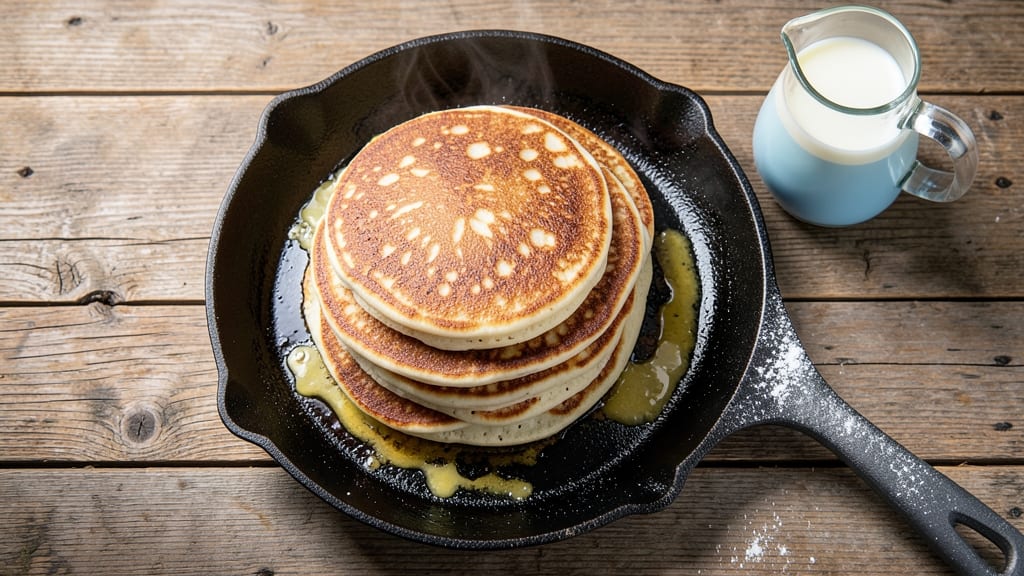
This Amish fried pancake recipe delivers the perfect balance of buttery crispy edges and light, fluffy centers that make every bite irresistible. The secret lies in a simple batter infused with traditional Amish ingredients—just flour, eggs, milk, and a touch of baking powder—cooked to golden perfection in a cast-iron skillet.
What sets these apart is the slow, patient frying technique that ensures even cooking without burning, a method passed down through generations in Amish kitchens.
The key to achieving those signature crispy edges while keeping the inside tender is all in the heat control. A medium-low flame allows the pancakes to cook through gently, developing that rich caramelized crust without sacrificing the signature fluffiness.
This recipe stays true to Amish traditions while being approachable for home cooks—no special equipment or complicated steps required. The result? Pancakes that taste like a homey Sunday morning, straight from an Amish farmhouse table.
Once you’ve mastered the frying technique, these pancakes become a blank canvas for classic toppings: warm maple syrup, fresh berries, or a pat of homemade butter. The crispy edges soak up the syrup beautifully, while the fluffy interior holds up to even the heartiest portions.
Whether you're serving a family brunch or treating yourself to a special breakfast, these pancakes deliver restaurant-quality results with minimal effort.
Pair them with sausage, bacon, or a side of scrambled eggs for a full Amish-style breakfast spread. The beauty of this recipe is its versatility—make a batch ahead and reheat in a warm oven to keep them crispy until serving.
Here’s how to create these beloved pancakes in your own kitchen.
Ingredients for amish fried pancake
Four simple ingredients transform into crispy-edged, fluffy Amish fried pancakes with perfect heat control.
| Ingredient | Amount | Notes |
|---|---|---|
| All-Purpose Flour 🌾 | 2 cups | Sifted for light texture |
| Large Eggs 🥚 | 4 whole | Room temperature for even cooking |
| Whole Milk 🥛 | 1 ½ cups | Full-fat for richness |
| Unsalted Butter 🧈 | ½ cup | Cold, cubed for crispy edges |
| Baking Powder 🍃 | 1 tbsp | High-quality for proper rise |
| Diamond Crystal Kosher Salt 🧂 | ½ tsp | Fine grain for delicate flavor |
| Pure Maple Syrup 🍁 | ¼ cup | Grade A for serving |
| Fresh Blueberries 🫐 | ½ cup | Washed and dried |
| Cast-Iron Skillet 🍳 | 1 whole | Seasoned for nonstick surface |
| Vegetable Oil 🫒 | ¼ cup | For skillet preheating |
The flour is your foundation—opt for King Arthur or Gold Medal for their high protein content, which ensures that signature crispy edge. Whole milk is non-negotiable here; reduced-fat versions lack the richness that defines Amish pancakes. For the butter, Plugrá or Land O'Lakes work perfectly, but avoid salted varieties—the kosher salt is already accounted for. The baking powder must be aluminum-free (like Clabber Girl) to prevent metallic aftertaste. Preheat your cast-iron skillet on medium-low heat for 5 minutes before adding oil—this mimics the slow, patient frying technique passed down in Amish kitchens.
No whole milk? Heavy cream at a 1:1 ratio works in a pinch, though texture may vary slightly. Substitute butter with coconut oil (solid) for a dairy-free option, though flavor won’t be identical. For the baking powder, baking soda plus cream of tartar (¼ tsp each) can replace 1 tbsp, but timing becomes critical—mix batter immediately and cook pancakes right away. The blueberries can be swapped for strawberries or raspberries, but avoid overly watery fruits like peaches. If your skillet lacks seasoning, rub it with a thin layer of vegetable oil and heat until smoking before pouring batter.
Pancakes reheat beautifully—wrap them in aluminum foil and warm in a 200°F oven for 10 minutes to maintain crispiness. Store leftovers in an airtight container for up to 3 days, separated by parchment paper to prevent sticking. For longer storage, freeze cooked pancakes between layers of parchment paper for up to 3 months. The maple syrup should be Grade A for serving; lower grades lack the delicate flavor needed to complement the pancakes' buttery richness. Always bring syrup to room temperature before pouring—cold syrup dulls the crispy edges.
Why You'll Love This Recipe
- Five-Ingredient Magic: I swear by this list—flour, eggs, milk, butter, and baking powder. That’s it. No fancy substitutions or last-minute store runs. Honestly, I keep these staples stocked just for this.
- Golden Crisp Secret: The butter fried in the pan first? That’s where the magic happens—thick, caramelized edges with a fluffy center. I’ll be real: my kids fight over the crispy bits like they’re gold.
- Breakfast or Brunch: Serve them with maple syrup for a Sunday morning spread, or stack them with sausage and cheese for a hearty breakfast-for-dinner. Between us, they’re my go-to when I need to feed a crowd without stress.
- Leftovers? No Problem: These pancakes reheat like a dream—just pop them in a toaster or warm in a skillet with a pat of butter. I make a double batch on Sundays and use them all week for quick breakfasts. Solid.
Step-by-step instructions for Amish fried pancakes
Master these techniques for pancakes with golden-brown edges and tender interiors every time.
Prepare the Batter for Optimal Texture
In a large mixing bowl, combine the 2 cups all-purpose flour, 1 tablespoon baking powder, and ½ teaspoon Diamond Crystal kosher salt. Whisk these dry ingredients together until evenly distributed—this ensures uniform leavening throughout each pancake. Create a well in the center of the dry mixture.
In a separate bowl, whisk together the 4 whole large eggs, 1½ cups whole milk, and ½ cup cold cubed unsalted butter. The cold butter will create pockets of fat that contribute to those signature crispy edges while maintaining a fluffy interior. Gradually pour the wet ingredients into the dry ingredients while whisking continuously. The batter should be smooth but slightly thicker than traditional pancake batter—this consistency prevents excessive spreading and ensures crisp edges.
Fold in the ½ cup fresh blueberries gently with a spatula, ensuring they're evenly distributed. Let the batter rest for 10 minutes at room temperature. This resting period allows the flour to fully hydrate and the gluten to relax slightly, resulting in a more tender pancake with better texture.
Preheat the Cast-Iron Skillet for Perfect Browning
Place the whole cast-iron skillet over medium-high heat and allow it to preheat for 5 minutes. The skillet should be hot enough that when you sprinkle a few drops of water onto the surface, they sizzle and evaporate immediately. This high heat is crucial for achieving those signature crispy edges.
Using a paper towel, lightly coat the hot skillet with ¼ cup vegetable oil, spreading it evenly across the surface. The oil should shimmer slightly but not smoke—this indicates the perfect temperature for cooking. Avoid over-oiling, as excess fat can make the pancakes greasy rather than crispy.
Here's the thing—cast iron retains heat exceptionally well, so maintain consistent heat throughout the cooking process. If the skillet starts to cool, give it an additional 2-3 minutes to reheat before adding more batter. This step ensures even browning and proper crisping on both sides.
Cook the Pancakes to Golden Perfection
Using a ladle or measuring cup, pour ¼ cup portions of batter into the hot skillet. The pancakes should sizzle immediately upon contact with the surface. Resist the urge to press them down—this prevents the batter from spreading evenly and achieving that signature crisp texture.
Cook the pancakes for 2-3 minutes until the edges are deep golden brown and bubbles form on the surface. You'll notice the edges start to pull away from the skillet slightly—that's your signal to flip. Use a thin spatula to carefully flip each pancake and cook for another 2-3 minutes until the second side is equally golden brown and crisp.
Transfer the cooked pancakes to a wire rack or clean kitchen towel to drain any excess oil. Keep them warm in a 200°F oven while you continue cooking the remaining batter. The wire rack prevents them from steaming, which helps maintain their crisp edges. If you stack them directly, they'll lose their crispness as steam softens the edges.
Serve with Warm Maple Syrup for Authentic Flavor
Once all pancakes are cooked, transfer them to a serving platter. Drizzle generously with ¼ cup pure maple syrup while still warm. The heat from the pancakes will cause the syrup to pool slightly, creating a beautiful presentation and enhancing the natural sweetness of the blueberries.
Serve immediately to enjoy the perfect balance of crispy edges and fluffy centers. Each bite should offer a contrast in texture—crispy on the outside, tender on the inside, with bursts of blueberry flavor throughout. The maple syrup complements the richness of the butter and adds a touch of authenticity to this classic Amish recipe.
For best results, serve with additional butter on the side or a dollop of whipped cream. The crispy edges will soak up the melted butter beautifully, creating an even richer eating experience.
Pro Tips For Making Amish Fried Pancake
- Heat the Pan Properly: Amish fried pancakes need a screaming-hot cast-iron skillet—no exceptions. I used to walk away while it heated, then wonder why my pancakes stuck like glue. Now I test it with a drop of water: if it sizzles instantly, it’s ready. (Yes, even if you’re impatient like me.)
- Whisk the Milk First: Mix the whole milk with the eggs before adding dry ingredients—this keeps the batter smoother and prevents lumps. I learned this after scraping a clump of flour out of my whisk for the third time. A quick whisk for 10 seconds makes all the difference.
- Skip Overcrowding the Pan: Two pancakes max per skillet, no matter how much you love stack ‘em high. I once stuffed four in there and ended up with a sad, soggy mess. Give them space—they’ll crisp up faster and taste better. (Your future self will thank you.)
- Use Cold Butter: Cut the unsalted butter into small cubes and refrigerate them until the batter’s ready. Dropping cold butter into the skillet creates those golden-brown pockets without burning the pancakes. I was skeptical until I tried it—now it’s non-negotiable.
Regional styles of this recipe
Pennsylvania Dutch Roots
The Amish fried pancake traces its origins to the Pennsylvania Dutch communities of the 18th century, where settlers adapted European pancake traditions using local ingredients. The cast-iron skillet became essential—Amish blacksmiths crafted durable, heavy pans perfect for even heat distribution.
This method ensured crispy edges while keeping centers tender, a technique passed down through generations in Lancaster County kitchens. 🌾
Original recipes relied on whole milk and unsalted butter for richness, reflecting the Amish emphasis on simple, high-quality ingredients. The pancakes were often served with maple syrup (a luxury at the time) or scrambled eggs for a hearty breakfast.
This dish became a staple during community gatherings, symbolizing Amish hospitality and resourcefulness with minimal ingredients.
Ohio Amish Twist
In Ohio Amish communities, particularly around Holmes County, pancakes take on a slightly denser texture due to the addition of buttermilk (replacing some whole milk) and a touch more baking powder. The Ohio version often includes diced apples or cinnamon in the batter, inspired by German Apfelpfannkuchen traditions.
I've made this variation with ½ cup buttermilk and 1 tsp cinnamon—the apples caramelize beautifully against the crisp edges. 🍏
The Ohio Amish also popularized serving these pancakes with sausage gravy (made from scratch with pork sausage and flour roux), creating a breakfast spread that rivals traditional Southern biscuits and gravy. This fusion reflects the Amish adaptation of regional flavors while maintaining their core cooking principles of simplicity and quality.
Midwest Farmhouse Adaptations
Across the Midwest, Amish fried pancakes became a weekend staple in farmhouse kitchens, often made in batches for large families. The resting batter technique (letting it sit for 10 minutes) was perfected here to prevent gluten overdevelopment, ensuring fluffy interiors.
Many families used whole wheat flour (mixed with all-purpose) for a nuttier flavor, though this alters the crispiness slightly. 🌾
In Iowa and Indiana, it's common to see these pancakes served with honey instead of maple syrup—a nod to local beekeeping traditions. The crispy edges soak up the honey beautifully, creating a caramelized crust.
I recommend local raw honey for its floral notes, which complement the buttery pancakes perfectly. This adaptation shows how Amish cooking embraces regional ingredients while keeping the core technique intact.
Modern Amish Cafeterias
Today, Amish-owned cafes in Pennsylvania and Ohio serve these pancakes as a signature item, often with creative twists like chocolate chip or strawberry variations. The secret remains the same: medium-low heat and patient frying.
Many cafes use Lodge cast-iron skillets (pre-seasoned) for consistent results. The crispy edges are non-negotiable—customers expect that signature texture. ✨
For a modern touch, I've seen some Amish chefs add a pinch of cinnamon to the batter or serve them with whipped cream and caramelized bananas. The key is balancing tradition with innovation—keeping the crispy edges and fluffy centers while experimenting with toppings.
This approach makes the dish feel both nostalgic and fresh for new generations.
Nutrition facts
Frequently asked questions
Why do Amish fried pancakes have crispy edges?
The crispy edges come from using cold cubed butter in the batter and cooking on medium-high heat in a well-seasoned cast-iron skillet. The butter creates pockets of fat that crisp up beautifully while the high heat caramelizes the edges. This technique is key to achieving that signature Amish texture!
Can I make this recipe without a cast-iron skillet?
Yes, but your results may vary. A well-seasoned stainless steel or nonstick skillet works in a pinch—just preheat it thoroughly and use medium heat instead of high. Cast iron distributes heat more evenly, which is why it's traditional. If using nonstick, reduce oil slightly to avoid excess greasiness.
How do I keep the pancakes from sticking?
First, ensure your skillet is properly heated—it should be hot enough to sizzle when you add batter. Use ¼ cup vegetable oil to coat the pan thoroughly, then wipe off any excess with a paper towel. The batter should be poured gently (no pressing down) and cooked until edges are set before flipping. A wire rack helps maintain crisp edges while cooling.
What's the best way to reheat leftover Amish fried pancakes?
Wrap pancakes individually in aluminum foil and warm in a 200°F oven for 5-7 minutes. This preserves the crispy edges better than microwaving. For extra crispiness, place them on a baking sheet and broil for 1-2 minutes—just watch closely to avoid burning!
Can I make this recipe gluten-free?
You can substitute the all-purpose flour with a 1:1 gluten-free flour blend (like Bob's Red Mill), but texture will differ. Gluten-free batters spread more, so use ¼ cup portions and cook on slightly lower heat. Expect less crispiness—gluten-free pancakes tend to be denser. Add ½ teaspoon xanthan gum to improve structure if your blend doesn't include it.