
Desserts
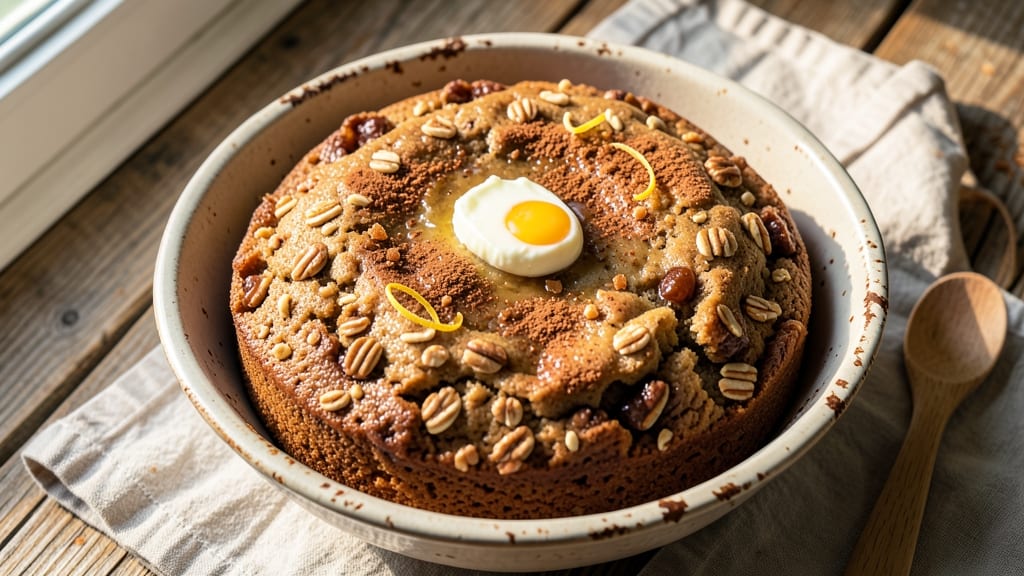
This Amish oatmeal cake recipe delivers the perfect balance of warm spices, tender crumb, and that signature moist texture that keeps slices perfect for days. 💛 The secret lies in the oats—absorbed into the batter while still warm, they create a cake that’s rich yet light, with just enough spice to satisfy any craving.
I’ve baked this version countless times, and it never disappoints, whether served as a breakfast treat or a comforting dessert.
The beauty of this recipe is its simplicity: no fancy equipment, just a bowl, a whisk, and a 350°F oven for 45 minutes of baking. The cake relies on butter and brown sugar for moisture, while cinnamon and nutmeg add that classic Amish warmth.
The oats aren’t just an ingredient—they’re the star, transforming a simple cake into something hearty and deeply satisfying.
What you’ll end up with is a golden-brown cake with a tender crumb and edges that stay moist long after baking. The aroma of cinnamon and vanilla fills the kitchen, making it impossible to resist slicing a piece warm from the oven.
Top it with a dusting of powdered sugar or a simple cream cheese glaze for extra indulgence.
This cake is foolproof—perfect for beginners and seasoned bakers alike. It’s the kind of recipe that feels like a hug in dessert form, with just the right amount of spice and sweetness to keep everyone asking for seconds. Let’s get baking!
Ingredients for amish oatmeal cake
Warm spices, tender crumb, and that signature oatmeal richness—here's what makes this cake magic.
| Ingredient | Amount | Notes |
|---|---|---|
| Unsalted Butter 🧈 | 1 cup | Softened to room temperature |
| Light Brown Sugar 🍚 | 1 ½ cups | Packed firmly, not leveled |
| Large Eggs 🥚 | 2 whole | Room temperature for best mixing |
| All-Purpose Flour 🌾 | 2 cups | Sifted before measuring |
| Old-Fashioned Rolled Oats 🥣 | 1 cup | Not quick oats, toasted lightly |
| Ground Cinnamon 🌿 | 1 ½ tbsp | Freshly ground preferred |
| Ground Nutmeg 🌿 | ½ tsp | Freshly grated for warmth |
| Pure Vanilla Extract 🌸 | 1 tbsp | High-quality, no imitation |
| Baking Soda 🧂 | ½ tsp | Not baking powder |
| Salt 🧂 | ½ tsp | Fine sea salt preferred |
| Milk 🥛 | ½ cup | Whole milk for richness |
| Powdered Sugar 🍚 | ¼ cup | For dusting, optional |
The oats are non-negotiable here. Bob's Red Mill rolled oats are my go-to—they toast beautifully and keep the texture perfect. If you can't find old-fashioned oats, steel-cut oats toasted and ground work in a pinch, but they're not quite the same. Toast them lightly in a dry pan until golden (about 5 minutes)—this deepens their flavor and prevents a raw taste. The butter should be soft but not melted; if it's too firm, microwave it in 10-second bursts until just pliable. And that brown sugar? Pack it tightly—don't scoop and level, or you'll lose moisture.
No vanilla extract? 1 tsp vanilla sugar (or vanilla bean seeds scraped) works in a bind. Short on milk? Buttermilk or even water keeps the batter smooth, though whole milk gives the best texture. The spices are where this cake shines—Penzeys cinnamon has the best warmth, but regular grocery store brands work fine. For nutmeg, pre-grated loses potency fast, so invest in a whole nutmeg and grate it fresh. Want extra moisture? Add 2 tbsp applesauce or sour cream to the batter. And if you're feeling fancy, fold in 1/2 cup chopped walnuts for crunch.
This cake tastes even better the next day—cover tightly and store at room temperature for 2 days, or refrigerate for 5 days. For longer storage, wrap slices in plastic and freeze for up to 3 months. I always bake two cakes: one to enjoy fresh with cream cheese frosting, and one to freeze for lazy weeknight breakfasts. The oats keep it satisfyingly hearty, so it's perfect for brunch or dessert. And that powdered sugar? Only if you're feeling extra—this cake is delicious plain too.
Why You'll Love This Recipe
- I’ll be real: this recipe costs me less than $3 to make. Butter, sugar, eggs, flour—ingredients I already have—and the oats stretch it into two cakes. Leftovers? They disappear in a day, but I’ll make it again anyway.
- No Mixer Needed: I swear by this recipe when I’m in a hurry—just cream butter and sugar, crack eggs, toss in oats, and fold. The texture turns out tender and crumbly without a single whisk stroke.
- Caramelized Oat Magic: Between us, the rolled oats toast just enough to add a subtle crunch, while the brown sugar caramelizes into a buttery depth. It’s like dessert sneaking into breakfast—no one will believe it’s just flour and eggs.
- Breakfast or Dessert: Honestly, this cake is my go-to for lazy mornings and Sunday suppers. Serve it warm with a drizzle of honey for a quick breakfast, or dust it with powdered sugar for a no-fuss dessert that feels special.
Step-by-step instructions for Amish oatmeal cake
Here's how to bake this legendary moist cake with perfect spice balance and tender crumb.
🍳 Step 1: Cream Butter and Sugar for Maximum Moisture
In a stand mixer fitted with the paddle attachment, beat the 1 cup unsalted butter and 1.5 cups light brown sugar on medium speed for 3-4 minutes until light and fluffy. You'll know it's ready when the mixture nearly doubles in volume and becomes pale golden. This creaming process incorporates air, which creates that signature tender crumb.
I like to press down gently on the butter mixture with a spatula during the last 30 seconds—this ensures the sugar crystals fully dissolve and creates an ultra-smooth batter. The reason we use brown sugar here is that its molasses content adds moisture and depth of flavor that white sugar can't match.
👨🍳 Step 2: Add Eggs and Toast the Oats
Add the 2 whole large eggs, one at a time, mixing on low speed for 30 seconds after each addition. Then stir in the 1 tbsp pure vanilla extract and 0.5 cup milk until just combined. In a separate small bowl, toast the 1 cup old-fashioned rolled oats in a 350°F oven for 8-10 minutes until golden and fragrant—this enhances their nutty flavor and prevents them from absorbing too much moisture from the batter.
Here's where it gets fun—the warm oats will create pockets of texture in your cake. I always let the oats cool slightly before adding them to the batter to prevent steaming, which could make the cake dense. The milk here helps balance the richness of the butter while keeping the crumb tender.
🥘 Step 3: Combine Dry Ingredients for Perfect Rise
In a separate bowl, whisk together the 2 cups all-purpose flour, 1.5 tbsp ground cinnamon, 0.5 tsp ground nutmeg, 0.5 tsp baking soda, and 0.5 tsp salt. Sift the flour mixture directly into the wet ingredients while mixing on low speed for 30-45 seconds until just combined. Overmixing develops gluten, which would make the cake tough instead of tender.
Gently fold in the toasted oats using a silicone spatula—you want to distribute them evenly without deflating the batter. The spices here are crucial: cinnamon adds warmth while nutmeg brings that classic Amish spice depth. I always use freshly ground spices when possible—they make a noticeable difference in flavor.
🔥 Step 4: Bake at Low Temperature for Even Cooking
Preheat your oven to 325°F—this lower temperature ensures even cooking and prevents the cake from drying out. Pour the batter into two 8-inch round pans lined with parchment paper (or greased and floured). Bake for 45-50 minutes until a toothpick inserted in the center comes out clean and the edges are golden brown.
Don't walk away during the last 10 minutes of baking! The cake is done when it springs back gently when touched. The lower temperature might seem counterintuitive, but it's what creates that perfectly moist crumb. If your oven runs hot, start checking at the 40-minute mark—every oven behaves differently.
⏰ Step 5: Cool and Dust for Perfect Presentation
Remove the cakes from the oven and let them cool in the pans for 10 minutes, then transfer to a wire rack to cool completely. While they're still warm, dust the tops with the 0.25 cup powdered sugar using a fine-mesh sieve for that classic Amish cake presentation. The powdered sugar adds a delicate sweetness that balances the warm spices.
This cake tastes best at room temperature, so if you're in a hurry, slice it while still slightly warm. The texture should be moist but not gummy, with visible oat flecks throughout. Each bite should deliver that perfect balance of tender crumb, spiced warmth, and buttery richness that makes this cake legendary.
Pro Tips For Making Amish Oatmeal Cake
- Pulse Oats Coarse: DESCRIPTION: Skip the blender—chop those rolled oats with a knife first. I learned this the hard way after my cake turned out gummy; uneven texture means uneven baking. Rough edges toast better and keep the crumb lighter.
- Cream Butter Slow: DESCRIPTION: Let the butter sit at room temp for 30 minutes before mixing, but don’t overdo it. Too soft? It’ll make your cake greasy. Too cold? The sugar won’t dissolve properly. Aim for a pliable, slightly cool butter—press your finger in, and it should leave a faint indent.
- Skip the Overmixing: DESCRIPTION: Fold in the oats and flour just until combined—lumpy is fine. I used to beat this batter like I was punishing it, and ended up with a dense brick. The oats need to stay chunky for texture; overmixing develops the gluten and kills the rustic charm.
- Test Doneness Early: DESCRIPTION: This cake’s dense, so pull it when the edges are set but the center still jiggles slightly—like a wobbly Jell-O. If you wait for a toothpick to come out clean, you’ll have a dry, sad cake. Cover with foil 10 minutes before the suggested time if your oven runs hot.
Make-ahead tips for leftovers
Batter Prep Ahead
Prepare the batter up to 24 hours in advance and store it in an airtight container in the refrigerator. The flavors meld beautifully overnight, and the oats absorb moisture more evenly.
When ready to bake, let the batter sit at room temperature for 30-45 minutes before pouring into pans—this ensures even baking and prevents condensation issues. I always double-check the batter's temperature before baking; it should feel slightly cooler than room temp but not cold. 💛
Baked Cake Storage
This cake keeps exceptionally well! Wrap individual slices in plastic wrap and store them in an airtight container at room temperature for up to 3 days. For longer storage, freeze slices for up to 3 months—thaw at room temperature for 1-2 hours before serving.
The texture remains moist even after freezing, thanks to the oats and butter. I recommend freezing slices on a tray first to prevent sticking, then transferring to a freezer bag.
Freezing Whole Cakes
For maximum freshness, freeze whole baked cakes (unfrosted) in airtight containers or heavy-duty freezer bags. Label with the date and freeze for up to 3 months. To serve, thaw at room temperature for 2-3 hours—this prevents condensation from making the cake soggy.
I often bake two cakes at once: one to enjoy fresh and one to freeze for lazy mornings. The cake reheats beautifully in a 300°F oven for 10 minutes if you prefer it warm.
Make-Ahead Frosting
If you plan to add cream cheese frosting, make it a day ahead and store it in the refrigerator. The frosting thickens as it chills, making it easier to spread. Simply whisk it with a hand mixer before applying to the cooled cake.
For a glaze, mix ½ cup powdered sugar with 1 tbsp milk and ½ tsp vanilla extract—this keeps well in the fridge for 3 days and adds a lovely sheen to the cake.
Portioning for Events
For gatherings, slice the cake into 1-inch thick rounds and stack them on a platter with parchment paper between layers. This keeps slices from sticking and makes serving effortless. Store assembled platters in the fridge for up to 2 days—just bring to room temperature before serving.
The oats make this cake hearty enough for breakfast buffets or dessert tables, and it always disappears quickly! ✨
Nutrition facts
Frequently asked questions
Why does this cake need to bake at 325°F instead of 350°F?
The lower temperature (325°F) ensures even cooking and prevents the oats from burning while keeping the center moist. At 350°F, the outside would brown too quickly, creating a dry crust before the center is fully done. This gentle bake is key to that signature tender crumb that makes this cake so special.
Can I substitute quick oats for old-fashioned rolled oats?
No, quick oats won't work—they absorb too much moisture and create a gummy texture. Old-fashioned rolled oats toast beautifully and add that perfect chewy contrast. If you're in a pinch, toast steel-cut oats for 10 minutes at 350°F until golden, then grind them briefly in a food processor. The flavor won't be identical, but it'll be better than quick oats!
What's the best way to add extra flavor without changing the texture?
Swap ½ cup of the milk for ½ cup strong brewed coffee (cooled) for a subtle mocha note, or add 1 tsp almond extract for depth. For warmth, increase cinnamon to 2 tbsp or add ½ tsp cardamom. The key is to keep the batter's moisture balance—never add more than 2 tbsp of extra liquid. Freshly grated nutmeg always makes a difference too!
Why does my cake sink in the middle even when the toothpick comes out clean?
This usually happens from overmixing or opening the oven door too early. Mix the batter just until combined (about 30-45 seconds after adding flour) and avoid peeking during the last 20 minutes of baking. The cake should spring back gently when touched. If it sinks, try baking at 300°F next time for 55-60 minutes—the slower heat helps set the center properly.
How do I make this cake gluten-free?
Replace the 2 cups all-purpose flour with a 1:1 gluten-free baking flour blend (like Bob's Red Mill 1-to-1) plus 1 tsp xanthan gum. Add 1 tbsp extra milk to compensate for reduced moisture. Note that the texture will be slightly denser, but still delicious! For best results, use a gluten-free measuring cup and sift the flour blend before mixing.