
Desserts
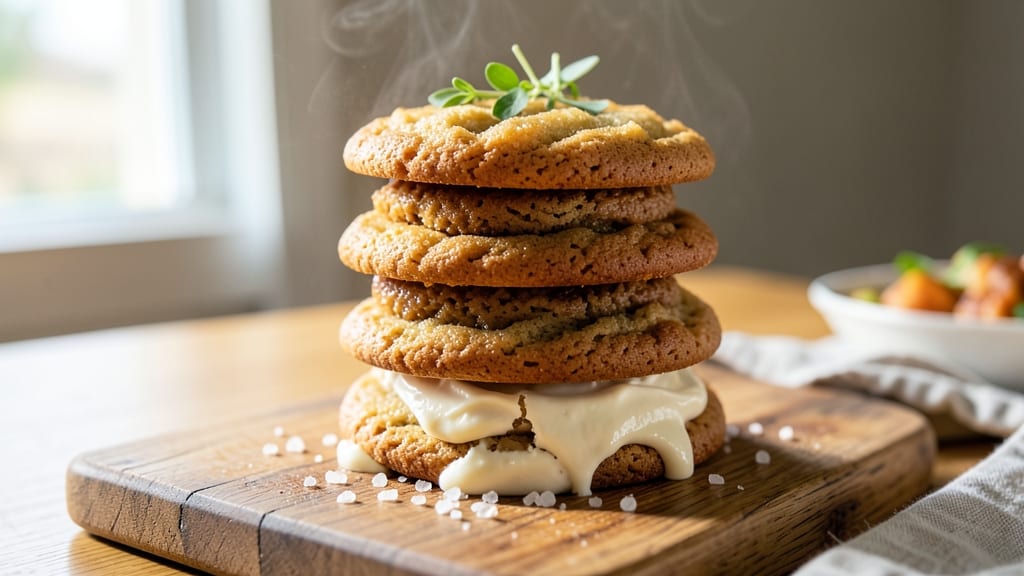
Amish Sugar Cake Cookies deliver that perfect balance of buttery richness and warm spice—just like Grandma used to make. 💛 These classic cookies have been a staple in Amish households for generations, prized for their tender crumb and melt-in-your-mouth texture. The secret lies in the right mix of sugar, butter, and flour, combined with just the right amount of warmth from spices like cinnamon and nutmeg.
What sets these apart is their foolproof method: creamed butter and sugar create a light, airy base, while baking soda ensures a gentle rise. The dough is rolled thin for even baking, resulting in cookies that stay soft in the center with just a hint of crispness around the edges.
This recipe stays true to tradition but includes modern adaptations for easier handling—like using a stand mixer for creaming.
Once baked, you’ll have golden-brown cookies with a delicate crunch and a buttery, spiced flavor that lingers. They’re perfect for holiday gatherings, church potlucks, or a simple treat with a cup of coffee. The aroma alone will fill your kitchen with nostalgia, and the taste? Pure comfort in every bite.
Store them in an airtight container for up to a week, or freeze for longer shelf life. For extra flair, dust with powdered sugar or add a sprinkle of cinnamon after baking. Let’s get baking—these cookies are worth every minute!
Ingredients for amish sugar cake cookie
Buttery richness meets warm spice in these classic Amish Sugar Cake Cookies.
| Ingredient | Amount | Notes |
|---|---|---|
| Unsalted Butter 🧈 | 1 cup | Softened but not melted |
| Granulated Sugar 🍚 | 1 ½ cups | White sugar preferred |
| Light Brown Sugar 🍚 | ½ cup | Packed lightly |
| Large Eggs 🥚 | 2 whole | Room temperature preferred |
| All-Purpose Flour 🌾 | 2 ½ cups | Spooning and leveling |
| Baking Soda 🧪 | 1 tsp | Not baking powder |
| Ground Cinnamon 🌿 | 2 tsp | Freshly ground preferred |
| Ground Nutmeg 🌿 | ½ tsp | Freshly grated nutmeg |
| Salt 🧂 | ½ tsp | Fine sea salt preferred |
| Vanilla Extract 🌸 | 1 tsp | Pure vanilla extract |
| Powdered Sugar 🍚 | ¼ cup | For dusting, optional |
| Ground Cinnamon 🌿 | 1 tbsp | For sprinkling, optional |
Butter quality makes all the difference here—Kirkland Signature or Land O'Lakes are my go-tos, but any good unsalted brand works. The brown sugar should be packed lightly, not scooped and leveled (that's for cake). For the spices, Penzeys or bulk bins at Whole Foods give the freshest ground cinnamon and nutmeg. If you're feeling fancy, toast the spices in a dry pan for 30 seconds to deepen their flavor—trust me, it's worth it. The vanilla extract? McCormick or GoyaWalmart—no imitation stuff here.
No vanilla extract? Vanilla bean paste works in a pinch, or even a scraped vanilla bean pod. Short on brown sugar? Swap for white sugar plus 1 tsp molasses for depth. The baking soda is non-negotiable—it's what gives these cookies that signature tender crumb. If you've got King Arthur flour, it's perfect for this recipe, but any all-purpose will do. For the optional powdered sugar topping, I like Domino brand—it's fine and dissolves easily. And if you're feeling extra, a sprinkle of cinnamon on top after baking adds that classic Amish touch.
Store the baked cookies in an airtight container at room temperature for up to 1 week, or freeze for 3 months. The dough can be chilled for 24 hours if you want to make it ahead—it actually improves the flavor. For extra flair, dust with powdered sugar or add a sprinkle of cinnamon after baking. These cookies reheat beautifully in a 350°F oven for 2-3 minutes—perfect for a quick treat when you want that fresh-from-the-oven taste.
Why You'll Love This Recipe
- No Mixer Needed: I swear, these cookies are that simple—just cream butter and sugars until light, toss in eggs, then fold in flour. No electric mixer, no fuss, just elbow grease for 5 minutes. (Yes, even on a Tuesday night.)
- Buttery Caramel Magic: That combo of brown sugar and butter? It’s like a hug for your taste buds—chewy centers with a crisp edge, and a whisper of molasses depth. Honestly, the first batch disappears faster than I can say "make another tray."
- Holiday or Snack Attack: Pack them in jars for Christmas gifts, freeze half the batch for lazy mornings, or serve warm with coffee. They’re just as welcome at a potluck as they are on my kids’ lunchboxes. (Between us, the kids don’t care about the occasion.)
- Pantry Staple Power: Five ingredients, zero weird substitutes. Butter, sugar, eggs, flour—stuff you already own. And because they keep for weeks in an airtight container, you’ll never waste money on overpriced bakery cookies again. My secret weapon for budget-friendly treats.
Step-by-step instructions for Amish sugar cake cookies
Here's how to make these melt-in-your-mouth cookies with perfect spice balance and buttery crunch.
👨🍳 Step 1: Cream Butter and Sugars Together
In a large mixing bowl, combine the 1 cup unsalted butter with the 1.5 cups granulated sugar and 0.5 cup light brown sugar. I like to use a hand mixer for this—beat on medium speed for 3-4 minutes until the mixture is light and fluffy, nearly doubling in volume. You'll see it go from pale to a creamy, almost pale yellow color.
This creaming process incorporates air, which gives your cookies that signature tender crumb. I press down on the butter mixture with a spatula occasionally to make sure everything's fully combined. If you're using room temperature butter, it should be soft enough to leave a slight indentation when pressed.
👨🍳 Step 2: Add Eggs and Flavorings
Add the 2 whole large eggs, one at a time, mixing well after each addition. Then stir in the 1 tsp vanilla extract, 2 tsp ground cinnamon, 0.5 tsp ground nutmeg, and 0.5 tsp salt. Mix just until combined—you don't want to overwork the dough at this stage.
The spices are what make these cookies special. I always use freshly ground cinnamon and nutmeg for the best flavor. If you're using pre-ground spices, give them a quick sniff to make sure they're still aromatic. The mixture should smell warm and inviting—like a cozy kitchen in autumn.
👨🍳 Step 3: Incorporate Dry Ingredients
In a separate bowl, whisk together the 2.5 cups all-purpose flour and 1 tsp baking soda. Gradually add this dry mixture to the wet ingredients, mixing on low speed just until combined. Be careful not to overmix—you should still see some flour streaks. The dough will be thick and sticky.
Once combined, let the dough rest for 5 minutes at room temperature. This gives the flour time to fully hydrate and helps develop the gluten just enough for structure without making the cookies tough. I like to cover the bowl loosely with plastic wrap during this time.
🔥 Step 4: Shape and Bake
Preheat your oven to 350°F and line two baking sheets with parchment paper. Using a cookie scoop or tablespoon, drop 1-tablespoon portions of dough onto the prepared sheets, spacing them about 2 inches apart. They won't spread much, so you can get a good number on each sheet.
Bake for 10-12 minutes until the edges are golden brown but the centers still look slightly underdone. They'll firm up as they cool. I like to rotate the pans halfway through baking for even cooking. Don't overbake—they should be soft and chewy in the center when you remove them from the oven.
⏰ Step 5: Cool and Finish
Let the cookies cool on the baking sheets for 5 minutes before transferring them to a wire rack. While still warm, brush the tops with a simple glaze made by mixing the 0.25 cup powdered sugar with 1 tablespoon milk (or water). Immediately sprinkle with the 1 tbsp ground cinnamon for that classic Amish finish.
Let the cookies cool completely before serving. The glaze will set and create that beautiful dusting of cinnamon on top. These cookies are best enjoyed warm but taste great at room temperature too. Store any leftovers in an airtight container for up to 5 days—though I doubt they'll last that long!
Pro Tips For Making Amish Sugar Cake Cookie
- CREAM THE BUTTER WELL: Mix your unsalted butter and sugars until the dough is pale yellow and thick—about 3-5 minutes with a stand mixer. I learned this the hard way: under-creaming leaves cookies flat and dry, while overworking it adds air but can make them cakey. Stop when the dough clings to the beaters in a thick ribbon.
- CHILL THE DOUGH LONGER: Wrap the dough in plastic and refrigerate for at least 24 hours—yes, overnight. This isn’t just about flavor (though it develops more depth), but also about texture: the gluten relaxes, and the cookies spread just enough without getting too crisp. I used to skip this and ended up with sad, flat discs every time.
- WEIGH YOUR FLOUR: Scoop and level your all-purpose flour? Nope. Use a kitchen scale for 12 ounces (340g)—packed lightly but not compressed. Flour varies wildly by brand, and scooping adds air, which makes cookies dense. My grandmother swore by this, and she was right: consistent weight = consistent results.
- BAKE ONE PAN AT A TIME: Crowd the oven with two cookie sheets, and you’ll steam your cookies instead of browning them. Bake one pan at a time on the middle rack at 350°F (175°C) for 10-12 minutes until edges are just set but centers still look soft. They’ll firm up as they cool—trust the process. (Your future self will thank you.)
Make-ahead tips for this dish
Dough Prep Ahead
Roll the dough into a log and wrap tightly in plastic wrap. Refrigerate for up to 24 hours—this enhances flavor and makes rolling easier. I like to chill mine overnight; the cold dough rolls out beautifully without sticking.
For extra convenience, divide the dough into 12 equal portions before refrigerating and roll each into a small log for quick baking later. 💫
Bake in Batches
Bake only half the dough at a time to avoid overcrowding. Cookies need 2 inches of space on the sheet to bake evenly. I bake the first batch for 10 minutes, then reduce to 8-9 minutes for subsequent batches—the oven gets slightly hotter as it preheats.
Use a light-colored baking sheet to prevent over-browning on the bottom. 🔥
Freeze for Later
For long-term storage, shape cookies into 1-tablespoon balls, place on a tray, and freeze until solid. Transfer to a ziplock freezer bag and store for up to 3 months.
Bake straight from frozen, adding 1-2 extra minutes to the baking time. I love this method for holiday prep—just pull out what I need when guests arrive. 🧊
Reheat Like Fresh
Warm cookies in a 350°F oven for 2-3 minutes to restore that fresh-from-the-oven texture. For microwave reheating, wrap in a damp paper towel and heat for 10 seconds—just enough to soften without drying. The cinnamon-sugar topping stays intact, so they look as good as they taste. 💛
Make Ahead for Gatherings
Double the recipe and bake all cookies 2 days ahead. Store in an airtight container with parchment paper between layers to prevent sticking. Bring to room temperature before serving—they’ll taste just like day one. I always make extras for church potlucks; they disappear fast! ✨
Decorate in Advance
Prepare the powdered sugar glaze and cinnamon topping separately. After baking, brush cookies with glaze and sprinkle with cinnamon while still warm. Let cool completely, then store in layers with parchment between them. This keeps the topping crisp and prevents smudging. Perfect for gifting! 🎁
Nutrition facts
Frequently asked questions about Amish sugar cake cookies
Why do these cookies need both granulated and brown sugar?
The combination creates the perfect texture and flavor balance. The granulated sugar dissolves quickly for a tender crumb, while the brown sugar adds moisture and chewiness. The brown sugar also deepens the caramel notes, giving these cookies their signature rich taste.
Can I substitute baking soda with baking powder?
No, they're not interchangeable! Baking soda is what gives these cookies their signature tender crumb and rise. Baking powder contains baking soda plus an acid, which would alter the flavor and texture. Stick with 1 tsp baking soda for that classic Amish texture.
How do I prevent my cookies from spreading too much?
Chill the dough for 30 minutes before baking to firm it up. Use a cookie scoop for even portions and bake on a light-colored baking sheet to prevent over-browning. The recipe calls for 350°F—don't overbake, or they'll spread and flatten.
Can I make these cookies gluten-free?
While possible, the texture will differ significantly. Use a 1:1 gluten-free flour blend and add 0.5 tsp xanthan gum to mimic the structure. Expect a denser cookie, but the flavor will still shine. For best results, follow a dedicated gluten-free cookie recipe as a guide.
Why does the recipe call for room temperature eggs?
Room temperature eggs blend more smoothly with the butter and sugar, creating a lighter, airier dough. Cold eggs can cause streaks and prevent proper emulsification. Let them sit at room temperature for 30 minutes before using—just pop them in a bowl of warm water for a quick reset if needed.