
Desserts
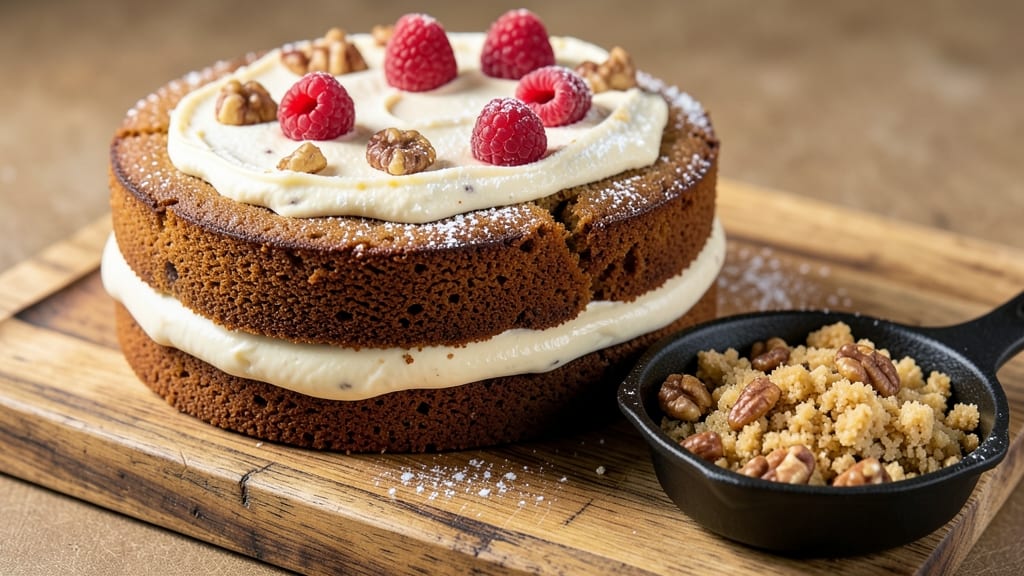
This Andersonville coffee cake recipe delivers the iconic Southern classic you crave—vanilla bean swirls wrapped in a pecan-studded crust that stays moist for days. 💛 The secret lies in a perfectly balanced batter that yields tender layers with just the right crumb, while the pecan topping adds satisfying crunch and nutty depth.
I've baked this version countless times for family gatherings, and it never fails to disappear from the table.
The recipe combines simple pantry staples with a few key techniques that make all the difference: folding vanilla bean paste into the batter creates those signature marbled swirls, while toasting the pecans intensifies their flavor.
Baking at 350°F ensures even cooking, and the cake stays fresh for up to 5 days when stored properly—ideal for meal prep or holiday baking.
What makes this version special is how the textures come together: soft, cake-like layers with pockets of vanilla bean flavor, contrasted by the buttery pecan crust that adds both sweetness and structure.
The aroma alone will have your kitchen smelling like a Southern bakery, and each slice pairs perfectly with steaming coffee or a cup of afternoon tea.
Whether you're serving this classic at a brunch spread or enjoying a slice with your morning brew, this recipe delivers restaurant-quality results with minimal effort. The best part? It's foolproof—even beginner bakers will achieve that perfect balance of tender cake and crunchy topping every time. Let's get baking!
Ingredients for andersonville coffee cake
Simple pantry staples transform into this iconic Southern coffee cake with vanilla swirls and pecan crunch.
| Ingredient | Amount | Notes |
|---|---|---|
| All-Purpose Flour 🌾 | 3 cups | Sifted for light texture |
| Granulated Sugar 🍚 | 1 ½ cups | White or light brown |
| Vanilla Bean Paste 🌿 | 2 tbsp | High-quality for authentic flavor |
| Unsalted Butter 🧈 | 1 cup | Cold, cubed for best texture |
| Large Eggs 🥚 | 2 whole | Room temperature for even mixing |
| Baking Powder 🧂 | 2 tsp | Aluminum-free preferred |
| Salt 🧂 | ½ tsp | Fine sea salt |
| Milk 🥛 | 1 cup | Whole for richness |
| Pecans 🌰 | 2 cups | Raw, shelled, toasted |
| Light Brown Sugar 🍚 | ½ cup | Packed for better texture |
| Melted Butter 🧈 | ½ cup | Cooled slightly for spreading |
| Ground Cinnamon 🌿 | 1 tsp | Freshly ground preferred |
The vanilla bean paste is non-negotiable for that signature flavor. Nelson and James or Madagascar vanilla from a specialty store makes all the difference—it's what gives this cake its signature aroma. Pecans? Trader Joe's or Costco have the best prices in bulk. Toast them yourself for maximum flavor—just spread on a sheet pan at 350°F for 10 minutes, stirring often. The flour should be sifted to avoid dense cake layers, and I always double-check my baking powder hasn't expired (old baking powder = flat cake).
No vanilla bean paste? Pure vanilla extract plus a pinch of sugar works in a pinch, but you'll miss that signature speckled look. Substitute pecans with walnuts if needed, though they'll have a different texture. For the butter, European-style (like Plugrá) gives better flavor, but regular unsalted works fine. The milk can be any kind—whole for richness, but 2% works too. If you're watching sugar, you can reduce the brown sugar slightly and add a splash of vanilla almond milk for moisture.
This cake stays fresh for 5 days wrapped tightly at room temperature, or up to 3 months frozen. I like to slice it warm from the oven and serve with Southern-style black coffee. The pecan topping hardens as it cools, so reheat slices for 20 seconds in the microwave to restore that perfect crunch. Make a double batch—it disappears fast at family gatherings, and leftovers reheat beautifully.
Why You'll Love This Recipe
- No-Mix Madness: The batter comes together so fast—just fold the dry ingredients into the creamed butter and eggs, then stir in that vanilla. No sifting, no measuring cups flying everywhere. (Yes, even on a Tuesday night.)
- Vanilla-Packed Magic: That little jar of vanilla bean paste isn’t just flavor—it’s depth. One whiff of the batter and you’re hooked, and the finished cake? Rich, buttery, with a hint of real vanilla that makes store-bought boxes feel sad by comparison.
- Breakfast or Dessert: Honestly, this cake works everywhere. Serve it warm with coffee for a lazy weekend morning, or slice it cold for a picnic. My kids grab it straight from the fridge for after-school snacks—no judgment here.
- Budget-Friendly Stretch: A single batch feeds six, and leftovers? They’re better the next day. The butter and sugar make it feel special, but the ingredients won’t break the bank. (Between us, I’ve made this on a grocery-store budget—and no one noticed.)
Step-by-step instructions for Andersonville coffee cake
Here's how to create that signature vanilla bean swirl with a crunchy pecan crust—every layer perfect.
👨🍳 Step 1: Make the Pecan-Studded Crust
In a medium bowl, mix together 2 cups pecans, 0.5 cup light brown sugar, and 1 tsp ground cinnamon until evenly coated. Press this mixture firmly into the bottom of a 9x13-inch baking pan using your fingers or the bottom of a measuring cup. You want it packed down tight—this creates that signature crunch.
Next, spread 0.5 cup melted butter evenly over the pecan mixture. Use a fork to gently swirl it into the nuts so every bite gets that buttery crunch. Place the pan in the refrigerator while you prepare the cake batter—this helps the crust set up properly before baking.
👨🍳 Step 2: Prepare the Vanilla Bean Cake Batter
In a large mixing bowl, cream together 1 cup unsalted butter and 1.5 cups granulated sugar using an electric mixer on medium speed for 3-4 minutes. You'll see the mixture lighten in color and become fluffy—this step is crucial for that tender crumb. Scrape down the sides of the bowl with a rubber spatula to ensure everything's well incorporated.
Add 2 whole large eggs, one at a time, mixing well after each addition. Then stir in 2 tbsp vanilla bean paste—this is where the magic happens. The real vanilla flavor will shine through in every forkful. In a separate bowl, whisk together 3 cups all-purpose flour, 2 tsp baking powder, and 0.5 tsp salt. Gradually add the dry ingredients to the wet mixture, alternating with 1 cup milk, beginning and ending with the flour.
🥘 Step 3: Create the Signature Vanilla Swirl
Pour about half of the cake batter over the chilled pecan crust in the pan. Use an offset spatula to spread it evenly. Then, drop spoonfuls of the remaining batter on top of the first layer—don't spread them out. Take a butter knife and gently swirl the batter into the first layer, creating those beautiful marbled patterns. The goal is to get that classic Andersonville look.
Here's the thing—don't overmix. You want to see some of the white batter peeking through the golden layer. This creates pockets of pure vanilla flavor in every bite. Tap the pan gently on the counter a few times to release any air bubbles that might have formed during mixing.
🔥 Step 4: Bake to Golden Perfection
Preheat your oven to 350°F while you prepare the cake. Bake the coffee cake for 45-50 minutes, until the top is golden brown and a toothpick inserted in the center comes out clean. The edges should be pulling away slightly from the pan, and you'll smell that irresistible vanilla aroma filling your kitchen.
I like to tent the pan loosely with aluminum foil during the last 10 minutes of baking if the top is browning too quickly. This helps prevent over-browning while still allowing the cake to cook through. The crust should be crispy, the swirl should be visible, and the cake should spring back slightly when pressed.
⏰ Step 5: Cool and Serve
Remove the coffee cake from the oven and let it cool in the pan for 10 minutes. Then transfer it to a wire rack to cool completely. This resting time is important—it allows the layers to set properly and makes slicing easier. The contrast between the warm cake and cool crust is what makes this coffee cake so special.
Once cooled, cut into 12 equal squares (about 2x2 inches each) and serve warm. The pecan crust should be crunchy, the vanilla swirl should be moist and fragrant, and every bite should deliver that perfect balance of sweet and nutty flavors. Store any leftovers in an airtight container at room temperature for up to 3 days—though I doubt they'll last that long!
Pro Tips For Making Andersonville Coffee Cake
- Cream Butter Properly: Don’t just mix—rub the cold unsalted butter into the flour with your fingertips until it looks like wet sand. I learned this the hard way when my first batch turned out greasy instead of flaky, and now my coffee cake has that perfect crumb every time.
- Measure Sugar Right: Pack the granulated sugar into the measuring cup—don’t scoop it. This recipe relies on the sugar’s weight, not volume, and skipping this step means a denser, less tender cake. (Yes, even if you’re impatient like me.)
- Avoid Overmixing Batter: Stop folding in the dry ingredients as soon as they’re just combined—no streaks, no overworking. I used to mix until it looked "perfect," but that’s how you end up with a tough cake instead of a soft, moist one.
- Bake at 350°F No Higher: This recipe needs steady, even heat—any hotter and the outside burns before the center sets. I was skeptical until I tried it, and now I swear by the thermometer. (Your future self will thank you.)
Essential equipment for this dish
Mixing Essentials
Start with a stand mixer or hand mixer for creaming the butter and sugar—this ensures that light, fluffy texture that’s key to Andersonville coffee cake. I recommend a KitchenAid Artisan Series for its consistent performance, but any quality mixer with a flat beater attachment will work.
For the vanilla bean paste, use a small offset spatula to scrape every last drop from the container—those seeds add depth to the flavor. 🌿
Pan Prep Tools
A 9x13-inch baking pan is non-negotiable for this recipe, but I prefer stoneware pans like CorningWare because they distribute heat evenly and prevent burning. Grease the pan with butter (not oil) before adding the crust—this helps the pecan mixture stick and creates that perfect release when slicing.
A small rubber spatula comes in handy for spreading the batter evenly without tearing the crust.
Baking Precision
An oven thermometer is my secret weapon for consistent results—home ovens can vary by 25°F or more, and baking at 350°F requires precision. I use a Thermoworks Oven Thermometer because it’s accurate and affordable.
For the pecan crust, toast your nuts in a large sheet pan at 350°F for 10 minutes—this intensifies their flavor and prevents them from getting soggy during baking.
Swirl Technique
An offset spatula is essential for creating those signature vanilla swirls. Dip it in warm water before using to help spread the batter smoothly over the crust. For the swirl itself, use a butter knife to gently drag the batter through the first layer—this creates the marbled effect without overmixing.
A small measuring cup also helps portion the batter evenly for consistent swirls.
Cooling and Serving
After baking, transfer the cake to a wire cooling rack to prevent sogginess from residual heat. A sharp chef’s knife (like a Wüsthof) makes clean cuts through the layers, and I like to dip it in hot water between slices to keep them from crumbling.
For serving, a small serving spatula helps lift each square neatly—perfect for presenting at brunch or coffee time. 💛
Nutrition facts
Frequently asked questions
Why does this coffee cake have a swirled pattern?
The signature swirl comes from layering vanilla cake batter over a base layer, then carefully dragging spoonfuls of batter through it. This creates those beautiful marbled patterns while trapping pockets of pure vanilla flavor in every bite. The swirl technique prevents overmixing, which keeps the cake tender and moist.
Can I substitute vanilla extract for vanilla bean paste?
Yes, but you’ll miss the signature speckled look and depth of flavor. Use 2 tbsp pure vanilla extract plus 1 tsp sugar to mimic the intensity. For the best results, invest in high-quality vanilla bean paste—it makes all the difference in that authentic Andersonville taste.
How do I prevent the pecan crust from getting soggy?
Toast the pecans first at 350°F for 10 minutes to intensify their flavor and remove moisture. Press the crust firmly into the pan and chill it for 15 minutes before adding batter. Baking at 350°F ensures the crust stays crisp while the cake cooks through.
Can I make this coffee cake ahead of time?
This cake stays fresh for 5 days at room temperature wrapped tightly in plastic. For longer storage, freeze slices for up to 3 months. Reheat individual slices in the microwave for 20 seconds to restore that perfect crunch.
What’s the best way to slice this coffee cake?
Use a sharp chef’s knife (like Wüsthof) and dip it in hot water between slices to prevent crumbling. For clean cuts, press down firmly and angle the knife slightly. The layers should separate neatly, revealing that beautiful vanilla swirl.