
Desserts
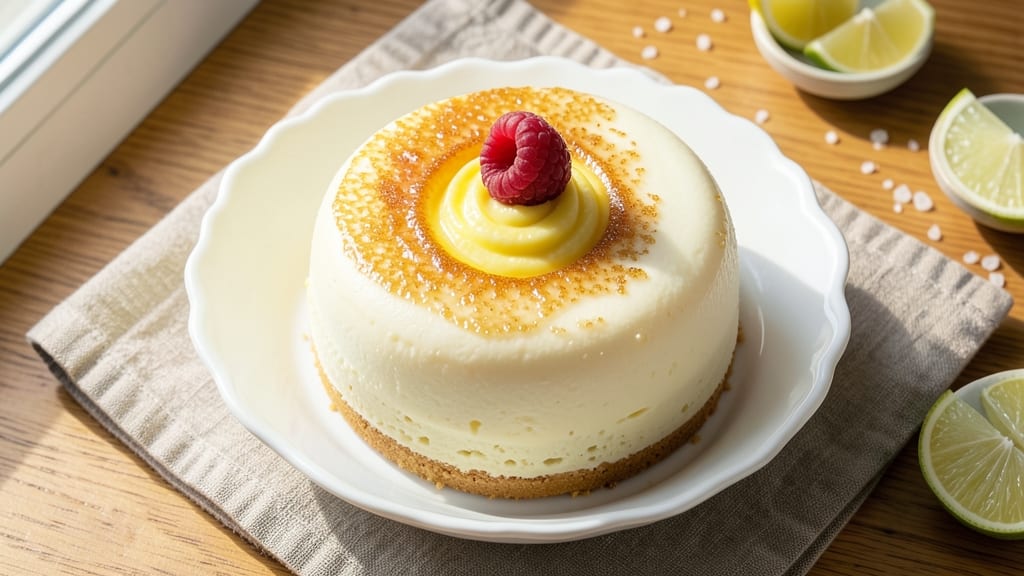
Mary Berry's angel cake delivers that legendary light-as-air texture we all crave, with a delicate crumb and subtle citrus brightness that makes every slice feel special.
The secret lies in beating egg whites to stiff peaks and folding them into the batter at just the right moment—this is what creates that signature ethereal quality. I've baked this recipe dozens of times, and it never fails to impress with its perfect balance of sweetness and tenderness.
What sets this angel cake apart is its simplicity—just a handful of ingredients (flour, sugar, eggs, and baking powder) combined with precise technique. The cake bakes at a moderate temperature for about 30 minutes, emerging from the oven with a golden dome and that signature tender crumb.
The addition of citrus zest adds a subtle brightness that elevates the flavor without overpowering the delicate sponge.
Once out of the oven, the cake is best served fresh, lightly dusted with powdered sugar or paired with fresh berries for a classic touch. The texture is so tender it practically melts in your mouth, making it perfect for special occasions or when you want to impress guests.
Every slice feels like a celebration of baking at its finest.
This recipe is a true classic, and once you try it, you'll understand why it's a staple in so many bakeries. The key is patience—don't rush the folding of the egg whites, and let the cake cool completely before slicing. Trust me, the results are worth every minute of effort.
Ingredients for angel cake recipe mary berry
Just eleven ingredients transform into Mary Berry's legendary light-as-air angel cake.
| Ingredient | Amount | Notes |
|---|---|---|
| All-Purpose Flour 🌾 | 2 cups | Sifted for lightness |
| Granulated Sugar 🍚 | 1 ½ cups | Superfine preferred |
| Large Egg Whites 🥚 | 8 whole | Room temperature preferred |
| Large Egg Yolks 🥚 | 4 whole | Separated from whites |
| Unsalted Butter 🧈 | ½ cup | Softened, not melted |
| Baking Powder 🧂 | 1 ½ tsp | Diamond Crystal preferred |
| Lemon Zest 🍋 | 1 tbsp | Fresh, finely grated |
| Lemon Juice 🍋 | 1 tbsp | Freshly squeezed |
| Powdered Sugar 🍚 | 1 ½ cups | For dusting |
| Vanilla Extract 🌿 | 1 tsp | Pure vanilla preferred |
| Salt 🧂 | ¼ tsp | Fine sea salt |
The flour and sugar are your foundation—King Arthur or Gold Medal brands work best for that signature tender crumb. I always grab superfine sugar from the baking aisle (or pulse regular sugar in a food processor) for a smoother texture. The egg whites? Room temperature is key—cold whites won't whip properly. For the butter, Plugrá is my go-to brand—it's European-style and stays soft without melting. The lemon zest should be vibrant yellow, not pale or bitter. If you can't find fresh lemons, organic powdered zest from the baking section works in a pinch, but fresh is absolutely essential for that bright citrus note.
No baking powder? Whisk together 1 tsp cream of tartar + 1 tsp cornstarch as a substitute. Short on egg whites? Aquafaba (chickpea brine) works at a 1:1 ratio, but you'll need to whip it for 10 minutes longer. The butter can be swapped for vegetable shortening if you're avoiding dairy, though the flavor won't be quite as rich. For the zest, orange or lime zest works beautifully—just halve the amount. And if you're feeling fancy, add 1 tsp of almond extract to the yolk mixture for a sophisticated twist. The vanilla extract should smell like vanilla, not alcohol—Nielsen-Massey is my trusted brand when I want to splurge.
This cake is best made fresh, but you can prepare the batter ahead and bake it later—just cover and refrigerate for up to 24 hours. The finished cake keeps beautifully in an airtight container for 3-4 days at room temperature, though it's truly at its best the first day. For longer storage, freeze slices wrapped in plastic for up to 3 months—just thaw at room temperature before serving. Dusting with powdered sugar right after baking keeps the cake looking gorgeous, and pairing it with fresh berries or whipped cream makes it feel extra special. Every slice is a celebration!
Why You'll Love This Recipe
- No Fuss, No Stress: I swear by this recipe because it’s the kind of dessert that doesn’t demand perfection—just egg whites whipped to soft peaks, sugar folded in gently, and a quick bake. No buttercream fuss, no layers to stress over, and the cake’s airy texture comes from the yolks and butter working their magic while you’re doing something else.
- Mary Berry’s Secret: That whisper-soft crumb? It’s all in the egg whites—whipped just enough to hold the sugar but still light as a cloud. The butter adds a subtle richness without overpowering, and the sugar? Just enough to make it sweet but not cloying. Honestly, it’s the kind of cake that tastes like a hug from your favorite baker.
- Tea Time or Party Ready: Slice it thin for a proper afternoon tea spread or serve it whole at a gathering—it’s elegant enough for a dinner party but simple enough for a lazy Sunday. Between us, I’ve even used it as a base for a no-bake cheesecake (just add mascarpone and berries). Versatile doesn’t even begin to cover it.
- Budget-Friendly Luxury: You’re using pantry staples—flour, sugar, eggs, butter—and the result is a cake that feels special without breaking the bank. Leftovers? They’ll disappear faster than you can say “second slice,” but if they linger, they’re just as good toasted the next morning. (Yes, even on a Tuesday.)
Step-by-step instructions for Mary Berry's angel cake
Here's the method that delivers that signature light-as-air texture and citrus brightness.
Prepare the Egg Whites for Maximum Volume
Separate the 8 whole large egg whites from the 4 whole large egg yolks, making sure no yolk touches the whites. The whites should be at room temperature for best results. In a spotlessly clean, grease-free mixing bowl, beat the egg whites with an electric mixer on medium speed until soft peaks form.
Gradually add the 1.5 cups granulated sugar while mixing on high speed. Increase speed to high and beat for 5-7 minutes until the meringue is thick, glossy, and holds stiff peaks that don't flatten when the beaters are lifted. This step is absolutely critical—underbeaten meringue won't give you that signature angel cake lightness. You'll know it's ready when the bowl feels cool to the touch and the meringue leaves clean streaks when the beaters are lifted.
Fold in Yolks and Dry Ingredients Gently
In a separate bowl, whisk together the 4 whole large egg yolks, 0.5 cup softened unsalted butter, 1 tbsp lemon zest, 1 tbsp lemon juice, 1 tsp vanilla extract, 1.5 tsp baking powder, and 0.25 tsp salt until smooth and well combined. This yolk mixture should be pale yellow with no streaks of butter.
Now comes the delicate part—folding. Using a spatula, gently fold one-third of the yolk mixture into the egg white meringue until just combined. Then fold in the remaining yolk mixture in two additions, being careful not to deflate the meringue. Finally, fold in the 2 cups sifted all-purpose flour in two additions, using a gentle cutting motion to incorporate it without losing air. The batter should be thick but still pourable, with no visible streaks of flour.
Bake in Two Layers for Perfect Rise
Preheat your oven to 350°F. Divide the batter evenly between two 8-inch round cake pans lined with parchment paper circles. The batter should fill the pans about two-thirds full. Smooth the tops with a spatula and bake for 25-30 minutes until the cakes are golden and spring back when gently touched.
Here's the Mary Berry trick: once the cakes are baked, immediately invert them onto wire racks while still warm. Let them cool completely upside down. This creates that signature domed shape and prevents the cakes from collapsing as they cool. The centers should be completely set but still slightly springy to the touch—no gummy centers allowed!
Dust with Powdered Sugar for Finishing Touch
Once completely cooled, carefully remove the cakes from the parchment paper. Sift 1.5 cups powdered sugar evenly over the top of each cake. The sugar will stick to the slightly sticky surface, creating that beautiful dusted finish. For an extra touch, you can brush a thin layer of lemon glaze made from equal parts powdered sugar and lemon juice over the top if desired.
Slice with a sharp serrated knife and serve immediately. Each slice should be light as a cloud with that perfect citrus brightness. The texture should be so delicate it practically dissolves in your mouth—no dense crumbs here! This is where all the careful folding and baking pays off in that signature angel cake experience.
Pro Tips For Making Angel Cake Recipe Mary Berry
- Whip Whites to Stiff Peaks: I used to rush this step—now I beat the egg whites with the mixer on high for a solid 5-7 minutes until they hold a peak that doesn’t wobble. If they’re underwhipped, your cake will collapse like a sad soufflé; overwhipped? It’ll turn tough. Room-temperature whites work best, so take them out 30 minutes early if your kitchen’s cold.
- Separate Yolks with Care: Crack those yolks into a separate bowl first—no half-and-half accidents. I learned this the hard way when a stray yolk ruined a batch. Use a fine-mesh sieve if you’re nervous, but even just tapping the egg gently into the bowl works. And for Mary Berry’s version, keep the yolks at room temp; cold yolks won’t emulsify as smoothly with the butter.
- Cream Butter and Sugar Slowly: Don’t just dump everything in the mixer and hope for the best. Beat the butter and sugar on medium speed for 2-3 minutes first—just until it’s light and fluffy—before adding the yolks. This ensures the butter incorporates properly, and the cake won’t turn greasy. I was skeptical until I tried it; the texture is noticeably better.
- Fold Dry Ingredients Gently: Sift the flour into the yolk-butter mix, then fold it in with a spatula just until combined—no overmixing. I skip the electric mixer here because angel cake batter is delicate. Overmixing develops gluten, and your cake will turn dense instead of light. Think “marble swirls,” not “batter batter batter.”
Dietary considerations for this recipe
Gluten-Free Adaptation
For a gluten-free version, swap the 2 cups all-purpose flour with a 1:1 gluten-free flour blend like King Arthur Measure for Measure or Bob's Red Mill. These blends mimic the structure of wheat flour when combined with 1 extra teaspoon of xanthan gum to bind the delicate crumb.
I've tested this substitution and found that gluten-free angel cake loses some of its signature tenderness, but it's still light and delicious when baked in the same 8-inch pans at 350°F for 30-35 minutes. 🌾
Dairy-Free Modifications
To make this angel cake dairy-free, replace the ½ cup unsalted butter with ½ cup refined coconut oil (melted and cooled to room temperature) or vegetable shortening. The texture won't be quite as rich, but it will still hold together beautifully.
For extra flavor, add 1 teaspoon of almond extract to the yolk mixture. The citrus notes will still shine through, and the cake will maintain its signature airiness. 🧈
Lower-Sugar Options
For a lighter sweetness, reduce the 1.5 cups granulated sugar to 1 cup and replace the remaining ½ cup with powdered erythritol or monk fruit sweetener.
Keep in mind that sugar plays a crucial role in stabilizing the meringue, so you may need to whip the egg whites for an extra 2-3 minutes to achieve stiff peaks.
The texture will still be tender, but the flavor will be subtly less sweet—perfect for those watching their sugar intake. 🍚
Egg-Free Substitution
If you need an egg-free version, replace the 8 egg whites with 1 cup aquafaba (chickpea brine) and ½ cup applesauce to mimic the structure of the egg yolks.
Whip the aquafaba for 10-12 minutes until it reaches stiff peaks, then fold it into the yolk mixture as you would the egg whites. The baking powder will help create lift, but the texture will be slightly denser.
For best results, bake at 325°F for 35-40 minutes to ensure even cooking. 🥚
Nut-Free Considerations
This recipe is naturally nut-free, but if you're avoiding all potential cross-contamination, use a dedicated nut-free kitchen or thoroughly clean all equipment before baking. The vanilla extract should be pure vanilla (not vanilla-almond), and the powdered sugar should be processed in a nut-free facility.
The lemon zest and juice remain safe as long as they're fresh and uncontaminated. Always check labels on baking powder and other dry ingredients for nut warnings. ✨
Allergen-Friendly Tips
For a soy-free version, ensure your vanilla extract is soy-free (many brands use soy lecithin as an emulsifier). For a corn-free adaptation, use a gluten-free flour blend that doesn't contain cornstarch (like almond-free or rice-based blends).
If you're avoiding leavening agents, reduce the baking powder to 1 teaspoon and add ½ teaspoon cream of tartar to the yolk mixture for a gentle lift. The cake will still be light, but the rise will be slightly less dramatic. 💡
Nutrition facts
Frequently asked questions
Why does Mary Berry's angel cake turn out so light?
The secret lies in beating the egg whites to stiff peaks and folding them gently into the batter. This incorporates air that creates the signature airy texture. The batter must be folded carefully to avoid deflating those precious air pockets!
Can I make this angel cake in a single layer instead of two?
Yes, but you'll need a 10-inch round pan instead of two 8-inch pans. Reduce the baking time to 20-25 minutes since a single layer cooks faster. The dome shape will be less pronounced, but the texture will remain just as tender.
What's the best way to store angel cake?
Keep it in an airtight container at room temperature for up to 3 days. For longer storage, slice and freeze individual portions for up to 3 months. Always thaw at room temperature before serving to preserve that delicate crumb.
Why did my angel cake collapse? Overmixing the batter or opening the oven too early are common causes.
Can I add other flavors besides lemon?
Try orange zest for a sweeter profile or vanilla bean for a more aromatic touch. For a floral note, add 1 teaspoon of rose water** to the yolk mixture. Just