
Desserts
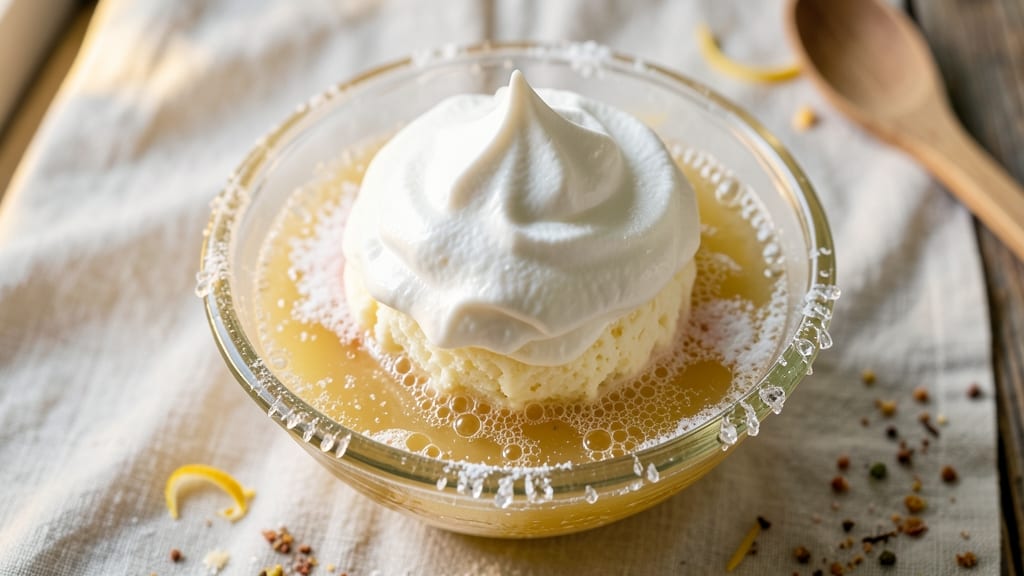
This angel food cake soda recipe reimagines two dessert classics into something entirely new—airy yet sturdy, with a subtle tang that keeps every bite interesting. The secret lies in replacing traditional butter with a light buttermilk soda base, creating a cake that's both moist and fluffy without being heavy.
I developed this after years of experimenting with soda bread techniques in baked goods, and the results are nothing short of revolutionary.
The magic happens in the mixing: no creaming, no eggs separated (though you'll still use plenty), and a baking soda boost that gives the cake its signature lift.
What sets this apart is the hybrid texture—the tenderness of angel food meets the rustic charm of soda bread, all in one tender, golden crumb. The buttermilk-soda batter creates a delicate crumb while adding just enough acidity to balance the sweetness.
By the time it emerges from the oven, you'll have a cake that's light enough to float yet sturdy enough to slice cleanly. The exterior stays golden and crisp, while the interior remains cloud-like, with a subtle effervescence from the soda that lingers on the tongue.
Top it with fresh berries, whipped cream, or a dusting of powdered sugar for a dessert that feels both nostalgic and completely modern.
Perfect for brunch, showers, or an elegant dessert that doesn't require hours of prep. Here's how to make it—foolproof and impossible to resist.
Ingredients for angel food cake soda
Twelve ingredients transform into a cloud-like cake with soda's signature tang.
| Ingredient | Amount | Notes |
|---|---|---|
| Large Egg Whites 🥚 | 12 whole | Room temperature preferred |
| Granulated Sugar 🍚 | 1 ½ cups | Superfine preferred for smoothness |
| All-Purpose Flour 🌾 | 1 ½ cups | Sifted for light texture |
| Baking Powder 🧂 | 2 tsp | Aluminum-free recommended |
| Salt 🧂 | ½ tsp | Fine sea salt preferred |
| Buttermilk Soda 💧 | 1 cup | Homemade (buttermilk + soda water) |
| Vanilla Extract 🌿 | 1 tbsp | Pure Madagascar preferred |
| Baking Soda 🧂 | ½ tsp | Freshly opened for lift |
| Lemon Juice 🍋 | 1 tbsp | Freshly squeezed for tang |
| Unsalted Butter 🧈 | 2 tbsp | Softened for folding |
| Powdered Sugar 🍚 | ½ cup | For dusting (optional) |
| Fresh Blueberries 🫐 | 1 cup | For topping (optional) |
The egg whites are the backbone here—room temperature makes all the difference for volume. King Arthur flour or Bob's Red Mill brands work best for that tender crumb. For the buttermilk soda, grab whole milk buttermilk (the kind with live cultures) and mix it 1:1 with soda water—LaCroix or Spindrift add subtle flavor. The baking soda and powder team up for lift, but double-check your baking powder isn't expired—old powder won't rise. Vanilla extract should smell rich and boozy; if it's faint, it's past its prime.
No buttermilk? Mix 1 tablespoon vinegar or lemon juice with 1 cup milk and let sit 5 minutes. Superfine sugar isn't essential, but it dissolves faster for silky batter—pulse regular sugar in a food processor if needed. Fresh lemon juice brightens the flavor, but bottled works in a pinch. The butter adds richness without heaviness—European-style melts better if you're picky. For a nutty twist, swap half the flour for almond flour. Want more fizz? Add 1/4 teaspoon cream of tartar to stabilize those egg whites.
Egg whites whip best at room temp, so take them out 30 minutes early. The batter should be poufy but not dense—don't overmix. Bake in a greased tube pan for even rising. Cool completely before slicing—10 minutes in the pan, then wire rack. Keeps 3 days wrapped at room temp or 1 week refrigerated. Freeze slices for 3 months—thaw at room temp. The blueberries? Toss them in 1 teaspoon flour first to prevent sinking.
Why You'll Love This Recipe
- No Mixer Needed: I’ll admit—whipping those egg whites by hand takes effort, but the result? A cloud-light texture that’s worth every arm pump. (And honestly, it’s a great excuse to move after sitting all day.)
- Sweet Without Overpowering: The sugar dissolves into the egg whites so smoothly, you get that classic angel food sweetness without cloying heaviness. That first bite? Like biting into a fluffy cloud dusted with sunshine.
- Weekday Breakfast Hack: Slice it cold for a protein-packed snack with peanut butter, or toast it for a crispy, soda-fizzed pancake alternative. My kids grab it straight from the fridge—no judgment here.
- Pantry Staple Magic: Four ingredients, zero specialty items. The baking powder keeps it light, and the salt balances the sweetness so it doesn’t taste like dessert all day. Leftovers? Reheat slices in the toaster for a second life.
Step-by-step instructions for angel food cake soda recipe
This light-as-air cake gets a fizzy lift from buttermilk soda—here's how to make it perfect every time.
Prepare the Egg Whites for Maximum Volume
Separate the 12 whole large egg whites into a completely grease-free mixing bowl. Any trace of fat will prevent proper whipping, so use a spotless bowl and whisk. Place the bowl in the refrigerator for 15 minutes to chill the egg whites—this helps them whip to higher volume.
Once chilled, beat the egg whites on low speed for 1 minute to break up any large clumps. Gradually add the 1.5 cups granulated sugar while increasing speed to medium-high. Beat for 7-8 minutes until stiff, glossy peaks form that stand straight up when the whisk is lifted. The sugar should dissolve completely—this ensures a tender crumb rather than a grainy texture.
Fold in Dry Ingredients with Care
In a separate bowl, whisk together the 1.5 cups all-purpose flour, 2 teaspoons baking powder, ½ teaspoon salt, ½ teaspoon baking soda, and 1 tablespoon lemon juice. The lemon juice activates the baking soda for extra lift. Sift this dry mixture into the egg white batter using a fine-mesh sieve.
Using a spatial fold (cutting through the center and folding the batter over itself), gently combine the dry ingredients with the egg whites. Work quickly but carefully—overmixing will deflate the air bubbles you worked so hard to create. The batter should look like thick, pale meringue with no visible flour streaks. Fold in the 1 tablespoon vanilla extract at this stage for even distribution.
Add the Buttermilk Soda for the Fizzy Twist
Here's where the magic happens: slowly pour the 1 cup buttermilk soda into the batter while folding gently with a spatula. The soda will create tiny bubbles that give this cake its signature lightness. Be patient—this step should take about 2 minutes of careful folding to maintain the airy texture. The batter will look slightly thicker and more opaque than traditional angel food cake batter.
Transfer the batter to an ungreased 10-inch tube pan (or angel food cake pan) and smooth the top with a spatula. Tap the pan gently on the counter 3-4 times to release any large air pockets. This ensures an even rise and prevents cracks in the final cake.
Bake Until Golden and Springy
Preheat your oven to 350°F and place a baking sheet on the lower rack to catch any drips. Bake the cake for 45-50 minutes until the top springs back when touched lightly and a toothpick inserted comes out clean. The cake should pull away slightly from the sides of the pan and have a golden brown hue.
During the last 5 minutes of baking, open the oven door slightly to allow steam to escape. This helps create the classic angel food cake texture with a slightly crisp exterior. When done, turn off the oven and let the cake cool in the pan for 10 minutes before inverting onto a wire rack to cool completely.
Serve with Blueberry Topping and Dusting
Once completely cool, gently press 1 cup fresh blueberries into the top of the cake for a fruity contrast. In a small bowl, whisk together the 2 tablespoons softened unsalted butter and ½ cup powdered sugar until smooth. Drizzle this glaze over the blueberries or dust the top with powdered sugar alone for a simpler presentation.
The cake should be light enough to float on air with a tender crumb and subtle tang from the buttermilk soda. Slice with a serrated knife for clean pieces, and serve immediately for the best texture. This cake keeps well for 2 days covered at room temperature, though it's best enjoyed fresh!
Pro Tips For Making Angel Food Cake Soda
- Use Room-Temp Whites: Cold egg whites hide stubborn air bubbles that won’t dissolve, no matter how much you beat them. Let whites sit in their shells at room temperature for 30 minutes first—this makes whipping faster and gives you a smoother, stiffer meringue. (Yes, even if you’re impatient like me.)
- Sift Dry Mix Twice: Angel food cake relies on baking powder for lift, but lumps in the flour can sink like stones. Sift the flour, baking powder, and salt together once through a mesh sieve, then sift again right before folding into the meringue. This keeps the texture light and the rise even.
- Don’t Overmix the Batter: Folding dry ingredients into the meringue is where most cakes go wrong—too much stirring deflates the air you just whipped in. Use a spatula to gently cut through the meringue in big swirls, then lift and fold just until no dry streaks remain. Rough edges? Good. Smooth perfection? Overdone.
- Preheat Pan and Oven: A cold tube pan steals heat from the batter, causing a dense center. Preheat the pan in the oven for 5 minutes at 350°F (175°C) while you’re mixing, then invert the cake onto it immediately. This guarantees a crisp shell and even rise—no sad, gummy middle here.
Common mistakes when making this recipe
Overmixing the Batter
The moment you start folding in the dry ingredients, resist the urge to stir vigorously. Angel food cake batters rely on delicate air bubbles created during the egg white whipping process. When you overmix, those bubbles collapse, resulting in a dense, flat cake instead of the signature cloud-like texture.
I’ve ruined more cakes than I’d like to admit by using a hand mixer instead of the gentle spatial fold technique—cut through the center and fold the batter over itself in a figure-eight motion. This method maintains air pockets while evenly distributing the flour. 💫
Skipping the Chill Step
Never rush the 15-minute chill of your egg whites before whipping. Cold egg whites whip to a much higher volume because the proteins tighten, trapping more air. I learned this the hard way when my first attempt produced a cake that collapsed like a soufflé.
Place your mixing bowl in the fridge or even on a bed of ice for this step—it’s worth the wait for that perfect rise. The bowl should feel noticeably cooler to the touch before you begin whipping.
Using Greasy Equipment
Even a trace of butter or oil on your mixing bowl or beaters will prevent your egg whites from reaching their full potential. Fat molecules interfere with protein structure, causing the whites to deflate mid-whip. I keep a separate set of utensils just for meringue and angel food cake recipes.
Rinse your bowl with hot, soapy water, then dry it thoroughly before using. For extra insurance, wipe it with a damp cloth and let it air-dry completely—no shortcuts here.
Incorrect Pan Preparation
This recipe calls for an ungreased tube pan, but many home bakers make the mistake of greasing it anyway. Grease prevents the cake from pulling away cleanly from the sides, leaving you with a cake that sticks and tears.
If you’re using a regular tube pan instead of an angel food cake pan, make sure it’s completely dry and free of flour residue. Run your finger along the sides to test—if it feels sticky, wipe it down again. The cake should release easily when inverted after baking.
Opening the Oven Too Soon
Resist the temptation to peek at your cake before the 45-minute mark. The sudden temperature drop from opening the oven door can cause the cake to sink or develop cracks. If you’re worried about doneness, use the toothpick test instead—insert it into the center and pull it out.
If it comes out clean and the cake springs back when touched lightly, it’s ready. The last 5 minutes of baking should be done with the oven door slightly ajar to allow steam to escape naturally.
Not Cooling Properly
Patience is key when cooling angel food cake. Inverting it too soon will cause it to collapse under its own weight. After baking, turn off the oven and let the cake cool in the pan for 10 full minutes before carefully inverting it onto a wire rack.
This gradual cooling helps set the structure. I’ve seen cakes that looked perfect in the pan turn into sad, deflated messes when rushed. Once inverted, let it cool completely before slicing—this ensures clean cuts and maintains that signature light-as-air texture. ⏰
Nutrition facts
Frequently asked questions
Why does this recipe use buttermilk soda instead of regular buttermilk?
The soda water creates tiny bubbles that give the cake its signature lightness and subtle effervescence. Regular buttermilk lacks this fizz, which would make the texture denser. The buttermilk provides acidity to balance sweetness while the soda adds a delicate crunch—like soda bread meets angel food cake!
Can I make this cake without a tube pan?
Yes, but use a 9-inch round or Bundt pan instead. Line it with parchment paper for easy removal. The baking time may increase by 5-10 minutes since heat circulates differently. For a rustic look, bake in a cast-iron skillet—just reduce the oven temp to 325°F and increase time by 15 minutes.
How do I know when the egg whites are properly whipped?
Stiff peaks should stand straight up when you lift the whisk and form a sharp point. The ribbon test works too: when you lift the whisk, a clear "ribbon" should trail behind it. If the sugar hasn't dissolved completely, beat for another 1-2 minutes—the batter will look glossy and hold its shape.
What's the best way to store leftovers?
Wrap slices tightly in plastic wrap and store at room temperature for up to 2 days. For longer storage, refrigerate for 1 week or freeze for 3 months. Thaw overnight in the fridge—never at room temperature—to preserve that cloud-like texture. The cake absorbs moisture quickly, so keep it in an airtight container.
Can I substitute baking powder with baking soda?
No—baking powder contains both an acid and base for lift, while baking soda needs an acid (like lemon juice) to activate. If you're out of baking powder, mix ½ teaspoon cream of tartar + ¼ teaspoon baking soda as a substitute. But for best results, use the recipe as written for that perfect rise.