
Desserts
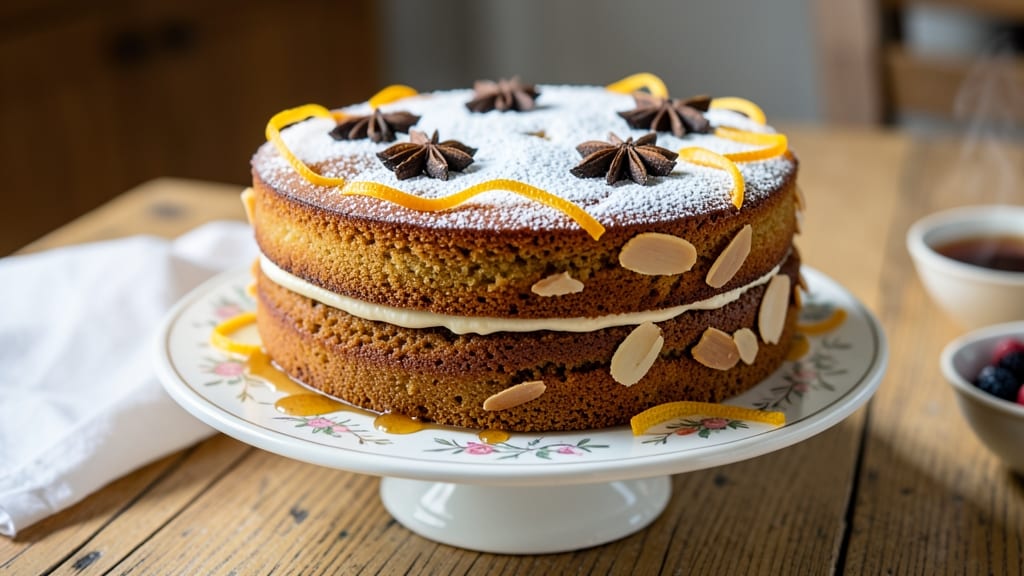
This anise pound cake recipe delivers a sophisticated twist on a classic dessert, blending warm spices with bright citrus notes for a flavor profile that’s both comforting and unexpected. ✨ The secret lies in balancing anise’s licorice-like depth with vanilla and lemon zest, creating a cake that’s moist, tender, and subtly aromatic—without overpowering sweetness.
Traditional pound cake techniques ensure a rich, buttery texture, while the anise extract infuses every slice with a gentle, herbal warmth.
The recipe follows a foolproof creaming method, where butter and sugar are whipped to incorporate air, resulting in a light yet dense crumb. High-fat ingredients like butter and eggs create that signature pound cake richness, while the anise extract and whole seeds add complexity without dominating.
Baking at a precise temperature ensures a golden crust and even rise, with a hint of caramelization at the edges for extra depth.
What sets this cake apart is its versatility—serve it plain for a sophisticated dessert or dust with powdered sugar and a sprinkle of citrus zest for a festive touch. The anise flavor shines in every bite, offering a unique twist on a timeless classic.
Whether you’re baking for a special occasion or treating yourself to a homemade indulgence, this recipe delivers restaurant-quality results with minimal effort.
For best results, let the cake cool completely before slicing to maintain its structure, and store leftovers in an airtight container for up to five days.
The anise notes mellow slightly over time, making the cake even more delightful the next day. Ready to elevate your dessert repertoire? Let’s get baking!
Ingredients for anise pound cake
Eight slices of rich, spiced cake await—just these ingredients transform into a tender, aromatic masterpiece.
| Ingredient | Amount | Notes |
|---|---|---|
| Unsalted Butter 🧈 | 1 lb | Softened to room temperature |
| Granulated Sugar 🍚 | 2 cups | Superfine preferred for smooth texture |
| Light Brown Sugar 🍚 | ½ cup | Packed firmly for moisture |
| Large Eggs 🥚 | 4 whole | Room temperature for even mixing |
| All-Purpose Flour 🌾 | 2 cups | Sifted for light crumb structure |
| Anise Extract 🌿 | 1 tbsp | Pure, high-quality extract |
| Whole Anise Seeds 🌶️ | 1 tbsp | Lightly toasted for enhanced flavor |
| Pure Vanilla Extract 🍯 | 1 tbsp | Bottled vanilla preferred |
| Lemon Zest 🍋 | 1 tbsp | Freshly grated from organic lemons |
| Ground Cinnamon 🌿 | 1 tsp | Freshly ground for warmth |
| Salt 🧂 | ½ tsp | Fine sea salt for balance |
| Powdered Sugar 🍚 | ½ cup | For dusting finished cake |
| Milk 🥛 | ½ cup | Whole milk for richness |
The butter and sugar are the foundation here—use European-style butter if you can find it, like Plugrá or Kerrygold, for a higher fat content and richer flavor. The anise extract is non-negotiable; McCormick or Frontier brands are reliable for consistent quality. For the anise seeds, Whole Foods or specialty spice shops carry the best—look for vibrant, whole seeds without any broken pieces. The vanilla extract should be pure, with no artificial additives—Madagascar Bourbon is my go-to. Organic lemons ensure the zest has maximum citrus punch, so don’t skip the fresh grating. If you’re short on time, Trader Joe’s carries pre-grated zest in the freezer section, though fresh is always better.
No anise extract? Fennel seeds ground to a fine powder can mimic the flavor, though it’s not identical. Running out of vanilla? Vanilla bean paste works in a pinch, but reduce the amount by half. The milk can be swapped for heavy cream for extra richness, or even unsweetened almond milk if you’re avoiding dairy. For the sugar, turbinado sugar adds a subtle caramel note if you want to experiment. The cinnamon is purely for warmth—substitute with nutmeg or cardamom if you prefer a different spice profile. Always sift your flour to avoid a dense crumb, and don’t overmix the batter once the dry ingredients are combined.
This cake keeps beautifully—up to 5 days in an airtight container at room temperature, though it’s best enjoyed fresh. For longer storage, wrap tightly in plastic and refrigerate for up to 2 weeks. The anise flavor actually improves slightly over time, so leftovers are just as delightful. To reheat, warm slices in a 200°F oven for 5-10 minutes to restore moisture. The powdered sugar dusting is optional but adds a festive touch—use a fine-mesh sieve for an even layer. If you’re making this ahead for a gathering, bake it 1 day in advance—the flavors meld even better.
Why You'll Love This Recipe
- Butter Creamy Texture: That rich, velvety crumb? Pure magic from creaming butter with both granulated and brown sugar—it’s tender, moist, and stays fresh for days. I swear, the first slice out of the pan makes me pause mid-bite.
- Anise Magic: Honestly, the star here is anise—it’s like a warm, licorice-kissed hug in every bite. The seeds bloom in the oven, giving that subtle, sophisticated sweetness that’s not too overpowering. (Yes, even if you’ve never used anise before.)
- One-Bowl Wonder: Three ingredients, one bowl, no fuss. You’ll mix the butter, sugars, and eggs first, then fold in the flour—done. No sifting, no extra steps, just a simple batter that comes together faster than you can preheat the oven.
- Budget-Friendly Luxury: This cake costs next to nothing but tastes like a bakery treat. Butter and sugar are the heavy hitters, but they stretch far—great for feeding a crowd or saving slices for days without guilt. My freezer’s full of these, and they’re just as good reheated.
Step-by-step instructions for anise pound cake
Here's how to create a perfectly moist pound cake with aromatic anise and bright citrus notes.
👨🍳 Step 1: Cream Butter and Sugars Together
In a stand mixer fitted with the paddle attachment, beat the 1 lb unsalted butter on medium speed for 2-3 minutes until completely smooth and pale. This ensures no lumps remain for a tender crumb. Gradually add the 2 cups granulated sugar and 0.5 cup light brown sugar, mixing continuously until the mixture is light and fluffy—about 3-4 minutes total. You'll see it nearly double in volume and become pale yellow.
Here's the thing—this creaming process incorporates air, which creates that signature tender texture. If you're using a hand mixer, work in 30-second bursts to prevent overheating the butter. The mixture should be thick enough to leave a trail when the paddle lifts out.
👨🍳 Step 2: Add Eggs and Flavorings
Add the 4 whole large eggs, one at a time, mixing well after each addition until fully incorporated. The mixture will look slightly curdled at first, but don't worry—it will smooth out. Stir in the 1 tbsp anise extract, 1 tbsp pure vanilla extract, 1 tbsp lemon zest, and 1 tsp ground cinnamon until evenly distributed. The anise extract has a strong flavor, so don't overdo it—just 1 tablespoon is perfect for this recipe.
Next, in a separate bowl, whisk together the 2 cups all-purpose flour, 0.5 tsp salt, and the 1 tbsp whole anise seeds. The seeds add a subtle, textural contrast to the cake's flavor. Sift this dry mixture over the wet ingredients and mix on low speed just until combined—you should still see some flour streaks. Overmixing develops gluten and makes the cake tough.
🥘 Step 3: Combine Milk and Prepare the Batter
Add the 0.5 cup milk to the batter and mix on low speed until just combined. The batter will be thick and slightly sticky, which is exactly what you want for a moist pound cake. Scrape down the sides of the bowl with a spatula to ensure even mixing. The batter should be smooth, with no dry spots of flour remaining.
Here's a pro tip: If your batter seems too thick, add 1-2 tablespoons of milk to loosen it slightly. The ideal consistency should be like thick pancake batter—it should hold its shape when dropped from a spoon but still be pourable.
🔥 Step 4: Bake to Golden Perfection
Preheat your oven to 350°F. Generously grease and flour two 9-inch round cake pans or one 9x5-inch loaf pan. Divide the batter evenly between the pans—you should have about 1½ cups per pan if using rounds, or all the batter in the loaf pan. Tap the pans gently on the counter to remove any air bubbles.
Bake for 50-60 minutes (or 70-80 minutes for the loaf pan) until a toothpick inserted into the center comes out clean. The cake should be golden brown on top, and the edges should pull away slightly from the pan. If the top browns too quickly, loosely tent the pans with aluminum foil after 30 minutes to prevent overbrowning.
⏰ Step 5: Cool and Dust with Powdered Sugar
Remove the cake from the oven and let it cool in the pans for 10 minutes. Then transfer to a wire rack to cool completely. This gradual cooling prevents cracking. Once fully cooled, dust the top generously with the 0.5 cup powdered sugar using a fine-mesh sieve. This adds a beautiful finish and balances the warm spices with a touch of sweetness.
Slice with a serrated knife for clean cuts, and serve at room temperature. The cake will keep well at room temperature for 3 days or in the refrigerator for up to 5 days. For best flavor, let it sit at room temperature for 30 minutes before serving to allow the spices to mellow.
Pro Tips For Making Anise Pound Cake
- CREAM BUTTER AND SUGARS FIRST: I learned this the hard way—whipping cold butter and sugar together in one go just makes the batter fight you. Instead, beat the butter until it’s soft but not melted (about 3-5 minutes), then add the sugars and let the mixer do the work. The butter needs to emulsify properly, or your cake will turn out dense and greasy.
- USE ROOM-TEMP EGG WHITES: Cold egg whites are the silent saboteur of pound cake texture. Let them sit in warm water for 5 minutes before whipping—this keeps them from deflating when folded into the batter. Trust me, your cake’s rise depends on it.
- DON’T OVERMIX THE FLOUR: Once you fold in the flour, stop mixing the second it disappears. Overmixing develops gluten, and your cake will turn out tough instead of tender. Use a spatula to gently fold just until combined—think "no more streaks, no more effort."
- BAKE UNTIL 200°F INTERNAL: The cake’s done when the center hits 200°F, not when it looks golden. I used to pull it out too soon, ending up with a gummy middle. A thermometer is worth its weight in butter here—no guesswork, no regrets.
Creative variations of this dish
Citrus-Anise Twist
Swap the lemon zest for orange zest and add ½ tsp orange extract to create a bright, zesty variation. The orange complements anise beautifully, adding a tropical warmth. I’ve found that 1 tsp cardamom enhances this combo—it pairs perfectly with orange’s citrus notes. 🍊
Spiced Rum Infusion
For an adult-friendly version, replace 2 tbsp of milk with 2 tbsp dark spiced rum (like Captain Morgan or Gosling’s Black Seal). The rum’s caramel and spice notes amplify the anise’s warmth while adding depth. Let the cake sit overnight before serving to let the alcohol mellow.
Chocolate-Dipped Layers
After baking, slice the cake horizontally and fill the layers with ½ cup whipped cream cheese frosting (mix 4 oz cream cheese, 2 tbsp powdered sugar, and 1 tsp vanilla).
Dust with dark chocolate shavings for a sophisticated contrast. The chocolate cuts through the anise’s licorice intensity beautifully. 🍫
Caramelized Topping
For a decadent finish, drizzle the cooled cake with a simple caramel sauce made from ½ cup brown sugar, 2 tbsp butter, and 2 tbsp heavy cream.
Simmer for 5 minutes until glossy, then let cool slightly before pouring over the cake. The caramel’s sweetness balances the anise’s herbal bite perfectly.
Coffee-Anise Loaf
Transform this into a coffee lover’s cake by adding 1 tbsp instant espresso powder to the dry ingredients and ½ cup strong brewed coffee to the wet mix.
The coffee deepens the anise’s earthy notes while adding a subtle bitterness. Bake in a 9x5-inch loaf pan for easy slicing and portability. ☕
Gluten-Free Adaptation
Replace the 2 cups all-purpose flour with a 1:1 gluten-free flour blend (like Bob’s Red Mill or King Arthur). Add ½ tsp xanthan gum to bind the crumb.
The texture will be slightly denser, but the anise flavor remains vibrant. For extra moisture, reduce the milk by 2 tbsp and add 2 tbsp applesauce**.
Nutrition facts
Frequently asked questions
Why does this anise pound cake have a licorice-like flavor?
The anise extract and whole seeds add that signature licorice note, but don't worry—the recipe balances it perfectly with bright citrus (lemon zest) and warm vanilla. The anise flavor is subtle and aromatic, not overpowering. Think of it like a whisper of herbal warmth in every bite!
Can I substitute anise extract with something else?
Yes! If you're out of anise extract, try 1 tbsp fennel seeds (ground) or ½ tsp star anise powder. Both provide a similar herbal depth. For a different twist, 1 tsp licorice root powder also works. Just remember these may alter the flavor slightly—start with half the amount and adjust to taste.
How do I prevent my pound cake from cracking?
Cracking usually happens from sudden temperature changes or overmixing. Let the cake cool gradually in the pan for 10 minutes before transferring to a rack. Also, avoid opening the oven door too early—rapid cooling creates stress. For extra insurance, bake at 325°F instead of 350°F for a slightly longer time.
What's the best way to store leftovers?
Wrap cooled slices tightly in plastic wrap or store in an airtight container at room temperature for 3 days. For longer storage, refrigerate for up to 5 days (though it's best enjoyed fresh). The anise flavor actually improves slightly as it sits! For extra freshness, place a slice of bread in the container to absorb moisture.
Can I make this cake in a different pan shape?
This recipe works beautifully in 9-inch round pans, 9x5-inch loaf pans, or even a 9-inch square pan. Just adjust baking times: rounds take 50-60 minutes, loaves 70-80 minutes, and squares 45-55 minutes. The key is to use the same batter volume—just divide it evenly between your chosen pans.