Desserts
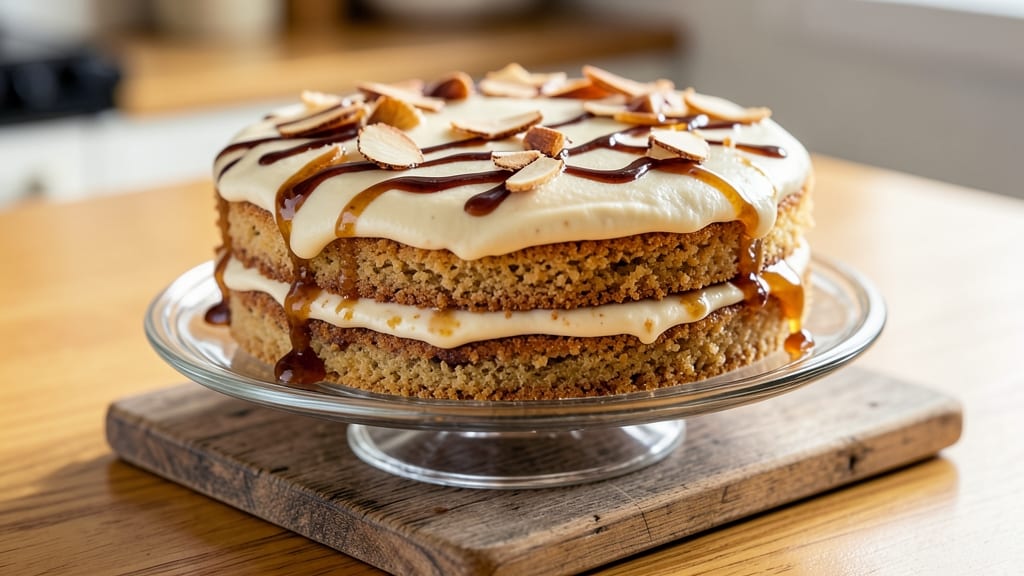
Ann Page's Spanish bar cake delivers triple-layered richness with rum-infused moisture that keeps every slice perfectly tender. This iconic dessert—known as Tarta de Santiago—combines almond flour, eggs, and sugar into a velvety texture, topped with the traditional cross of St. James.
The recipe balances traditional Spanish techniques with modern baking precision, ensuring a cake that's both nostalgic and foolproof.
The secret to this cake's legendary texture lies in the rum-soaked layers and precise baking at 350°F, creating a moist interior with a delicate crumb. Ann Page's method simplifies the classic while preserving its signature depth—no specialized equipment needed.
Each component, from the almond base to the final glaze, works together to deliver a dessert that's elegant yet approachable.
What makes this recipe stand out is its versatility—whether you follow the traditional almond version or experiment with chocolate or citrus variations. The cake's signature cross imprint isn't just decorative; it honors Spain's culinary heritage while adding a touch of authenticity.
Perfect for celebrations or everyday indulgence, this cake proves that tradition and innovation can coexist beautifully.
Ready to bake a cake that's as impressive as it is delicious? The step-by-step instructions guide you through every layer, ensuring your Spanish bar cake turns out moist, flavorful, and restaurant-quality at home. Let's get started on creating this timeless dessert masterpiece.
Ingredients for ann page spanish bar cake
Almond flour, rum-soaked layers, and triple baking create this legendary Spanish dessert's signature texture.
| Ingredient | Amount | Notes |
|---|---|---|
| Almond Flour 🌰 | 2 ½ cups | Finely ground, unsweetened |
| Large Eggs 🥚 | 6 whole | Room temperature preferred |
| Granulated Sugar 🍚 | 2 cups | Superfine preferred for smooth texture |
| Unsalted Butter 🧈 | 1 ½ cups | Cold, cubed for best texture |
| Dark Rum 🍹 | ½ cup | 180-proof or higher for intensity |
| Vanilla Extract 🌸 | 2 tsp | Pure Madagascar preferred |
| All-Purpose Flour 🌾 | ½ cup | For structural support |
| Baking Powder 🧂 | 1 tsp | Aluminum-free for best flavor |
| Salt 🧂 | ½ tsp | Fine sea salt preferred |
| Powdered Sugar 🍚 | 3 cups | For glaze, sifted |
| Lemon Zest 🍋 | 1 tbsp | Fresh, finely grated |
| Confectioners' Glaze 🍬 | ¼ cup | Optional for shine (optional) |
| Almond Slices 🌰 | ¼ cup | For garnish, toasted |
The almond flour is non-negotiable here—Bob's Red Mill or Anthony's Goods brands deliver the finest grind. If you can't find unsweetened, sift out the skin with a fine-mesh sieve. Eggs should be room temperature—cold ones cause dense layers. For the rum, Bacardi 151Havana Club 7-year add depth without overpowering. Pro tip: Toast your almond slices in butter for 2 minutes at 350°F before garnishing—it intensifies their flavor. The butter? European-style if possible, but any good-quality unsalted works.
No almond flour? Substitute with 2 cups finely ground blanched almonds, but pulse in a food processor until ultra-fine. Short on rum? Orange liqueur or brandy at half the amount works in a pinch. For the sugar, superfine is ideal, but pulse regular granulated in a food processor for 30 seconds if needed. The vanilla extract matters—Madagascar Bourbon has more complexity than imitation. If you're feeling experimental, swap 1/4 cup of the almond flour for cocoa powder or freeze-dried citrus zest for a modern twist. Just don't skip the baking powder—it's what gives the cake its signature lift.
The glaze keeps for 1 week in an airtight container at room temperature, but the cake itself? 3 days max in the fridge—after that, the layers dry out. Wrap tightly in plastic wrap with parchment between layers to preserve moisture. For make-ahead magic, bake the layers 2 days aheadsharp knife or metal cross mold—press firmly to create a clean break. Freeze unbaked layers for 1 month if you're planning ahead.
Why You'll Love This Recipe
- No Mixer Needed: This cake comes together with just a whisk and a bowl—no stand mixer, no food processor, just good old elbow grease. The almond flour gives it that signature crumb without requiring sifting or special prep.
- Rum-Kissed Magic: That splash of dark rum in the batter? It’s the secret weapon—warm, boozy, and just sweet enough to make every bite feel like a little treat. Honestly, I’ve never met a cake that doesn’t improve with a little liquor.
- Crowd-Pleaser Any Day: Whether it’s a last-minute birthday dessert or your go-to office potluck contribution, this cake delivers. The buttery layers and sugar crust make it feel fancy, but it’s actually the kind of thing you’ll bake when you’re too tired for anything complicated.
- Leftovers? Even Better: This cake holds up beautifully for days—no soggy layers here. Between us, it’s the kind of dessert that gets better the next day, especially if you store it in the fridge. Perfect for when you bake once but want seconds for a week.
Step-by-step instructions for ann Page's Spanish bar cake
This triple-layered masterpiece delivers the signature rum-soaked moisture and tender crumb you crave.
Prepare the Rum-Infused Syrup
In a small saucepan, combine the 0.5 cup dark rum, 2 cups granulated sugar, and 1 tbsp lemon zest. Bring to a gentle simmer over medium heat until the sugar fully dissolves and the mixture reaches 230°F on a candy thermometer. This concentrated syrup is what makes the cake famously moist—don't rush this step.
Once the syrup reaches temperature, immediately remove from heat and let it cool to room temperature. The rum will mellow slightly as it cools, but it retains enough intensity to infuse each layer with that classic Spanish bar flavor. I like to stir occasionally while cooling to prevent skin formation on the surface.
Whip the Butter and Egg Mixture
In a stand mixer fitted with the paddle attachment, beat the 1.5 cups unsalted butter (cold, cubed) and 2 cups granulated sugar on medium speed for 3-4 minutes until light and fluffy. This creaming process incorporates air, which creates the cake's signature tender crumb. Scrape down the sides occasionally to ensure even mixing.
Add the 6 whole large eggs one at a time, mixing on low speed for 30 seconds after each addition. Then add the 2 tsp vanilla extract and mix for 10 seconds to combine. The mixture should be thick and pale—almost like a pale yellow ribbon when you lift the paddle. This is your base for the moist layers ahead.
Combine Dry Ingredients and Syrup
In a separate bowl, whisk together the 2.5 cups almond flour, 0.5 cup all-purpose flour, 1 tsp baking powder, and 0.5 tsp salt. Gradually add this dry mixture to the butter-egg mixture, mixing on low speed just until combined. Be careful not to overmix—you want to maintain that light, airy texture.
Add the cooled rum syrup in 3 equal additions, mixing on low speed after each addition until just combined. The batter will be thick but pourable. Here's the thing—this batter needs to be at room temperature before baking. If your kitchen is cold, let it sit for 10-15 minutes while you prepare your pans.
Bake the Triple Layers
Preheat your oven to 350°F. Grease three 8-inch round cake pans and line the bottoms with parchment paper. Divide the batter evenly among the pans. Bake for 25-30 minutes, or until a toothpick inserted into the center comes out clean. Rotate the pans halfway through baking for even browning.
Let the layers cool in their pans for 10 minutes, then transfer to a wire rack to cool completely. The cooling process is crucial—it allows the layers to set properly before assembly. If you try to work with warm layers, the filling will leak out and the cake will collapse. Trust the process and let them cool completely.
Assemble and Glaze the Cake
Once completely cool, level the tops of the layers if needed. Place the first layer on a cake stand or plate. Spread a thin layer of the 3 cups powdered sugar mixture (whisked with 1 tbsp lemon zest) over the top, then add the second layer. Repeat with the remaining sugar mixture and top layer.
For the final touch, brush the entire cake with the 0.25 cup confectioners' glaze (if using) and arrange the 0.25 cup toasted almond slices decoratively on top. This glaze adds that signature shine while keeping the cake moist. Let the glaze set for 10 minutes before slicing—this ensures clean cuts and prevents filling from oozing out. Serve at room temperature for the best texture and flavor.
Pro Tips For Making Ann Page Spanish Bar Cake
- Whisk Eggs Until Ribbon Stage: I learned this the hard way—underwhisked eggs leave a cake that’s dense and gummy. For this recipe, beat those eggs for at least 3-4 minutes until the mixture forms a slow ribbon when you lift the whisk. The almond flour needs that extra air to stay light, not brick-like.
- Toast Almond Flour First: Sounds weird, but it works: dry-toast your almond flour in a 350°F oven for 5-7 minutes before mixing. This deepens the nutty flavor and cuts the raw taste that can make the cake taste like almond paste instead of a rich, buttery dessert.
- Don’t Overmix the Batter: Once you fold in the rum and butter, stop mixing the second everything’s just combined. Overworking the batter introduces too much air, which collapses in the oven and leaves you with a sunken center. Think "gentle swirls, not a blender."
- Bake Until Internal Temp Hits 210°F: The cake’s edges might look set at 190°F, but resist pulling it out until the center hits 210°F—this ensures the almond flour fully cooks and the texture stays firm, not sticky. A toothpick should come out clean and dry. (Yes, even if it looks "done" earlier.)
Regional styles of these flavors
Andalusian Tradition
The original Spanish bar cake, or Tarta de Santiago, hails from Andalusia, where almond flour was a staple ingredient due to the region's Mediterranean climate. This version typically uses sherry wine instead of rum, creating a lighter, more delicate flavor profile.
The cake's name comes from its association with Saint James (Santiago in Spanish), whose cross imprint symbolizes protection and pilgrimage. 🌟
In Andalusia, the cake often features a single dense layer rather than the triple-layered version we're making today. The traditional recipe calls for orange blossom water instead of vanilla, adding a floral note that's distinctly Spanish.
For an authentic touch, substitute ½ cup sherry for the rum and add 1 tsp orange blossom water to the batter.
Galician Twist
Galicia, Spain's northwestern region, takes the bar cake in a richer direction by incorporating chestnut flour alongside almond flour. This variation creates a heartier texture with earthy undertones.
The Galician version often includes black pepper in the batter for warmth, and the layers are brushed with a sweet wine reduction instead of rum syrup. 🌰
To make this Galician-style adaptation, replace ½ cup of the almond flour with ½ cup chestnut flour (available in specialty stores or online).
Add ¼ tsp freshly cracked black pepper to the dry ingredients, and reduce the rum syrup by ¼ cup, replacing it with ¼ cup white wine reduced by half with 1 tbsp sugar. The result is a cake with deeper complexity and a subtle spice note.
Catalan Modernization
Catalonia's version of the bar cake embraces contemporary techniques while keeping the traditional soul. The Catalan approach often includes dark chocolate in the batter, creating a mocha-inspired flavor profile.
This version also frequently features a citrus-infused glaze made with lemon or blood orange juice instead of the classic powdered sugar mixture. 🍫
For a Catalan-inspired cake, replace ½ cup of the almond flour with ½ cup Dutch-process cocoa powder. Add ½ cup chopped dark chocolate (70% cocoa) to the batter along with the dry ingredients.
For the glaze, mix 3 cups powdered sugar with 2 tbsp lemon juice and 1 tbsp blood orange zest instead of the traditional powdered sugar filling. This creates a vibrant, citrus-forward cake with a sophisticated twist.
Basque Fusion
The Basque Country brings a rustic, hearty approach to the bar cake by incorporating walnuts and hazelnuts alongside almonds. This variation often includes Idiazábal cheese crumbles in the filling, adding a salty contrast to the sweet layers.
The Basque version is typically served with a caramelized apple compote on top. 🍏
To create a Basque-style bar cake, replace ½ cup of the almond flour with a ½ cup combination of walnut and hazelnut flour (blend equal parts walnuts and hazelnuts until fine).
For the filling between layers, mix 3 cups powdered sugar with ½ cup grated Idiazábal cheese (or substitute with ½ cup goat cheese).
Top the assembled cake with a warm apple compote made by simmering 2 cups diced apples with 2 tbsp brown sugar and 1 tsp cinnamon until thickened.
Nutrition facts
Frequently asked questions
Why does this Spanish bar cake have a cross imprint?
The cross honors Saint James (Santiago in Spanish), the patron saint of Spain. Traditionally, bakers imprint the cross to symbolize protection and pilgrimage, while also creating a decorative pattern. The imprint also helps identify authentic versions of this iconic Spanish dessert.
Can I make this cake without rum?
Replace the 0.5 cup dark rum with 0.5 cup orange liqueur or 0.5 cup brandy for a similar depth of flavor. For a non-alcoholic version, use 0.5 cup orange juice reduced by half with 1 tsp vanilla extract added to the batter. The key is maintaining the liquid-to-sugar ratio for proper moisture.
How do I store leftovers to keep them moist?
Wrap the entire cake tightly in plastic wrap, then place it in an airtight container. Store at room temperature for 2 days or refrigerate for up to 5 days. For longer storage, freeze individual slices wrapped in plastic for up to 1 month. Always bring frozen slices to room temperature before serving.
What's the secret to getting perfectly even layers?
Use a kitchen scale to measure the batter precisely for each layer (should be about 1.5 cups per 8-inch pan). Chill the batter for 15 minutes before baking to prevent doming. Also, rotate your pans halfway through baking at 350°F for even browning. A cake leveler helps create smooth tops for perfect assembly.
Can I make this cake in a single layer?
Yes! Use a 9-inch round pan and bake for 35-40 minutes at 350°F. For a single-layer version, reduce the rum syrup to 0.35 cup and powdered sugar filling to 2 cups. The texture will be denser but still moist. This works well for smaller gatherings or when you prefer a more traditional presentation.