
Desserts
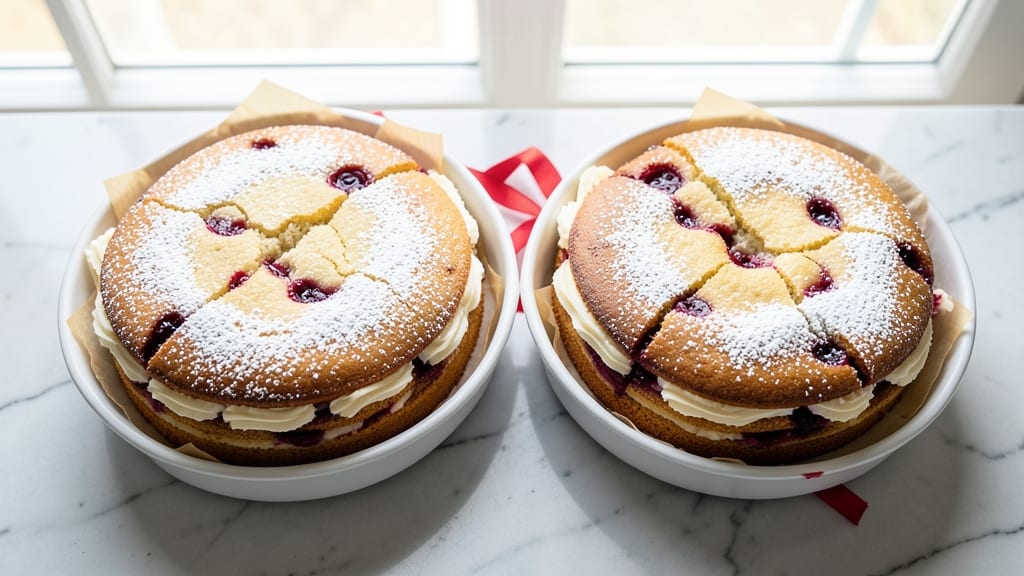
This Anna's classic cake recipe delivers the perfect balance of moist vanilla layers and velvety buttery frosting—every slice is a testament to timeless baking. The secret lies in precise measurements and gentle folding to maintain that signature tender crumb, a technique I've perfected over years of baking.
What makes this recipe stand out is its foolproof method, ensuring consistently delicious results without requiring advanced skills.
The cake begins with a simple yet effective batter of flour, sugar, eggs, and butter, combined just until mixed to avoid overdevelopment. This method guarantees a light, airy texture that stays moist for days.
The frosting, made with equal parts butter and powdered sugar, is whipped to a smooth, spreadable consistency that clings beautifully to each layer.
By the time you're done, you'll have a cake with layers that are perfectly tender yet sturdy enough to hold the frosting, creating that classic, elegant look. The buttery frosting adds a rich finish that complements the vanilla flavor without overpowering it.
This is the kind of cake that tastes like a homecoming—simple, reliable, and always impressive.
Serve it at celebrations, family gatherings, or simply as a treat for yourself. The recipe scales easily, so you can adjust the size to fit any occasion. Let's get started on creating your perfect slice of tradition.
Ingredients for anna cake
Twelve ingredients combine to create Anna's signature tender layers and velvety frosting.
| Ingredient | Amount | Notes |
|---|---|---|
| All-Purpose Flour 🌾 | 2 ½ cups | Sifted for even texture |
| Granulated Sugar 🍚 | 2 ¼ cups | Superfine for smooth batter |
| Unsalted Butter 🧈 | 1 ½ cups | Room temperature, cubed |
| Large Eggs 🥚 | 4 whole | Room temperature, separated |
| Pure Vanilla Extract 🌸 | 2 tsp | High-quality, alcoholic |
| Baking Powder 🧂 | 2 tsp | Diamond Crystal preferred |
| Salt 🧂 | ½ tsp | Fine sea salt |
| Milk 🥛 | ¾ cup | Whole milk for richness |
| Powdered Sugar 🍚 | 3 cups | Confectioners' sugar |
| Heavy Cream 🥛 | 1 cup | Cold for stable frosting |
| Vanilla Bean Paste 🌸 | 1 tbsp | For authentic vanilla flavor |
| Unsalted Butter (Frosting) 🧈 | 1 cup | Room temperature, softened |
| Almond Extract 🌿 | ½ tsp | Optional, enhances flavor |
The foundation begins with all-purpose flour—King Arthur or Gold Medal brands yield the best results due to their protein balance. For the sugar, superfine is ideal, but if unavailable, pulse regular granulated sugar in a food processor for a smoother batter. Unsalted butter must be room temperature; if too cold, microwave in 15-second bursts until pliable. Eggs should also be at room temperature to ensure even incorporation. Pure vanilla extract should be high-quality—French or Madagascar bourbon varieties add depth. The milk enhances moisture, so whole milk is preferred, though 2% works in a pinch. For the frosting, powdered sugar should be sifted to avoid graininess, and heavy cream must be cold to achieve stable peaks.
No superfine sugar? Pulse regular granulated sugar in a food processor until it resembles powdered sugar. Substitute almond extract with vanilla bean paste if preferred, though the flavor profile differs slightly. For a dairy-free option, replace milk with unsweetened almond milk and heavy cream with coconut cream. If baking powder isn't available, use 1.5 tsp baking soda plus 1.5 tsp cream of tartar as a substitute. The vanilla bean paste can be omitted if only extract is on hand, though it adds a richer, seed-infused flavor. For the frosting, vegan butter works if dairy-free, though texture may vary slightly.
Store cake layers wrapped in plastic wrap in the refrigerator for up to 3 days or freeze for 3 months. The frosting can be made 2 days ahead and stored in an airtight container in the fridge; rewhip before use. To assemble, let layers sit at room temperature for 15 minutes before frosting to ensure even spreading. For a gluten-free adaptation, substitute flour with a 1:1 gluten-free baking flour blend. The cake freezes beautifully—wrap each layer individually and thaw overnight in the fridge before assembling.
Why You'll Love This Recipe
- Pantry Staples Only: This cake uses flour, sugar, butter, eggs, and vanilla—stuff you already have. No specialty ingredients, no last-minute grocery runs. Honestly, I’ve made this on a whim when I forgot to buy cake mix.
- Butter-Sugar Magic: That creamy butter and sugar combo? It’s the secret weapon. The texture is tender but sturdy, and the vanilla ties it all together with warmth. Not overly sweet, not bland—just right.
- Birthday to Brunch: Slice it for a celebration or serve it plain for a lazy Sunday. The neutral flavor means it works with fruit compote, whipped cream, or even a dusting of powdered sugar. My go-to for when I don’t want to think too hard.
- Lasts Without Letting Down: This cake keeps for days without drying out. I’ve had it for three days straight, and it’s still moist—no sad crumbs here. Plus, the cost? A fraction of store-bought desserts. Budget-friendly doesn’t mean boring.
Step-by-step instructions for Anna's classic cake
Here's the method for a perfectly moist vanilla cake with rich buttercream—every layer and frosting detail matters.
Prepare the Cake Batter
Preheat your oven to 350°F and grease two 9-inch round cake pans with nonstick spray, then line the bottoms with parchment circles. In a medium bowl, whisk together the 2.5 cups All-Purpose Flour, 2 tsp Baking Powder, and 0.5 tsp Salt. Sift this dry mixture directly into a large mixing bowl to aerate it—this prevents dense layers later.
In a separate large bowl, beat the 1.5 cups Unsalted Butter and 2.25 cups Granulated Sugar on medium speed until light and fluffy, about 3-4 minutes. Add the 4 whole Large Eggs, one at a time, beating well after each addition. Mix in the 2 tsp Pure Vanilla Extract and 1 tbsp Vanilla Bean Paste until fully incorporated. Gradually add the dry ingredients, alternating with the 0.75 cup Milk, beginning and ending with the flour mixture. Beat just until combined—overmixing develops gluten and makes the cake tough.
Bake the Layers Evenly
Divide the batter evenly between the prepared pans. Tap each pan gently on the counter to remove any air bubbles. Bake for 25-30 minutes, or until a toothpick inserted into the center comes out clean. Rotate the pans halfway through baking for even browning. Let the cakes cool in the pans for 10 minutes before transferring them to a wire rack to cool completely. This gradual cooling prevents cracking.
Here's the thing—don't rush this cooling step. If you frost warm cakes, the buttercream will melt and slide off. Patience now ensures a stable, professional finish. For extra moisture, I brush the warm layers with simple syrup (equal parts sugar and water, heated until dissolved) while they're still slightly warm.
Prepare the Buttercream Frosting
In a stand mixer fitted with the paddle attachment, beat the 1 cup Unsalted Butter (Frosting) on medium speed until smooth and creamy, about 2-3 minutes. Gradually add the 3 cups Powdered Sugar, mixing on low speed until combined. Increase the speed to medium-high and beat for 3-4 minutes until light and fluffy. Add the 1 cup Heavy Cream, 0.5 tsp Almond Extract, and 2 tsp Pure Vanilla Extract, mixing until fully incorporated. The frosting should be thick but pipeable—if it's too stiff, add 1-2 teaspoons milk at a time until smooth.
This is the moment that matters: the frosting should hold its shape when piped but still be light enough to spread easily. If it's too soft, chill it for 15 minutes before using. The buttercream should coat the back of a spoon without dripping—this consistency ensures clean layers and professional-looking swirls.
Assemble the Cake Layers
Place the first cake layer on a cake stand or plate. Using a long serrated knife, level the top if needed. Spread a thin layer of frosting (about ¼ inch) over the top to create a "crumb coat." This prevents crumbs from mixing into the final frosting layer. Chill the cake for 15 minutes to set the crumb coat.
Add the second layer and repeat the crumb coat process. Now, spread a thicker layer of frosting (about ½ inch) over the entire cake. Use an offset spatula to smooth the sides, then pipe a border of frosting around the edge to create a clean finish. For a classic look, use a cake comb or bench scraper to create decorative swirls on the sides. Don't press too hard—you want gentle, even patterns that showcase the cake's layers.
Final Touches and Serving
Let the cake sit at room temperature for 1-2 hours before slicing. This allows the frosting to set properly and the flavors to meld. For extra shine, brush the cake with a tiny bit of milk or simple syrup just before serving. The cake should have a moist, tender crumb with a smooth, creamy frosting that holds its shape.
Slice with a warm, clean knife for clean cuts—run the knife under hot water and wipe dry between slices. Serve at room temperature for the best texture. The layers should be soft and moist, with a rich vanilla flavor that carries through every bite. If stored properly in an airtight container, this cake stays fresh for up to 3 days at room temperature.
Pro Tips For Making Anna Cake
- Cream Butter Properly: Use a wooden spoon or your hands to press the butter into the sugar until it’s actually pale yellow—no streaks, no lumps. I learned this the hard way: skipping this step means a cake that’s dense and greasy instead of tender. (Yes, it takes 5 minutes, but trust me.)
- Whisk Eggs at Room Temp: Cold eggs? Big mistake. Let them sit in warm water for 10 minutes first—this keeps them from cooking unevenly and ensures a smooth batter. I was skeptical until I tried it; the texture is noticeably lighter.
- Avoid Overmixing the Batter: Mix just until the flour disappears—no more. Overworking it makes the cake tough. I used to beat like I was kneading dough, and the result was a brick. Stop when it’s just combined.
- Bake Until Springy: Tap the center—it should bounce back, not feel jiggly. If the toothpick comes out clean but the cake still wobbles, it’s not done. I’ve burned cakes waiting for the toothpick test; the springiness check saves them.
Serving suggestions for leftovers
Classic Presentation
Serve Anna's cake on a white cake stand to highlight its elegant layers and buttery frosting. For a rustic touch, use a wooden board with a linen napkin underneath to catch any crumbs.
I love adding fresh raspberries or strawberries arranged in a circular pattern around the base—their vibrant color contrasts beautifully with the cake's golden tones. 🍓
Festive Garnishes
For celebrations, dust the top with powdered sugar using a fine-mesh sieve for a snowy effect. Add edible gold leaf or pearl sprinkles for a luxurious finish. I also like piping white chocolate rosettes along the sides using a star tip—they add texture and visual interest.
Keep garnishes minimal to let the cake's natural flavors shine.
Portioning Tips
Use a serrated knife warmed under hot water for clean slices—this prevents crumbling. For perfect portions, cut the cake into 12 equal wedges (3 slices per serving). Place each slice on a small dessert plate with a mint leaf or sprinkle of cocoa powder for a pop of color.
Serve with a dairy-free alternative if needed—coconut whipped cream pairs beautifully.
Themed Serving Ideas
For birthdays, add colorful sprinkles or mini fondant flowers to match the birthday person's favorite colors. For weddings, use lace doilies under the cake and edible silver leaf for an opulent look.
I once served this cake at a holiday brunch with cranberry compote drizzled over the top—it added a festive tartness that balanced the sweetness. 🎉
Make-Ahead Serving
Assemble the cake 1 day ahead and store it in an airtight container at room temperature. Before serving, brush the top with simple syrup (equal parts sugar and water) to refresh the moisture.
For a winter gathering, serve with warm spiced tea or hot chocolate—the contrast of warm drinks with cold cake is pure comfort. 🍫
Dietary-Friendly Pairings
Offer fruit-based sorbets like lemon or mango on the side for those avoiding dairy. For gluten-sensitive guests, serve with gluten-free shortbread cookies on the side. I always include dark chocolate shavings—they add a sophisticated bitterness that cuts through the cake's richness.
Keep pairings simple to let the cake remain the star. 🍫
Nutrition facts
Frequently asked questions
Why does this recipe use room-temperature ingredients?
Room-temperature butter and eggs blend more smoothly, creating a lighter batter. Cold butter creates lumps, while cold eggs don't incorporate evenly. This ensures your layers stay tender and moist rather than dense. The 10-minute cooling in pans also prevents cracking while baking.
Can I substitute vanilla extract with vanilla bean paste?
Yes! Use both for deeper flavor—2 tsp extract plus 1 tbsp paste adds authentic vanilla seeds. If only paste is available, use 1.5 tbsp instead. The paste gives a richer, speckled appearance too. For a budget option, use 1 tbsp imitation vanilla (though flavor differs).
How do I fix a cake that's cracked or sunken?
Cracking often happens from rapid cooling or overmixing. For a quick fix, brush the cracks with simple syrup (equal parts sugar/water) and cover with extra frosting. If sunken, the oven may have been too hot—check your thermometer. Always bake at 350°F and rotate pans halfway.
What's the best way to store leftover cake?
Wrap layers individually in plastic wrap and store in an airtight container at room temp for 3 days, or freeze for 3 months. Frosting keeps 2 days refrigerated—rewhip before use. For extra moisture, brush slices with simple syrup before serving. Never store frosted cake in the fridge—it causes condensation.
Can I make this cake gluten-free?
Yes! Replace flour with a 1:1 gluten-free baking blend (like Bob's Red Mill). Add 1 tsp xanthan gum if your blend doesn't include it. Reduce milk by 2 tbsp to compensate for extra moisture in GF flours. Test your blend first—some require extra leavening. The texture will be slightly denser but still delicious.