
Desserts
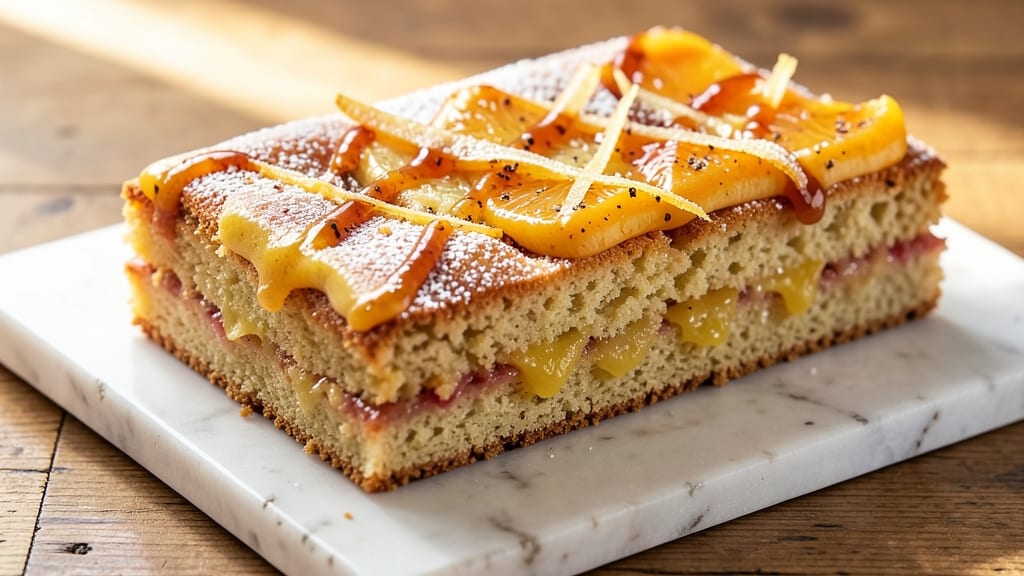
Anna Olson's lemon pound cake delivers that perfect balance of tender crumb, bright citrus flavor, and buttery crust that makes every slice irresistible. 💛 The secret lies in a precise blend of all-purpose flour, sugar, and fresh lemon juice—no shortcuts here, just layers of homemade magic that transform a simple cake into something extraordinary.
This recipe has been perfected to ensure a moist interior with just the right amount of crunch on the edges, all while keeping the lemon flavor vibrant and not overpowering.
The beauty of this pound cake is its versatility—it bakes up golden and aromatic, with a tender crumb that stays fresh for days. What sets it apart is the buttery crust that encases the cake, adding an extra layer of flavor and texture that store-bought versions simply can't match.
Whether you're serving it at a brunch spread or enjoying a slice with afternoon tea, this cake is designed to impress without requiring advanced baking skills.
By the time you pull it from the oven, you'll have a cake that's perfectly moist, with a bright lemon flavor that lingers in every bite. The crust will be golden and slightly crisp, providing the perfect contrast to the soft, tender interior.
This is the kind of dessert that feels like a hug—comforting, familiar, yet undeniably special.
Serve it warm with a dusting of powdered sugar and a sprinkle of lemon zest for an elegant finish, or enjoy it at room temperature with a pat of whipped cream.
The possibilities are endless, but the result is always the same: a cake that tastes like love and a little bit of sunshine.
Ingredients for anna olson lemon pound cake
Bright lemons, buttery layers, and just the right crunch—this is your cake pantry checklist.
| Ingredient | Amount | Notes |
|---|---|---|
| All-Purpose Flour 🌾 | 3 cups | Sifted for even texture |
| Granulated Sugar 🍚 | 2 cups | White or light brown |
| Unsalted Butter 🧈 | 1 ½ cups | Cold, cubed for crust |
| Fresh Lemon Juice 🍋 | 1 cup | From 4-5 lemons |
| Lemon Zest 🍋 | 2 tbsp | Finely grated, no pith |
| Large Eggs 🥚 | 4 whole | Room temperature |
| Milk 🥛 | 1 cup | Whole milk preferred |
| Baking Powder 🍞 | 2 tsp | Diamond Crystal preferred |
| Salt 🧂 | ½ tsp | Fine sea salt |
| Powdered Sugar 🍚 | ½ cup | For dusting |
| Vanilla Extract 🌸 | 1 tsp | Pure vanilla preferred |
| Heavy Cream 🥛 | ½ cup | For optional whipped topping |
The butter and flour are your golden ticket here. Use cold butter cubes for that perfect crust—don't melt it first. King Arthur or Gold Medal all-purpose flour gives the best texture, but any quality brand works. Lemons? Navel lemons are sweeter and easier to zest. I always grab 4-5 at the farmers market for that extra zing—Trader Joe's has great ones too if you're in a pinch. The baking powder matters—Diamond Crystal is lighter than others, so you might need a pinch more if you use another brand.
No fresh lemons? Bottled lemon juice works in a bind, but add a pinch more zest to compensate. Swapping the milk? Heavy cream or buttermilk both work—just adjust the flavor with extra vanilla. Running low on vanilla? Almond extract at half the amount gives a similar depth. The powdered sugar is just for dusting, but if you want to get fancy, turbinado sugar sprinkled on top adds a pretty crunch. And trust me, room temperature eggs mix better—no one wants to deal with streaky batter.
This cake keeps beautifully—3-4 days wrapped at room temp or 1 week refrigerated. For extra freshness, slice and freeze portions for up to 3 months. I always make a double batch because it disappears fast. The crust stays crisp for about 2 hours after baking, so serve it warm if you want that perfect crunch. Leftovers? Toasted with butter and powdered sugar makes an amazing breakfast treat.
Why You'll Love This Recipe
- No Pudding Required: The buttercream is so simple—just powdered sugar, butter, and a splash of lemon juice. I’ve made it with my hands before, and honestly? It’s foolproof. No stand mixer drama, no stress.
- Zesty Magic: That bright lemon zest and juice cut through the richness of the butter and sugar, giving it this perfect balance—tart enough to wake up your taste buds, but not so harsh it ruins the cake. The crumb? Light as a cloud, but with real depth.
- Weekday Hero: Slice it for breakfast with yogurt, pack it for lunches, or serve it at brunch—this cake holds up everywhere. My husband even sneaks bites straight from the pan when I’m not looking. (Yes, even on a Tuesday night.)
- Budget Bright Spot: Uses pantry staples and just a few fresh lemons, so it’s cheap but feels special. I’ve made it for holidays, potlucks, and lazy Sundays—never a regret. Leftovers? They disappear faster than I can say “second slice.”
Step-by-step instructions for Anna Olson's lemon pound cake
Here's how to bake this legendary cake with a tender crumb and bright citrus flavor.
👨🍳 Step 1: Prepare the Buttery Crust
Preheat your oven to 350°F and grease a 10x6-inch loaf pan thoroughly with butter, then dust with flour. In a medium bowl, mix the 1.5 cups unsalted butter (cold, cubed) with 1 cup granulated sugar until crumbly. Press this mixture evenly into the bottom of your prepared pan.
Here's the thing—I like to use my fingers for this part. It helps me pack the crust tightly so it doesn't crumble during baking. Once pressed, sprinkle the bottom with 2 tbsp lemon zest and 1 tbsp flour to prevent sticking. This crust gives the cake its signature buttery base that contrasts beautifully with the citrusy layers.
🍳 Step 2: Whisk Wet Ingredients for Perfect Texture
In a large bowl, whisk together the 4 whole eggs (room temperature), 1 cup fresh lemon juice, 1 tsp vanilla extract, and 1 cup milk until completely combined. I always use a whisk for this step—it creates a smoother batter without overmixing. The lemon juice should be freshly squeezed for maximum brightness.
Add the 2 cups granulated sugar and whisk again until fully dissolved. This step is crucial because it ensures even distribution of flavor and prevents grainy spots in your finished cake. The mixture should be pale yellow and slightly thickened—like a light custard.
👨🍳 Step 3: Combine Dry Ingredients Gently
In a separate bowl, sift together the 3 cups all-purpose flour, 2 tsp baking powder, and 0.5 tsp salt. Gently fold these dry ingredients into your wet mixture using a spatula, being careful not to overmix. You'll see some streaks of flour remaining—that's perfect. Overmixing develops gluten, which makes cakes tough instead of tender.
Once combined, pour the batter over the crust in your prepared pan. Smooth the top with a spatula, then sprinkle the remaining 1 tbsp lemon zest evenly over the surface. This extra zest on top gives the cake its signature bright flavor and beautiful golden color when baked.
🔥 Step 4: Bake Until Golden and Springy
Bake in the preheated oven for 50-60 minutes until a toothpick inserted in the center comes out clean and the top is golden brown. I know it seems like a long time, but patience is key here—the cake needs time to set properly without drying out.
About halfway through baking (25-30 minutes), I like to tent the pan loosely with aluminum foil to prevent the top from browning too quickly. This helps maintain even cooking throughout. The cake is done when it springs back slightly when pressed in the center—that's your perfect texture checkpoint.
⏰ Step 5: Cool and Serve with Zesty Flair
Remove the cake from the oven and let it cool in the pan for 10 minutes, then transfer to a wire rack to cool completely. This cooling period is essential—it allows the cake to set properly and prevents it from falling apart when you slice it.
Once completely cool, dust the top with 0.5 cup powdered sugar and whip the 0.5 cup heavy cream with a fork until soft peaks form. Spread this lightly over the cake for that classic Anna Olson touch. Serve slices warm or at room temperature with a dollop of whipped cream—each bite delivers that perfect balance of buttery richness and bright lemon flavor.
Pro Tips For Making Anna Olson Lemon Pound Cake
- Use Room-Temp Butter: I learned this the hard way—cold butter from the fridge creates pockets that won’t mix properly, and your cake will end up with weird little lumps. Let that butter sit out for 30-45 minutes before creaming it with the sugar, and you’ll get that smooth, fluffy texture Anna Olson’s version is known for.
- Zest First, Juice Last: Fresh lemon zest packs way more flavor than bottled, but it’s easy to overdo it if you’re not careful. Grate the zest first, then measure it—about 2 tablespoons is plenty for this recipe—and set it aside. Juicing the lemon last keeps the zest from drying out in the bowl, so you don’t end up with a cake that tastes like lemon and sawdust.
- Don’t Overmix the Batter: I used to think more mixing meant a better cake, but this recipe is delicate. Once you’ve folded in the dry ingredients, stop as soon as they’re just combined—no streaks, no overworking. Overmixing develops the gluten in the flour, and your pound cake will turn out dense instead of light and tender. Two minutes max after adding the flour.
- Check for Doneness Early: This cake’s exterior can look golden while the center’s still raw, especially if you’re using a dark pan. After the recommended 50-60 minutes, stick a toothpick in—it should come out clean or with one moist crumb. If you’re unsure, cover it loosely with foil and bake another 5-10 minutes. Better to wait than risk a gummy middle.
Troubleshooting this recipe
Crust Too Crumbly
If your crust falls apart during baking, the butter was likely too warm or not packed tightly enough. Chill your butter cubes for 30 minutes before mixing with sugar—this creates a firmer base. Press the mixture firmly into the pan using your fingers or a measuring cup.
For extra stability, sprinkle 1 extra tbsp flour over the crust before adding batter. I’ve found that using European-style butter (like Plugrá) works best for this step because it has a higher fat content. 🧈
Dense or Gummy Texture
Overmixing the batter is the #1 cause of dense cake. Once you fold in the dry ingredients, stop mixing when just combined—there should still be visible streaks of flour. Another common issue is underbaking: your cake needs to reach 205°F internal temperature at the center.
If it feels slightly springy but a toothpick comes out with moist crumbs, bake for 5-10 more minutes. For extra moisture control, whisk your eggs and milk separately before combining. 🌡️
Lemon Flavor Too Weak
Fresh lemon juice is non-negotiable here—bottled juice lacks the brightness. Use 4-5 Navel lemons (about 1 cup juice) and strain through a fine-mesh sieve to remove pulp. For extra zing, add 1 tbsp additional zest to the batter.
If your cake tastes bland, try simmering the juice with 1 tbsp sugar for 5 minutes before using—this concentrates the flavor. I also recommend using organic lemons when possible, as their skins are thinner and easier to zest finely. 🍋
Cracked Top Surface
Cracking usually happens when the oven temperature fluctuates or the cake bakes too quickly. To prevent this, place your pan on the middle rack and avoid opening the oven door during the first 30 minutes of baking. If your oven runs hot, reduce temperature to 325°F.
For a smoother top, gently press a piece of aluminum foil over the cake after 20 minutes to slow browning. I’ve also had success brushing the top with 1 tbsp milk before baking—this creates a thin protective layer. ✨
Dry or Crumbly Cake
Dry cake typically means overbaking or using too much flour. Weigh your flour instead of scooping (which compacts it) for accurate measurements. If your cake turns out dry, try adding 2 tbsp sour cream or Greek yogurt to the batter next time—this adds moisture without altering texture.
For extra insurance, brush the warm cake with 2 tbsp lemon syrup (equal parts sugar and water, heated until dissolved) while still in the pan. Store leftovers in an airtight container with a slice of bread to keep them moist. 💧
Uneven Baking
If the edges cook faster than the center, your oven may have hot spots. Rotate your pan halfway through baking (after 25-30 minutes) for even heat distribution. For stubborn hot spots, place a baking sheet on the rack below your cake to reflect heat upward.
If your pan is dark-colored, consider lining it with parchment paper to prevent over-browning. I always use a light-colored metal loaf pan for more even baking. 🔥
Nutrition facts
Frequently asked questions
Can I substitute bottled lemon juice for fresh?
Fresh lemon juice is ideal for maximum brightness, but you can use bottled in a pinch. For best results, add 1 extra tablespoon of zest to compensate for the weaker flavor. Simmer the bottled juice with 1 tablespoon sugar for 5 minutes to concentrate the flavor before using.
How do I store leftovers to keep them moist?
Wrap cooled slices tightly in plastic wrap or place them in an airtight container with a slice of bread to retain moisture. Store at room temperature for 3-4 days or refrigerate for up to 1 week. For longer storage, freeze portions for up to 3 months. Thaw overnight in the fridge before serving.
Can I make this cake in a different pan size?
Yes, but adjust baking time accordingly. For a 9x5-inch loaf pan, bake for 45-55 minutes at 350°F. If using a 9-inch round cake pan, reduce baking time to 35-40 minutes. Always check doneness with a toothpick. The cake should spring back slightly when pressed.
Why does your recipe use baking powder instead of baking soda?
Baking powder is essential here because it creates a gentle lift without adding alkalinity that could make the cake taste bitter. This recipe relies on the acidity from lemon juice and the natural leavening of eggs for proper rise. Baking soda would require an acid (like buttermilk) to activate, which we don't use. The baking powder gives that perfect tender crumb.
What's the best way to serve this cake?
Serve warm slices dusted with powdered sugar and topped with whipped cream for a classic presentation. For extra flair, add a sprinkle of lemon zest or fresh berries. It's perfect for brunch, tea time, or as a light dessert with coffee. The cake's buttery crust pairs beautifully with a dollop of clotted cream too!