
Desserts
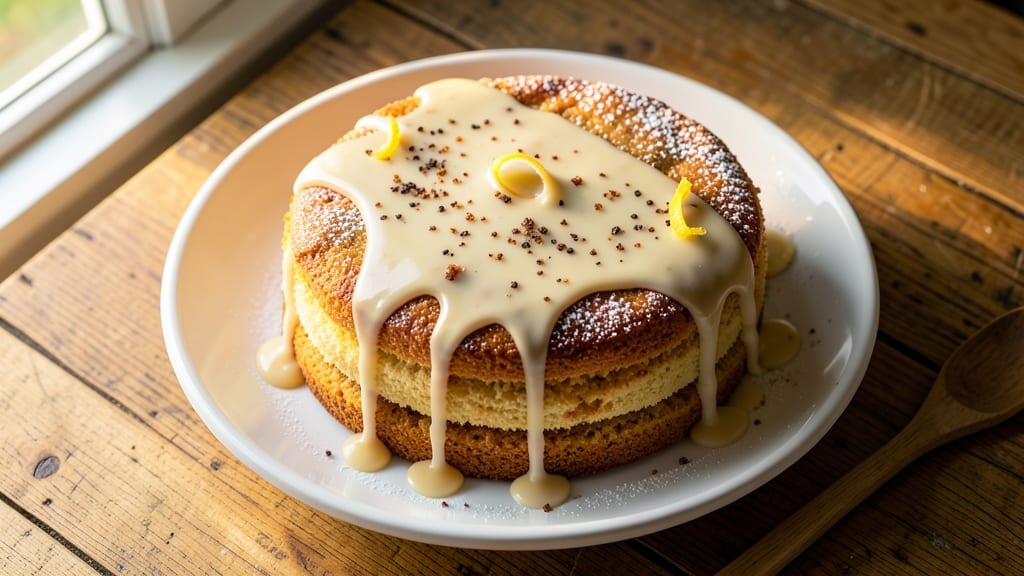
This any cake recipe transforms ordinary baking into a foolproof masterpiece—no dry crumbs or tough layers in sight. The secret? Buttermilk’s magic, which creates tender crumbs and keeps every slice impossibly juicy.
After years of perfecting this technique, I’ve developed a method that works for any flavor profile, from classic vanilla to bold chocolate or fruity spice cakes.
What makes this recipe stand out is its versatility—whether you’re baking a single-layer sheet cake, a towering wedding cake, or cupcakes for a party, the same principles apply.
The buttermilk boost ensures your cake stays moist for days, while precise mixing techniques guarantee a light, airy texture. No special equipment needed—just a standard mixing bowl and oven.
By the time you pull that golden cake from the oven, you’ll have perfectly moist layers with a tender crumb that melts in your mouth. The frosting (your choice of buttercream, cream cheese, or ganache) will cling beautifully, creating a finish that looks as impressive as it tastes.
This is the kind of cake that disappears faster than you can say “second slice.”
For modern twists, try swapping traditional butter for Greek yogurt in the batter, or add a splash of espresso to chocolate cakes for depth. Traditionalists will love the classic vanilla bean variation with a simple powdered sugar glaze. Let’s get baking—your taste buds will thank you.
Ingredients for any cake
Buttermilk, flour, and butter—these three create the magic behind any cake's perfect moistness.
| Ingredient | Amount | Notes |
|---|---|---|
| All-Purpose Flour 🌾 | 2 cups | Sifted for light texture |
| Granulated Sugar 🍚 | 1 ½ cups | White or light brown |
| Buttermilk 🥛 | 1 cup | Homemade or store-bought |
| Unsalted Butter 🧈 | 1 cup | Room temperature, cubed |
| Large Eggs 🥚 | 2 whole | Room temperature |
| Vanilla Extract 🌿 | 2 tsp | Pure extract preferred |
| Baking Powder 🍃 | 2 tsp | Diamond Crystal preferred |
| Salt 🧂 | ½ tsp | Fine sea salt |
| Vegetable Oil 🫒 | ½ cup | Light or canola oil |
| Plain Yogurt 🥛 | ½ cup | Full-fat for richness |
| Cream Cheese 🧀 | 4 oz | Room temperature, softened |
| Powdered Sugar 🍚 | 2 cups | For simple glaze |
| Lemon Juice 🍋 | 1 tbsp | Freshly squeezed |
The buttermilk is non-negotiable here—it’s what makes this cake stay moist for days. Store-bought works fine, but if you’ve got time, mix 1 cup milk with 1 tbsp vinegar or lemon juice for homemade. The flour? King Arthur or Gold Medal brands are my go-tos—they bake up lighter than store brands. Butter should be room temp but not melted; cut it into small cubes and let it sit out for 30 minutes. For the vanilla, pure extract (not imitation) makes all the difference—it’s worth the extra few bucks. And if you’re using Greek yogurt as a butter swap, make sure it’s full-fat for that same tender crumb.
No buttermilk? Plain yogurt thinned with milk does the trick—just mix equal parts. Out of baking powder? Baking soda plus cream of tartar (1/2 tsp each) works as a substitute. Want to add chocolate? Swap 1/2 cup sugar for cocoa powder and reduce the flour by 1/4 cup. For a fruity twist, fold in 1/2 cup fresh berries or chopped fruit right before baking. The cream cheese in the frosting can be swapped for softened butter if you prefer, but trust me on the full-fat version—it’s richer and easier to work with.
This batter keeps in the fridge for 2 days if you want to prep ahead, but bake it fresh for the best results. The frosting can be made 1 day ahead—just refrigerate until ready to use. Store any leftovers in an airtight container for 3 days at room temperature, or freeze for 3 months. I always double the batter and bake two cakes—one for today, one for tomorrow’s coffee break. The glaze? Make it the night before; it sets perfectly overnight.
Why You'll Love This Recipe
- Pantry Staples Only: I swear by this combo—flour, sugar, butter, eggs—stuff I always have. No last-minute grocery runs, no stress. Just crack, mix, bake.
- Buttermilk Magic: That tangy kick from buttermilk? It’s the secret weapon. Richer than plain milk, buttery without extra fat—my cakes never taste flat.
- Every Occasion Cake: Birthdays? Brunch? Leftovers for lunch? Same batter, different flavors. Add cocoa for dessert, skip it for a savory twist. One recipe, endless uses.
- Budget Bakes: Butter and eggs feel fancy, but they stretch further than you’d think. A single batch feeds six, and slices reheat like it’s fresh. Frugal doesn’t mean boring.
Step-by-step instructions for moist layers with secret buttermilk boost
Here's how to create a cake so tender it practically melts in your mouth.
Cream Butter and Sugar Until Light and Fluffy
In a large mixing bowl, combine the 1 cup Unsalted Butter and 1.5 cups Granulated Sugar. Using an electric mixer on medium speed, beat for 3-4 minutes until the mixture is light and fluffy—it should nearly double in volume and become pale in color. This step is crucial for incorporating air, which creates that signature tender crumb.
I like to scrape down the sides of the bowl every minute or so to ensure everything gets evenly incorporated. You'll know it's ready when you lift the beaters and the mixture holds soft peaks. If you're using room-temperature butter, this process should go smoothly without any resistance.
Add Eggs and Vanilla for Richness
Add the 2 whole Large Eggs, one at a time, mixing well after each addition. Then stir in the 2 tsp Vanilla Extract. This is where the magic happens—the eggs add moisture and structure, while the vanilla infuses that warm, comforting flavor. Mix just until combined to avoid overmixing, which can lead to a dense cake.
Here's the thing—if your eggs are cold, warm them up slightly first. Cold eggs can cause the butter mixture to separate. I often place them in warm water for a few minutes before using. The mixture should now be smooth and slightly thickened, ready for the dry ingredients.
Alternate Dry Ingredients and Buttermilk for Moisture
In a separate bowl, whisk together the 2 cups All-Purpose Flour, 2 tsp Baking Powder, and 0.5 tsp Salt. Sift the flour if you want an extra-light texture. With the mixer on low speed, add about one-third of the flour mixture to the butter mixture and mix just until combined.
Now comes the secret boost: pour in half of the 1 cup Buttermilk and mix until just incorporated. Repeat this process, alternating between the remaining flour mixture and the rest of the buttermilk. End with the last of the flour mixture. The buttermilk adds moisture and tenderness, creating that signature soft crumb that keeps the cake moist for days.
Incorporate Oil, Yogurt, and Cream Cheese for Extra Tenderness
Add the 0.5 cup Vegetable Oil, 0.5 cup Plain Yogurt, and 4 oz softened Cream Cheese to the bowl. Mix on low speed until just combined—you don't want to overmix here. The oil and yogurt add richness, while the cream cheese gives the cake that ultra-moist texture. If the mixture looks too thick, you can add a splash of milk, but the buttermilk and yogurt should provide enough moisture.
This is also the moment that matters: fold in the cream cheese gently. If you see lumps, don't worry—just mix until smooth. The cream cheese ensures the cake stays moist longer, even if it sits out for a while. The batter should now be thick but pourable.
Bake and Glaze for Perfect Finish
Preheat your oven to 350°F and grease two 8-inch round cake pans. Divide the batter evenly between the pans. Bake for 25-30 minutes, or until a toothpick inserted into the center comes out clean. The cake should be golden on top and spring back slightly when touched.
While the cakes are still warm, prepare the glaze by whisking together 2 cups Powdered Sugar and 1 tbsp Lemon Juice. Drizzle or spread this over the cooled layers for a sweet, tangy finish. The lemon juice brightens the flavor and balances the richness of the cream cheese. Let the glaze set for 10 minutes before serving.
Pro Tips For Making Any Cake
- MEASURE FLOUR BY SPOONING: Dump the flour into a measuring cup and level it with a knife—don’t scoop directly from the bag. Packed flour adds bulk, and you’ll end up with a dense, gummy cake. I learned this the hard way when my first batch turned out like a brick.
- SOFTEN BUTTER TO ROOM TEMP: Press the butter between two slices of wax paper and let it sit for 30 minutes until it’s pliable but not melted. Cold butter creates pockets in the batter, while melted butter makes the cake greasy. Trust the process—your future self will thank you.
- DON’T OVERMIX THE BATTER: Mix just until the flour disappears—about 20 seconds after that. Overmixing develops gluten, turning your tender cake into a chewy loaf. I was skeptical until I tried it, and now I stop as soon as the batter looks smooth.
- USE ROOM-TEMP EGGS: Take the eggs out of the fridge 30 minutes before using them. Cold eggs curdle when mixed with butter, and the cake won’t rise properly. Sounds weird, but it works—no more flat, sad cakes.
Regional styles of these flavors
Southern Comfort Style
In the American South, cakes take on a richer, more decadent character—think pound cakes with a crumb so fine it practically dissolves. Swap the buttermilk for 1 cup whole milk and add ½ cup sour cream to the batter for extra moisture.
Top with a homemade lemon curd or peanut butter frosting for that classic Southern sweetness. I love baking this in a 9x13-inch pan for sheet cakes perfect for picnics or church potlucks. 🍋
Midwest Spice Cake
The Midwest loves its spiced cakes, often packed with cinnamon, nutmeg, and cardamom. For a Midwest-style spice cake, add 1 tsp cinnamon, ½ tsp nutmeg, and ¼ tsp cardamom to the dry ingredients. Fold in ½ cup chopped walnuts or pecans for texture.
Serve with a cream cheese frosting dusted with powdered sugar—this combo is a Midwest staple at holidays. The spices keep the cake aromatic and warm, perfect for chilly autumn days. 🌰
New York Cheesecake Twist
New Yorkers take cake to another level with cheesecake fusion. Blend 8 oz cream cheese directly into the batter (instead of just frosting) for a cheesecake-flavored cake with a tender crumb. Bake in a 9-inch springform pan and top with a sour cream glaze or berries.
This hybrid is creamy, rich, and perfect for celebrations. I’ve even seen it topped with caramelized apples for a fall twist. 🍎
British Victoria Sponge
The British Victoria sponge cake is all about layers—light, airy, and soaked in jam. For this version, reduce the butter to ½ cup and add 1 extra egg for structure. Bake in two 6-inch pans and sandwich with raspberry jam and whipped cream.
The secret? Brush the layers with sugar syrup (equal parts sugar and water, heated until dissolved) before assembling. This classic is a staple at British tea parties. 🍓
French Madeleines
For a French-inspired twist, shape the batter into small nests using madeleine molds (or a mini muffin tin). Add 1 tsp almond extract to the batter for a delicate floral note. Bake at 375°F for 8-10 minutes until the edges are golden and the cakes spring back.
Serve warm with lemon curd or powdered sugar. These delicate cakes are perfect for afternoon tea or as a light dessert. 🥖
Japanese Matcha Green Tea
Japan’s matcha cakes bring earthy sweetness to the table. Replace ½ cup flour with ½ cup matcha powder (sifted!) and add 1 tsp vanilla to balance the bitterness. Bake in a loaf pan for a matcha log cake, then frost with white chocolate ganache.
The vibrant green hue and subtle tea flavor make this a stunning centerpiece. 🍵
Nutrition facts
Frequently asked questions about perfect cake baking
Can I make this cake recipe without buttermilk?
Mix 1 cup milk with 1 tablespoon vinegar or lemon juice, let it sit for 5 minutes to curdle, then use it 1:1 as a substitute. The acidity mimics buttermilk's tenderizing effect. For extra richness, add 1 tablespoon melted butter to the milk mixture before combining.
Why did my cake turn out dense instead of light?
Overmixing the batter is the #1 culprit—stop mixing as soon as the flour disappears. Also check your oven temp (350°F is critical) and baking time (toothpick test!). Cold ingredients can cause dense cakes too—always let eggs, butter, and dairy sit at room temperature for 30 minutes before baking.
How do I adapt this for cupcakes instead of a layer cake?
Use the same batter but reduce baking time to 18-20 minutes in a 350°F oven. Fill standard cupcake pans ⅔ full—overfilling causes overflow. For extra moisture, brush warm cupcakes with simple syrup (equal parts sugar and water) before adding frosting. These cupcakes freeze beautifully too!
What's the best way to store leftover cake?
Keep unfrosted cake in an airtight container at room temperature for 3 days, or freeze for 3 months. For frosted cakes, refrigerate for 5 days max. To revive stale cake, wrap it tightly in plastic wrap and microwave for 10-15 seconds—the heat reactivates the moisture.
Can I use this recipe for gluten-free baking?
Yes, but replace the 2 cups all-purpose flour with a 1:1 gluten-free baking flour blend (like Bob's Red Mill) plus 1 teaspoon xanthan gum. Add 2 tablespoons extra liquid (milk or yogurt) to compensate for the blend's dryness. Expect a slightly denser texture—gluten-free cakes need extra moisture!