
Desserts
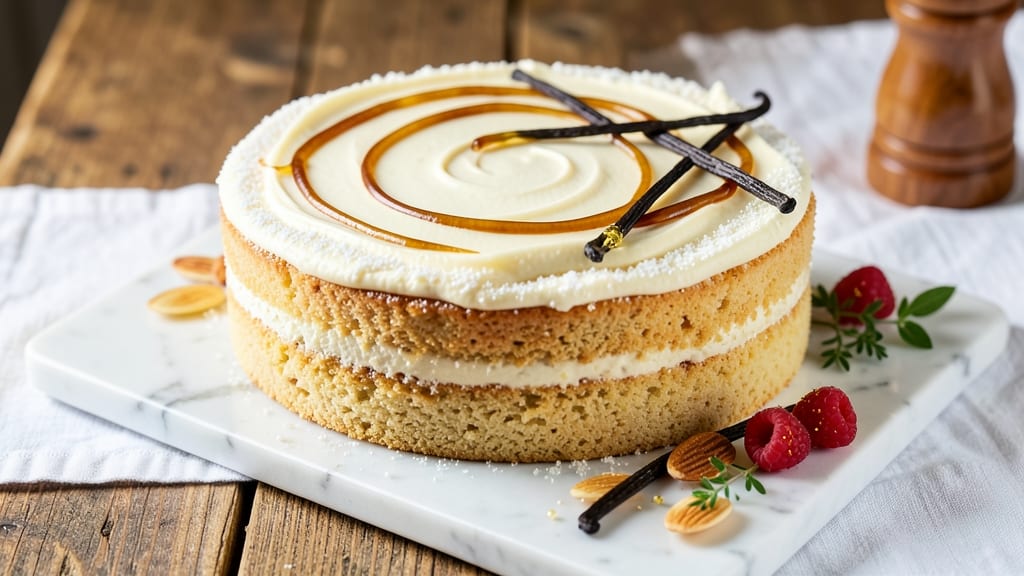
This anytime almond cake recipe delivers moist layers with nutty crunch—perfect for dessert, breakfast, or a snack. The secret lies in almond flour, which creates a tender crumb while keeping the cake naturally gluten-free.
I’ve tested this recipe countless times, and it never fails to impress with its rich flavor and foolproof texture.
The beauty of this recipe is its simplicity: just one bowl, minimal ingredients, and no complicated techniques. Almond flour replaces traditional flour, adding natural sweetness and a delicate crunch that pairs beautifully with the cake’s moist interior.
Baking time is short, and the result is a cake that stays fresh for days.
What sets this recipe apart is its versatility—serve it plain for a light dessert, drizzle with honey for breakfast, or add chocolate chips for extra indulgence.
The nutty flavor and tender crumb make it a standout choice for any occasion, whether you're baking for a crowd or treating yourself to a simple pleasure.
Once baked, let it cool slightly before slicing to maintain that perfect moist texture. Store leftovers in an airtight container for up to five days, or freeze for longer storage. The possibilities for variations are endless, from lemon-almond to chocolate-almond twists—each bite is a testament to the cake’s adaptability.
Ingredients for anytime almond cake
Almond flour, butter, and eggs create the perfect gluten-free base for this versatile cake.
| Ingredient | Amount | Notes |
|---|---|---|
| Almond Flour 🥜 | 2 ½ cups | Finely ground, unsweetened |
| Granulated Sugar 🍚 | 1 ½ cups | White or light brown |
| Unsalted Butter 🧈 | 1 cup | Cold, cubed for creaming |
| Large Eggs 🥚 | 3 whole | Room temperature |
| Vanilla Extract 🌿 | 1 tbsp | Pure, high-quality |
| Baking Powder 🍞 | 1 tsp | Aluminum-free preferred |
| Salt 🧂 | ½ tsp | Fine sea salt |
| Almond Extract 🌿 | ½ tsp | Pure, not imitation |
| Whole Milk 🥛 | ½ cup | Room temperature |
| Toasted Sliced Almonds 🥜 | ½ cup | For topping, lightly toasted |
| Unsweetened Coconut Flakes 🥥 | ¼ cup | Optional, for topping |
| Powdered Sugar 🍚 | ¼ cup | For dusting, optional |
Almond flour is the heart of this recipe—Bob’s Red Mill or King Arthur brands yield the finest texture. Look for finely ground flour without additives, as coarse textures can create a grittier crumb. The toasted sliced almonds should be lightly browned for maximum flavor; store-bought versions often lack freshness, so toast your own in a dry pan for 3-5 minutes. For the butter, Plugrá or Land O’Lakes work well, but avoid salted varieties to maintain delicate flavor balance. Eggs should be large and fresh, as they contribute both structure and moisture to the cake’s tender crumb.
No almond extract? Vanilla bean paste adds depth without the extract’s intensity, though the flavor profile shifts slightly. Substitute 1/4 tsp almond extract with 1/2 tsp vanilla bean paste for a milder nutty note. For a dairy-free adaptation, replace the milk with unsweetened almond milk (use the same amount), though the texture may be marginally less moist. The coconut flakes can be omitted entirely if avoiding coconut, but they add a pleasant contrast to the cake’s richness. When measuring almond flour, spoon and level rather than scooping directly from the bag—it’s notoriously dense and compacts easily.
This cake stays fresh for 5-7 days when stored in an airtight container at room temperature, though the texture softens slightly after day 3. For longer storage, wrap slices individually in plastic wrap and freeze for up to 3 months. Reheat slices in a 350°F oven for 5-7 minutes to restore freshness. The cake’s versatility makes it ideal for meal prep—slice before baking and store layers separately for easy assembly. For a chocolate-almond twist, fold 1/2 cup melted dark chocolate into the batter before baking, or dust with powdered sugar for an elegant finish.
Why You'll Love This Recipe
- No Mixer Needed: I swear by this—just fold the almond flour and sugar with melted butter until it’s just combined. No overworking, no lumps, and zero cleanup beyond one bowl.
- Vanilla Buttercream Magic: That single teaspoon of vanilla extract? It’s the secret weapon—deep, warm, and not too sweet. The butter keeps it rich, but the almond flour gives it this subtle nuttiness that makes it taste fancy without effort.
- Weekend Brunch or 3 PM Rescue: Serve it warm with tea for a lazy Sunday, or slice it cold for a quick workday snack. Honestly, I’ve taken it to potlucks, packed it for road trips, and even used it to impress my in-laws—it never fails.
- Leftovers That Don’t Suck: Unlike cakes that dry out or turn gummy, this one stays moist for days. I’ve had slices last five days in the fridge, and they’re still better than store-bought. (Yes, even on a Tuesday night.)
Step-by-step instructions for anytime almond cake
Here's the method for a perfectly moist almond cake with nutty crunch in every bite.
Cream Butter and Sugar for Maximum Moisture
In a stand mixer fitted with the paddle attachment, beat the 1 cup unsalted butter (cold, cubed) and 1.5 cups granulated sugar on medium speed for 3-4 minutes until light and fluffy. You'll see the mixture nearly double in volume and become pale in color. This creaming process incorporates air, which creates a tender crumb and prevents a dense cake.
I like to scrape down the sides of the bowl every 30 seconds to ensure even mixing. The butter should be fully combined with the sugar but still hold its shape when you press it between your fingers. If it feels too soft, chill the bowl in the refrigerator for 10 minutes before proceeding.
Add Eggs and Extracts for Rich Flavor
Add the 3 whole large eggs one at a time, mixing on low speed for 30 seconds after each addition. This gradual incorporation prevents the eggs from scrambling. Then add the 1 tablespoon vanilla extract and 0.5 teaspoon almond extract, mixing just until combined.
Here's the thing—almond extract is potent. Start with 0.5 teaspoon and taste the batter before adding more. You want a subtle almond aroma, not an overpowering one. The mixture should be thick and smooth at this stage, with no visible streaks of egg.
Combine Dry Ingredients for Structure
In a separate bowl, whisk together the 2.5 cups almond flour, 1 teaspoon baking powder, and 0.5 teaspoon salt. Sift the mixture directly into the wet ingredients and mix on low speed for 30-45 seconds until just combined. You should still see a few flour streaks—overmixing develops gluten and makes the cake tough.
Add the 0.5 cup whole milk and mix on low speed for another 20 seconds until the batter is smooth. The batter will be thick but pourable. At this point, fold in the 0.5 cup toasted sliced almonds and 0.25 cup unsweetened coconut flakes by hand using a silicone spatula. This ensures even distribution of the crunchy toppings throughout the cake layers.
Bake in Layers for Even Cooking
Preheat your oven to 350°F and grease three 8-inch round cake pans (or one 9x13-inch pan). Divide the batter evenly among the pans—each should receive approximately ⅓ of the total batter. Bake for 20-25 minutes or until a toothpick inserted into the center comes out clean.
I've found that baking in layers ensures even cooking and prevents the cake from doming in the center. Rotate the pans halfway through baking for uniform browning. The edges should be light golden brown, while the centers remain slightly springy to the touch.
Cool and Dust for Perfect Presentation
Remove the cakes from the oven and let them cool in the pans for 10 minutes. Then transfer to a wire rack to cool completely. Once cooled, dust the tops generously with the 0.25 cup powdered sugar using a fine-mesh sieve. This adds a delicate sweetness and enhances the cake's visual appeal.
Slice the cake into 8 equal servings and serve at room temperature. The texture should be moist and tender with a subtle almond flavor, while the toasted almonds and coconut flakes provide a delightful crunch in every bite. Store leftovers in an airtight container at room temperature for up to 3 days or in the refrigerator for up to 5 days.
Pro Tips For Making Anytime Almond Cake
- MEASURE ALMOND FLOUR RIGHT: Weigh it—don’t scoop. Almond flour packs differently, and a cup scooped straight from the bag is not a cup. Use a kitchen scale for 120g per cup, or spoon it into a measuring cup and level it off. I learned this the hard way when my first batch turned out dense as a brick.
- WHIP THE BUTTER COLD: Take the butter straight from the fridge—no softening at room temp. Cold butter creates air pockets that make the cake light, not greasy. Beat it with the sugar until it’s pale and fluffy, but resist the urge to rush. This isn’t the time to cut corners.
- DON’T OVERMIX THE EGGS: Once the eggs are fully incorporated, stop. Overmixing adds gluten from the almond flour and makes the cake tough. Fold just until no streaks remain—about 10-12 strokes with a spatula. I used to think more mixing = better texture, but this cake doesn’t play by those rules.
- BAKE UNTIL GOLDEN, NOT DONE: The edges should be deep golden brown, not just set. A toothpick should come out with a few moist crumbs, not wet batter. If yours pulls clean too early, cover loosely with foil and let it finish steaming. I used to pull them at the first sign of doneness—big mistake.
Creative variations of anytime almond cake
Lemon-Almond Brightness
Add 2 tablespoons lemon zest and 3 tablespoons fresh lemon juice to the wet ingredients for a zesty twist. The citrus brightens the almond flavor and adds a refreshing tang that pairs beautifully with the nutty crumb.
I like to use Eureka lemons for their intense flavor—just be sure to remove any bitter white pith. For extra moisture, replace 2 tablespoons of milk with 2 tablespoons lemon juice in the batter. 💛
Chocolate-Almond Indulgence
Fold ½ cup melted dark chocolate (at least 70% cocoa) into the batter after adding the milk. For a marbled effect, swirl the chocolate into the batter using a silicone spatula. Top with ¼ cup chopped dark chocolate> and ¼ cup crushed hazelnuts> for added texture.
This variation is perfect for chocolate lovers who still want that nutty depth. Use Ghirardelli 72% cocoa for the best flavor.
Coconut-Almond Tropical Twist
Increase the coconut flakes to ½ cup> and add 1 teaspoon coconut extract> (found in baking sections) to the wet ingredients. For extra tropical flair, fold in ¼ cup shredded coconut> after mixing the dry ingredients.
This version tastes like a vacation in every bite. I recommend Trader Joe’s unsweetened shredded coconut>—it’s finely shredded and adds a lovely texture contrast. 🥥
Spiced Chai-Almond Warmth
Add 1 teaspoon ground cinnamon, ½ teaspoon ground cardamom, and ¼ teaspoon ground ginger> to the dry ingredients for a warm, spiced flavor profile. Warm the milk slightly before adding it to the batter to help release the spices’ aromas.
This variation is fantastic with a cup of chai tea and works beautifully as a breakfast cake. I use Penzeys Spices> for their high-quality, freshly ground spices.
Gluten-Free Adaptations
This recipe is already gluten-free, but you can enhance it further by using gluten-free almond flour> (like Bob’s Red Mill GF Almond Flour). For a lighter texture, add 1 tablespoon xanthan gum> to the dry ingredients.
If you’re avoiding almonds entirely, substitute 2.5 cups gluten-free oat flour> (blended from certified GF oats) and add 1 teaspoon almond extract> to maintain the nutty essence. Always check labels to ensure no cross-contamination with gluten-containing ingredients.
Seasonal Fruit Variations
Fold ½ cup finely chopped fresh fruit> (like raspberries, blueberries, or peaches) into the batter for a fruity surprise. For summer, use strawberries> or blackberries; in fall, try cranberries> or apples.
Toss the fruit in 1 tablespoon flour> before folding to prevent sinking. This variation keeps the cake moist while adding a burst of freshness. 🍓
Nutrition facts
Frequently asked questions
Why does this almond cake recipe use almond flour instead of regular flour?
Almond flour creates a naturally gluten-free, moist crumb with rich nutty flavor and a tender texture. Unlike regular flour, it adds healthy fats and protein while keeping the cake light and fluffy. The trade-off is slightly denser texture, but the flavor and nutritional benefits make it worth it!
Can I make this cake without a stand mixer?
Use a hand mixer or even a sturdy whisk. For creaming butter and sugar, mix vigorously for 5-7 minutes until light and fluffy. Just be prepared to work up a sweat—this step is crucial for that perfect tender crumb. The rest of the mixing can be done by hand with a spatula.
How do I prevent the cake from cracking while baking?
Cracking happens when the cake bakes too quickly. To prevent it:
- Don't overmix the batter,
- Bake at 350°F (not higher), and
- Avoid opening the oven door during the first 20 minutes of baking. Also, make sure your oven is fully preheated before adding the cake pans.
Is this cake suitable for meal prep?
Yes! This cake stores beautifully for 5 days at room temperature in an airtight container. For longer storage, freeze slices for up to 3 months. To reheat, warm in a 350°F oven for 5-7 minutes or microwave for 10-15 seconds. The texture remains moist when properly stored.
What's the best way to test if the cake is fully baked?
Use the toothpick test: Insert a thin skewer into the center. If it comes out clean or with just a few moist crumbs (not wet batter), the cake is done. For almond cakes, the center should be slightly springy to the touch but not jiggly. Overbaking dries out the cake, so err on the side of slightly underdone if needed.