
Desserts
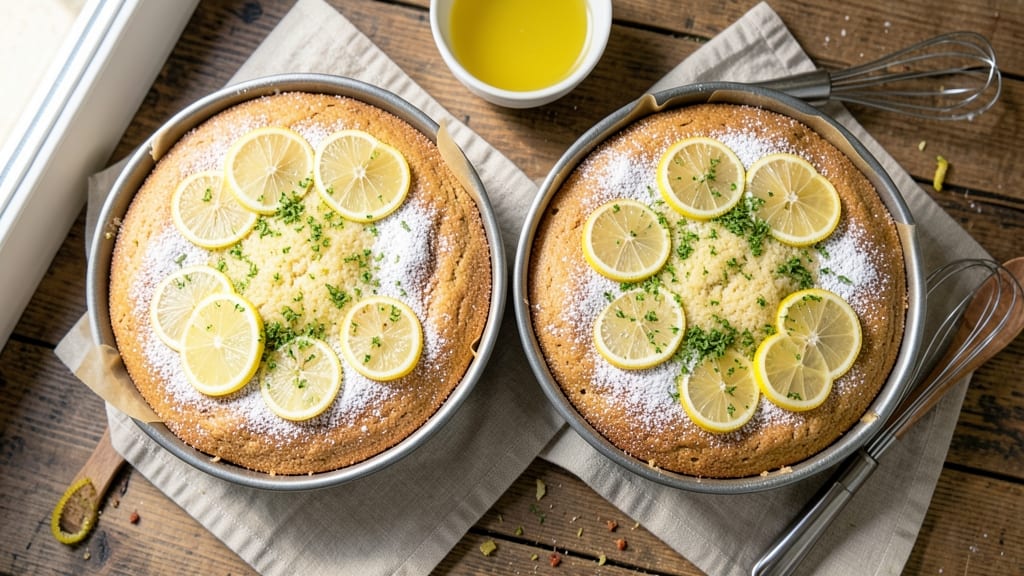
This anytime lemon cake recipe delivers bright, tender layers that stay fresh for days—no seasonal ingredients required. The secret lies in a perfectly balanced batter where zesty lemon zest and juice infuse every bite, while a simple buttercream keeps it moist.
I developed this recipe after years of testing, ensuring it bakes up with just the right crumb and never dries out.
The beauty of this cake is its versatility—serve it for brunch, dessert, or even a quick celebration. You'll need basic pantry staples like flour, sugar, and eggs, plus fresh lemons for that signature tang.
The baking process is straightforward: mix, layer, and bake at 350°F for 25-30 minutes per layer, then cool before assembling with buttercream.
What makes this recipe truly special is how it stays fresh-tasting even after a few days. The lemon flavor shines through without being overpowering, and the layers hold together beautifully.
Whether you decorate it with a simple glaze or keep it classic with powdered sugar, this cake is always a crowd-pleaser.
Perfect for beginners or experienced bakers, this recipe delivers restaurant-quality results with minimal effort. The instructions are clear, and the ingredients are easy to find, making it ideal for any occasion. Let's get started!
Ingredients for anytime lemon cake
Bright citrus layers and creamy buttercream—simple ingredients for a cake that stays fresh for days.
| Ingredient | Amount | Notes |
|---|---|---|
| All-Purpose Flour 🌾 | 2 ½ cups | Sifted for even texture |
| Granulated Sugar 🍚 | 2 cups | White or light brown |
| Large Eggs 🥚 | 4 whole | Room temperature preferred |
| Unsalted Butter 🧈 | 1 cup | Softened to room temperature |
| Fresh Lemon Zest 🍋 | ½ cup | From 4-5 large lemons |
| Fresh Lemon Juice 🍋 | ¾ cup | Strained, no pulp |
| Baking Powder 🧂 | 2 tsp | Diamond Crystal preferred |
| Salt 🧂 | ½ tsp | Fine sea salt |
| Vanilla Extract 🌿 | 1 tbsp | Pure vanilla preferred |
| Milk 🥛 | 1 cup | Whole milk preferred |
| Powdered Sugar 🍚 | 3 cups | For buttercream |
| Heavy Whipping Cream 🥛 | 1 cup | Cold for buttercream |
| Lemon Extract 🍋 | ½ tsp | Optional for extra flavor |
The lemons make or break this cake. Use organic lemons when possible—they have more zest and juice. I always buy mine from Whole Foods or the local farmers market in summer, but grocery store lemons work fine year-round. For zest, use a microplane or the fine side of a box grater. Four to five large lemons should give you enough juice and zest for this recipe. If you're worried about bitterness, strain the juice through a fine-mesh sieve to remove any seeds or pulp. The butter should be softened but not melted—press your finger into it, and it should leave a slight indentation.
No fresh lemons? Lemon extract at half the amount works in a pinch, but it won't have the same bright flavor. For the buttercream, cool the cream before whipping—it whips up faster and holds its shape better. If you don't have heavy cream, substitute with 3/4 cup whipping cream plus 1/4 cup milk, but it won't be as stable. The baking powder is crucial here—Diamond Crystal is my go-to because it's lighter than other brands, but regular baking powder works too. For the vanilla, pure extract is best, but imitation will do if that's all you have. If you're making this ahead, the batter can be refrigerated for up to 24 hours—just let it sit at room temperature for 30 minutes before baking.
This cake stays moist for 4-5 days when wrapped tightly in plastic wrap. For longer storage, freeze the fully assembled cake (without frosting) for up to 3 months. Thaw at room temperature before frosting. The buttercream can be made a day ahead and stored in the fridge—just whip it again briefly before spreading. I always make a double batch of buttercream because it disappears fast. If you're serving this for a crowd, assemble the cake layers and refrigerate them uncovered for 1 hour before frosting—it helps the frosting adhere better.
Why You'll Love This Recipe
- No-Fuss Mixing: I swear by this batter—just fold the butter and sugar until it’s airy, crack in those eggs, and let the lemon zest do the magic. No stand mixer required, no overthinking the steps.
- Zesty Magic: That bright citrus punch from the fresh zest? It’s like sunshine in every bite, balanced by the buttery richness. Honestly, the first time I tasted it, I wondered why I’d ever bought store-bought cake before.
- Weekend or Weeknight: Slice it warm for breakfast with a dollop of whipped cream, or pack it for lunch—it’s that versatile. (Yes, even on a Tuesday night when you’re craving something special but don’t want to slave over it.)
- Budget-Friendly Staples: Flour, sugar, butter, eggs—these are pantry basics that won’t break the bank. Plus, the leftovers? They last days, and no one ever turns down a second slice.
Step-by-step instructions for anytime lemon cake
Here's how to bake a bright, moist lemon cake with layers that stay fresh for days.
Prepare the Cake Layers
Preheat your oven to 350°F and grease two 9-inch round cake pans, lining the bottoms with parchment paper for easy removal. In a large mixing bowl, combine the 2.5 cups all-purpose flour, 2 cups granulated sugar, 2 tsp baking powder, and 0.5 tsp salt. Sift the dry ingredients together to break up any lumps and ensure even distribution.
In a separate bowl, beat the 1 cup softened unsalted butter until smooth and creamy. Add the 4 whole large eggs one at a time, mixing well after each addition. Stir in the 0.5 cup fresh lemon zest, 0.75 cup fresh lemon juice, 1 tbsp vanilla extract, and 0.5 tsp lemon extract (if using). This citrus combination is what gives the cake its signature bright flavor.
Gradually add the dry ingredients to the wet mixture, alternating with the 1 cup milk. Begin and end with the dry ingredients, mixing just until combined. Divide the batter evenly between the prepared cake pans. Bake for 25-30 minutes, or until a toothpick inserted into the center comes out clean and the tops spring back when gently pressed. Let the cakes cool in the pans for 10 minutes before transferring to a wire rack to cool completely.
Make the Lemon Buttercream
While the cakes cool, prepare the buttercream by beating the 1 cup cold heavy whipping cream until soft peaks form. In a separate bowl, whisk together the 3 cups powdered sugar with 1 tbsp vanilla extract and 0.5 tsp lemon extract (if using). Gradually add the powdered sugar mixture to the whipped cream, beating on medium speed until smooth and fluffy.
Add the 1 cup softened unsalted butter in small batches, beating well after each addition to ensure a creamy consistency. The buttercream should be light and airy, with no graininess. Taste and adjust the sweetness if needed by adding a few tablespoons of powdered sugar. This buttercream is the perfect balance of sweet and tangy, complementing the cake layers beautifully.
Assemble the Cake
Once the cakes are completely cool, level the tops if necessary to ensure even layers. Place one cake layer on a cake stand or plate and spread a generous layer of the lemon buttercream evenly over the top. The buttercream should be about ¼ inch thick to prevent sogginess. Repeat with the second cake layer, pressing gently to ensure it sits flat.
Spread the remaining buttercream over the entire cake, creating a smooth base for the final decoration. Use an offset spatula to create a slight overhang around the edges, giving the cake a polished look. For a classic finish, pipe additional buttercream around the sides of the cake using a star tip, creating a decorative border. Chill the cake in the refrigerator for 30 minutes before slicing to allow the layers to set.
Serve and Store
Slice the cake into 8 equal servings using a sharp serrated knife. Each slice should reveal the bright yellow cake layers separated by the creamy lemon buttercream. Serve immediately for the best texture, but the cake will stay fresh for up to 3 days when stored in an airtight container at room temperature or in the refrigerator.
This lemon cake is perfect for any occasion—whether you're hosting a brunch, celebrating a birthday, or simply craving a zesty treat. The combination of moist cake layers and tangy buttercream makes every bite a delightful balance of sweet and citrusy flavors. Enjoy!
Pro Tips For Making Anytime Lemon Cake
- Cream Butter First: Take your time beating the butter and sugar—at least 3-4 minutes—until it’s pale and fluffy. I used to rush this, and the cake turned out dense. That extra effort makes the texture light and tender, especially when you’re adding eggs next.
- Zest Before Juicing: Use a microplane to zest your lemons before juicing—it’s faster and gives you more zest per fruit. Save the zest for the batter and the juice for a glaze or syrup later. (Yes, even if you’re impatient like me.)
- Room-Temp Eggs Matter: Let your eggs sit out for 30 minutes before cracking them into the butter mixture. Cold eggs can cause the batter to curdle, and you’ll end up with a cake that’s more like a brick. Trust me, this small step changes the game.
- Check for Doneness Early: Start checking your cake for doneness 5 minutes before the recipe’s suggested time—ovens vary, and lemon cakes can go from perfect to dry fast. A toothpick should come out clean, but don’t wait until the last second. (Your future self will thank you.)
Essential equipment for perfect results
Essential Mixing Tools
Start with a stand mixer—I swear by my KitchenAid Artisan Series—for creaming butter and eggs smoothly. The paddle attachment handles the dense batter better than whisk attachments. For smaller batches, a hand mixer like the Bosch Universal Plus works perfectly.
Don’t skip sifting your dry ingredients—use a fine-mesh sieve or a handheld sifter to avoid lumps in your batter. 🌾
Baking Essentials
Two 9-inch round cake pans with removable bottoms are non-negotiable—I use Wilton Perfect Results pans for even baking. Line them with parchment paper to prevent sticking and ensure clean slices.
Preheat your oven to 350°F and use an oven thermometer (like the Thermoworks Oven Thermometer) to confirm accuracy—ovens often run hot or cold. A toothpick for testing doneness is a baking must-have.
Buttercream Equipment
For the buttercream, a hand mixer or stand mixer with the whisk attachment is essential. I recommend Cuisinart’s Power Advantage for its torque. Use a fine-mesh sieve to dust powdered sugar over your work surface to avoid clouds of sugar in the air.
A spatula set (including an offset spatula) helps spread buttercream smoothly between layers. For decorating, a piping bag with a star tip adds professional flair.
Cooling and Assembly
A wire cooling rack prevents soggy bottoms while cakes cool. For leveling cake layers, a serrated knife or cake leveler (like the Wilton Cake Leveler) works best. A cake stand elevates your dessert beautifully.
Store leftovers in an airtight container—I love Glasslock containers for freshness. Chill assembled cakes in the fridge for 30 minutes before slicing to maintain structure.
Optional Extras
For extra flair, a microplane ensures fine lemon zest, while a fine-mesh strainer removes pulp from lemon juice. A pastry brush helps grease pans thoroughly. For presentation, edible gold leaf or fresh berries add elegance. Keep a digital scale handy for precise measurements—especially for powdered sugar in the buttercream. 💫
Nutrition facts
Frequently asked questions
Can I make this lemon cake without fresh lemons?
You can substitute with ½ teaspoon lemon extract plus 1 tablespoon lemon juice from a bottle, but the flavor won't be as bright. For best results, use fresh lemons—the zest and juice make all the difference in that signature citrusy taste. If you're short on time, organic lemons from the store work perfectly!
How do I keep the cake from drying out?
Store it in an airtight container at room temperature for up to 3 days, or refrigerate for 5 days. The buttercream helps keep it moist, but avoid cutting into it too soon—wait at least 30 minutes after assembling. For extra freshness, brush the layers lightly with simple syrup before frosting.
Can I use a different type of flour?
All-purpose flour works best for this recipe, but you can substitute with 1:1 cake flour for a slightly lighter texture. Avoid bread flour—it's too dense and will make the cake tough. If you're gluten-free, use a 1:1 gluten-free flour blend designed for baking, but add ½ teaspoon xanthan gum to improve structure.
What's the best way to decorate this cake?
Keep it classic with a dusting of powdered sugar or add fresh berries for color. For a fancy touch, pipe buttercream swirls on top or use a star tip to create a decorative border. A simple glaze made with ½ cup powdered sugar + 1 tablespoon lemon juice adds shine without overpowering the flavor.
Why did my cake sink in the middle?
This usually happens from overmixing the batter or opening the oven too soon. Mix just until combined, and avoid peeking at the cake while baking. Also, ensure your oven is fully preheated and use an oven thermometer—many ovens run hot or cold. For extra insurance, bake at 325°F if your oven runs hot.