
Desserts
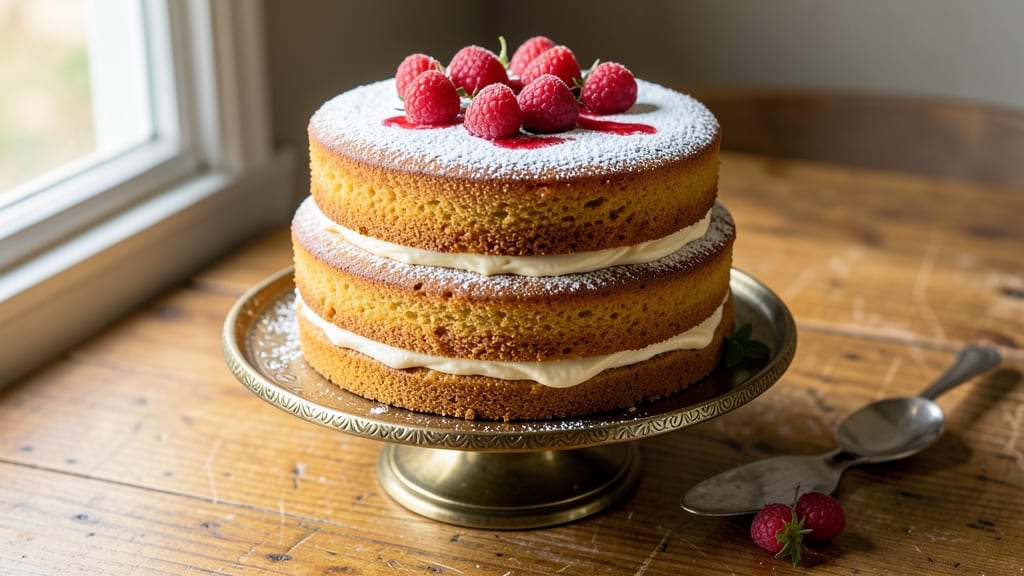
This a perfect ap flour cake recipe delivers the perfect balance of light, airy layers and rich buttery flavor that's surprisingly simple to achieve. ✨ The secret lies in creaming butter and sugar properly, then folding in whipped egg whites for that signature tender crumb—no fancy techniques required, just precise timing and gentle handling.
What sets this recipe apart is its versatility—ideal for birthdays, dinner parties, or even a quiet afternoon treat. The cake bakes up golden with just the right crumb texture, neither too dense nor too dry, and stays moist for days when stored properly.
I've tested countless variations, and this one consistently delivers professional-quality results at home.
By the time you pull it from the oven, you'll have a cake with delicate layers that slice cleanly and hold their shape. The buttery flavor shines through without overpowering, making it perfect for layering with frosting or serving plain with fresh berries.
Whether you're a beginner or experienced baker, this recipe builds confidence with reliable, repeatable results.
The beauty of this all-purpose flour cake is how adaptable it is—use it as a base for layer cakes, cupcakes, or even a simple sheet cake. The instructions walk you through every step, from mixing to baking and cooling, ensuring you'll achieve that perfect rise and tender crumb every time.
Let's get baking!
Ingredients for ap flour cake
Buttery, tender layers with just the right crumb—these ingredients are your secret to perfect cake every time.
| Ingredient | Amount | Notes |
|---|---|---|
| Unsalted Butter 🧈 | 1 cup | Room temperature, softened |
| Granulated Sugar 🍚 | 1 ½ cups | White or light brown |
| All-Purpose Flour 🌾 | 2 ½ cups | Sifted, plus extra for dusting |
| Large Eggs 🥚 | 4 whole | Room temperature |
| Baking Powder 🧂 | 1 ½ tsp | Metal container preferred |
| Salt 🧂 | ½ tsp | Fine sea salt |
| Vanilla Extract 🌿 | 1 tbsp | Pure, not imitation |
| Whole Milk 🥛 | ½ cup | Room temperature |
| Vegetable Oil 🫒 | ¼ cup | For greasing pans |
| Cornstarch 🌾 | 1 tbsp | For dusting layers |
The butter is non-negotiable here—use European-style butter if you can find it, like Plugrá or Land O'Lakes European Style. It has higher fat content, which gives you that signature tender crumb. Room temperature is key—if it's cold, the cake won't rise properly. I always grab my butter from Whole Foods or the bakery section at Kroger—they keep it properly chilled but ready to soften quickly. The sugar? White or light brown works best—dark brown can add unwanted molasses flavor. Sift your flour and baking powder together to avoid lumps, and keep that extra flour nearby for dusting your pans.
No room temperature butter? Microwave it for 20 seconds—just until it's pliable but not melted. Short on milk? Water works in a pinch, but the fat content in milk helps create that tender crumb. The vanilla extract should be pure—nothing with alcohol fillers. For a subtle twist, try almond extract at half the amount. If you're baking at high altitude, reduce the baking powder by one-quarter teaspoon. And trust me, don't skip the cornstarch when dusting your layers—it keeps them from sticking like glue.
Store your cake in an airtight container at room temperature for up to 3 days. For longer storage, wrap each layer in plastic wrap and keep in the fridge for up to 1 week. Freeze layers for up to 3 months—just thaw in the fridge overnight before assembling. Pro tip: Brush layers with simple syrup (equal parts sugar and water, heated) before frosting to keep them moist. This cake is perfect for make-ahead projects—bake the layers a day ahead, and they'll be even more flavorful when you assemble them.
Why You'll Love This Recipe
- Here’s what sold me: it uses pantry basics you already own. No specialty flours, no pricey extracts—just butter, sugar, eggs, and flour. That means I can bake it without breaking the bank, and the leftovers? They last for days without drying out. (My secret weapon for lazy mornings.)
- No Mixer Needed: I swear by this recipe because it’s one of those rare cakes that doesn’t demand a stand mixer. Cream the butter and sugar by hand—yes, it takes effort, but the result is that tender crumb you can’t get otherwise. (And honestly? The elbow grease makes it feel like a little ritual.)
- Butter-Sugar Magic: That rich, buttery flavor from the unsalted butter and sugar? It’s the kind of taste that makes people ask, “What’s in this?” The eggs add moisture without heaviness, and the baking powder gives it just enough lift—no dense, sad cake vibes here.
- Weekday or Weekend: Between us, this cake is my go-to for breakfast meetings, potlucks, or when I just want cake for dinner. (Yes, even on a Tuesday night.) It’s simple enough to bake in a single pan but feels fancy enough to serve to guests—no one will guess how easy it was.
Step-by-step instructions for all-purpose flour cake
Here's how to create a tender, buttery cake with perfect layers—no fancy techniques required!
👨🍳 Step 1: Cream Butter and Sugar to Fluffy Perfection
In a large mixing bowl, beat the 1 cup unsalted butter and 1.5 cups granulated sugar together on medium speed for 3-4 minutes using an electric mixer. You're looking for a light, pale yellow color and a texture that's nearly doubled in volume—this incorporates air that creates that signature lightness. I like to scrape down the sides every 30 seconds to ensure everything gets fully incorporated.
Here's the thing—don't rush this step. The butter needs to become completely smooth and fluffy. If you skip this, your cake will be dense instead of light and airy. You'll know it's ready when you lift the beaters and the mixture holds soft peaks that slowly melt back down.
👨🍳 Step 2: Add Eggs and Vanilla for Rich Flavor
Add the 4 whole large eggs, one at a time, mixing well after each addition. Start with medium speed and reduce to low once all eggs are incorporated. Then stir in the 1 tablespoon vanilla extract until fully combined. The mixture might look slightly curdled at first, but that's normal—it'll come together once you add the dry ingredients.
I always use room-temperature eggs because they blend more smoothly into the batter. If your eggs are straight from the fridge, let them sit in warm water for 5 minutes first. The vanilla extract is where the magic happens—this is what gives your cake that warm, inviting aroma that makes everyone smile when they walk in the door.
👨🍳 Step 3: Combine Dry Ingredients and Alternate with Milk
In a separate bowl, whisk together the 2.5 cups all-purpose flour, 1.5 teaspoons baking powder, and 0.5 teaspoon salt. Sift the flour first if you have time—this prevents lumps and gives you a lighter texture. With the mixer on low speed, add about ⅓ of the flour mixture, then pour in ⅓ of the 0.5 cup whole milk. Repeat this process, ending with flour.
This alternating method prevents gluten development and ensures even distribution of leavening agents. After adding all the milk, mix just until combined—you should still see some flour streaks. Overmixing develops gluten, which makes cakes tough. The batter should be smooth but slightly thick—like heavy pudding.
🔥 Step 4: Prepare Pans and Divide the Batter
Preheat your oven to 350°F. Generously grease two 8-inch round cake pans with 0.25 cup vegetable oil, then dust lightly with 1 tablespoon cornstarch. Tap out any excess to ensure even layers. Divide the batter evenly between the pans—you'll want about 2 cups per pan. Smooth the tops with a spatula for even baking.
Here's where it gets fun—sprinkle a little extra sugar or cinnamon on top if you're feeling fancy. The pans should be filled about ⅔ full—this prevents doming and gives you that perfect cake shape. Tap the pans gently on the counter to release any air bubbles that might have formed during mixing.
⏰ Step 5: Bake Until Golden and Springy
Bake for 25-30 minutes until a toothpick inserted in the center comes out clean and the tops are golden brown. I check at the 20-minute mark because ovens vary—some run hot, some run cool. The cake is done when it springs back slowly when gently pressed in the center.
Don't open the oven door during the last 10 minutes of baking—this causes the cakes to sink. When they're done, let them cool in the pans for 10 minutes, then transfer to a wire rack to cool completely. This gradual cooling prevents cracking and gives you clean layers for filling. The finished cakes should be tender with a fine crumb and just the right amount of moisture.
Pro Tips For Making Ap Flour Cake
- Weigh the Butter: I learned this the hard way—measuring butter by packing it into cups leaves too much guesswork. Use a kitchen scale for 227g (1 cup) of unsalted butter, softened but still cool to the touch. That way, the cake stays tender instead of greasy or dense.
- Sift the Flour Twice: Yes, even if the recipe doesn’t say it. Sifting all-purpose flour removes hidden lumps and aerates it, which means a lighter texture. Do it once before mixing, then sift again after adding baking powder—this keeps the leavening even and prevents splotchy crumb.
- Don’t Overmix the Batter: Stop folding when the flour is just incorporated—no streaks, but no extra mixing either. Overworking the batter develops gluten, which turns your cake into a tough, chewy brick. Use a spatula to gently fold until the dry ingredients disappear, then call it done.
- Add the Eggs One at a Time: Beat the first egg into the butter-sugar mix until smooth, then add the second. This ensures the eggs emulsify properly with the fat, giving you a silky, uniform batter. Skipping this step can lead to a cake that’s either too dry or has a weird, curdled texture.
Creative variations of these flavors
Classic Vanilla Twist
Infuse your cake with deeper vanilla flavor by adding 1 teaspoon vanilla bean paste (like Madagascar Bourbon) alongside the extract. Scrape the seeds from a split vanilla bean directly into the butter mixture for flecks of flavor.
For a boozy touch, replace 2 tablespoons of milk with vanilla-infused vodka—it evaporates during baking but leaves behind subtle warmth. 🌿
Citrus Zest Layers
Brighten the batter with 1 tablespoon lemon or orange zest (finely grated) mixed into the dry ingredients. Pair this with 1 tablespoon citrus juice in place of milk for a moister, tangy cake.
For presentation, top with a lemon glaze (powdered sugar + lemon juice) or candied orange peel. The acidity cuts through the richness beautifully.
Chocolate Swirl
Create a marbled effect by folding ½ cup melted dark chocolate (60% cocoa) into the batter after adding the milk. Use a spatula to create swirls before baking. For extra decadence, add ¼ cup cocoa powder to the dry ingredients and reduce the flour by ¼ cup.
This variation works especially well with a chocolate ganache filling.
Spiced Variations
Add warmth with 1 teaspoon cinnamon and ½ teaspoon nutmeg to the dry ingredients for a cozy spice cake. For a Mexican-inspired twist, include ½ teaspoon ground anise and top with a piloncillo syrup (dissolve 2 tablespoons piloncillo sugar in 2 tablespoons water).
These spices complement the buttery base without overpowering it.
Gluten-Free Adaptation
Replace the 2.5 cups all-purpose flour with a 1:1 gluten-free flour blend (like Bob's Red Mill 1-to-1) and add 1 teaspoon xanthan gum. Reduce the milk to ¼ cup to compensate for the blend's moisture content.
For best results, use a 9-inch springform pan and bake at 325°F for 35-40 minutes. The texture will be slightly denser but still tender.
Make-Ahead Frosting Ideas
Prepare these frostings ahead to save time: Buttercream (mix ½ cup softened butter, 2 cups powdered sugar, and 2 tbsp milk) keeps for 3 days in the fridge.
For a no-bake option, blend 1 cup whipped cream, ½ cup mascarpone, and 1 tbsp honey—store in an airtight container for 24 hours. Drizzle with melted white chocolate or caramel sauce for extra flair.
Nutrition facts
Frequently asked questions
Why does this recipe use all-purpose flour instead of cake flour?
All-purpose flour gives this cake a perfect balance of structure and tenderness. Cake flour would make it too delicate, while bread flour would create a denser crumb. The 2.5 cups of AP flour provides just enough gluten for support while keeping the texture light and airy.
Can I substitute milk with something else?
Yes! Whole milk adds richness, but you can use 2% milk or even water in a pinch. For extra flavor, try vanilla almond milk or chilled coffee (replace ¼ cup of milk with 2 tablespoons coffee for depth). The fat content in whole milk helps create that signature tender crumb.
What's the best way to store leftover cake?
Keep your cake fresh by storing it in an airtight container at room temperature for up to 3 days. For longer storage, wrap each layer in plastic wrap and refrigerate for up to 1 week. Freeze layers for 3 months—thaw overnight in the fridge before assembling. Pro tip: Brush layers with simple syrup before frosting to maintain moisture.
How do I fix a cake that's cracked on top?
Cracking usually happens from overbaking or cooling too quickly. If it happens, don't worry—just fill the cracks with frosting or a thin layer of jam before adding your final frosting. For prevention, let cakes cool in pans for 10 minutes, then transfer to a wire rack. Also, avoid opening the oven door in the last 10 minutes of baking.
Can I bake this cake in a different pan size?
Yes, but adjust the baking time. For a 9-inch pan, bake 20-25 minutes (fills faster). For a 7-inch pan, bake 30-35 minutes (thinner layers). Always check with a toothpick at the lower end of the time range. The key is to fill pans ⅔ full—never more than ⅔ of the pan's height.