
Desserts
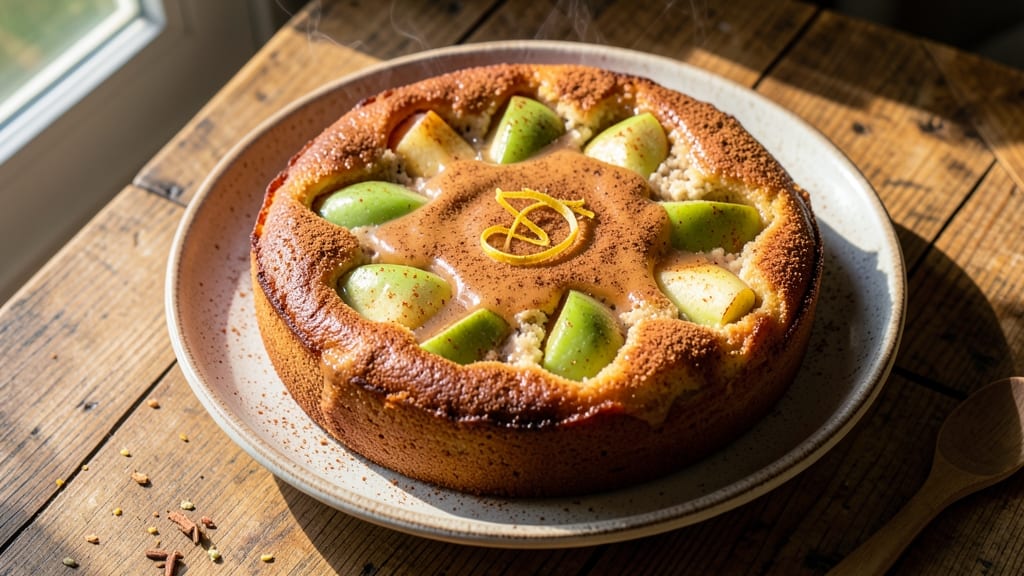
This apple cake for diabetics delivers all the cozy spice and tender crumb of classic apple cake—without the blood sugar spike. The secret lies in almond flour and erythritol, which replace refined flour and sugar while keeping the cake moist and flavorful.
I’ve baked this version for diabetic friends who refuse to give up dessert, and it’s become their go-to treat after meals.
The recipe balances traditional apple cake elements with diabetic-friendly swaps: warm cinnamon and nutmeg enhance natural sweetness from apples, while almond flour adds richness without gluten or excess carbs. Baking at 350°F ensures even cooking, and a simple glaze made with powdered erythritol keeps the top shiny without added sugar.
What makes this cake special is its texture—tender yet sturdy, with juicy apple chunks throughout. Each slice contains just 5 grams of net carbs, making it suitable for most diabetic diets while still satisfying that craving for something homemade.
The spices create warmth that feels like comfort, proving dessert doesn’t have to be off-limits.
Perfect for holiday gatherings, potlucks, or a special treat, this cake pairs beautifully with a dollop of whipped coconut cream. The recipe scales easily, so you can adjust portions for individual servings or share with friends who appreciate thoughtful baking. Let’s get to the mixing bowl!
Ingredients for apple cake for diabetics
Almond flour and erythritol create a moist diabetic-friendly cake with all the cozy spice of classic apple cake.
| Ingredient | Amount | Notes |
|---|---|---|
| Almond Flour 🌰 | 2 ½ cups | Finely ground, unsweetened |
| Granulated Erythritol 🍬 | 1 cup | Powdered for best texture |
| Large Eggs 🥚 | 2 whole | Room temperature preferred |
| Unsweetened Applesauce 🍎 | ½ cup | No sugar added |
| Vanilla Extract 🌸 | 1 tbsp | Pure alcohol-free preferred |
| Ground Cinnamon 🌿 | 2 tsp | Freshly ground for warmth |
| Ground Nutmeg 🌿 | ½ tsp | Freshly grated for depth |
| Baking Powder 🍞 | 1 tsp | Aluminum-free preferred |
| Salt 🧂 | ¼ tsp | Fine sea salt preferred |
| Granny Smith Apples 🍏 | 2 medium | Peeled, cored, diced small |
| Unsalted Butter 🧈 | ½ cup | Cold, cubed for glaze |
| Powdered Erythritol 🍬 | ¼ cup | For glaze sweetness |
The almond flour is non-negotiable here—Bob’s Red Mill or Anthony’s Goods brands work best for fine texture. Look for 100% almond flour, no fillers. Erythritol can be tricky: Lakanto or Swerve are my go-tos, but avoid maltitol blends. Granny Smith apples add tartness that balances the sweetness—organic from Trader Joe’s or your local farmers market are ideal. Freshly ground spices make all the difference; Penzeys sells pre-ground cinnamon and nutmeg that stays potent longer than grocery store bins.
No almond flour? Oat flour works in a pinch, but texture will be denser. Substituting erythritol? Monk fruit sweetener at 1:1 ratio keeps carbs lower. Apples too tart? Mix in 1 tbsp lemon juice to brighten them. For the glaze, butter must be cold—let it sit 30 minutes if straight from the fridge. The unsweetened applesauce adds moisture without spiking blood sugar; Mott’s or Libby’s brands are reliable. Need extra flavor? Add 1/4 tsp almond extract to the batter.
Store the cake in an airtight container at room temperature for 3 days or refrigerate for 1 week. The glaze hardens at room temp, so bring to room temperature before serving. Freezes beautifully for 3 months—wrap tightly in plastic wrap. For best texture, slice and toast in the oven at 300°F for 5 minutes before serving. The apples soften over time, so this cake tastes even better the next day as flavors meld.
Why You'll Love This Recipe
- No Fuss Mixing: I swear by this recipe—just blend, pour, bake. The almond flour keeps it light without gluten, and the applesauce replaces oil while keeping it moist. Honestly, I’ve made it on a lazy Sunday with my coffee still in hand.
- Sweet Without Guilt: That erythritol-caramelized apple flavor? Ridiculously good. The vanilla and warm spices (if you add them) make it taste like a bakery treat, but my blood sugar stays steady. No one would guess it’s diabetic-friendly.
- Lunchbox Hero: Between us, this cake holds up like a champ. I slice it into thick bars, wrap them in parchment, and toss them in my kids’ lunches—no squishy mess, no soggy bottoms. It’s my go-to for school snacks or office meetings.
- Budget-Friendly Staples: Almond flour and eggs are my secret weapon for keeping costs down. The applesauce stretches further than sugar, and erythritol is cheaper than fancy sweeteners. I’ve made this for birthdays, potlucks, and just because—always a hit, never a splurge.
Step-by-step instructions for low-sugar apple cake
This method delivers perfectly moist, spice-infused layers without refined sugar.
Preheat and Prepare the Apples
Preheat your oven to 350°F. While it heats, peel, core, and dice the 2 medium Granny Smith apples into ¼-inch cubes. Toss them with 1 teaspoon of the 1 cup Granulated Erythritol to prevent browning. This step preserves their crisp texture and prevents excess moisture in your batter.
Granny Smith apples work best here—their tartness balances the sweetness of the erythritol. If using other varieties, toss with a bit of lemon juice instead. Let the diced apples sit at room temperature while you prepare the dry ingredients.
Mix Dry Ingredients Thoroughly
In a medium bowl, whisk together the 2.5 cups Almond Flour, remaining ½ cup Granulated Erythritol, 2 teaspoons Ground Cinnamon, ½ teaspoon Ground Nutmeg, 1 teaspoon Baking Powder, and ¼ teaspoon Salt. Sift the mixture through a fine-mesh sieve to aerate it and remove any lumps. This ensures even distribution of ingredients and a lighter texture.
Almond flour can be dense, so thorough mixing is critical. I like to press the mixture through the sieve twice to guarantee no pockets of dry flour remain. The nutmeg adds depth that complements the apple's tartness beautifully.
Combine Wet Ingredients
In a separate large bowl, beat the 2 whole Large Eggs until just combined. Add the 0.5 cup Unsweetened Applesauce, 1 tablespoon Vanilla Extract, and 0.5 cup Unsalted Butter (melted and cooled slightly). Mix until smooth but don't overbeat—the batter should be thick but pourable.
The applesauce replaces traditional sugar while adding moisture and structure. The melted butter creates a tender crumb, while the vanilla enhances the warm spice notes. If your butter is too warm, chill the mixture briefly to prevent the cake from becoming too dense.
Fold and Bake
Gently fold the dry ingredients into the wet mixture using a spatula, mixing just until combined. Fold in the prepared apple cubes, reserving a few for topping. Pour the batter into a greased 9-inch round cake pan and sprinkle the reserved apples on top. Bake for 35-40 minutes until a toothpick inserted in the center comes out clean.
Don't overmix—just combine until the flour is incorporated. The cake should rise about ½ inch above the pan edges and develop a golden hue. If the top browns too quickly, tent loosely with foil after 20 minutes to prevent over-browning while maintaining moisture.
Create the Glaze and Serve
While the cake bakes, make the glaze by melting the 0.5 cup Unsalted Butter with the 0.25 cup Powdered Erythritol in a small saucepan over low heat. Stir until smooth, then let cool slightly. Once the cake is done, poke holes all over with a skewer and pour the glaze over the warm cake, letting it soak in.
This butter glaze adds richness without sugar while keeping the cake moist. Let the cake cool in the pan for 10 minutes before transferring to a wire rack. Serve warm or at room temperature for the best texture—each slice should be tender with just the right amount of spice and apple flavor.
Pro Tips For Making Apple Cake For Diabetics
- Whisk Eggs Cold: Crack eggs straight from the fridge into a chilled bowl—this keeps the whites firm and prevents them from overmixing into a tough, rubbery mess. I learned this the hard way after a cake turned out dense; now I always start with ice-cold eggs and a pre-chilled mixing bowl.
- Sift Almond Flour: Almond flour clumps like a stubborn teenager, and those lumps hide in your batter. Sift it directly into your measuring cup or mixing bowl—yes, it’s extra work, but it guarantees a smoother texture and even baking. Skip this, and you’ll end up with pockets of dry flour that won’t cook through.
- Fold Applesauce Gently: Stir the unsweetened applesauce into the batter just until combined—overmixing aerates the almond flour and collapses the structure. Use a spatula and cut through the center like you’re untangling headphones; this keeps the cake light without deflating it. I used to blend it in like a smoothie, and the result was a sad, dense brick.
- Check Temp Early: Almond flour cakes bake faster than wheat-based ones and can go from golden to burnt in minutes. Pull the cake out when the edges are set and the center still jiggles slightly—it’ll firm up as it cools. My first attempt ended up a charred disaster because I trusted the recipe’s baking time without checking. Now I test with a toothpick at 325°F (160°C) for 15–20 minutes.
Storing and reheating this recipe
Room Temperature Storage
Store your diabetic apple cake in an airtight container at room temperature for up to 3 days. The almond flour base keeps it moist longer than traditional flour cakes, but the apples will soften slightly over time.
I like to slice it into 8 equal portions for easy serving—this also helps maintain freshness by minimizing air exposure. 🌰
Refrigerator Refresh
For longer storage, refrigerate the cake in an airtight container for up to 1 week. The cold temperature preserves the apples' texture and prevents the glaze from becoming sticky.
When ready to serve, let slices sit at room temperature for 10 minutes—this restores the tender crumb and makes it easier to cut. A quick 30-second microwave burst (covered with a damp paper towel) revives any dried edges.
Freezer-Friendly Method
This cake freezes beautifully for up to 3 months. Wrap individual slices tightly in plastic wrap, then place them in a freezer bag with all air removed. For whole cakes, wrap the entire pan in heavy-duty foil before freezing.
When thawing, leave it at room temperature for 2 hours or microwave for 20 seconds per slice on low power. The texture remains moist, though the apples may soften slightly after freezing.
Reheating for Best Texture
For the best results, reheat slices in a 350°F oven for 5 minutes on a wire rack. This method crisps the edges slightly while keeping the interior tender. Alternatively, warm in a toaster oven at 300°F for 3-4 minutes—this works well for individual servings.
Avoid the microwave if possible, as it can make the cake gummy. A sprinkle of cinnamon after reheating adds fresh warmth to each bite.
Glaze Maintenance Tips
The erythritol glaze hardens at room temperature, so store the cake in the refrigerator if you plan to serve it within 3 days. Before serving, let the cake sit at room temperature for 20 minutes to soften the glaze naturally.
For a quick fix, gently warm the cake for 10 seconds in the microwave (covered) to restore the glaze's sheen. This keeps the cake looking as good as fresh-baked while maintaining its diabetic-friendly benefits.
Nutrition facts
Frequently asked questions
Can I substitute almond flour with regular flour for this diabetic cake?
While possible, it won't be diabetic-friendly. Regular flour contains 20+ grams of carbs per cup, which would spike blood sugar. For a similar texture, try oat flour (1:1 ratio)—it has 12 grams net carbs per cup—but the cake will be denser. The almond flour keeps carbs low (3 grams net per serving) while adding richness.
Why does my diabetic apple cake turn out dry?
Overbaking or under-moisturizing are the usual culprits. Ensure your apples are diced small and tossed with erythritol to prevent excess moisture. Also, don't overmix the batter—just fold until combined. If using a different sweetener, check its moisture content (some like monk fruit are drier). Bake until a toothpick comes out clean, but remove it 2-3 minutes early if needed.
How do I adjust this recipe for a muffin tin instead of a cake pan?
Divide the batter evenly among 12 muffin cups (fill ⅔ full). Bake at 350°F for 18-20 minutes—muffins cook faster. Use the same glaze, but reduce it to 1 tbsp per muffin. Each muffin will have 2.5 grams net carbs, making them perfect for on-the-go diabetic snacks. Perfect for breakfast or a midday treat!
Is this cake safe for type 1 diabetics?
Yes, but monitor portions carefully. Each slice contains 5 grams net carbs, which is manageable for most type 1 diabetics when paired with insulin. The almond flour and erythritol provide slow-digesting carbs, but individual responses vary. Always check with your healthcare provider to align with your specific carb-counting plan. Keep a food log for the first few servings to track your blood sugar response.
Can I add nuts or chocolate chips to this recipe?
Nuts like walnuts or pecans work well (¼ cup chopped) for added crunch and healthy fats. For chocolate, use 85% dark chocolate chips (1 tbsp)—they contain 1 gram net carbs per chip. Avoid milk chocolate (high sugar). Fold them in during the final mixing step. Just remember: nuts and chocolate add carbs, so adjust portions based on your dietary needs.