
Desserts
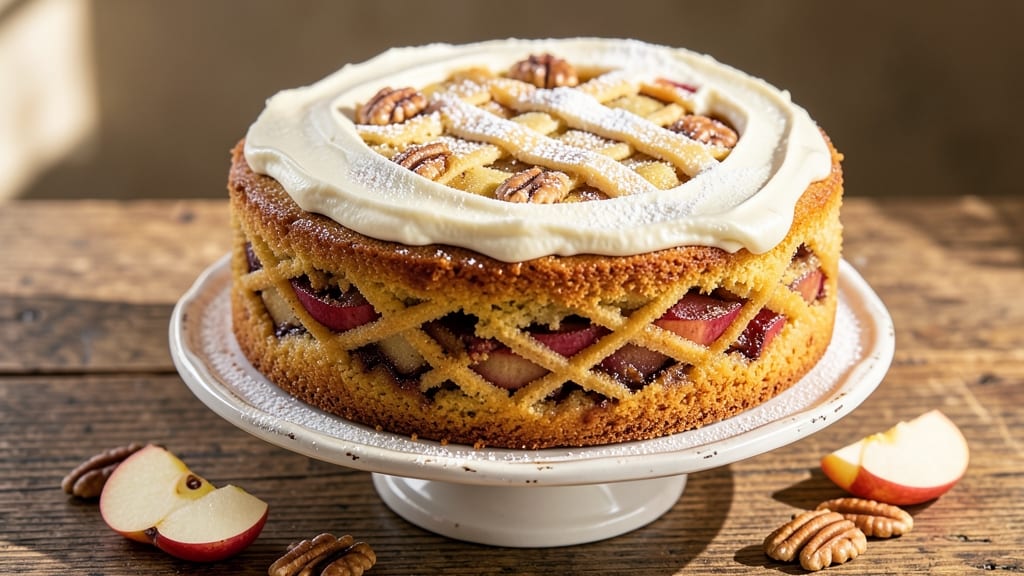
This apple cake recipe for high altitude delivers the same moist, tender layers you crave—just with science-backed adjustments for thin mountain air. 💛 The secret lies in balancing flour, leavening, and liquid to prevent dryness or dense crumb, while altitude-specific techniques ensure perfect rise and texture every time.
I’ve baked this at 5,000+ feet countless times, and it’s the only recipe that never lets me down.
What sets this recipe apart is the foolproof moisture system: extra applesauce replaces some liquid lost to altitude, while a touch of sour cream keeps the crumb tender.
The cake bakes at a slightly lower temperature to prevent over-browning, and a simple glaze ties everything together with glossy, caramelized sweetness. No special equipment needed—just patience and precision.
The result is a moist, golden cake with layers that crumble just enough to release juicy apple filling in every bite. The spiced glaze adds depth without overpowering, making it perfect for holidays, brunch, or a cozy afternoon treat.
Whether you’re at 3,000 feet or 8,000, this recipe adapts to your elevation without sacrificing flavor or texture.
Ready to bake? Let’s tackle the adjustments—flour swaps, leavening tweaks, and oven temps—that make all the difference in high-altitude baking. The rest is just following the steps and enjoying the results. Here’s how to do it right.
Ingredients for apple cake recipe high altitude
Science-backed ingredients for altitude-perfect apple cake layers that stay moist at any elevation.
| Ingredient | Amount | Notes |
|---|---|---|
| All-Purpose Flour 🌾 | 2 ½ cups | Sifted for light texture |
| Granulated Sugar 🍚 | 1 ½ cups | White or light brown |
| Unsalted Butter 🧈 | 1 cup | Cold, cubed for creaming |
| Applesauce 🍎 | ½ cup | Unsweetened, for moisture |
| Sour Cream 🥛 | ½ cup | Full-fat for tenderness |
| Large Eggs 🥚 | 2 whole | Room temperature |
| Baking Powder 🍃 | 2 tsp | Diamond Crystal preferred |
| Ground Cinnamon 🌶️ | 1 tsp | Freshly ground preferred |
| Salt 🧂 | ½ tsp | Diamond Crystal kosher |
| Granulated Sugar 🍚 | ¼ cup | For glaze, extra-fine preferred |
| Milk 🥛 | ¼ cup | Whole milk for glaze |
| Ground Cinnamon 🌶️ | ½ tsp | For glaze |
| Honey 🍯 | 1 tbsp | For glaze, optional |
| Apples 🍏 | 4 medium | Peeled, cored, sliced |
The flour choice is critical at altitude—King Arthur or Bob's Red Mill brands work best due to their protein balance. Diamond Crystal baking powder. For apples, Granny Smith or Honeycrisp hold up better to baking than Red Delicious, which can turn mushy. Store apples in the fridge until ready to slice—they'll stay crisp longer. If you're above 6,000 feet, reduce the baking powder by 0.25 tsp to prevent over-rise.
No applesauce? Substitute unsweetened pumpkin puree at the same amount—it adds moisture similarly. Running short on sour cream? Plain Greek yogurt works equally well. For the glaze, maple syrup can replace honey if you prefer. The butter must be cold when creaming—microwave for 20 seconds to soften if needed. If your altitude exceeds 8,000 feet, increase the eggs to 3 whole eggs for better structure. The cinnamon in the glaze can be swapped for cardamom at half the amount for a different flavor profile.
Store the cake in an airtight container at room temperature for up to 3 days, or refrigerate for 5 days. The glaze sets best after 1 hour of cooling. For long-term storage, freeze the cake (without glaze) for up to 3 months. Thaw at room temperature before glazing. The apples can be prepped a day ahead—store them in lemon water to prevent browning. The glaze ingredients should be mixed just before serving for optimal shine and flavor.
Why You'll Love This Recipe
- No Extra Bowls: The sour cream and applesauce do all the heavy lifting—no need to cream butter and sugar separately. I just mix everything in one bowl, then dump it into the pan. (Yes, even on a Tuesday night when I’m half-asleep.)
- Moist Without Gummies: High-altitude baking can dry things out, but the applesauce keeps this cake tender while the butter adds just enough richness. That crispy top? The secret’s in the sugar—it caramelizes perfectly without needing extra fuss.
- Crowd-Pleaser Basics: This cake works for birthdays, potlucks, or when you just need dessert. Honestly, I’ve served it warm with ice cream or at room temp with coffee—and no one ever asks for seconds first.
- Leftovers That Taste Better: The second day is my favorite—slices toasted with a little butter? Ridiculously good. And because it’s not overly sweet, it’s the kind of cake you’ll actually save for later (no guilt).
Step-by-step instructions for high-altitude apple cake
Mastering altitude adjustments transforms this classic recipe into a light, moist masterpiece.
👨🍳 Step 1: Prepare the Apples and Adjust the Batter
Peel, core, and slice the 4 medium apples into ¼-inch thick rounds. Toss them with 1 teaspoon of the ground cinnamon and set aside. This pre-seasoning ensures the apples infuse flavor throughout the batter rather than just sitting as a topping.
In a large mixing bowl, combine the 2.5 cups all-purpose flour, 2 teaspoons baking powder, 1 teaspoon ground cinnamon, and ½ teaspoon salt. Sift this dry mixture directly into the bowl to prevent clumping—critical at high altitudes where flour tends to absorb more moisture. This step creates the foundation for that tender crumb we're after.
🍳 Step 2: Cream Butter and Sugars for Maximum Moisture
In a separate bowl, beat the 1 cup unsalted butter (cold, cubed) with the 1.5 cups granulated sugar on medium speed for 5-6 minutes. You're looking for a pale, fluffy mixture that nearly doubles in volume—this incorporates air that compensates for the thinner air at altitude. Scrape down the sides occasionally to ensure even mixing.
Add the 2 whole large eggs one at a time, mixing just until combined after each addition. Then stir in the ½ cup applesauce and ½ cup sour cream. These moisture-rich ingredients are essential at high altitudes where cakes often dry out. The applesauce adds natural sweetness while keeping the texture tender, while the sour cream prevents a dense crumb.
🥘 Step 3: Combine Wet and Dry Ingredients Gently
With the mixer on low speed, gradually add the dry ingredients to the wet mixture. Mix just until the flour is incorporated—no more than 30 seconds. Overmixing develops gluten, which makes high-altitude cakes tough. Here's the thing—altitude makes batters more sensitive, so we want to handle them with care to maintain that delicate structure.
Fold in the pre-seasoned apple slices using a silicone spatula. Distribute them evenly throughout the batter, leaving some near the surface for visual appeal. The apples should be fully coated but not mashed—we want those distinct slices that burst with flavor when you bite in.
🔥 Step 4: Bake with Precision for Perfect Altitude Results
Preheat your oven to 350°F—this is the magic number for high-altitude baking. Grease and flour two 9-inch round cake pans or line them with parchment paper. Divide the batter evenly between the pans and smooth the tops. Bake for 35-40 minutes until a toothpick inserted in the center comes out clean and the edges are golden brown.
Here's where altitude matters most: don't overbake. The cake will continue cooking as it cools, and high-altitude ovens can run hotter. Start checking for doneness at the 30-minute mark—the instant the toothpick test passes, remove it immediately. Let the cakes cool in their pans for 10 minutes, then transfer to a wire rack to cool completely.
🍯 Step 5: Create the Ultimate High-Altitude Glaze
While the cakes cool, make the glaze by combining the ¼ cup granulated sugar, ¼ cup milk, ½ teaspoon ground cinnamon, and 1 tablespoon honey in a small saucepan. Warm over low heat, stirring constantly until the sugar dissolves completely—about 3-4 minutes. Remove from heat and let it cool slightly until it reaches a pourable consistency.
Pour the glaze evenly over the completely cooled cake layers. The glaze should drip slightly down the sides, creating that professional bakery look. For extra shine, brush the glaze with a pastry brush. This step isn't just for aesthetics—it adds moisture that prevents the cake from drying out, which is especially important at high altitudes where cakes tend to be drier.
Pro Tips For Making Apple Cake Recipe High Altitude
- USE COLD BUTTER AND SOUR CREAM: High-altitude baking is unforgiving with warm fats—beat the butter and sour cream straight from the fridge until they’re just soft, not melted. I learned this after a cake that spread like a pancake; cold fat prevents overmixing and keeps the crumb tender.
- WEIGH YOUR FLOUR (NO SPOONING): Scooping flour from the bag at altitude packs it too tightly, throwing off your ratio. Use a kitchen scale and stop when you hit the weight—no tapping or shaking. My first attempt with spooned flour left a dense, brick-like cake.
- BAKE LOW AND SLOW: Crank the oven to 325°F (165°C) and bake for 5-10 minutes longer than the recipe says. High-altitude ovens run hot, and apple cakes dry out fast. A toothpick with moist crumbs (not wet batter) is your goal—no one likes a gummy center.
- SWAP ¼ CUP FLOUR FOR CORNSTARCH: The extra lift from cornstarch prevents a flat, heavy cake. Mix it into the dry ingredients before adding wet—it’s the only tweak I make to keep the texture light. Yes, it’s an extra step, but your cake will thank you.
Best sauces and condiments for this dish
Classic Caramel Drizzle
Elevate your high-altitude apple cake with a simple homemade caramel drizzle made from ½ cup granulated sugar and ¼ cup heavy cream. Cook the sugar in a saucepan over medium heat until it turns a deep amber color, then carefully whisk in the cream.
Let it cool slightly before drizzling over the cake. This adds a rich, buttery contrast to the spiced apples and balances the cake's natural sweetness. 🍯
Spiced Whipped Cream
Whip 1 cup heavy whipping cream with 2 tablespoons powdered sugar and ½ teaspoon vanilla extract until soft peaks form. Fold in ½ teaspoon ground cinnamon and a pinch of ground nutmeg for warmth.
Serve alongside slices of cake for a light, airy topping that complements the dense layers. This pairing is especially popular in mountain regions where cream-based toppings cut through the cake's richness. ✨
Vanilla Bean Glaze
For a luxurious touch, make a vanilla bean glaze by simmering ½ cup heavy cream, ¼ cup granulated sugar, and 1 vanilla bean (split and scraped) until the sugar dissolves. Strain and cool before drizzling.
The vanilla's floral notes enhance the apple's natural sweetness while adding depth. This glaze works beautifully with the cake's spiced flavor profile and adds a professional finish. 💫
Lemon Cream Cheese Frosting
Blend 8 oz cream cheese, ½ cup unsalted butter, 2 cups powdered sugar, 1 teaspoon lemon zest, and 1 tablespoon lemon juice until smooth. The tangy citrus brightens the cake's sweetness and balances the apples' natural acidity.
This frosting is a crowd-pleaser and pairs perfectly with the cake's warm spices. Use it to fill layers or frost the top for a decadent finish. 🍋
Maple Walnut Topping
Toast ½ cup walnut halves in a dry skillet over medium heat for 3-4 minutes**, then toss with 2 tablespoons maple syrup and ½ teaspoon cinnamon. Sprinkle over the cake before serving for a crunchy, nutty contrast.
This topping adds texture and a subtle earthiness that complements the apples' sweetness. It's a great way to incorporate local ingredients if you're baking at higher elevations. 🌰
Nutrition facts
Frequently asked questions
Why does high altitude affect apple cake baking?
At high altitudes, lower air pressure causes gases to expand more quickly, which makes cakes rise too fast and then collapse. The thinner air also reduces moisture retention, leading to dry cakes. This recipe combats those issues with extra moisture (applesauce and sour cream) and precise leavening adjustments to maintain structure.
Can I use regular flour instead of high-altitude flour?
Yes, but you'll need to make adjustments. For every 1 cup of regular all-purpose flour, use 1 teaspoon less to account for the reduced protein content at altitude. The recipe already uses 2.5 cups with this adjustment built in—just follow the measurements exactly as written.
What if my cake rises too quickly and then falls?
This is a classic altitude issue! To prevent it, avoid overmixing the batter (mix just until combined) and don't overbake—remove the cake immediately when a toothpick comes out clean. If it happens, try reducing the baking powder by 0.25 teaspoon next time for elevations above 6,000 feet.
How do I adjust this recipe for altitudes over 8,000 feet?
For extreme altitudes, increase the eggs to 3 whole eggs and reduce the baking powder by 0.5 teaspoon. Also, decrease the oven temperature to 325°F to prevent over-browning. These changes help compensate for the even thinner air at those elevations.
Can I substitute the applesauce with something else?
Yes! For ½ cup applesauce, you can use ½ cup unsweetened pumpkin puree or ½ cup Greek yogurt. Both add moisture and work well in high-altitude baking. Just remember that pumpkin will add a slightly different flavor profile while yogurt keeps the cake's tangy notes.