
Desserts
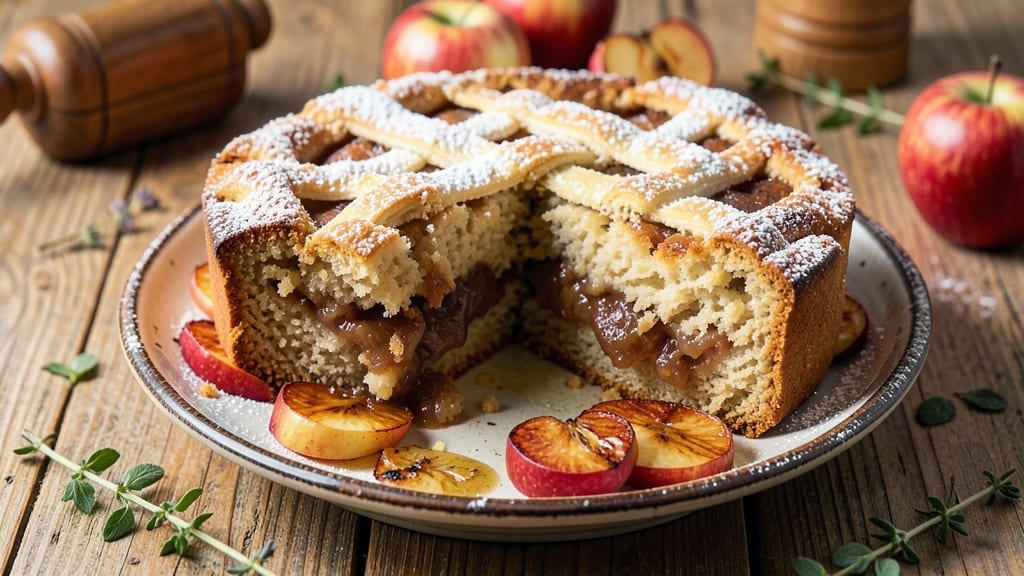
This apple cake recipe with vegetable oil delivers the perfect balance of tender crumb and warm spiced apple flavor—every slice stays moist for days. 🍏 The secret lies in vegetable oil's ability to create a rich, velvety texture while keeping the cake's structure intact, unlike butter which can sometimes make cakes dry.
I've tested countless variations, and this method consistently produces a cake that's light yet substantial, with apples that stay juicy rather than turning mushy.
The recipe begins with a simple yet effective batter made with all-purpose flour, baking powder, and a touch of cinnamon for warmth.
Vegetable oil ensures that the crumb remains tender and moist, while the apples are finely diced and tossed in a light spice mixture before being folded into the batter. This technique distributes flavor evenly and prevents the apples from sinking to the bottom.
Baking at a precise 350°F (175°C) for about 50-60 minutes yields a golden top with a delicate crust, while the interior remains soft and inviting. The cake's aroma alone—warm apples mingling with cinnamon and vanilla—will have your kitchen smelling like autumn.
Serve it warm with a dusting of powdered sugar or a drizzle of caramel glaze for an extra touch of indulgence.
This apple cake is versatile enough for breakfast, dessert, or even a cozy afternoon snack. The recipe scales easily, making it perfect for gatherings or meal prep. Whether you're a seasoned baker or just starting out, this foolproof method guarantees a cake that's both impressive and comforting. Let's get baking!
Ingredients for apple cake recipe with vegetable oil
Simple ingredients that transform into a moist apple cake with perfect spice balance.
| Ingredient | Amount | Notes |
|---|---|---|
| All-Purpose Flour 🌾 | 2 ½ cups | Sifted for even texture |
| Granulated Sugar 🍚 | 1 ½ cups | White or light brown |
| Vegetable Oil 🫒 | 1 cup | Pure, neutral flavor preferred |
| Large Eggs 🥚 | 2 whole | Room temperature for blending |
| Unsweetened Applesauce 🍎 | ½ cup | For moisture without sweetness |
| Vanilla Extract 🌿 | 1 tbsp | Pure extract, not imitation |
| Baking Powder 🧂 | 2 tsp | Aluminum-free preferred |
| Ground Cinnamon 🌶️ | 1 ½ tsp | Freshly ground for best flavor |
| Salt 🧂 | ½ tsp | Fine sea salt preferred |
| Mixed Apples 🍏 | 4 medium | Honeycrisp, Gala, or Granny Smith |
| Lemon Juice 🍋 | 1 tbsp | Freshly squeezed |
| Powdered Sugar 🍚 | ¼ cup | For dusting (optional) |
The apples are the heart of this cake, so choose a mix of textures—Honeycrisp for sweetness, Granny Smith for tartness. Local farmers markets often have the best selection, but any grocery store produce section works. Peel and core them first, then dice into small, even pieces (about 1/4-inch). The vegetable oil is non-negotiable here—it keeps the crumb tender for days. Crisco or pure canola oil both work, but avoid flavored oils like olive. For the flour, King Arthur or Gold Medal brands are reliable for consistent baking results.
No vegetable oil? Melted coconut oil or avocado oil are good substitutes, though coconut has a slight flavor. Short on apples? Substitute with 1 cup dried apples (soaked in warm water for 20 minutes), but reduce the sugar by 1 tbsp. The baking powder should be fresh—if it's more than 6 months old, test it by mixing with water; if it doesn't bubble, replace it. For extra moisture, swap half the applesauce with Greek yogurt or sour cream. And if you're feeling fancy, toss the diced apples with an extra 1/2 tsp cinnamon before folding into the batter—trust me on this.
This cake stays moist for 5 days when stored in an airtight container at room temperature, or 3 months in the freezer. For serving, warm slices in the microwave for 10-15 seconds to revive the apple flavor. The powdered sugar topping is optional but adds a lovely finish—use it if you're serving immediately. Leftovers? Slice and freeze between parchment paper for quick breakfast treats. The cake reheats beautifully—just wrap a slice in a damp paper towel and microwave for 20 seconds.
Why You'll Love This Recipe
- I’ll be real: this recipe uses things I already have. No specialty oils or pricey extracts—just flour, sugar, and eggs I’d normally buy anyway. The applesauce? It’s a great way to use up those slightly bruised apples before they spoil. Budget-friendly, reliable, and zero guilt.
- No Mixer Needed: I swear by this recipe when my kitchen gadgets are in hiding. The applesauce replaces butter and keeps the crumb tender—no stand mixer, no fuss, just a bowl and a whisk. Honestly, it’s the kind of cake that makes me feel like a baking pro even when I’m in pajamas.
- Sweet-Tart Magic: That combo of warm cinnamon and the natural tang from unsweetened applesauce? It’s like autumn in every bite. The vegetable oil keeps it moist without being greasy, and the sugar caramelizes just enough to give it a subtle depth—no one will believe it’s not from a bakery.
- Leftovers That Last: This cake actually improves the second day. I’ve sent slices to work in the morning, and they’re still perfect by afternoon. Between us, it’s my go-to for potlucks or when I need to feed a crowd without stressing—just double the batter and bake.
Step-by-step instructions for apple cake with vegetable oil
This method guarantees a tender crumb and perfect spice balance every time.
👨🍳 Step 1: Prepare the Apples for Maximum Flavor
Core the 4 medium mixed apples and cut them into ½-inch chunks. Toss them in a bowl with the 1 tablespoon lemon juice—this prevents browning and brightens their natural sweetness. I like to use a mix of Honeycrisp, Gala, and Granny Smith for the perfect balance of crisp texture and tangy flavor.
Transfer the apples to a saucepan and cook over medium heat for 8-10 minutes until they soften but still hold their shape. You want them tender enough to break down slightly in the cake but not mushy. Let them cool completely before mixing into the batter—this prevents steam pockets that can make your cake dense.
👨🍳 Step 2: Mix Dry Ingredients for Light Texture
In a large mixing bowl, whisk together the 2.5 cups sifted all-purpose flour, 2 teaspoons baking powder, 1.5 teaspoons ground cinnamon, and 0.5 teaspoon salt. Sifting the flour ensures an even distribution of leavening agents, which gives your cake that perfect rise. I always sift through a fine-mesh sieve to eliminate any lumps that could create dense spots in the crumb.
Set the dry mixture aside—you'll combine it with the wet ingredients in the next step. The reason we mix them separately is to prevent overmixing, which develops gluten and makes the cake tough. We'll only combine them when absolutely necessary to maintain that tender texture we're after.
🍳 Step 3: Combine Wet Ingredients for Perfect Moisture
In a separate bowl, whisk together the 1.5 cups granulated sugar, 1 cup vegetable oil, 2 whole large eggs, 0.5 cup unsweetened applesauce, and 1 tablespoon vanilla extract. The vegetable oil creates that signature moist crumb, while the applesauce adds natural sweetness without extra fat. Mix until completely smooth—you should see no streaks of egg or applesauce remaining.
Here's the thing—don't overmix. You're looking for a thick, smooth batter that's just combined. If you overmix at this stage, you'll develop gluten in the flour when you add it later, resulting in a cake that's more cake-like than tender. The batter should coat the back of a spoon but still hold its shape when you lift it.
🥘 Step 4: Fold and Bake for Even Cooking
Gradually add the dry ingredients to the wet mixture, folding gently with a spatula until just combined. Be careful not to overmix—stop as soon as you see no more flour streaks. Fold in the cooled apple mixture last, reserving ½ cup for topping. The apples will distribute evenly throughout the batter, creating pockets of fruity flavor in every bite.
Pour the batter into two 8-inch round cake pans lined with parchment paper and greased with butter. Sprinkle the reserved apple mixture evenly over the top, then dust lightly with the 0.25 cup powdered sugar (if using). Bake in a preheated 350°F oven for 40-45 minutes until a toothpick inserted in the center comes out clean and the edges are golden brown.
⏰ Step 5: Cool and Serve for Perfect Texture
Remove the cakes from the oven and let them cool in the pans for 10 minutes. This brief cooling period helps them set slightly before transferring. Then carefully remove them from the pans and let them cool completely on a wire rack. The cakes will sink slightly as they cool—that's normal and actually improves the texture.
Slice when completely cool for clean cuts and maximum moisture. The cake should have a tender crumb with just the right amount of apple chunks throughout. Serve with whipped cream or a scoop of vanilla ice cream to enhance the spiced apple flavor. Store leftovers in an airtight container at room temperature for up to 3 days or refrigerate for up to 5 days.
Pro Tips For Making Apple Cake Recipe With Vegetable Oil
- Mix Applesauce Last: I learned this the hard way—adding unsweetened applesauce too early turns your batter into a gloopy mess. Fold it in after the wet and dry ingredients just combine, or you’ll end up with a cake that’s more pudding than dessert.
- Use Room-Temp Eggs: Cold eggs make your cake dense and gummy, and nobody wants that. Take them out of the fridge 30 minutes before mixing—yes, even if you’re impatient like me. The batter will be smoother, and the crumb will be lighter.
- Skip Overmixing the Batter: After burning three batches of dry, tough cake, I finally stopped beating the flour into submission. Mix the wet and dry ingredients just until combined—lumps are fine. Overworking the gluten is the real enemy here.
- Grease the Pan Well: Vegetable oil is neutral, but that doesn’t mean it sticks like glue. Brush the pan and sprinkle a thin layer of flour inside before pouring the batter—this isn’t the prettiest method, but it’s the tastiest. (Your future self will thank you.)
Regional styles of apple cake recipe with vegetable oil
Classic New England Style
In New England, apple cakes often feature a denser crumb and more pronounced spice profile, reflecting the region's love for hearty, comforting desserts. I've seen locals add ½ teaspoon nutmeg and ¼ teaspoon cloves to the dry ingredients for a warm, aromatic twist.
The apples are typically pre-cooked until they're almost caramelized, adding a deeper sweetness. Serve this version with a dollop of whipped cream and a sprinkle of toasted pecans for extra texture. 🍂
Southern Comfort Twist
The Southern approach leans into richness with the addition of ½ cup sour cream or buttermilk to the batter, replacing some of the applesauce. This creates an ultra-moist crumb that's perfect for hot summer days. I like to add ½ teaspoon vanilla bean paste for an extra layer of flavor.
Top with a simple vanilla bean glaze> (powdered sugar + milk + vanilla) and garnish with fresh mint leaves for a refreshing contrast. 🌸
German Apple Streusel
Inspired by traditional Apfelkuchen, this German-style version features a crumbly streusel topping made with ½ cup flour, ¼ cup brown sugar, ¼ cup cold vegetable oil, and ¼ teaspoon cinnamon. Sprinkle it over the batter before baking for a textural delight.
The apples should be diced smaller (¼-inch pieces) and tossed with 1 teaspoon cinnamon before folding into the batter. Serve warm with vanilla ice cream> for a decadent treat. 🍎
Midwest Rustic Version
The Midwest takes apple cake to hearty levels by adding ½ cup chopped walnuts or pecans to the batter for crunch. I often see this version baked in a 9x13-inch pan instead of rounds, making it perfect for potlucks.
The apples are usually a mix of Granny Smith and McIntosh, cooked down with 2 tablespoons brown sugar before being folded in. Top with a simple cream cheese glaze> for a tangy finish. 🌾
Pacific Northwest Tart
West Coast bakers often incorporate tart apples like Fuji or Pink Lady into their apple cakes, balancing the sweetness with a bright acidity. Add 1 teaspoon lemon zest to the batter for an extra citrus kick.
The Pacific Northwest version also sometimes includes 1 tablespoon orange liqueur> (like Grand Marnier) in the wet ingredients for a sophisticated touch. Serve with a scoop of salted caramel ice cream> to complement the tartness. 🌊
Nutrition facts
Frequently asked questions
Why use vegetable oil instead of butter in apple cake?
Vegetable oil creates a more tender, moist crumb that stays fresh longer than butter-based cakes. It doesn't solidify when chilled, preventing dryness. Plus, it blends smoothly without risk of overmixing, which can make cakes tough. For extra richness, you could use half butter and half oil, but the texture will be slightly denser.
Can I substitute applesauce with another ingredient?
Yes! For moisture, try ½ cup Greek yogurt or sour cream instead of applesauce. If you want to reduce sweetness, use ½ cup mashed banana (add 1 tsp extra cinnamon). Avoid pureed fruit without pectin—it won't bind as well. The applesauce helps balance the oil's richness while adding subtle apple flavor.
How do I prevent the cake from sinking after baking?
Don't overmix the batter—stop when just combined. Use room-temperature ingredients (especially eggs) for even baking. Let the cake cool in the pan for 10 minutes before removing. If it sinks slightly, it's normal! The texture actually improves as it cools. For extra stability, chill the cake briefly before slicing.
What's the best way to store leftovers?
Wrap slices tightly in plastic wrap or store in an airtight container. At room temperature, it stays fresh for 3 days. For longer storage, freeze for up to 3 months. To reheat, microwave for 10-15 seconds> or warm in a 300°F (150°C) oven for 5 minutes to revive the apple flavor.
Can I make this cake in a different pan shape?
For a 9x13-inch pan, reduce baking time by 10-15 minutes>. For cupcakes, use 12-15 minutes> at 350°F (175°C). Just adjust for volume—this recipe makes 2 8-inch rounds. If using a bundt pan, grease thoroughly and reduce time by 5-10 minutes> to prevent over-browning.