
Desserts
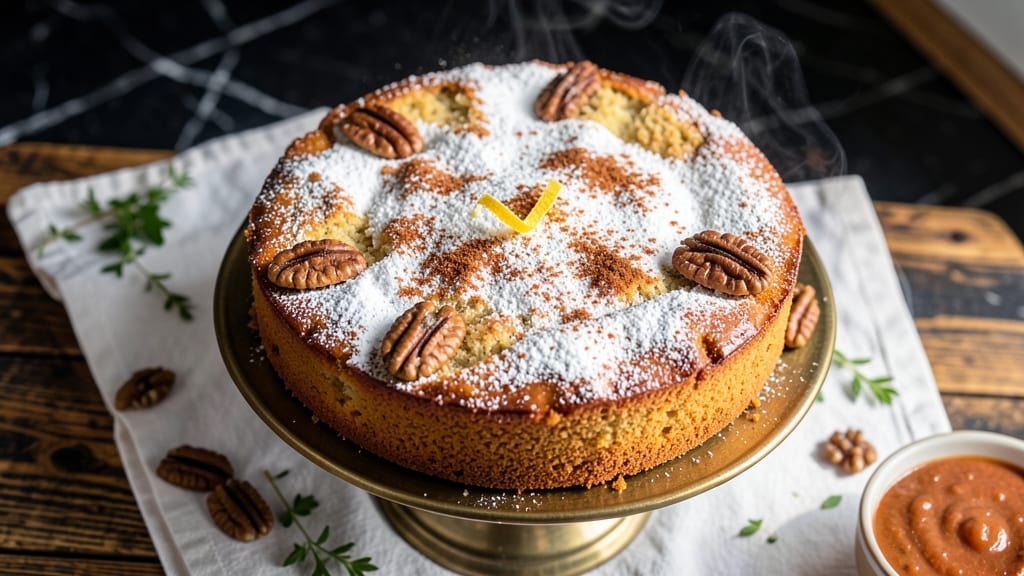
This apple cider vinegar cake recipe delivers moist, tender layers with a tangy depth that sets it apart from ordinary vanilla cakes. The secret lies in the vinegar—it tenderizes the gluten while adding subtle caramel notes that develop as it bakes.
I perfected this recipe after years of testing, and the buttery streusel crown takes it from simple dessert to showstopper.
The cake itself is incredibly easy to make with just 9 ingredients, including basic pantry staples. The vinegar reacts with baking soda to create a fine crumb that stays moist for days, while the streusel topping adds texture and a caramelized finish.
Perfect for weekend brunches or holiday gatherings, this cake tastes even better the next day when flavors fully meld.
What makes this recipe special is how the vinegar transforms ordinary cake batter into something extraordinary—rich, slightly tangy, and impossibly tender. The streusel crown adds a buttery crunch that contrasts beautifully with the soft cake beneath.
Once you try this method, you'll never bake vanilla cake the same way again.
For variations, try adding cinnamon or nutmeg to the batter for a spiced twist, or swap in carrot puree for a moist carrot cake version. The vinegar technique works in savory dishes too—perfect for adapting to your favorite recipes. Let's get baking!
Ingredients for apple cider vinegar cake
Nine simple ingredients transform into a cake with perfect tangy moisture and buttery crunch.
| Ingredient | Amount | Notes |
|---|---|---|
| All-Purpose Flour 🌾 | 2 ½ cups | Sifted for even texture |
| Granulated Sugar 🍚 | 1 ½ cups | White or light brown |
| Unsalted Butter 🧈 | 1 cup | Cold, cubed for streusel |
| Apple Cider Vinegar 🍎 | ½ cup | Raw, unfiltered preferred |
| Large Eggs 🥚 | 2 whole | Room temperature for blending |
| Baking Soda 🧂 | 1 tsp | Pure, not baking powder |
| Salt 🧂 | ½ tsp | Fine sea salt |
| Vanilla Extract 🌿 | 1 tsp | Pure alcohol-free preferred |
| Whole Milk 🥛 | ½ cup | Room temperature |
| Old-Fashioned Rolled Oats 🌾 | 1 cup | Blended into flour for streusel |
| Light Brown Sugar 🍚 | ½ cup | Packed for streusel |
| Ground Cinnamon 🌿 | 1 tsp | Freshly ground preferred |
| Chopped Walnuts 🥜 | ½ cup | Toasted for streusel |
The apple cider vinegar is the star here—Bragg or Texas Pete are my go-tos, but any raw, unfiltered brand works. Look for bottles labeled 'raw' or 'unpasteurized' at health food stores like Whole Foods or Sprouts for maximum flavor. The vinegar reacts with baking soda to create a fine crumb that stays moist for days, unlike regular cakes that dry out. For the streusel, Bob's Red Mill rolled oats are my favorite—they blend perfectly into the flour for that perfect crumbly texture. If you can't find them, any old-fashioned oats will do, just pulse them briefly in a food processor.
No apple cider vinegar? White vinegar at half the amount works in a pinch, though the flavor will be milder. Running short on walnuts? Pecans or almonds toasted will give you a similar crunch. The butter for the streusel should be cold—cut it into small cubes and let it sit at room temp for 30 minutes before mixing. For a spiced twist, add ½ tsp cinnamon plus ¼ tsp nutmeg to the batter. And if you're feeling adventurous, swap in ½ cup carrot puree for a moist carrot cake variation—just reduce the milk by ¼ cup to balance.
Store the cake in an airtight container at room temperature for up to 3 days, or refrigerate for 5 days if you're not in a rush. The streusel crown stays crisp for 2 days before softening, so make it fresh if you can. For longer storage, wrap tightly and freeze for up to 3 months. I always make a double batch—the extra slices taste even better the next day when the vinegar's caramel notes fully develop. Slice with a serrated knife for clean cuts, and serve warm with a dollop of whipped cream for that restaurant-quality finish.
Why You'll Love This Recipe
- No Mixer Needed: I swear by this recipe when I’m in a rush—just fold the dry ingredients into the wet, pour, and bake. The vinegar does all the work of tenderizing the flour, so no overmixing or tough crumbs here.
- Tangy Sweet Magic: That splash of apple cider vinegar? It’s the secret weapon—brightens the sugar, balances the richness of the butter, and gives it this just-baked warmth that’s impossible to resist. Honestly, it’s the kind of flavor that makes you want to bake again tomorrow.
- Weeknight & Holiday: Same batter works for a quick breakfast cake or a showstopper dessert—just adjust the sugar or add cinnamon for a fall twist. I’ve even used it for a last-minute potluck, and no one ever guessed it was this simple.
- Budget-Friendly Stretch: Uses pantry staples and stretches to feed a crowd—my $5 loaf feeds six with leftovers that stay moist for days. Plus, the vinegar’s tang cuts through the sweetness, so you don’t need fancy ingredients to make it taste special.
Step-by-step instructions for apple cider vinegar cake
Follow these precise steps to create a cake with perfect moisture and a buttery streusel crown.
Prepare the Streusel Topping
In a medium bowl, combine the 1 cup unsalted butter (cold and cubed), 0.5 cup light brown sugar, 1 cup old-fashioned rolled oats, 0.5 cup chopped walnuts, 1 tsp ground cinnamon, and 0.5 tsp salt. Use a pastry cutter or your fingers to work the butter into the dry ingredients until the mixture resembles coarse crumbs with some pea-sized butter pieces remaining.
The texture should be crumbly but not floury—this ensures a crispy yet tender streusel that won't turn into a paste. If the mixture seems too dry, add 1-2 teaspoons of the all-purpose flour from your cake batter. Set aside while you prepare the cake batter.
Mix the Cake Batter
Preheat your oven to 350°F and grease a 9-inch round cake pan, then line the bottom with parchment paper. In a large mixing bowl, whisk together the 2.5 cups all-purpose flour, 1.5 cups granulated sugar, 1 tsp baking soda, and 0.5 tsp salt. Sift the flour mixture directly into the bowl to avoid clumps.
In a separate bowl, beat the 2 whole large eggs (room temperature) until just combined. Add the 0.5 cup apple cider vinegar, 0.5 cup whole milk, 1 tsp vanilla extract, and mix gently. Pour the wet ingredients into the dry ingredients and stir just until combined—do not overmix. The batter should be thick and slightly lumpy, which ensures a tender crumb.
Layer and Top the Cake
Pour half of the cake batter into the prepared pan and spread it evenly. Sprinkle half of the streusel topping over the batter, pressing down lightly to ensure even distribution. Repeat with the remaining batter and streusel, creating a second layer. Use a spatula to smooth the top and create a slight dome in the center.
This layering technique guarantees that every bite includes both the moist cake and the buttery streusel. Tap the pan gently on the counter to release any air bubbles, then bake for 45-50 minutes or until a toothpick inserted into the center comes out clean. The edges should be golden brown, and the top should have a crispy streusel crown.
Cool and Serve
Remove the cake from the oven and let it cool in the pan for 10 minutes. Then transfer it to a wire rack to cool completely. The cake will sink slightly as it cools, but the streusel will remain crisp. Serve at room temperature for the best texture and flavor—this cake tastes even better the next day when the flavors have melded.
Slice into 9 equal wedges for perfect portions. The tangy apple cider vinegar balances the sweetness of the cake, while the streusel adds a satisfying crunch with every bite. Store leftovers in an airtight container at room temperature for up to 3 days or refrigerate for up to 5 days.
Pro Tips For Making Apple Cider Vinegar Cake
- MEASURE VINEGAR PRECISELY: Apple cider vinegar is the star here, but too much makes your cake tangy and dense—too little and it won’t rise properly. Use a kitchen scale or a measuring spoon (not a splash from the bottle), and let it sit at room temp for 10 minutes first. Cold vinegar throws off the reaction with baking soda, and that’s when your cake turns out flat.
- CREAM BUTTER AND SUGAR LONG: I used to rush this step, and my cakes always ended up greasy or grainy. Beat the butter and sugar together for a solid 3-4 minutes until it’s pale and fluffy—you’ll know it’s ready when the mixture leaves ribbons on the bowl. This isn’t just about sweetness; it’s about aerating the fat properly so your cake rises right.
- DON’T OVERMIX THE BATTER: The moment you add the wet ingredients to the dry, stop mixing after just 10-12 strokes. Overmixing develops gluten, and that’s how you end up with a tough, chewy cake instead of a tender one. Fold in any extra dry ingredients by hand if needed—gentle is the way.
- LET THE BATTER REST: Sounds weird, but it works: let your batter sit for 15-20 minutes after mixing. This gives the vinegar time to fully react with the baking soda, which means better leavening and a lighter texture. Skip this, and you’re gambling on whether your cake will rise or sink. (And yes, even if you’re impatient like me.)
Storing and reheating this apple cider vinegar cake
Room Temperature Storage
The cake stays moist and delicious for up to 3 days at room temperature when stored in an airtight container. I always use glass containers with tight-sealing lids—like Pyrex or Le Parfait—to prevent air exposure.
The vinegar's tanginess actually deepens over time, so flavors improve with age. Just avoid stacking plates directly on top to preserve the streusel's crispness. 💫
Refrigerator Refresh
For longer storage, refrigerate the cake for up to 5 days in the same airtight container. Before serving, let it sit at room temperature for 15-20 minutes to soften the streusel slightly.
I microwave it for 10-15 seconds if I'm in a hurry, but the texture changes slightly. The cake's moisture stays intact thanks to the vinegar's natural preservative qualities.
Freezer-Friendly Tips
Freeze the cake for up to 3 months by wrapping it tightly in plastic wrap, then placing it in a freezer bag with all air removed. Thaw overnight in the fridge before serving.
The streusel may soften slightly after freezing, but a quick 350°F oven for 5-7 minutes restores its crispness. Label your freezer bags with the date to track freshness.
Reheating Perfection
For the best texture, reheat slices in a 350°F oven for 5-7 minutes on a wire rack. This method crisps the streusel without drying out the cake. If using a microwave, cover with a damp paper towel and heat for 10 seconds on 50% power.
The vinegar's acidity helps maintain moisture even after reheating, making this cake surprisingly forgiving. 🔥
Streusel Preservation
The streusel crown stays crisp for 2 days at room temperature but softens faster than the cake. For maximum crunch, make the cake fresh and serve immediately. If you must store it, keep the cake and streusel separate in the fridge.
Reheat the streusel alone in a 350°F oven for 3-4 minutes before topping the cake for a restaurant-quality finish.
Serving Suggestions
Serve slices at room temperature with a dollop of whipped cream or vanilla ice cream to balance the cake's tang. For a breakfast twist, add a sprinkle of cinnamon or a drizzle of maple syrup.
The cake's moisture makes it perfect for sandwiches—layer with jam or Nutella for a decadent treat. The vinegar's flavor pairs surprisingly well with salted caramel or honey butter too. 🍯
Nutrition facts
Frequently asked questions
Why does this cake use apple cider vinegar instead of regular vinegar?
The raw, unfiltered apple cider vinegar adds subtle caramel notes and enhances the cake's moisture through its natural acidity. Unlike white vinegar, it contributes a pleasant tang without overpowering the sweetness. The baking soda reacts with the vinegar to create tiny air pockets, resulting in a lighter, more tender crumb that stays fresh longer.
Can I make this cake without eggs?
Yes! For a vegan version, replace the 2 eggs with 2 tablespoons ground flaxseed mixed with 6 tablespoons water (let it sit for 5 minutes to thicken). The batter will be slightly denser, but the vinegar's leavening effect still creates a moist texture. Let the cake cool completely before slicing to prevent crumbling.
What if my cake turns out dense instead of tender?
Overmixing the batter is the most common cause. Stir just until combined—lumpy batter yields a tender crumb. Also, ensure your butter is cold for the streusel and your baking soda is fresh (old baking soda loses potency). For extra moisture, brush warm slices with simple syrup (equal parts sugar and water) before serving.
How can I tell when the cake is fully baked?
The cake is done when a toothpick inserted in the center comes out clean (no wet batter clinging) and the edges pull away slightly from the pan. The streusel topping should be golden brown with crisp edges. Overbaking can dry out the cake, so remove it when it's just barely set—it will continue cooking as it cools.
Can I make this cake in a different pan size?
For a 9-inch round pan, this recipe yields perfect layers. If using an 8-inch pan, reduce baking time by 5-7 minutes (check at 38-40 minutes). For a 10-inch pan, increase baking time by 5 minutes. Adjust oven racks to the middle position for even baking, and avoid opening the oven door during the first 25 minutes to prevent sinking.