
Desserts
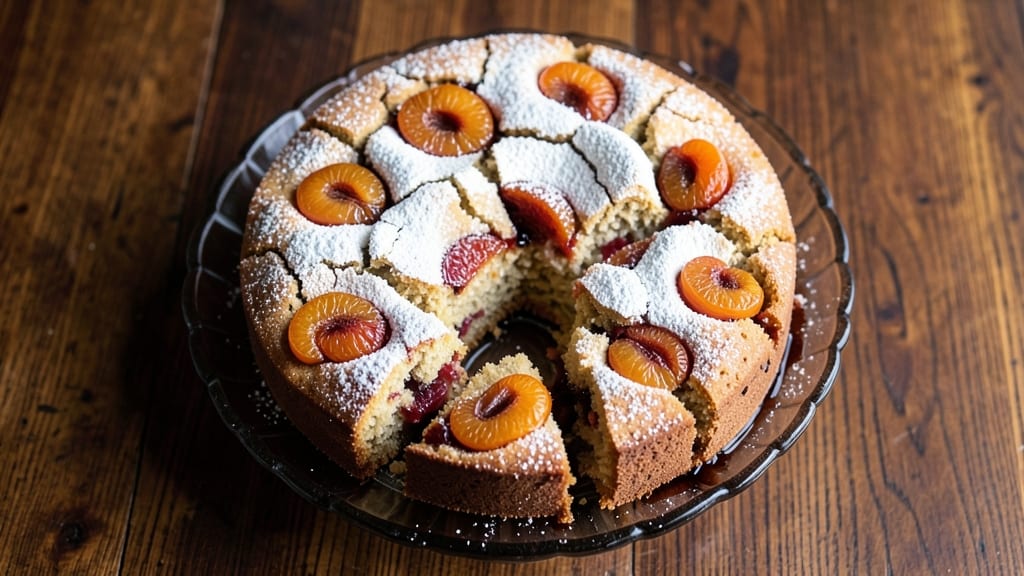
This apricot fruit cake recipe delivers layers of moist, spiced goodness where every bite reveals tender crumb and bursts of dried apricot sweetness.
The secret lies in a simple technique: blending warm spices like cinnamon and nutmeg directly into the batter while soaking the dried fruit in rum or brandy overnight. This ensures the fruit stays plump and infused with flavor, rather than dry or bland.
What makes this cake truly special is its balanced texture—moist yet not dense, thanks to a precise ratio of butter to sugar and a touch of sour cream for richness.
The spices create warmth that complements the apricots' natural sweetness without overpowering, while the cake's layers (if using) add visual appeal and an elegant touch. Baking at the right temperature ensures even cooking without a dry crust.
Once baked, the cake develops a subtle caramelized top that cracks beautifully when sliced, revealing the golden layers beneath. The dried apricots distribute evenly throughout, offering pockets of fruity surprise in every bite.
This is a cake that improves with age—resting for a few days allows the flavors to meld and the texture to soften just right.
Perfect for holidays, special occasions, or as a comforting treat any time of year, this recipe scales easily for gatherings or keeps beautifully for gifting. The combination of spices, fruit, and buttery richness makes it a crowd-pleaser that feels both nostalgic and refined.
Let’s get started on creating this timeless dessert.
Ingredients for apricot fruit cake
Eight essential ingredients transform into a moist, spiced apricot cake with layers of fruity surprise.
| Ingredient | Amount | Notes |
|---|---|---|
| Unsalted Butter 🧈 | 1 cup | Softened to room temperature |
| Granulated Sugar 🍚 | 2 cups | Light brown preferred for depth |
| Large Eggs 🥚 | 4 whole | Room temperature for even mixing |
| All-Purpose Flour 🌾 | 2 ½ cups | Sifted for light texture |
| Baking Powder 🧂 | 2 tsp | Aluminum-free preferred |
| Ground Cinnamon 🌿 | 1 ½ tsp | Freshly ground for warmth |
| Ground Nutmeg 🌿 | ½ tsp | Freshly grated preferred |
| Salt 🧂 | ½ tsp | Fine sea salt preferred |
| Sour Cream 🥛 | ½ cup | Full-fat for richness |
| Dried Apricots 🍑 | 1 ½ cups | Chopped, soaked in rum overnight |
| Dark Rum 🍹 | ½ cup | For fruit soaking |
| Vanilla Extract 🌸 | 1 tbsp | Pure Madagascar preferred |
| Almond Extract 🌿 | ½ tsp | For subtle nutty depth |
The butter and sugar set the foundation—use European-style butter for higher fat content, which ensures a tender crumb. Whole Foods or specialty bakeries carry the best brands like Plugrá or Land O'Lakes Creamery. For the dried apricots, look for organic, unsulfured varieties at Trader Joe's or bulk sections—they hold moisture better. The rum soaking is non-negotiable; it transforms the fruit from chewy to plump and flavorful. If you're avoiding alcohol, substitute with apricot juice plus a splash of vanilla extract, though the depth won't be identical.
No rum? Brandy or orange liqueur works equally well for soaking the fruit, though rum's caramel notes pair best with apricots. Running low on almond extract? Vanilla bean paste at double the amount adds a similar floral sweetness without the nutty kick. The spices—particularly the nutmeg—must be fresh; pre-ground spices lose potency in 3-6 months. For the sour cream, full-fat is essential—low-fat versions create a denser cake. If you're gluten-sensitive, swap the all-purpose flour for a 1:1 gluten-free baking blend, but expect slightly drier texture. The baking powder should be fresh; if your stash is over a year old, test it first by mixing with water—it should bubble vigorously.
This cake improves with age, so bake it 2-3 days ahead for peak flavor. Wrap tightly in plastic wrap, then foil, and store at room temperature. For longer storage, freeze the wrapped cake for up to 3 months. When ready to serve, brush the top with a simple syrup (equal parts sugar and water, heated until dissolved) to revive moisture. The caramelized top? That's a good sign—it means the cake baked just right. Slice with a serrated knife for clean layers, and serve with a dusting of powdered sugar or a dollop of whipped cream for contrast.
Why You'll Love This Recipe
- No-Fuss Mixing: This cake comes together faster than you can chop an onion. Cream butter and sugar, add eggs one at a time—no fancy techniques, just solid basics that work every time.
- Apricot Magic: That first bite of tender crumb with juicy fruit? It’s like summer in cake form. The dried apricots soak up the buttery richness, making each slice taste like a warm hug.
- Gift-Worthy Always: Slice it for birthdays, pack it for holidays, or stash it in the freezer for lazy Sundays. The cake keeps beautifully, and no one ever turns down a homemade treat wrapped in parchment.
- Budget Baking: Butter, sugar, eggs—these are pantry staples that won’t break the bank. Plus, the cake’s dense texture means fewer leftovers going to waste (though I’ve never met anyone who complains about extra).
Step-by-step instructions for apricot fruit cake
This method ensures a perfectly moist, spiced cake with rich layers of rum-soaked apricots.
Prepare the Rum-Soaked Apricots
In a small bowl, combine the 1.5 cups dried apricots and 0.5 cup dark rum. Let this mixture sit at room temperature for at least 4 hours—ideally overnight—to allow the fruit to absorb the rum's deep flavor and soften. The apricots should plump up noticeably, becoming tender and infused with a subtle boozy sweetness.
If you're short on time, you can microwave the apricots and rum together for 2 minutes to speed up the process. Just be sure to drain any excess liquid before adding them to the batter—too much moisture can make the cake dense. The rum-soaked apricots will become the cake's signature fruity pockets, so don't skip this step.
Cream Butter and Sugars Together
In a large mixing bowl, beat the 1 cup unsalted butter and 2 cups granulated sugar using an electric mixer on medium speed for 3-4 minutes. The mixture should lighten in color and become fluffy, nearly doubling in volume. This creaming process incorporates air, which creates a tender crumb and helps the cake rise properly.
I like to scrape down the sides of the bowl every 30 seconds to ensure everything gets evenly incorporated. You'll know it's ready when the butter and sugar blend looks smooth and pale. If you're using light brown sugar, you'll notice a deeper caramel color—this adds natural sweetness and depth of flavor to the cake.
Add Eggs and Extracts Gradually
Add the 4 whole large eggs, one at a time, mixing on low speed after each addition until fully incorporated. Then stir in the 1 tbsp vanilla extract and 0.5 tsp almond extract. The almond extract adds a subtle nutty warmth that pairs beautifully with the apricots and spices.
After adding the extracts, the batter will smell rich and aromatic. This is where the cake's signature flavor begins to develop. Mix just until combined—overmixing can incorporate too much air, which might cause the cake to collapse later. The batter should be smooth and slightly thick, with no visible streaks of egg white.
Combine Dry Ingredients and Fold in Apricots
In a separate bowl, whisk together the 2.5 cups all-purpose flour, 2 tsp baking powder, 1.5 tsp ground cinnamon, 0.5 tsp ground nutmeg, and 0.5 tsp salt. Sift the dry ingredients directly into the wet mixture, then gently fold in the drained apricots using a spatula. Be careful not to overmix—just combine until the flour is mostly incorporated and the apricots are evenly distributed.
The batter should be thick but pourable. If it seems too stiff, you can add the 0.5 cup sour cream to help loosen it slightly. The sour cream adds moisture and richness, ensuring the cake stays tender rather than dry. The apricots should be scattered throughout, ready to create pockets of fruity surprise in every bite.
Bake in Layers for Maximum Moisture
Preheat your oven to 350°F and grease two 8-inch round cake pans. Divide the batter evenly between the pans and bake for 30-35 minutes, or until a toothpick inserted into the center comes out clean. The cakes should be golden brown on top but still slightly springy to the touch.
For extra moisture, I like to tent the pans with foil after 20 minutes of baking. This prevents the tops from over-browning while keeping the centers tender. Once baked, let the cakes cool in the pans for 10 minutes, then transfer them to a wire rack to cool completely. The cooling process is crucial—it allows the cake to set properly and prevents it from becoming gummy.
Pro Tips For Making Apricot Fruit Cake
- CREAM BUTTER ROOM TEMP: Mix your butter and sugar until it’s pale and fluffy—about 3-5 minutes with a stand mixer. Cold butter pockets of air that won’t dissolve, and you’ll end up with a dense, greasy cake instead of a tender one. (Yes, even if you’re impatient like me, this step matters.)
- WEIGH YOUR FLOUR: Scooping flour from the bag packs it down, adding way more than the recipe calls for. Use a kitchen scale and measure by weight—1 cup of all-purpose flour is actually 120-125 grams, not the 160 grams you’d get if you just grab a cup. Your cake will rise better and stay moist longer.
- DON’T OVERMIX THE BATTER: Once you fold in the apricots (if using), stop mixing the second everything’s just combined. Overworking the batter develops the gluten, and your cake will turn out tough instead of light. A few lumps are fine—this isn’t pancake batter.
- BAKE UNTIL TESTED: The cake might look done at 325°F (160°C), but pull it out when an instant-read thermometer hits 205°F (96°C). The center will still jiggle slightly, but it’ll finish setting as it cools. Cutting it too soon = a gummy, undercooked mess. (Trust me, I’ve ruined plenty this way.)
Make-ahead tips for leftovers
Prep Ahead for Perfection
The key to this apricot fruit cake is prepping the fruit overnight—soak the 1.5 cups dried apricots in 0.5 cup dark rum (or substitute) the night before. This ensures the fruit stays plump and infused with flavor.
Store the soaked apricots in an airtight container in the fridge until ready to use. This step can be done up to 3 days ahead—just drain well before mixing. 🍑
Mix and Store Batter
After creaming the butter and sugar, and adding the eggs and extracts, you can pause the recipe here. Transfer the wet ingredients to an airtight container and refrigerate for up to 24 hours. The flavors meld beautifully overnight, and the batter will be easier to handle when cold.
When ready to bake, fold in the dried ingredients and apricots just before baking. This is especially helpful if you're baking for a holiday gathering.
Bake and Layer Strategically
For a make-ahead cake, bake the layers as directed, then let them cool completely. Wrap each layer tightly in plastic wrap, then place them in an airtight container with parchment paper between layers.
Store at room temperature for up to 3 days, or freeze for up to 3 months. To assemble later, simply unwrap, add filling (if using), and layer with frosting or glaze. The cake’s texture improves with time, so this is a great option for stress-free baking. ✨
Frosting and Assembly
If you're using a frosting or glaze, prepare it 1 day ahead and store it in the fridge. This allows the flavors to meld and makes assembly easier. When ready to serve, let the frosting sit at room temperature for 10-15 minutes before spreading to ensure smooth application.
Assemble the cake layers with a thin layer of frosting between them, then decorate the top. This step is best done a few hours before serving to let the frosting set properly. 💛
Gifting and Storage
This cake is gift-ready! Wrap the fully assembled cake in cellophane wrap, secure it with a ribbon, and store it at room temperature for up to 5 days. For longer storage, freeze the wrapped cake for up to 3 months**.
To serve, let it sit at room temperature for 1-2 hours before slicing. The cake’s moist texture and rich flavors make it a perfect homemade gift for any occasion. 🎁
Nutrition facts
Frequently asked questions
Can I substitute fresh apricots for dried in this recipe?
Fresh apricots won't work the same way—this recipe relies on the concentrated sweetness and texture of dried fruit. If you must use fresh, chop 2 cups and simmer with 1/4 cup sugar and 1 tbsp lemon juice for 10 minutes to reduce moisture, then drain well before folding into batter. The flavor will be milder but still delicious!
Why does the recipe call for soaking apricots in rum?
The rum soak prevents dried apricots from absorbing too much moisture from the batter, keeping them plump and flavorful. It also adds depth—rum's caramel notes enhance the apricots' natural sweetness while tenderizing them. For a non-alcoholic version, use apricot juice + vanilla extract, though the flavor won't be identical.
How do I prevent the cake from drying out?
Moisture is key! Use full-fat sour cream and don't overbake—check doneness at 30 minutes (a toothpick should come out clean). For extra tenderness, brush warm layers with simple syrup (1/4 cup sugar + 1/4 cup water, heated until dissolved) after cooling. Store in an airtight container with a slice of bread to maintain freshness.
Can I make this cake in a single layer instead of two?
Yes! Use one 9-inch round pan or 8x8-inch square pan and reduce baking time by 5-10 minutes. For even cooking, place the pan on the middle rack. The texture will be slightly denser but still moist—great for smaller gatherings or when you prefer a taller cake. Adjust serving size accordingly (this recipe yields 12 servings in one layer).
What's the best way to reheat sliced cake?
Warm slices gently in the oven: place on a baking sheet at 300°F for 5-7 minutes until heated through. For microwave reheating, wrap slices in a damp paper towel and heat for 10-15 seconds—this prevents drying. Avoid the microwave for longer periods, as it can make the cake rubbery.