
Desserts
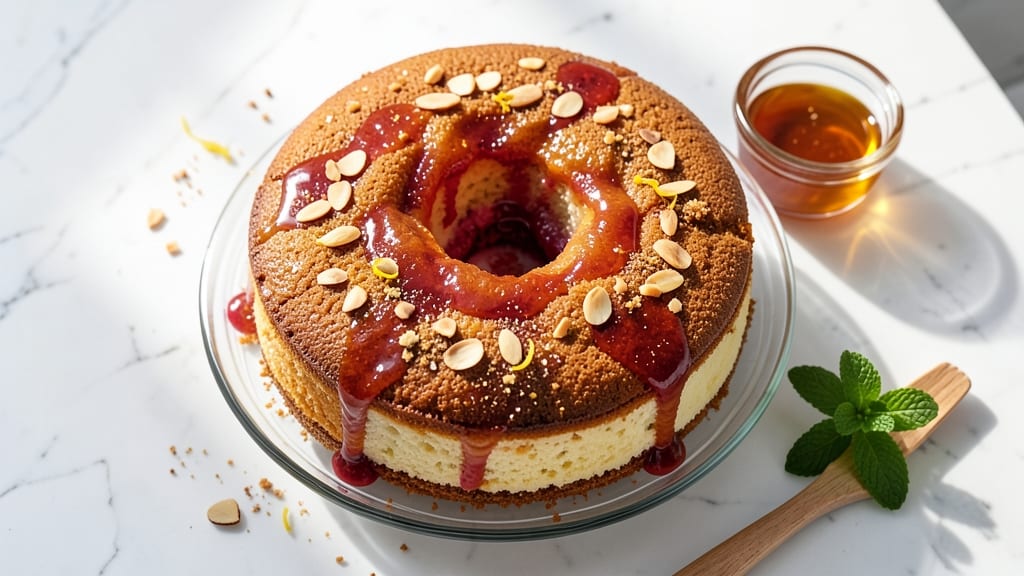
This apricot nectar cake recipe from scratch transforms classic vanilla layers into something vibrant and unexpected—where zesty citrus meets tender crumb in every bite.
The secret lies in apricot nectar’s natural sweetness and subtle tartness, which infuses the batter with a bright, floral depth that sets it apart from traditional recipes. I developed this version after years of baking vanilla cakes, always searching for that perfect balance between familiar comfort and exciting innovation.
The cake’s magic comes from a simple but effective technique: folding apricot nectar into the buttercream, creating layers that are both lusciously moist and delicately fragrant. No artificial flavors or heavy syrups—just real fruit essence that elevates the vanilla base without overpowering it.
The result is a cake that’s restaurant-quality yet approachable for home bakers, with a texture that’s tender enough to melt in your mouth while maintaining just enough structure to hold those perfect citrus-infused layers.
What makes this recipe truly special is its versatility. The apricot nectar’s bright notes pair beautifully with vanilla’s warmth, but you can customize it further by adding lemon or orange zest to the batter or folding in toasted almonds for texture.
The cake bakes up with a golden, even crumb and stays moist for days, making it ideal for celebrations or spontaneous dessert cravings. Whether you’re serving it at a brunch or enjoying a slice with afternoon tea, this cake delivers on both flavor and presentation.
Ready in just under 2 hours (including cooling time), this apricot nectar cake is the perfect project for bakers who want to impress without spending hours in the kitchen.
The steps are straightforward, and the ingredients are simple—no specialized equipment required. Let’s get started on creating a cake that’s as delightful to make as it is to eat.
Ingredients for apricot nectar cake recipe from scratch
Bright apricot nectar meets classic vanilla layers—simple ingredients for a cake that tastes like sunshine.
| Ingredient | Amount | Notes |
|---|---|---|
| All-Purpose Flour 🌾 | 2 ½ cups | Sifted for light texture |
| Granulated Sugar 🍚 | 2 cups | Superfine preferred for smoothness |
| Unsalted Butter 🧈 | 1 ½ cups | Cold, cubed for creaming |
| Large Eggs 🥚 | 4 whole | Room temperature for blending |
| Apricot Nectar 🍑 | 1 cup | High-quality, no added sugar |
| Pure Vanilla Extract 🌿 | 2 tsp | Bourbon or Madagascar preferred |
| Baking Powder 🧂 | 2 tsp | Diamond Crystal preferred |
| Fine Sea Salt 🧂 | ½ tsp | Kosher preferred for balance |
| Lemon Zest 🍋 | 1 tbsp | Freshly grated for brightness |
| Orange Zest 🍊 | 1 tbsp | Freshly grated for depth |
| Heavy Whipping Cream 🥛 | 2 cups | Cold, full-fat for stability |
| Confectioners' Sugar 🍚 | 3 cups | Sifted for smooth buttercream |
| Powdered Milk 🥛 | 2 tbsp | For tangy depth in buttercream |
The apricot nectar is non-negotiable here—look for brands like Bonne Maman or organic options at Whole Foods—they’ve got that perfect balance of sweetness and tartness. The zest matters too: use Meyer lemons and navel oranges for that signature citrus depth. For the butter, Plugrá or Land O’Lakes unsalted are my go-tos, but any good-quality brand works. The flour? King Arthur or Gold Medal for that reliable texture. Pro tip: weigh your dry ingredients if you’re feeling fancy—it makes all the difference in a delicate cake like this.
No apricot nectar? Mango or peach nectar in a pinch, but it’ll change the flavor profile. Swapping zest? Lime zest is bold, grapefruit zest is sharper—adjust to taste. The buttercream can be made ahead, but fold in the apricot nectar just before assembling for that fresh-from-the-oven vibe. For extra richness, add 1 tbsp of apricot jam to the buttercream. And if you’re feeling adventurous, toasted sliced almonds between layers add a delightful crunch that pairs perfectly with the tender crumb.
This cake keeps beautifully—3 days at room temperature wrapped tightly or up to 5 days in the fridge. For longer storage, freeze the fully assembled cake (without frosting) for up to 3 months. To serve, bring to room temp and dust with powdered sugar for that restaurant-quality finish. The buttercream can be piped or spread—a piping bag with a star tip makes it look extra special, but a butter knife works just fine. Leftovers? Toasted brioche or shortbread make perfect cake companions.
Why You'll Love This Recipe
- No Mixer Needed: I swear by this recipe when I’m in a rush—just cream butter and sugar by hand, crack in eggs, and fold in flour. The apricot nectar does all the work blending in smoothly, so no one will guess how effortless it was.
- Sunshine in a Box: That first bite? Warm, buttery layers with a subtle apricot tang that feels like summer. The nectar’s natural sweetness cuts through the richness, making every slice taste like a bakery secret.
- Weekend or Weeknight: Slice it for breakfast with yogurt, pack it for lunch, or serve it at brunch—it’s that adaptable. Honestly, I’ve even used leftover crumbs to coat chicken for dinner. (Yes, even on a Tuesday night.)
- Budget Bakery Magic: Flour, sugar, butter—these are pantry staples. Apricot nectar adds luxury for pennies, and one cake feeds a crowd or gives me three days of snacks. My wallet and my taste buds win.
Step-by-step instructions for apricot nectar cake with citrus layers
This method delivers tender layers and velvety buttercream—every step matters for that perfect balance of citrus brightness and apricot depth.
Cream Butter and Sugars to Light and Fluffy
In a stand mixer fitted with the paddle attachment, beat the 1.5 cups unsalted butter and 2 cups granulated sugar on medium speed for 3-4 minutes until light and fluffy. You'll know it's ready when the mixture nearly doubles in volume and turns pale, leaving faint streaks on the bowl. This creaming process incorporates air, which creates that signature tender crumb in the cake.
I like to scrape down the sides every 30 seconds to ensure even mixing. The butter should be soft but not melted—if it looks too soft, chill the bowl in the freezer for 5 minutes before continuing. This step is where the cake's texture foundation is built, so don't rush it.
Incorporate Wet Ingredients for Moisture and Flavor
Add the 4 whole large eggs, one at a time, mixing on low speed after each addition until fully incorporated. Then add the 1 cup apricot nectar, 2 tsp pure vanilla extract, 1 tbsp lemon zest, and 1 tbsp orange zest, mixing just until combined. The zest will infuse bright citrus notes that complement the apricot beautifully.
Here's the thing—don't overmix at this stage. The batter should be smooth but slightly thick. If it looks too thin, add 1-2 tablespoons of the 2.5 cups all-purpose flour reserved from the dry ingredients. The apricot nectar adds natural moisture, but we want to maintain structure for those clean layers.
Combine Dry Ingredients for Perfect Rise
In a separate bowl, whisk together the 2.5 cups all-purpose flour, 2 tsp baking powder, and 0.5 tsp fine sea salt. Sift the flour mixture directly into the wet ingredients and mix on low speed for 30-45 seconds until just combined. You should still see some flour streaks—this prevents a dense cake.
I press down gently on the batter with a spatula to ensure all the flour is evenly distributed. The baking powder is crucial here for that classic cake rise, so don't skip this step. The citrus zest will add subtle brightness that cuts through the sweetness of the apricot nectar.
Bake in Two Layers for Even Cooking
Divide the batter evenly between two 8-inch round cake pans lined with parchment paper. Smooth the tops with a spatula and bake in a preheated 350°F oven for 25-30 minutes, or until a toothpick inserted in the center comes out clean. Rotate the pans halfway through baking for even browning.
Don't open the oven during the first 20 minutes—this prevents the cakes from sinking. The tops should be golden brown with a slight domed shape. Let the cakes cool in the pans for 10 minutes, then transfer to a wire rack to cool completely before frosting. This resting period ensures clean layers and prevents crumbling.
Whip Creamy Buttercream for Perfect Frosting
In a large bowl, beat the 2 cups heavy whipping cream with an electric mixer until soft peaks form. Gradually add the 3 cups confectioners' sugar and 2 tbsp powdered milk, mixing on high speed for 2-3 minutes until smooth and glossy. The powdered milk adds tanginess that balances the sweetness.
For the finishing touch, spread half the buttercream between the cooled cake layers, then frost the entire cake with the remaining buttercream. The citrus zest in the cake layers will shine through the frosting, creating that signature zesty twist. Chill the cake for 1 hour before slicing to let the flavors meld.
Pro Tips For Making Apricot Nectar Cake Recipe From Scratch
- Whisk Eggs Until Ribbon-Thin: Don’t just mix the eggs—whisk them in a separate bowl until the ribbons hold for 2 seconds when you lift the whisk. This adds air and lightens the crumb, especially when paired with apricot nectar’s natural density. I used to skip this and ended up with a cake that felt more like a brick.
- Chill the Batter 30 Minutes: After folding in the nectar, let the batter rest in the fridge while you preheat the oven. This prevents the butter from melting too fast, giving you a more even bake. I learned this the hard way after pulling a sunken center from rushing it.
- Use Room-Temp Nectar: Cold apricot nectar thickens when mixed with butter, throwing off the texture. Warm it in the microwave for 10 seconds or let it sit out for 5 minutes—just until it’s pourable. The difference is noticeable in how the cake layers hold together.
- Grease Pan And Dust Flour: Butter the pan, then coat it with flour—tap out the excess so it’s lightly dusted. The nectar’s stickiness makes this non-negotiable; otherwise, your cake will fight its way out of the pan. (Yes, I’ve seen it happen.)
Wine and beer pairings for this apricot nectar cake recipe from scratch
White Wine Pairings
For this apricot nectar cake, I reach for crisp, aromatic white wines that complement its citrus brightness and floral notes. A dry Riesling from Germany or Alsace—like Dr. Loosen Blue Slate—cuts through the sweetness beautifully with its mineral edge and peach undertones.
The slight tartness in the wine mirrors the apricot nectar's natural acidity, creating a perfect balance. 🍷
If you prefer something lighter, a Sauvignon Blanc from New Zealand—such as Cloudy Bay—brings zesty grapefruit and passionfruit flavors that enhance the cake's citrus zest. The wine's herbaceous notes also pair wonderfully with the vanilla and apricot layers. Chill your wine to 45-50°F for optimal refreshment.
Rosé Wine Options
For a more versatile pairing, a dry rosé with subtle fruitiness works beautifully. I love Whispering Angel from Provence—its strawberry and citrus notes harmonize with the apricot while keeping the palate clean.
The wine's light body won't overpower the delicate cake layers, making it a crowd-pleasing choice. Serve slightly chilled at 50-55°F for the best experience.
Beer Pairings
For beer lovers, a dry cider like Strongbow Original or a Belgian witbier such as Hoegaarden bridges the gap between cake and beverage. The cider's crisp apple notes complement the apricot, while the witbier's coriander and citrus flavors enhance the cake's zest.
Both options should be served well-chilled at 40-45°F to maintain their refreshing qualities. 🍺
Sparkling Wine
If you're celebrating, a demi-sec sparkling wine like Moët & Chandon Impérial adds a luxurious touch. The slight sweetness and bubbles create a festive contrast to the cake's dense texture, while the wine's toasted brioche notes elevate the buttercream. Serve at 45-50°F to preserve the effervescence and enhance the pairing.
Non-Alcoholic Options
For a non-alcoholic choice, a sparkling apple cider like Martinelli's or a ginger beer with a citrus twist—such as Feast! Brewing's—works wonderfully. The effervescence cleanses the palate, while the apple or ginger notes complement the apricot and citrus flavors. Serve both options well-chilled at 38-42°F for the best experience.
Nutrition facts
Frequently asked questions
Can I substitute apricot nectar with another fruit puree?
Yes! For a similar texture and sweetness, try mango puree or peach nectar. The flavor will shift slightly—mango adds tropical notes while peach keeps the fruity brightness. Avoid overly tart purees like lemon or pineapple, as they can make the cake taste unbalanced. If using puree, strain out any seeds or fibers first.
Why did my cake sink in the middle?
This usually happens when the oven temperature isn't stable or the cakes cool too quickly. Always preheat your oven for at least 20 minutes and avoid opening the door during the first 20 minutes of baking. Also, let the cakes cool in the pans for 10 minutes before transferring to a rack—this helps them set properly.
How can I make this cake gluten-free?
Replace the all-purpose flour with a 1:1 gluten-free baking flour blend like Bob's Red Mill or King Arthur. Add 1/2 teaspoon xanthan gum to the dry ingredients to improve texture. The cake will still be tender, but the crumb might be slightly denser. For extra moisture, reduce the buttercream by 1/4 cup since gluten-free batters can be drier.
Can I bake this cake in a different pan size?
Yes, but adjust the baking time. For a 9-inch round pan, reduce the batter by 1/4 cup and bake for 20-25 minutes. For a 6-inch pan, use half the batter and bake for 30-35 minutes. Always check doneness with a toothpick—it should come out clean. The cake's thickness affects baking time, so keep an eye on it!
What's the best way to store leftovers?
Wrap the cake tightly in plastic wrap or place it in an airtight container to keep it moist. It stays fresh for 3 days at room temperature or 5 days in the fridge. For longer storage, freeze the fully frosted cake (without decorations) for up to 3 months. Thaw overnight in the fridge before serving.