
Desserts
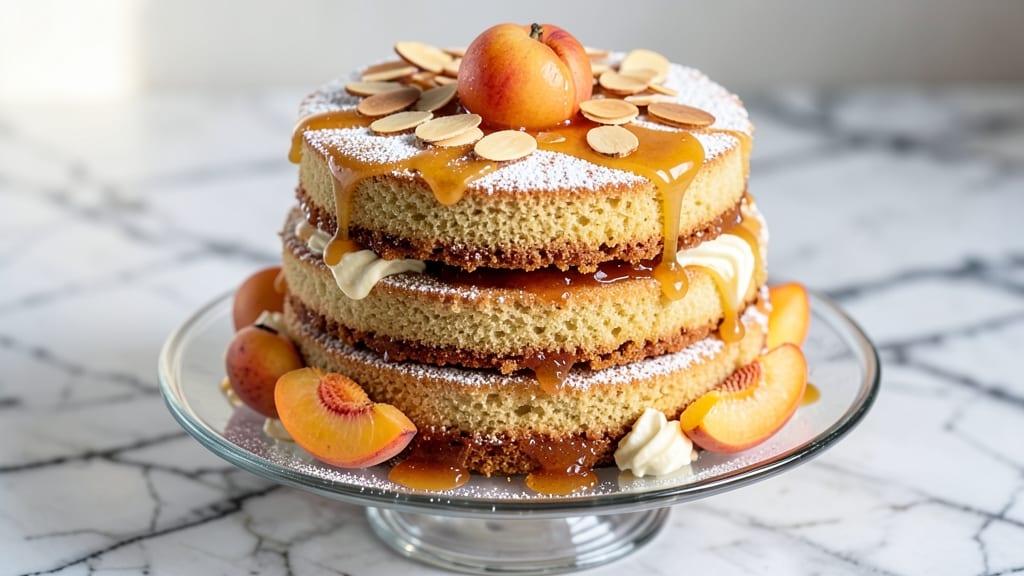
This apricot sponge cake delivers delicate layers of tender cake and jammy apricot filling, crowned with a bright citrus glaze that cuts through the sweetness.
The secret lies in a perfectly balanced batter that bakes up light as a cloud, while the apricot compote adds natural moisture and depth without making the cake dense.
I've perfected this recipe over years of baking, ensuring each slice offers the right contrast of textures—fluffy cake, jammy fruit, and that zesty glaze finish.
The cake itself is made with a simple yet foolproof sponge batter that relies on proper folding technique to create airy layers. We'll incorporate fresh apricot purée into the filling, which infuses the cake with natural fruit flavor while keeping it moist for days.
Baking at 350°F for exactly 25-30 minutes ensures a golden top without drying out the delicate layers below. The citrus glaze, made with just lemon juice and powdered sugar, adds a refreshing tang that makes every bite feel special.
What makes this recipe stand out is how the components work together—each layer plays its part. The cake provides structure, the apricot filling adds moisture and fruitiness, and the glaze ties everything together with a burst of brightness.
The result is a dessert that's elegant enough for gatherings but simple enough for weeknight treats. Once you try this version, you'll never go back to store-bought apricot cakes again.
This cake keeps beautifully for up to three days when stored properly, making it perfect for meal prep or special occasions. The assembly process is straightforward, with clear steps for layering and glazing that ensure professional results every time.
Whether you're serving it at a brunch or enjoying a slice with afternoon tea, this apricot sponge cake delivers that perfect balance of sweet, tangy, and tender.
Ingredients for apricot sponge cake
Light sponge layers, jammy apricot filling, and zesty citrus glaze—this cake balances textures perfectly.
| Ingredient | Amount | Notes |
|---|---|---|
| All-Purpose Flour 🌾 | 2 ½ cups | Sifted for light texture |
| Granulated Sugar 🍚 | 2 cups | Divided for batter and glaze |
| Unsalted Butter 🧈 | 1 cup | Room temperature, cubed |
| Large Eggs 🥚 | 6 whole | Room temperature, separated |
| Fresh Apricots 🍑 | 1 ½ cups | Peeled, pitted, chopped |
| Apricot Jam 🍯 | ½ cup | High-quality, seedless |
| Lemon Juice 🍋 | 2 tbsp | Freshly squeezed |
| Vanilla Extract 🌿 | 1 tsp | Pure vanilla preferred |
| Baking Powder 🧂 | 1 ½ tsp | Aluminum-free preferred |
| Salt 🧂 | ½ tsp | Fine sea salt |
| Powdered Sugar 🍚 | 1 ½ cups | For glaze, sifted |
| Cornstarch 🌾 | 1 tbsp | For apricot compote |
The flour and butter form the cake's backbone. King Arthur flour or Gold Medal yields the best texture, but any all-purpose works. Room-temperature butter is non-negotiable—cold lumps won't cream properly. For the apricots, fresh is ideal but frozen works in a pinch (thaw and drain well). The jam should be high-quality—Bon Appétit or Bonne Maman brands deliver consistent results. Store-bought apricot jam often contains fillers, so check the ingredients list for minimal additives.
No fresh apricots? Substitute 1 cup apricot purée (unsweetened) for the chopped fruit, but reduce the jam to 0.25 cup. For the glaze, powdered sugar and lemon juice are essential—the tang cuts through the sweetness. If you prefer a glossier finish, add 1 tsp lemon zest. The baking powder must be fresh—if it's older than 6 months, test it by mixing with water (should bubble). For a lighter cake, fold the egg whites separately and incorporate at the end. The vanilla extract should be pure—imitation extracts add artificial flavors that overpower the delicate cake.
Assemble the cake within 2 hours of baking to prevent drying. Store layers separated in airtight containers with parchment between them for up to 2 days. The glaze keeps for 1 week at room temperature but hardens—reheat with a damp paper towel for 10 seconds to soften. For make-ahead convenience, bake the cake layers and freeze them between parchment. Assemble when ready to serve—this cake tastes even better the next day as flavors meld.
Why You'll Love This Recipe
- No-Fuss Mixing: I swear by the creamy butter-egg combo—just whip it all together in one bowl. No sifting, no extra steps, and that sponge turns out light as a dream every time.
- Sunshine in Every Bite: Fresh apricots add that sweet-tart punch that cuts through the buttery richness. Honestly, the moment those warm fruit slices hit your plate, you’ll forget it’s cake.
- Weekend or Weeknight: Slice it for breakfast with yogurt, pack it for lunch, or serve it at brunch—no one will question why you’re bringing dessert to dinner. (Yes, even on a Tuesday night.)
- Leftovers That Beg for More: This cake keeps beautifully for days, and the flavor only gets better as the apricots soften. My kids ask for seconds before I even finish my first slice.
Step-by-step instructions for apricot sponge cake
Creating a light, tender sponge cake with vibrant apricot layers requires precision and patience.
Prepare the Apricot Compote
In a small saucepan, combine the 1.5 cups fresh apricots (peeled, pitted, and chopped) with the 0.5 cup apricot jam and 2 tablespoons lemon juice. Bring to a gentle simmer over medium heat and cook for 8-10 minutes until the apricots soften and the mixture thickens slightly. Stir occasionally to prevent sticking.
Remove from heat and let cool completely. Once cooled, transfer the mixture to a blender or food processor and blend until smooth. Return it to the saucepan and stir in the 1 tablespoon cornstarch. Cook over low heat for another 2-3 minutes until the compote thickens to a spreadable consistency. This step ensures the apricot filling is silky and perfectly balanced—not too runny, not too thick.
Whip the Egg Whites and Yolk Mixtures
Divide the 6 whole large eggs into yolks and whites. In a large mixing bowl, beat the 6 egg yolks with 1 cup granulated sugar (reserved from the total 2 cups) on medium speed until the mixture is pale, thick, and ribbony, about 3-4 minutes. This step is critical for creating a light, airy texture.
In a separate, grease-free bowl, beat the egg whites with a pinch of salt to stiff peaks using an electric mixer. The peaks should hold their shape when the beaters are lifted. Fold the egg whites into the yolk mixture in three additions, using a spatula to gently combine. Avoid overmixing—this ensures the cake remains tender and doesn’t become dense.
Combine Dry Ingredients and Fold in Butter
In a medium bowl, whisk together the 2.5 cups all-purpose flour, 1.5 teaspoons baking powder, the remaining 1 cup granulated sugar, 1 teaspoon vanilla extract, and the 0.5 teaspoon salt. Sift the flour mixture over the egg mixture and gently fold together until just combined. Avoid overmixing—this step is about combining, not developing gluten.
Cut the 1 cup unsalted butter (cubed and at room temperature) into small pieces and fold them into the batter using a spatula. The butter should be fully incorporated, leaving a smooth, slightly shiny batter. If the batter looks too thick, let it rest at room temperature for 10 minutes before proceeding. This resting period allows the butter to soften further, ensuring a tender crumb.
Bake the Sponge Layers
Preheat your oven to 350°F. Grease and line three 8-inch round cake pans with parchment paper. Divide the batter evenly among the pans, spreading it into an even layer. Bake for 18-22 minutes, or until the tops spring back when gently pressed and a toothpick inserted into the center comes out clean. Rotate the pans halfway through baking for even browning.
Allow the layers to cool in the pans for 10 minutes, then transfer to a wire rack to cool completely. The layers should be light golden brown and tender to the touch. If the tops look slightly domed, use a serrated knife to level them before assembling. Cooling completely prevents the cake from becoming soggy when adding the filling.
Assemble and Glaze the Cake
Place one sponge layer on a serving plate. Spread an even layer of the cooled apricot compote over the top, leaving a ½-inch border. Repeat with the remaining two layers, brushing the top of each layer with a thin layer of apricot compote before adding the next. This ensures the filling is evenly distributed and the cake stays moist.
In a small bowl, whisk together the 1.5 cups powdered sugar with 1-2 tablespoons lemon juice (from the remaining juice) to create a smooth, glossy glaze. Drizzle the glaze evenly over the top and sides of the cake. Chill the cake in the refrigerator for at least 1 hour before serving. This step allows the glaze to set and the flavors to meld, resulting in a perfectly balanced apricot sponge cake.
Pro Tips For Making Apricot Sponge Cake
- Whip Eggs to Ribbon Stage: Stop when the mixture holds a stiff peak that trails like ribbon—no more, no less. Overbeating adds air but collapses the cake; underbeaten eggs won’t rise enough. I learned this after a batch that looked like pancake batter.
- Halve Apricots for Even Baking: Slice apricots thinly—about ¼-inch thick—and pit them before arranging them on the cake. Thick slices burn faster and make the cake dense. Use a small paring knife; speed matters, but precision keeps the texture light.
- Don’t Overmix the Batter: Fold in flour just until combined—lumps are fine, but don’t turn it into a paste. Overworking it activates gluten, and your sponge will turn tough instead of tender. I used to panic and mix too much; now I count 10 gentle folds max.
- Chill the Cake Before Slicing: Let the cake cool completely in the pan for 10 minutes, then transfer to a wire rack for 30 minutes. Cutting too soon makes the layers slide apart—especially with juicy apricots. Patience here keeps the structure intact.
Creative variations of this dish
Citrus Twist Variations
Swap the lemon glaze for a orange or grapefruit glaze using 2 tbsp fresh orange juice or grapefruit juice instead. The citrus oils add depth, and the slightly bitter notes from grapefruit create a sophisticated contrast with the apricot.
For extra brightness, add 1 tsp orange zest to the glaze—it infuses a fragrant aroma that elevates the cake. 🍊
Nutty Crunch Layer
Add texture by folding ½ cup toasted almonds or hazelnuts into the apricot compote before assembling. Toast the nuts in a dry pan over medium heat for 3-4 minutes until golden, then chop coarsely.
Spread them between layers for a delightful crunch that complements the soft sponge. For a richer option, use pecans—their buttery flavor pairs beautifully with apricot.
Spiced Apricot Filling
Infuse warmth into the filling by adding ½ tsp ground cinnamon and a pinch of cardamom to the apricot compote while simmering. These spices enhance the natural sweetness of the apricots and create a cozy, aromatic profile.
For depth, a ¼ tsp vanilla bean paste (not extract) adds floral notes that harmonize with the spices. This variation works especially well for autumn gatherings.
White Chocolate Swirl
Create a marbled effect by melting ½ cup white chocolate chips with 1 tbsp heavy cream over a double boiler. Once smooth, swirl the melted chocolate into the apricot compote before spreading it between layers.
The contrast of creamy white chocolate against the vibrant apricot creates a stunning visual and flavor experience. For a richer twist, add ¼ cup chopped dried apricots to the melted chocolate before swirling.
Coconut-Almond Adaptation
For a tropical twist, fold ½ cup shredded coconut (toasted or untoasted) into the apricot compote. Top the assembled cake with a coconut-cream glaze made by whisking 1 cup powdered sugar with 2 tbsp coconut milk and 1 tsp lime zest.
This variation adds a delicate coconut aroma that pairs wonderfully with the apricot’s natural sweetness. Garnish with toasted almond slices for extra elegance.
Seasonal Berry Fusion
In summer, blend ½ cup fresh raspberries or strawberries into the apricot compote for a fruity fusion. The tartness of the berries balances the apricot’s sweetness, creating a vibrant, seasonal dessert. For a layered effect, alternate thin slices of fresh berries between the apricot filling.
Top with a berry-infused glaze by blending ½ cup mixed berries with 1 cup powdered sugar and 1 tbsp lemon juice**.
Nutrition facts
Frequently asked questions
Can I substitute dried apricots for fresh in the filling?
Yes, but adjust the liquid balance carefully. Use ½ cup dried apricots (chopped) plus ¼ cup water to replace 1.5 cups fresh apricots. Soak the dried fruit for 15 minutes first, then blend with the jam and lemon juice. The texture will be slightly thicker, so add 1 extra tablespoon cornstarch to the compote. For best results, combine with 2 tablespoons apricot nectar to maintain moisture.
Why did my cake turn out dense instead of light?
Overmixing the batter or underwhipped egg whites are the most common culprits. The egg whites should hold stiff peaks when folded in, and the dry ingredients should be combined just until no flour streaks remain. Also ensure your butter is truly room temperature—it should dent when pressed but not be greasy. If your oven runs hot, reduce the temperature to 340°F and check for doneness at 20 minutes.
How do I store leftover apricot sponge cake?
For maximum freshness, wrap the entire cake in plastic wrap and store at room temperature for up to 2 days. For longer storage, refrigerate (up to 5 days) or freeze (up to 3 months). To reheat frozen layers, thaw overnight in the fridge, then brush with a little apricot compote to revive moisture. The glaze may harden—soften with a damp paper towel warmed for 10 seconds in the microwave.
Can I make this cake without eggs?
Yes, but the texture will differ. Replace the 6 eggs with 1 cup aquafaba (chickpea brine) whipped to stiff peaks plus 1 teaspoon cream of tartar, folded into the batter. For the yolks, use ½ cup unsweetened applesauce mixed with 1 teaspoon baking powder and 1 teaspoon vanilla. The cake will be slightly denser but still delicious. For best results, reduce the sugar by ¼ cup to compensate for the natural sweetness of the substitutes.
What's the best way to serve this cake?
This cake shines at room temperature for everyday enjoyment, but chilling for 1 hour before serving enhances the glaze's shine. For special occasions, dust with powdered sugar or garnish with toasted almond slices and fresh apricot slices. Pair with vanilla bean ice cream or a cup of Earl Grey tea to complement the citrus notes. The cake also makes beautiful individual portions—cut into 12 wedges for elegant finger sandwiches.