
Desserts
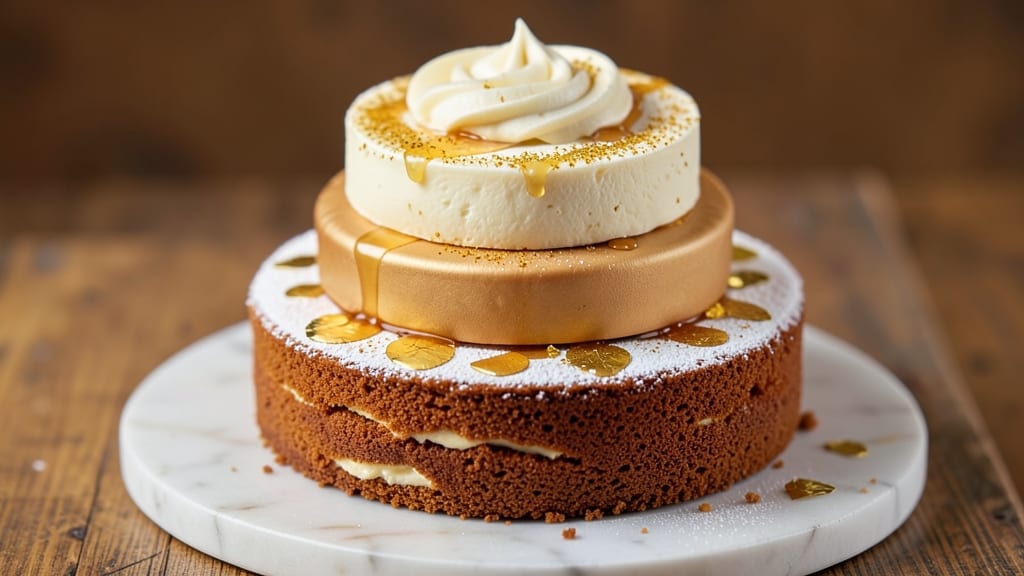
Aqua Pazzo butter cake transforms a classic dessert into a sophisticated, citrus-kissed masterpiece that balances rich butter layers with anise-infused frosting. The secret lies in the liqueur's subtle licorice notes, which elevate vanilla and butter into something extraordinary—without overpowering the delicate citrus zest in the frosting. This recipe delivers a moist, tender crumb that stays fresh for days, perfect for special occasions or when you want to impress.
The cake's magic comes from precise techniques: creaming butter and sugar until light and fluffy, then folding in Aqua Pazzo-infused flour for even distribution. Baking at a steady 325°F ensures golden layers without drying out, while the citrus frosting adds a bright, tangy contrast that cuts through the richness.
Every bite reveals a harmonious blend of buttery indulgence and aromatic depth—exactly what makes this cake stand out.
What sets this apart is the frosting's dual role: it's both a finishing touch and a flavor bridge, tying together the cake's buttery warmth with the liqueur's herbal complexity. The result is a dessert that's elegant enough for holidays but simple enough for weeknight treats.
Whether you're serving it at a dinner party or enjoying a slice with coffee, the combination of textures and flavors will leave everyone asking for the recipe.
For those without Aqua Pazzo, a mix of anise extract and a splash of orange liqueur works beautifully—just adjust the sweetness to taste. The key is balance, and this recipe ensures you achieve it effortlessly. Let's get baking!
Ingredients for aqua pazzo butter cake
Rich butter layers meet citrus zest and anise-infused flour for a cake that balances decadence with bright, sophisticated flavors.
| Ingredient | Amount | Notes |
|---|---|---|
| Unsalted Butter 🧈 | 1 ½ cups | Softened to room temperature |
| Granulated Sugar 🍚 | 2 ¼ cups | Divided for cake and frosting |
| Large Eggs 🥚 | 4 whole | Room temperature preferred |
| All-Purpose Flour 🌾 | 2 ½ cups | Sifted, spooned lightly |
| Aqua Pazzo Liqueur 🍋 | ½ cup | Or substitute anise extract |
| Baking Powder 🧂 | 2 tsp | Diamond Crystal preferred |
| Salt 🧂 | ½ tsp | Fine sea salt |
| Vanilla Extract 🌿 | 2 tsp | Pure vanilla preferred |
| Lemon Zest 🍋 | 1 tbsp | Fresh, finely grated |
| Orange Zest 🍊 | 1 tbsp | Fresh, finely grated |
| Heavy Whipping Cream 🥛 | 1 ½ cups | Cold for frosting |
| Powdered Sugar 🍚 | 3 cups | Sifted for smooth frosting |
| Orange Juice 🍊 | ¼ cup | Freshly squeezed |
| Anise Extract 🌿 | ½ tsp | For liqueur substitute |
The butter quality makes all the difference here—Plugrá or Land O'Lakes unsalted is ideal, but any good brand works as long as it's softened properly. Aqua Pazzo can be found at specialty liquor stores or online, but Whole Foods or BevMo often carry it. For the citrus zest, use organic lemons and oranges if possible—their skins are thicker and more flavorful. The flour should be sifted to avoid dense layers, and King Arthur or Gold Medal brands work best for a tender crumb. If you can't find Aqua Pazzo, anise extract plus orange liqueur is a solid substitute, though the flavor profile will be slightly different.
No Aqua Pazzo? Mix 0.5 tsp anise extract with 0.25 cup orange liqueur for a close approximation. For the citrus zest, if your lemons or oranges are too bitter, reduce the amount by half and add 0.25 tsp sugar to balance. The heavy whipping cream should be very cold when whipping—chill the bowl and beaters for 10 minutes beforehand. Powdered sugar should be sifted to avoid lumps in the frosting. If you're short on time, microwave the butter 40 seconds to just melt it before creaming, but room temperature works best for proper texture.
This cake keeps beautifully—3-4 days at room temperature covered loosely, or up to 1 week refrigerated. The frosting can be made 1 day ahead and stored in the fridge, then whipped back to fluffiness before use. For serving, garnish with extra zest or candied citrus slices for a pop of color. If making ahead, wrap tightly in plastic wrap and store at room temperature. The flavors deepen slightly overnight, making it even more delicious the next day.
Why You'll Love This Recipe
- No Mixer Needed: I swear by this—just cream the butter and sugar by hand (or with a fork in a bowl) while the kids watch cartoons. The Aqua Pazzo soaks into the batter effortlessly, so no fussing with measuring it out like some fancy syrups.
- Boozy Without Trying: That splash of Aqua Pazzo isn’t just flavor—it’s the whole vibe. The cake stays rich and tender, but the liqueur’s orange and vanilla notes sneak in like a warm hug. Honestly, I’ve made it for guests who don’t even drink, and they still ask for seconds.
- Weeknight Hero: Slice it fresh for breakfast, pack it in lunchboxes, or serve it at 3 PM when the sugar crash hits. The butter keeps it moist for days, so it’s my go-to when I’m too tired to bake from scratch. (Yes, even on a Tuesday night.)
- Pantry Staple Magic: Four ingredients—plus a bottle of liqueur you might already own—and you’ve got a cake that feels special. I’ve used this recipe for birthdays, book club meetups, and just-because Sundays. The flour and eggs are basic, but the Aqua Pazzo makes it taste like you put in hours.
Step-by-step instructions for Aqua Pazzo butter cake
Here's the method for creating a decadent butter cake with signature citrus notes and anise-infused frosting.
Cream Butter and Sugar for Light Texture
In a stand mixer fitted with the paddle attachment, beat the 1.5 cups unsalted butter and 1 cup of the 2.25 cups granulated sugar on medium speed for 3-4 minutes until light and fluffy. You'll see the mixture nearly double in volume and turn pale. This step incorporates air which creates that signature tender crumb.
Real talk: Don't rush this process. The butter should be completely smooth with no graininess remaining. If you skip this, your cake will be dense rather than velvety. Scrape down the sides of the bowl every minute to ensure even mixing.
Add Eggs and Citrus Zest Gradually
Add the 4 whole large eggs, one at a time, mixing on low speed after each addition until fully incorporated. Then add the remaining 1.25 cups granulated sugar, the 0.5 cup Aqua Pazzo liqueur (or substitute with 0.5 tsp anise extract), 2 tsp vanilla extract, 1 tbsp lemon zest, and 1 tbsp orange zest. Mix on low speed just until combined—about 30 seconds total.
This is where the citrus magic happens. The zest adds bright, aromatic notes that cut through the richness of the butter. Be gentle with the mixing—overworking develops gluten which makes the cake tough. The batter should be smooth with no streaks of flour remaining.
Combine Dry Ingredients and Fold Gently
In a separate bowl, whisk together the 2.5 cups all-purpose flour, 2 tsp baking powder, and 0.5 tsp salt. With the mixer on low speed, gradually add the dry ingredients to the wet mixture, mixing just until combined. Stop mixing as soon as the flour disappears—you should still see small streaks of flour in the batter.
This prevents overdevelopment of gluten. The batter should be thick but pourable. If it looks too stiff, gently fold in 1-2 tablespoons of the Aqua Pazzo liqueur to loosen it. The cake will rise beautifully with this texture.
Bake in Two Layers for Perfect Rise
Divide the batter evenly between two 8-inch round cake pans lined with parchment paper. Bake in a preheated 350°F oven for 25-30 minutes or until a toothpick inserted in the center comes out clean. Rotate the pans halfway through baking for even browning.
Here's the thing—don't open the oven during baking. The sudden temperature drop causes the cakes to sink. You'll know they're done when the tops spring back when touched lightly and the toothpick test confirms doneness. Let the cakes cool in the pans for 10 minutes before transferring to a wire rack to cool completely.
Prepare the Citrus-Anise Frosting
In a medium bowl, whip the 1.5 cups cold heavy whipping cream until soft peaks form. Gradually add the 3 cups powdered sugar, 0.25 cup orange juice, and remaining 0.5 tsp anise extract (if substituting for liqueur), whipping until stiff peaks form. The frosting should be smooth and hold its shape when piped.
This frosting is the star of the show. The anise extract provides that signature Aqua Pazzo flavor while the citrus keeps it bright. If the frosting is too thick, add 1 teaspoon of orange juice at a time until it reaches the perfect consistency for piping.
Assemble and Chill for Best Results
Level the cooled cake layers if needed, then place one layer on a cake stand or plate. Spread a thin layer of frosting to seal, then add the second layer. Frost the entire cake with the remaining frosting, creating smooth sides and swirls on top. Chill in the refrigerator for at least 2 hours before serving.
This chilling time is crucial—it allows the cake to set properly and the flavors to meld. The anise and citrus notes will develop fully, giving you that authentic Aqua Pazzo experience. Slice and serve at room temperature for the perfect texture.
Pro Tips For Making Aqua Pazzo Butter Cake
- Cream Butter First: Take 5 minutes to whip the butter and sugar until it’s pale and fluffy—no streaks left. I used to skip this, and the cake turned out dense and flat. The liqueur needs that light, airy base to shine, so don’t rush it.
- Chill the Batter: Let the batter sit in the fridge for at least 30 minutes before baking. The Aqua Pazzo alcohol evaporates faster when cold, so you avoid a boozy, raw taste. Also, it bakes more evenly—no sunken centers here.
- Measure Liqueur Precisely: Use a kitchen scale or a shot glass (about 2 oz) for the Aqua Pazzo—eyeballing it leads to either a dry cake or a soggy one. Too much alcohol makes the texture gummy; too little wastes its flavor.
- Bake Until Internal Temp: Pull the cake when the center hits 205°F (96°C)—not when it looks done. The sugar and butter combo tricks you into thinking it’s ready before it is. A toothpick test is fine, but don’t rely on it alone.
Make-ahead tips for leftovers
Prep Ahead Strategy
Make the cake batter up to 24 hours in advance and refrigerate it in an airtight container—this actually enhances the Aqua Pazzo flavor as it infuses overnight. I like to label the container with the date and set a reminder to bake it the next day.
The batter should be at room temperature before baking, so let it sit for 30 minutes before dividing into pans. 🧑🍳
Frosting Prep
The citrus-anise frosting can be made 1 day ahead and stored in the fridge in a sealed container. When ready to assemble, simply whip it back to stiff peaks using a hand mixer.
If the frosting separates, gently fold it back together with a spatula. Pro tip: Chill your beaters for 10 minutes before whipping to get fluffier peaks faster. ✨
Layer Assembly
Assemble your cake layers 4 hours before serving—this gives the frosting time to set properly. Place the stacked cake on a wire rack inside a large sheet pan to catch any drips.
Cover loosely with plastic wrap and refrigerate. The longer it chills, the more stable the frosting becomes, preventing messy slices. 🍰
Storage Solutions
For room temperature storage, wrap the fully frosted cake tightly in plastic wrap and store in a cool, dark place for up to 3 days. If refrigerating, keep it covered but uncovered for 1 hour before serving to let the frosting soften slightly.
The cake keeps well for 5-7 days this way, though the frosting may weep slightly if stored too long. 💡
Freezing Tips
You can freeze the unfrosted cake layers separately for up to 3 months. Wrap each layer tightly in plastic wrap, then place in a freezer bag with all air removed.
Thaw overnight in the fridge before frosting and assembling. Never freeze a frosted cake—the moisture causes the frosting to become grainy. For a quick dessert, this is a game-changer! ❄️
Reheating Tricks
If you've refrigerated the cake, let it sit at room temperature for 30-45 minutes before serving to restore the perfect texture. For a warm twist, slice and heat individual portions in the microwave for 10-15 seconds—this melts the butter slightly, creating a luscious mouthfeel.
Just be quick, as the frosting can soften too much. 🔥
Nutrition facts
Frequently asked questions
Why does this butter cake need Aqua Pazzo?
Aqua Pazzo adds a subtle licorice-anise flavor that enhances the cake's richness while balancing the citrus notes in the frosting. The liqueur infuses the flour for even distribution, creating a delicate herbal depth that makes this cake uniquely sophisticated. Without it, you'd miss that signature aromatic complexity!
Can I make this cake without Aqua Pazzo?
Mix 0.5 tsp anise extract with 0.25 cup orange liqueur for a close substitute. For a non-alcoholic version, use 0.5 cup orange juice plus 1 tsp anise extract. The flavor will be slightly different but still delicious. The key is balancing the sweetness to match the liqueur's intensity.
How do I prevent my cake layers from cracking?
Cracking usually happens from overmixing or uneven cooling. Mix just until combined (small flour streaks should remain), and avoid opening the oven during baking. Let the cakes cool completely in their pans for 10 minutes before removing. Also, ensure your oven is fully preheated to 350°F—temperature fluctuations cause cracks.
Should I bake this in a convection oven?
Yes, but reduce the temperature to 325°F and check for doneness 5 minutes early. Convection's faster airflow can dry out the cake. If your oven has a convection setting, use it—but monitor closely. For even better results, tent the pans with foil after 15 minutes to prevent over-browning.
What's the best way to level the cake layers?
Use a serrated knife or cake leveler for clean, even layers. Place the cake on a plate, then gently run the knife back and forth at a slight angle. For extra precision, dip the blade in hot water between cuts. Leveling ensures your frosting looks professional and the cake slices evenly. A steady hand works best—no need for fancy tools!