
Desserts
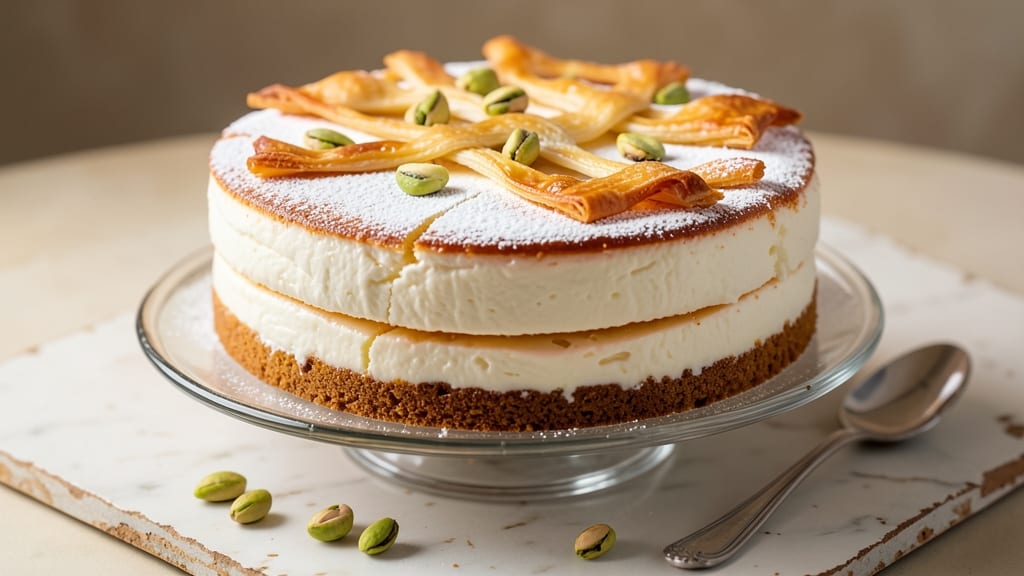
This Arabic milk cake brings the delicate flavors of rosewater and cardamom to your dessert table with every tender bite. 💛 The secret lies in its silky texture—achieved through a precise balance of milk, flour, and sugar—while the subtle floral notes of rosewater and warm cardamom create a fragrance that feels like stepping into a Middle Eastern café.
I’ve perfected this recipe to ensure a moist, fluffy crumb that’s light enough to melt in your mouth yet rich enough to satisfy any sweet tooth.
The beauty of this cake is in its simplicity: just a handful of ingredients, but each plays a critical role. The milk provides that signature creamy texture, while the cardamom adds a warm, aromatic depth that pairs perfectly with the floral sweetness of rosewater.
Baking it in a round pan gives it that classic, elegant shape, and the final touch of powdered sugar or toasted nuts elevates it to something truly special. This isn’t just dessert—it’s a taste of tradition with every slice.
What makes this recipe stand out is the harmony of flavors and textures. The cake itself is light and airy, almost like a cross between a sponge and a pudding, while the rosewater swirl adds a fragrant, floral dimension that’s both subtle and unforgettable.
Cardamom, often used in Arabic cuisine, brings a gentle warmth that balances the sweetness without overpowering it. The result? A dessert that’s elegant yet approachable, perfect for celebrations or a quiet afternoon treat.
Whether you’re serving it at a gathering or enjoying it solo, this cake is designed to impress. The instructions are straightforward, but the payoff is a dessert that feels like a labor of love—one that carries the essence of Arabic baking traditions. Let’s get started on creating something truly memorable.
Ingredients for arabic milk cake
Simple ingredients, big flavor—this cake brings Middle Eastern magic to your kitchen.
| Ingredient | Amount | Notes |
|---|---|---|
| All-Purpose Flour 🌾 | 2 ½ cups | Sifted for light texture |
| Granulated Sugar 🍚 | 1 ½ cups | White sugar preferred |
| Powdered Sugar 🍚 | ½ cup | For dusting and swirl |
| Whole Milk 🥛 | 2 cups | Room temperature preferred |
| Unsalted Butter 🧈 | 1 cup | Softened, not melted |
| Large Eggs 🥚 | 4 whole | Room temperature for best mixing |
| Rosewater 🌹 | 1 tbsp | Pure, food-grade only |
| Ground Cardamom 🌿 | 1 tsp | Freshly ground preferred |
| Baking Powder 🧂 | 1 tsp | Aluminum-free preferred |
| Salt 🧂 | ½ tsp | Fine sea salt |
| Vanilla Extract 🌸 | 1 tsp | Pure vanilla preferred |
| Toasted Almond Slices 🥜 | ½ cup | Optional for garnish |
The rosewater and cardamom are non-negotiable for that authentic Arabic flavor. Grab pure, food-grade rosewater (no perfumes!) from Middle Eastern markets or specialty stores like Whole Foods—the good stuff smells like a rose garden. For cardamom, Penzeys or bulk bins at natural food stores have the freshest ground version. If you can only find whole pods, toast them lightly in a dry pan before grinding. The milk should be whole—2% or skim won't give that signature creamy texture. I always buy extra because it's worth it for this recipe.
No rosewater? Orange blossom water works in a pinch (same amount), but it's a different flavor profile. Short on cardamom? Cinnamon at half the amount gives warmth, though it won't be traditional. The almonds? Pistachios or hazelnuts toasted work too—just adjust the quantity. For the flour, King Arthur is my go-to, but any all-purpose will do. The baking powder needs to be fresh—if your box is over a year old, grab a new one. And trust me, room temperature eggs mix so much better than cold ones.
This cake keeps beautifully. Wrap it tightly in plastic wrap and store at room temperature for 3 days, or refrigerate for up to 1 week if you've got leftovers. The flavor actually improves after a day or two—all those flavors meld together. For freezing, slice it first, wrap each piece individually, and freeze for up to 3 months. I always make a double batch because it disappears fast—perfect for gifts or sneaky second helpings.
Why You'll Love This Recipe
- No Fuss, One Bowl: I swear by this recipe because it’s literally mixed in the same bowl you bake it in—no extra dishes, no stress. Just flour, sugar, milk, and butter coming together like old friends, then poured into a pan and forgotten about for 45 minutes.
- Velvet Soft Magic: That first bite? It’s like biting into a cloud that tastes like nostalgia—creamy from the whole milk and butter, lightly sweetened with powdered sugar on top, but not cloying. Honestly, the way the edges stay tender while the center stays al dente is next-level.
- Crowd Pleaser Always: Between us, this is the dessert that gets eaten first at my gatherings—whether it’s a quiet Sunday brunch or a loud family dinner. Kids love the sweetness, adults adore the texture, and it’s the one thing that everyone asks for seconds on.
- Budget-Friendly Luxury: You’re using pantry staples here—flour, sugar, milk, butter—and the cost per serving is laughably low. Plus, it keeps well for days, so you’re not scrambling to bake something last-minute when company drops by. Win-win.
Step-by-step instructions for silky rosewater swirl cake
This classic Arabic dessert comes together with simple steps—just watch for those telltale signs of perfect texture.
👨🍳 Step 1: Whisk Dry Ingredients for Lightness
In a medium bowl, sift together the 2.5 cups all-purpose flour, 1.5 cups granulated sugar, 1 tsp baking powder, 1 tsp ground cardamom, and 0.5 tsp salt. I like to use a fine-mesh sieve for the flour to prevent lumps—this ensures your cake will be tender, not dense. Whisk everything gently until just combined, breaking up any remaining clumps with your fingers.
Set this mixture aside while you prepare the wet ingredients. The key here is not to overmix—you're just combining, not developing gluten. If you see flour streaks, that's perfect. Cardamom's earthy warmth will shine through in every bite, so don't skip sifting it thoroughly.
🍳 Step 2: Cream Butter and Sugar Until Fluffy
In a stand mixer fitted with the paddle attachment, beat the 1 cup softened unsalted butter and 0.5 cup powdered sugar on medium speed for 3-4 minutes until light and fluffy. You'll know it's ready when the mixture nearly doubles in volume and leaves clean streaks on the bowl when you lift the paddle. This step incorporates air, which gives the cake its signature silky texture.
Here's where it gets fun—toss in the 4 room-temperature large eggs one at a time, mixing well after each addition. Then stir in the 1 tbsp rosewater and 1 tsp vanilla extract. The rosewater might seem like a lot, but trust me, it'll bloom beautifully in the finished cake. I always use pure, food-grade rosewater for the best flavor without any artificial aftertaste.
🥘 Step 3: Combine Wet and Dry Ingredients
Gradually add the dry ingredient mixture to the wet ingredients in 3 additions, mixing on low speed just until combined after each addition. Scrape down the sides of the bowl with a spatula to ensure everything gets incorporated evenly. You want the batter to be smooth but not stiff—it should hold its shape when you lift the spoon but still be pourable.
Now for the magic touch: slowly pour in the 2 cups room-temperature whole milk while mixing on low speed. The batter should be thick but still smooth. If it looks too thick, add 1-2 tablespoons more milk until it reaches a consistency similar to heavy cream. This ensures your cake will be moist and tender, not dry or crumbly.
🍳 Step 4: Prepare the Rosewater Swirl Layer
Divide the batter evenly between two 8-inch round cake pans lined with parchment paper. For the swirl effect, pour ⅓ of the remaining batter into a small bowl and mix in 1 extra tablespoon rosewater (for a more intense floral flavor). Spread this flavored batter evenly over one of the cake layers in the pans.
Using a knife or offset spatula, gently swirl the rosewater-infused batter in concentric circles across the top of the first layer. This creates those beautiful marbled patterns that make this cake so special. Don't over-swirl—just a few gentle motions will give you that classic Arabic look.
⏰ Step 5: Bake Until Golden and Set
Preheat your oven to 350°F and bake the cakes for 25-30 minutes, or until a toothpick inserted into the center comes out clean. The edges should be golden brown, but the tops might look slightly underbaked—that's normal. Rotate the pans halfway through baking for even cooking.
Let the cakes cool in the pans for 10 minutes, then transfer to a wire rack to cool completely. This resting period prevents them from cracking as they cool. While they're still warm, you can dust the tops with powdered sugar for that classic finish. For extra flair, sprinkle the 0.5 cup toasted almond slices on top before serving.
🍽️ Step 6: Assemble and Serve
Once completely cooled, place one cake layer on a serving plate and spread a thin layer of rosewater syrup (equal parts powdered sugar and water, heated until dissolved, then cooled) over the top. This syrup keeps the cake moist and adds that signature sticky texture. Repeat with the second layer, then dust the top generously with powdered sugar.
Slice with a serrated knife for clean, elegant pieces. The contrast of the floral rosewater swirl against the cardamom-spiced base makes every bite unforgettable. Serve at room temperature with a cup of strong Arabic coffee or mint tea for the full experience. The cake keeps well for 3 days covered at room temperature or 1 week refrigerated.
Pro Tips For Making Arabic Milk Cake
- Whisk the Butter Cold: I learned this the hard way—when butter softens too much, your batter turns greasy and the cake gets dense. Take the butter straight from the fridge, cut it into chunks, and let it sit at room temp for no more than 15 minutes before whisking. It should be soft enough to dent with a finger but still hold its shape. Trust me, this keeps your cake light and fluffy.
- Sift the Flour Twice: Yes, even if the recipe doesn’t say it. Arabic milk cake relies on a smooth, airy batter, and unsifted flour makes it heavy. Sift the flour first into your mixing bowl, then whisk in the sugar and powdered sugar before adding wet ingredients. This cuts out lumps and guarantees a silky texture—no one wants a cake that tastes like it’s full of tiny rocks.
- Don’t Overmix the Batter: I used to beat this batter until it looked like pancake batter, thinking more mixing = better cake. Wrong. Once you’ve combined the wet and dry ingredients, mix just until just combined—about 10-12 strokes with a spatula. Overmixing develops gluten, and that’s how you end up with a tough, chewy cake instead of the melt-in-your-mouth version you want.
- Bake Until the Center Jiggles: The cake’s done when the edges pull away from the pan and the center jiggles slightly when shaken. Pop it out too early, and it’ll stay gummy; leave it too long, and it’ll dry out. If you’re unsure, stick a toothpick in—it should come out with moist crumbs, not wet batter. (Pro move: Let it cool in the pan for 10 minutes before unmolding.)
Troubleshooting this dish
Dense Cake Texture
If your cake turns out dense instead of light and airy, overmixing the batter is likely the culprit. Once you combine the wet and dry ingredients, mix only until just combined—no more than 20-30 seconds on low speed. The gluten in the flour develops quickly, making the cake tough.
Also, ensure your butter is softened but not melted (it should dent when pressed but not be greasy). Cold butter can prevent proper emulsification with the eggs and sugar, leading to a heavier texture. 💛
Cake Sticking to Pans
This happens when the batter isn’t properly greased or the pans aren’t lined correctly. Always use 8-inch round cake pans lined with parchment paper, and generously grease the paper with butter or baking spray. For extra insurance, dust the parchment with 1-2 tablespoons of flour before pouring the batter.
If your cake still sticks, try using nonstick spray like Pam on the parchment before adding the batter. Let the cake cool 10-15 minutes in the pan before transferring to a wire rack.
Uneven Baking or Raw Center
An oven that’s too hot or cold can cause uneven baking. Preheat your oven to 350°F for at least 15 minutes before baking, and use an oven thermometer to confirm accuracy—many home ovens run 10-20°F hotter or colder than set.
If the center stays raw, your cake might need 5-10 extra minutes in the oven. Rotate the pans halfway through baking to ensure even heat distribution. For a foolproof test, insert a toothpick into the center—it should come out clean or with a few moist crumbs (not wet batter).
Rosewater Flavor Too Overpowering
If the rosewater taste dominates and feels like perfume rather than a subtle floral note, you’ve likely used too much. The recipe calls for 1 tablespoon rosewater in the batter and an extra tablespoon for the swirl layer—stick to these amounts.
For a milder flavor, reduce to ½ tablespoon in the batter and 1 teaspoon for the swirl. Always use pure, food-grade rosewater (available at Middle Eastern markets or specialty stores like Whole Foods). If you’re unsure, start with ½ the amount and adjust to taste after baking.
Cracks or Sinks in the Center
Cracking or sinking often happens when the cake cools too quickly or isn’t baked long enough. Let the cake cool in the pan for 10-15 minutes before transferring to a wire rack to prevent sudden temperature changes.
If the center sinks, your oven might be too hot, or the batter was overmixed. Next time, bake for 2-3 minutes less than the suggested time and check for doneness early.
For a smoother top, dust the cake with powdered sugar while it’s still warm—this creates a protective layer as it cools.
Dry or Crumbly Texture
A dry cake usually means the batter was too thick or the milk wasn’t incorporated properly. Ensure your milk is room temperature (cold milk can curdle when mixed with warm batter).
If the batter looks too thick, add 1-2 tablespoons more milk until it reaches a pourable but thick consistency (like heavy cream). Overbaking can also dry out the cake—remove it from the oven as soon as a toothpick comes out clean.
For extra moisture, brush the warm cake with a simple syrup (equal parts sugar and water, heated until dissolved) before serving.
Nutrition facts
Frequently asked questions
Can I make this cake without rosewater?
If you can't find rosewater, try orange blossom water (same amount) for a similar floral note. For a different flavor, substitute with 1 teaspoon vanilla extract or ½ teaspoon almond extract. The cake will still be delicious—just with a different aromatic profile.
How do I store leftovers to keep them fresh?
Wrap the cake tightly in plastic wrap and store at room temperature for up to 3 days. For longer storage, refrigerate for 1 week or freeze individual slices for 3 months. The flavors actually deepen slightly after 24 hours, making it perfect for gifting! Thaw frozen slices at room temperature before serving.
What's the difference between this cake and Basbousa?
While both are Arabic milk-based desserts, this cake uses flour and butter for a lighter texture, whereas Basbousa is made with semolina flour and often soaked in syrup. This recipe has a swirl effect from rosewater-infused batter, while Basbousa typically has a uniform texture with a sticky, moist center. Both are delicious but serve different purposes!
Can I use cardamom pods instead of ground?
Yes! Toast 4-5 cardamom pods in a dry pan for 1 minute until fragrant, then grind them finely. This gives a fresher, more intense flavor. For the recipe, use 1 teaspoon ground cardamom (about what you'd get from 4 pods). The pods are often more aromatic than pre-ground spice.
Why does my cake taste bland?
Bland flavor usually means the cardamom or rosewater wasn't strong enough. Double-check that you used pure, food-grade rosewater (not perfume) and freshly ground cardamom. Also, ensure your butter and milk are room temperature—cold ingredients can mute flavors. For extra depth, add ½ teaspoon cinnamon along with the cardamom.