
Main Courses
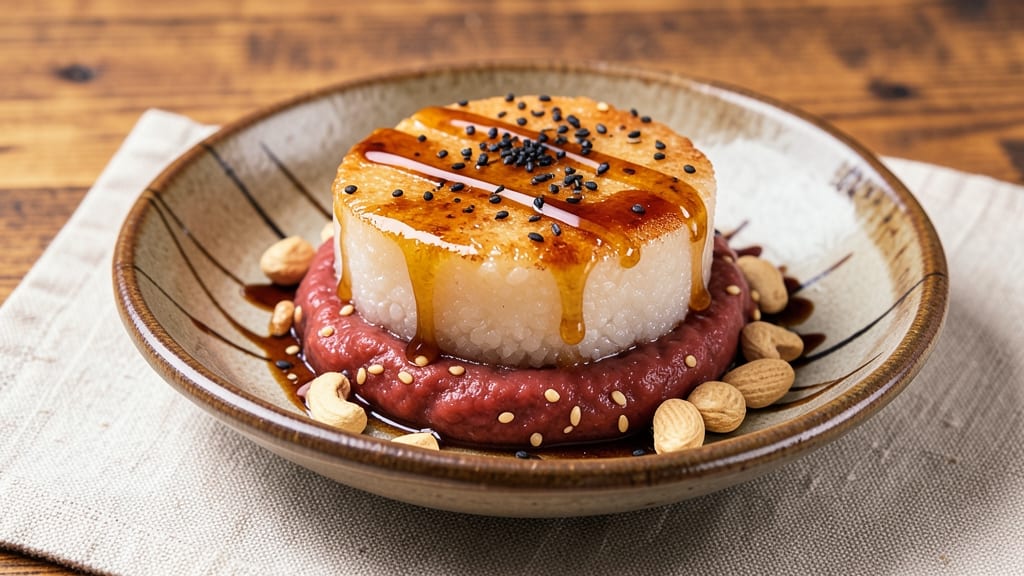
This Asian rice cake recipe ideas transform simple ingredients into delicate, savory-sweet bites with crispy crusts that balance texture and flavor. ✨ The foundation lies in perfectly cooked glutinous rice flour, whether steamed into soft mochi or fried into golden tteok, each method unlocking unique possibilities for both traditional and modern fillings.
The beauty of these rice cakes is their versatility—whether you're crafting Japanese mochi with red bean paste, **Korean tteok with sesame and honey, or Chinese nian gao with savory soy-glazed fillings.
The process is methodical yet rewarding, requiring patience in shaping and cooking to achieve that signature crunchy exterior and tender interior.
What makes these treats special is how they adapt to any occasion: serve them as festive snacks for Lunar New Year, elegant desserts for gatherings, or even savory bites at dinner parties.
The aroma of freshly steamed or fried cakes, combined with their satisfying texture, transforms ordinary moments into something memorable.
With just a few key ingredients and straightforward techniques, you'll create rice cakes that taste like they came from a bustling Asian street market. Let's get started on crafting these versatile, crowd-pleasing bites** that bring both tradition and innovation to your table.
Ingredients for asian rice cake recipe ideas
These essential ingredients transform into delicate Asian rice cakes with crispy crusts and versatile fillings.
| Ingredient | Amount | Notes |
|---|---|---|
| Glutinous Rice Flour 🍚 | 2 cups | High-quality, fine-milled preferred |
| Red Bean Paste 🍫 | 1 ½ cups | Sweet or savory variety |
| Sesame Seeds 🌰 | ¼ cup | Toasted for nutty aroma |
| Honey 🍯 | ½ cup | Wildflower preferred |
| Soy Sauce 🥢 | ¼ cup | Light or dark variety |
| Sesame Oil 🫒 | 2 tbsp | Toasted for flavor depth |
| Vegetable Oil 🫒 | ½ cup | For frying, high smoke point |
| Water 💧 | 1 ½ cups | Room temperature preferred |
| Salt 🧂 | ½ tsp | Fine sea salt preferred |
| White Sugar 🍬 | ¼ cup | Granulated, for sweetness |
| Green Tea Powder 🍵 | 1 tbsp | Matcha for vibrant color |
| Pandan Juice 🌿 | 1 tbsp | For floral aroma (optional) |
| Black Sesame Paste 🌰 | ½ cup | For nutty depth (optional) |
| Korean Red Pepper Flakes 🌶️ | 1 tbsp | For spicy variation (optional) |
The glutinous rice flour is the heart of these rice cakes—high-quality brands like Bob's Red Mill ensure the perfect texture. For traditional Japanese mochi, use 100% glutinous rice flour, while Korean tteok blends often include a touch of regular rice flour for structure. Asian grocery stores like H Mart or 99 Ranch Market carry specialty glutinous rice flours that elevate the dish. If using red bean paste, opt for sweet azuki from Japanese markets—the texture should be thick but spreadable, not grainy. For savory variations, Korean black bean paste or peanut butter (yes, really!) create unique twists on classic flavors.
No sesame seeds? Toasted sunflower seeds work as a neutral substitute, though the flavor won't be identical. Running low on honey? Maple syrup or agave nectar maintain sweetness, though honey's floral notes are ideal for Japanese-style mochi. Sesame oil is non-negotiable for authentic flavor—Kadoya brand from Asian markets delivers the richest taste. For fried tteok, vegetable oil with a high smoke point (like Avocado oil) prevents burning. Pandan juice can be replaced with vanilla extract (1 tsp) for a similar floral touch, though the aroma won't match. Black sesame paste? Tahini offers a similar nutty depth in a pinch.
Glutinous rice flour dough loses moisture quickly—cover tightly with plastic wrap and refrigerate for up to 3 days. Red bean paste keeps for 6 months in the fridge, while sesame oil lasts 12 months unopened. For long-term storage, freeze shaped but uncooked rice cakes on a tray, then transfer to a bag for 3 months. Fried tteok reheats best in a skillet with a splash of water—just 2 minutes on medium heat restores crispiness. Steamed mochi? Serve immediately or store at room temperature for 2 days to maintain softness.
Why You'll Love This Recipe
- No-Fuss Mixture: I swear by this recipe—just mix the glutinous rice flour with water, stir in the red bean paste, and you’re halfway there. Honestly, the dough comes together faster than my morning coffee.
- Sweet-Savory Magic: That balance of sticky honey and umami soy sauce? Chef’s kiss. The sesame seeds add a nutty crunch that makes every bite feel like a little celebration.
- Weeknight or Party: Steamed or pan-fried, these cakes are my go-to for lazy dinners or last-minute gifts. (Yes, even on a Tuesday night.) They freeze beautifully too—perfect for when you’re too busy to bake.
- Pantry Staples Only: Between us, this recipe uses ingredients you might already have. Glutinous rice flour and red bean paste keep forever, and a little honey and soy sauce turn them into something ridiculously good. Budget-friendly? Absolutely.
Step-by-step instructions for Asian rice cake recipe ideas
Here's how to craft these delicate, crunchy bites with perfect texture and flavor balance.
👨🍳 Step 1: Prepare the Dough Base
In a large mixing bowl, combine the 2 cups Glutinous Rice Flour, 1.5 cups Red Bean Paste, 0.25 cup White Sugar, 1 tbsp Green Tea Powder, and 1 tbsp Pandan Juice. The green tea powder will give a subtle earthy note while the pandan adds floral complexity—don't skip these for authentic flavor.
Gradually add the 1.5 cups Water while mixing with chopsticks or a silicone spatula until a smooth, elastic dough forms. The mixture should pull away from the bowl sides cleanly but still feel slightly tacky. If it's too dry, add 1 teaspoon Water at a time until you reach this consistency. Cover with plastic wrap and let rest for 30 minutes—this relaxation period prevents cracking during frying.
🥘 Step 2: Shape and Prepare the Cakes
Divide the rested dough into 16 equal portions (about 1.5 ounces each) and roll each into a 1-inch diameter ball. For extra flavor variation, create different fillings by mixing 0.25 cup Sesame Seeds with 2 tbsp Sesame Oil for one batch, or combining 0.5 cup Black Sesame Paste with 0.25 cup Soy Sauce for another. Press these mixtures into the center of half the dough balls, then seal completely.
Place all shaped cakes on a parchment-lined tray, spacing them 1 inch apart. Sprinkle lightly with 0.5 tsp Salt and set aside. The sesame seeds will toast beautifully during frying, adding nutty crunch to each bite. For spicy variation, reserve 1 tbsp Korean Red Pepper Flakes to sprinkle over half the cakes before frying.
🔥 Step 3: Create the Crispy Crust
Heat 0.5 cup Vegetable Oil in a non-stick skillet over medium heat until it reaches 350°F—test with a wooden chopstick, which should sizzle gently when submerged. Working in batches of 4 cakes, carefully place them in the hot oil using a slotted spoon. Fry for 2-3 minutes per side until golden brown with visible bubbles forming.
Drain on a wire rack lined with paper towels. The cakes will be delicate when hot, so handle them gently to prevent breaking. For extra crispiness, transfer them to a baking sheet and bake at 325°F for 5 minutes after frying. This step ensures that crispy texture you crave while keeping the interior tender.
🍯 Step 4: Glaze for Sweet-Savory Balance
In a small saucepan, combine 0.5 cup Honey, 0.25 cup Soy Sauce, and 1 tbsp Sesame Oil over low heat. Simmer for 3-4 minutes until slightly thickened—you're looking for a glossy glaze that coats the back of a spoon. Remove from heat and stir in 1 tbsp Korean Red Pepper Flakes if using the spicy variation.
Brush this glaze generously over the warm cakes while they're still on the wire rack. The heat will cause the glaze to set slightly, creating that perfect balance of sweet, savory, and umami. For extra visual appeal, sprinkle with remaining sesame seeds while the glaze is still wet. Let cool completely on the rack before serving.
Pro Tips For Making Asian Rice Cake Recipe Ideas
- STEAM NOT BAKE: Mix the glutinous rice flour batter with 2 tablespoons extra water than the recipe calls for—it needs that extra moisture to steam into a tender, chewy cake, not a dry brick. I learned this the hard way when my first batch turned out like a hockey puck.
- CHILL THE BATTER: Let the glutinous rice flour batter rest in the fridge for at least 1 hour before shaping—this prevents the cakes from cracking when steamed. Sounds weird, but it works: the starches relax, and the texture becomes silky instead of gummy.
- DON’T OVERFILL THE MOLDS: Pack the red bean paste firmly but leave ½ inch space at the top—otherwise, the batter will spill and stick to the steamer, making a mess. I used to ignore this and ended up scrubbing my steamer for an hour.
- TOAST SESAME SEEDS FIRST: Lightly fry the sesame seeds in a dry pan until fragrant (about 30 seconds) before pressing them onto the cakes—this keeps them from sliding off and adds a deeper, nuttier flavor. (Yes, even if you’re impatient like me.)
Common mistakes when making this dish
Overmixing the Dough
I’ve seen many beginners overmix the glutinous rice flour dough, thinking it needs to be "fully combined" like bread dough. But this toughens the texture, making your rice cakes dense instead of light and chewy. Mix just until the dough comes together—no need for vigorous kneading.
The dough should feel slightly tacky but still hold its shape when pressed. Overworking it also makes shaping harder, leading to cracks during frying. 💡
Skipping the Resting Time
Rushing to shape the dough without letting it rest for 30 minutes is a big mistake. This resting period allows the gluten to relax, preventing cracks and ensuring even cooking. Without it, your cakes may develop uneven textures or even split open during frying.
I’ve learned this the hard way—always let the dough rest! Cover it tightly with plastic wrap and be patient. ⏰
Uneven Oil Temperature
Frying at inconsistent temperatures is the fastest way to ruin your crispy crust. If the oil isn’t hot enough (350°F), your cakes will absorb too much oil and turn greasy instead of golden.
Too hot? They’ll burn on the outside before cooking through. Use a thermometer to monitor the oil—no guessing! Test with a wooden chopstick: it should sizzle gently when submerged. 🌡️
Overcrowding the Pan
Trying to fry too many cakes at once drops the oil temperature and causes steam buildup, leading to soggy results. Work in batches of 4 cakes max to maintain that perfect 350°F temperature.
Overcrowding also makes it harder to flip them evenly, increasing the risk of uneven browning. Patience here pays off with perfectly crispy exteriors. 🍚
Ignoring the Glaze Timing
Applying the honey-soy glaze to cakes that are too cool or too hot can ruin the texture. Brush it on while the cakes are warm but not piping hot—this lets the glaze set properly without melting into a sticky mess.
If they’re too hot, the glaze will pool; if too cool, it won’t adhere. Let them sit on the wire rack for 2-3 minutes after frying before glazing. This small detail makes all the difference! 🍯
Nutrition facts
Frequently asked questions
Can I make these rice cakes without a frying pan?
For a healthier version, try baking them instead. Preheat your oven to 375°F and place the shaped cakes on a parchment-lined baking sheet. Brush with a light egg wash (1 egg + 1 tbsp water) and bake for 12-15 minutes until golden. For extra crispiness, broil for 1-2 minutes at the end. The texture will be slightly different but still delicious!
What's the best way to store leftover rice cakes?
Store them in an airtight container at room temperature for up to 3 days if they're plain. For extra shelf life, freeze them on a tray first (uncooked or cooked), then transfer to a bag for 3 months. To reheat, warm in a 350°F oven for 5 minutes or air fry at 375°F for 3-4 minutes to restore crispiness.
Can I make these rice cakes gluten-free?
Yes! Replace the glutinous rice flour with a 1:1 gluten-free rice flour blend (like Bob's Red Mill). For best results, add 1 tbsp xanthan gum to help bind the dough. The texture will be slightly different but still chewy. Matcha or black sesame fillings work especially well in gluten-free versions. Always check your flour blend's instructions for hydration adjustments.
How can I make these rice cakes spicier? Add 1 tbsp gochugaru (Korean red pepper flakes) to the dough itself for heat throughout. For extra kick, mix 1 tsp sriracha with the honey-soy glaze. For a smoky-spicy version, add ½ tsp smoked paprika to the dough.
What are some creative fillings I can try?
Beyond red bean paste, try peanut butter + soy sauce for a savory option, or matcha powder + white chocolate for a modern twist. For umami depth, use miso paste + sesame seeds, and for tropical flavors, mix in coconut flakes + lime zest**. The key is to keep fillings moist but not wet—think of them like small "pockets" of flavor!