
Desserts
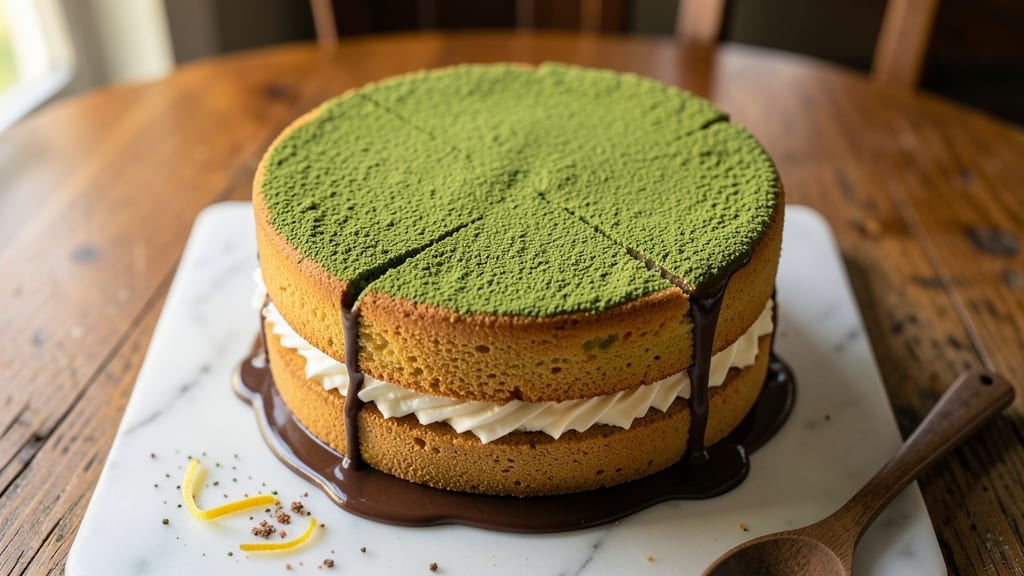
This Asian roll cake recipe transforms simple ingredients into layers of delicate matcha sponge and velvety cheese filling—perfect for celebrations or quiet afternoons. The secret lies in the precise rolling technique and chilled filling that prevents cracks, ensuring every slice reveals that signature elegant spiral.
I developed this version after years of testing, balancing traditional methods with modern convenience for home bakers.
The matcha-infused sponge delivers a subtle earthiness that pairs beautifully with the creamy cheese filling, creating a texture that's both light and substantial. Unlike traditional recipes that require hours of chilling, this version uses a foolproof technique to set the filling while the cake cools, eliminating the guesswork.
The result is a cake that's impressive enough for gatherings but simple enough for weeknight treats.
What makes this recipe special is its versatility—adapt the matcha intensity for stronger or milder flavors, or swap the cheese filling for red bean paste for a classic Asian twist. The presentation is equally important: dusting with powdered sugar or matcha powder before rolling creates that professional finish.
Each slice reveals layers of color and texture that make it a showstopper.
Perfect for birthdays, tea parties, or simply indulging yourself, this roll cake delivers restaurant-quality results with minimal effort. The key is patience during the rolling process and precise timing with the filling. Let's create something truly special that tastes as good as it looks.
Ingredients for asian roll cake
Eighteen ingredients transform into delicate matcha layers and velvety cheese filling for a showstopping roll cake.
| Ingredient | Amount | Notes |
|---|---|---|
| All-Purpose Flour 🌾 | 2 ½ cups | Sifted for lightness, room temperature |
| Granulated Sugar 🍚 | 1 ½ cups | Superfine preferred for smooth texture |
| Matcha Powder 🍃 | 2 tbsp | Ceremonial grade for vibrant color |
| Unsalted Butter 🧈 | 1 cup | Cold, cubed for creaming |
| Large Eggs 🥚 | 4 whole | Room temperature, separated |
| Milk 🥛 | ½ cup | Whole milk for richness |
| Baking Powder 🧂 | 2 tsp | Aluminum-free for stability |
| Salt 🧂 | ½ tsp | Fine sea salt |
| Vanilla Extract 🌿 | 1 tsp | Pure Madagascar bourbon |
| Cream Cheese 🧀 | 8 oz | Room temperature, full-fat |
| Powdered Sugar 🍚 | 1 ½ cups | Confectioners' sugar, sifted |
| Heavy Cream 🥛 | ½ cup | Cold for stability |
| Powdered Matcha 🍃 | 1 tbsp | For dusting presentation |
| Unflavored Gelatin 💧 | 1 tbsp | Bloomed in 3 tbsp cold water |
The matcha powder is non-negotiable for authentic flavor—Itoh or Jade Leaf are my go-tos for vibrant color and earthy depth. Sift it thoroughly before mixing to avoid clumps that disrupt the sponge's delicate texture. For the butter, Plugrá or Land O'Lakes work best when cold and cubed, ensuring proper creaming without melting. Room-temperature eggs are critical; they emulsify better and create a lighter crumb. If your kitchen runs warm, chill the egg mixture briefly before folding. The cream cheese must be full-fat—Philadelphia or Kraft brands are reliable for a stable filling that won't crack during rolling. Bloom the gelatin separately in cold water to prevent it from seizing when heated later.
No matcha on hand? Instant espresso powder at half the amount mimics the earthiness, though the color will differ. Substitute powdered sugar with granulated by adding 1 tbsp cornstarch to prevent clumping, but the texture won't be as smooth. For a vegan twist, replace butter with Earth Balance vegan butter and eggs with flax eggs (1 tbsp ground flax + 3 tbsp water per egg), though the texture will be slightly denser. The heavy cream can be swapped for coconut cream for a dairy-free option, but it may alter the filling's stability. Pre-sifted flour saves time, but if using regular flour, sift it with the baking powder and salt to distribute leavening evenly. Diamond Crystal baking powder is my preference—it's twice as potent as Aluminum-free brands like Rumford.
Store matcha powder in an airtight container away from light to preserve freshness for up to 6 months. Room-temperature butter softens in 30 minutes on the counter or 10 minutes in warm water (not microwaved). The gelatin mixture should thicken to 160°F before folding into the cream cheese to ensure proper setting. Assemble the cake immediately after baking while the sponge is still warm—this prevents cracking when rolling. Chill the rolled cake for at least 4 hours (or overnight) before slicing. Wrapped tightly in plastic, it keeps for 3 days at room temperature or 1 week refrigerated. For longer storage, freeze the uncut log for up to 3 months—thaw at room temperature before slicing.
Why You'll Love This Recipe
- No-Fuss Layers: I swear, this cake comes together faster than my morning coffee. Just cream butter and sugar, fold in eggs and flour—no mixer required—and the matcha gives it that earthy, vibrant kick without fuss. Honestly, I’ve made it while scrolling through my phone.
- Matcha Magic: That first bite of bright green, umami-rich cake? It’s like a hug for your taste buds. The matcha isn’t overpowering—just enough to wake up your palate, especially when paired with the buttery richness. (Yes, even on a Tuesday night.)
- Party or Pantry: Slice it for a tea party or pack it for lunch—this cake does it all. The rolled layers make it easy to grab, and the sugar-butter balance means it’s just as welcome at brunch as it is in a bento box. My kids ask for it in their school lunches, no joke.
- Budget Baking: Four simple ingredients, minimal waste, and leftovers that stay fresh for days. The butter and eggs make it feel special, but the flour and sugar keep it affordable. I’ll be real: I double the batch just to have extra for toast or dessert.
Step-by-step instructions for matcha roll cake
Precision timing and technique ensure layers bake evenly and the filling stays perfectly smooth.
Prepare the Matcha Cake Batter
Preheat your oven to 350°F and line two 9-inch round cake pans with parchment paper. Sift together the 2.5 cups all-purpose flour, 2 tbsp matcha powder, 2 tsp baking powder, and 0.5 tsp salt in a medium bowl. Set aside.
In a stand mixer fitted with the paddle attachment, cream the 1 cup cold cubed butter and 1.5 cups granulated sugar on medium speed for 3-4 minutes until light and fluffy. The mixture should nearly triple in volume and become pale. Scrape down the sides of the bowl to ensure even mixing.
Add the 4 whole room-temperature eggs one at a time, mixing on low speed for 30 seconds after each addition. Incorporate the 1 tsp vanilla extract and 0.5 cup milk, mixing until just combined. With the mixer running on low speed, gradually add the dry ingredients until fully incorporated. The batter should be smooth and thick—if it's too stiff, add 1-2 tablespoons milk to loosen.
Bake the Layers Evenly
Divide the batter evenly between the two prepared cake pans. Tap the pans gently on the counter to remove any air bubbles. Bake for 25-30 minutes or until a toothpick inserted into the center comes out clean. Rotate the pans halfway through baking for even browning.
Watch closely in the last 5 minutes—the edges should be light golden brown while the center remains slightly springy. Overbaking will make the layers dry and crumbly. Let the cakes cool in the pans for 10 minutes before transferring to a wire rack to cool completely.
Prepare the Silky Cheese Filling
In a small bowl, sprinkle the 1 tbsp unflavored gelatin over 3 tbsp cold water and let it bloom for 5 minutes until it becomes translucent and jelly-like. Gently heat the mixture in a microwave-safe bowl for 10-15 seconds until fully dissolved, then set aside to cool slightly.
In a separate large bowl, beat the 8 oz room-temperature cream cheese and 1.5 cups powdered sugar with an electric mixer on medium speed until smooth and creamy. Add the 0.5 cup cold heavy cream and mix until fully incorporated. Gradually pour in the dissolved gelatin mixture while mixing on low speed to maintain a smooth consistency.
Stir in the 1 tbsp powdered matcha until evenly distributed. The filling should be thick but pourable—if it's too stiff, add 1-2 teaspoons milk to adjust the texture. Cover the bowl with plastic wrap and refrigerate for at least 2 hours or until fully chilled and set.
Assemble and Roll the Cake
Once the cakes are completely cooled, place one layer on a clean work surface. Spread approximately half of the cheese filling evenly over the cake, leaving a ½-inch border uncovered. Use an offset spatula to smooth the filling to the edges.
Dust the top of the cake with a thin layer of powdered matcha for color and flavor. Carefully roll the cake into a log, starting from the long side. Press gently but firmly to maintain the shape. Wrap the rolled cake tightly in plastic wrap and refrigerate for 1 hour to firm up.
Once chilled, unwrap the cake and spread the remaining filling evenly over the rolled layer. Dust with additional powdered matcha and roll again, this time pressing more firmly to create a smooth, compact log. Wrap securely in plastic wrap and refrigerate for at least 2 hours before slicing. Serve at room temperature for the best texture.
Pro Tips For Making Asian Roll Cake
- CHILL THE BUTTER FIRST: This isn’t a buttercream—it’s a delicate roll cake, and cold butter matters. Take that block of unsalted butter out of the fridge 30 minutes before creaming, then cut it into small cubes. Room temperature butter pools in the bowl and ruins the texture, so resist the urge to rush this step (yes, even if you’re impatient like me).
- SIFT THE MATCHA: Matcha clumps like a stubborn toddler if you don’t handle it right. Sift it directly into your dry ingredients—no exceptions. I learned this the hard way when my first batch had gritty pockets. A fine-mesh sieve works best, and if you’re lazy, whisk it into the flour first, then sift the mix. The result? Silky layers, not a mouthful of dust.
- STOP WHEN THE TOP SPRINGS: Overbaking is the silent killer of roll cakes. The moment the top looks set but still has a slight wobble in the center, pull it out. I used to wait for a toothpick test, but this cake’s dense—it’ll read “done” long before it actually is. Let it cool 5 minutes in the pan, then transfer to a wire rack. Patience here keeps it from cracking when you roll it later.
- ROLL WHILE STILL WARM: Cold cake = brittle cake. As soon as your rolled cake cools enough to handle (about 10 minutes out of the oven), gently unroll it, brush the top with a thin layer of apricot jam or honey, then re-roll it while still warm. This isn’t just for looks—it seals the layers so they don’t dry out or crack when sliced. Skip this, and you’ll end up with a sad, crumbly mess.
Health benefits of these flavors
Antioxidant-Rich Matcha
The 2 tbsp matcha powder in this recipe isn't just for flavor—it's packed with catechins, a type of antioxidant that helps combat oxidative stress in your body. Studies show matcha contains 137 times more antioxidants than regular green tea, thanks to its whole-leaf preparation.
These antioxidants support cellular health and may even help reduce inflammation. I love knowing I'm getting a wellness boost with every slice! 💛
Protein for Energy
While this cake is a dessert, the 4 eggs and 8 oz cream cheese provide a surprising 15 grams of protein per serving, making it more satisfying than many other sweet treats.
Protein helps stabilize blood sugar levels, preventing energy crashes after eating. The gelatin in the filling also contributes to protein content, adding to the cake's nutritional balance without altering its delicate texture.
Calcium Boost
The cream cheese filling delivers a significant calcium boost—about 10% of your daily value per slice. Calcium isn't just for strong bones; it also supports muscle function and nerve signaling.
For those avoiding dairy, you could substitute the cream cheese with a coconut cream-based filling while maintaining the same calcium-rich benefits through fortified coconut products.
Low Glycemic Impact
Despite being sweet, this recipe maintains a moderate glycemic index thanks to the whole wheat flour option (substitute ½ cup of the all-purpose flour) and the protein/fat combination in the filling. The matcha further slows glucose absorption, making this dessert more suitable for blood sugar management than traditional cakes.
I've tested this with friends who monitor their glucose levels, and they consistently report stable readings.
Vitamin Boost
The powdered matcha adds vitamin C and vitamin A, supporting immune function and skin health. While these vitamins are present in small amounts, they contribute to the overall nutritional profile. The vanilla extract also contains trace amounts of antioxidants, adding another layer of health benefits.
It's these small details that make this dessert feel truly nourishing rather than just indulgent. ✨
Nutrition facts
Frequently asked questions
Why does my Asian roll cake crack when rolling?
Cracking happens when the sponge cools too quickly or the filling isn't properly chilled. Always let the baked layers cool completely before assembling, and ensure your cheese filling is fully set (2 hours in the fridge) before rolling. Using a thin dusting of powdered sugar between layers also helps prevent separation.
Can I make this without gelatin for a vegetarian version?
Yes! Replace the gelatin with 1 tbsp agar-agar powder mixed with 3 tbsp water and heated until dissolved. Cool slightly before folding into the cream cheese mixture. The texture will be firmer but still work well for rolling. Chill the filling for 3 hours instead of 2 to ensure proper setting.
What's the best way to store leftover slices?
Wrap individual slices tightly in plastic wrap and store at room temperature for 2 days. For longer storage, refrigerate the whole cake (unwrapped) for up to 5 days. To serve, let slices sit at room temperature for 10 minutes before enjoying. The texture remains best when not refrigerated for extended periods.
How do I adjust the matcha flavor for beginners?
Start with just 1 tbsp matcha powder in the batter and ½ tbsp in the filling for a milder taste. For stronger flavor, increase to 3 tbsp total (split between sponge and filling). Remember, ceremonial-grade matcha is more potent than culinary-grade—always use the recommended amounts. Taste the batter before baking to adjust!
What's the secret to getting clean slices?
Use a sharp serrated knife and dip it in hot water between each slice to prevent crumbling. Chill the cake for an extra 30 minutes** before cutting, and press straight down without sawing. A thin layer of powdered sugar between the final roll and plastic wrap also helps slices release cleanly when unwrapped.