
Desserts
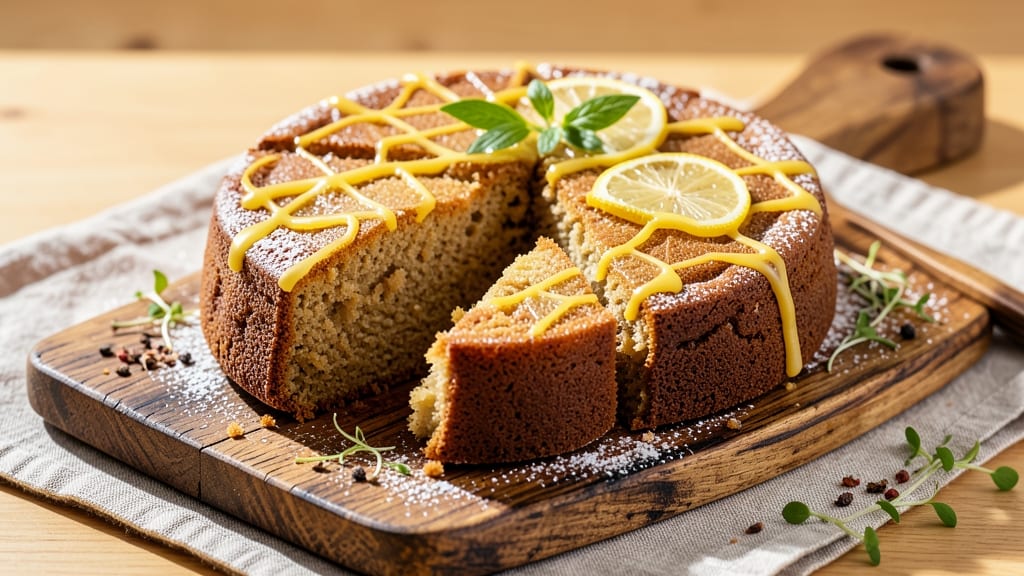
Aunt Sue's pound cake recipe delivers the kind of buttery, moist perfection that makes every slice feel like a hug. 💛 The secret lies in precise measurements and that signature citrus zest twist that brightens the classic vanilla flavor.
I've baked this recipe countless times, and it never fails to impress—whether served warm with tea or dusted with powdered sugar for a celebratory touch.
This recipe stays true to Aunt Sue's original style, with its rich texture and tender crumb that comes from creaming butter and sugar properly. The citrus zest adds a subtle brightness that cuts through the richness, creating a balance that's both comforting and sophisticated.
It's the kind of cake that tastes even better the next day, making it perfect for meal prep or special occasions.
What makes this pound cake truly special is how foolproof it is. With just a few simple ingredients and a straightforward mixing process, you'll achieve layers of golden, buttery goodness that's impossible to resist.
The cake bakes up tender yet sturdy enough to hold slices without crumbling, and the aroma filling your kitchen will have everyone asking for seconds.
Serve it plain with a dusting of powdered sugar, or layer it with whipped cream and fresh berries for a showstopping dessert. The versatility of this recipe means it works for brunch, afternoon tea, or as the centerpiece of a holiday dessert spread. Let's get baking!
Ingredients for aunt sue's pound cake
Buttery, tender layers with a citrus twist—just nine ingredients for Aunt Sue's legendary pound cake.
| Ingredient | Amount | Notes |
|---|---|---|
| Unsalted Butter 🧈 | 1 cup | Room temperature, softened |
| Granulated Sugar 🍚 | 2 cups | Superfine preferred for smoothness |
| All-Purpose Flour 🌾 | 2 cups | Sifted, plus extra for pan |
| Large Eggs 🥚 | 4 whole | Room temperature, separated |
| Vanilla Extract 🌸 | 2 tsp | Pure, high-quality extract |
| Lemon Zest 🍋 | 1 tbsp | Fresh, finely grated |
| Lemon Juice 🍋 | 2 tbsp | Freshly squeezed |
| Baking Powder 🧂 | 2 tsp | Diamond Crystal preferred |
| Salt 🧂 | ½ tsp | Fine sea salt |
| Powdered Sugar 🍚 | ½ cup | For dusting, optional |
The butter is non-negotiable here. European-style butter like Plugrá or Land O'Lakes has higher fat content, giving you that signature richness. Grab it at Whole Foods or your local grocery store's bakery section—avoid the tubs of margarine. For the sugar, superfine sugar dissolves faster, but regular granulated works if you pulse it in a food processor. The flour? King Arthur or Gold Medal brands are reliable, but any all-purpose will do. Pro tip: Sift it with the baking powder and salt to avoid lumps. The citrus zest needs to be fresh—no bottled stuff. Organic lemons from the market have more vibrant flavor, but regular works too.
No vanilla extract? Vanilla bean paste or seeds from a scraped pod add depth, but pure extract is fine. Running short on lemon juice? Orange juice or lime juice works in a pinch, but the flavor will shift slightly. The eggs should be room temperature—cold eggs can curdle the butter. If you're worried about salmonella, use pasteurized eggs. For a gluten-free version, swap the flour for a 1:1 gluten-free blend, but expect a slightly denser texture. The powdered sugar is optional but makes it feel extra special for serving—Domino brand is my go-to for its fine texture.
This cake keeps beautifully—3-4 days wrapped at room temperature or up to 2 weeks in the fridge. For longer storage, slice and freeze portions for up to 3 months. The aroma alone will have your kitchen smelling like a bakery. To reheat slices, wrap them in a damp paper towel and microwave for 15 seconds. For serving, I always dust with powdered sugar and pair it with a cup of Earl Grey tea—the bergamot complements the citrus zest beautifully.
Why You'll Love This Recipe
- No-Fuss Mixing: Honestly, this cake is basically foolproof—just cream butter and sugar until light, toss in eggs one at a time, fold in flour, and a splash of vanilla. No sifting, no overthinking, no stress. My first attempt turned out fine, even though I rushed it.
- Buttery Vanilla Bliss: That ratio of butter to sugar? Chef’s kiss. The crumb is tender but sturdy, with vanilla so bright it makes every bite feel like a little hug. I’ll be real: I’ve tried store-bought vanilla cake since, and nothing compares.
- Endless Second Life: Slice it fresh for breakfast with jam, cube it for trifles, or toast it for a quick dessert. My kids beg for it in lunchboxes, and I’ve even used leftovers to make French toast. (Yes, even on a Tuesday night.)
- Pantry Goldmine: You’re already stocked for this—no weird ingredients, no last-minute grocery runs. A single batch feeds six, and the leftovers? They last a week in the fridge without drying out. Budget-friendly, reliable, and always a win.
Step-by-step instructions for Aunt Sue's pound cake
Here's the method that delivers Aunt Sue's signature tender crumb and moist texture every time.
👨🍳 Step 1: Cream Butter and Sugar to Light Ribbons
In a stand mixer fitted with the paddle attachment, beat the 1 cup unsalted butter and 2 cups granulated sugar on medium speed for 3-4 minutes until light and fluffy. You'll notice the mixture nearly doubles in volume and becomes pale in color—this incorporates air that creates the cake's signature tender crumb.
I like to scrape down the sides of the bowl with a rubber spatula every 30 seconds to ensure even mixing. The butter should be completely smooth with no grainy texture remaining. This step is crucial—under-creaming leads to dense cake, while over-creaming can develop gluten and make it tough.
👨🍳 Step 2: Add Eggs and Citrus Brighteners
Add the 4 whole large eggs, one at a time, mixing on low speed after each addition until fully incorporated. Then stir in the 2 teaspoons vanilla extract, 1 tablespoon lemon zest, and 2 tablespoons lemon juice. The citrus adds that signature bright twist Aunt Sue perfected, balancing the richness of the butter.
Here's the thing—don't overmix after adding the eggs. You want just until combined, about 30 seconds total. The lemon zest should be finely grated (no chunks) and the juice freshly squeezed for maximum flavor impact. This is where the cake gets its secret citrus character that sets it apart.
👨🍳 Step 3: Combine Dry Ingredients Gently
In a separate bowl, whisk together the 2 cups all-purpose flour, 2 teaspoons baking powder, and ½ teaspoon salt. Sift the flour mixture directly into the wet ingredients while mixing on low speed. Add about ⅓ of the flour mixture first, then mix until just combined before adding the rest.
This gradual addition prevents developing too much gluten, which keeps the cake tender rather than chewy. Mix just until the flour disappears—you should still see some streaks. Overmixing is the #1 mistake that makes pound cake dense. The batter will be thick but smooth at this stage.
🔥 Step 4: Prepare and Bake in Layers
Preheat your oven to 350°F. Grease and flour two 9-inch round cake pans (or one 9x13-inch pan for a single layer). Divide the batter evenly between the pans. For best results, I bake them simultaneously—this ensures even cooking and prevents one pan from getting too dark.
Bake for 50-60 minutes until a toothpick inserted in the center comes out clean. The cake should spring back when gently pressed in the center. Don't overbake—this is where many pound cakes go wrong. The edges should be just set while the center remains slightly jiggly.
⏰ Step 5: Cool and Layer with Citrus Glaze
Remove from the oven and let cool in the pans for 10 minutes, then transfer to a wire rack. While still warm, brush the layers with a simple glaze made by whisking the ½ cup powdered sugar with 1-2 tablespoons lemon juice until smooth. This adds that signature moistness and subtle citrus finish.
Aunt Sue's secret was never rushing this step. Let the cakes cool completely before assembling. For a classic presentation, layer with whipped cream or fresh berries. The cake keeps well at room temperature for 3 days or can be frozen for up to 3 months for fresh-baked flavor anytime.
Pro Tips For Making Aunt Sue'S Pound Cake
- Weigh the Butter: I learned this the hard way—packing butter into measuring cups leaves gaps, and your cake turns out denser than a brick. Use a kitchen scale for 225g (or 1 cup by volume if you must), but press it in firmly to avoid air pockets. No one wants a pound cake that feels like a doorstop.
- Mix Dry Ingredients First: Skip the urge to cream butter and sugar first—this recipe actually works better if you whisk flour and sugar together before adding the wet stuff. It prevents lumps and gives you a smoother batter. Trust me, your future self will notice the difference in texture.
- Bake Until Internal Temp Hits 205°F: That recipe’s baking time is a starting point, not gospel. Pound cake keeps cooking after you pull it out, so use a thermometer—205°F at the center guarantees a moist crumb, not a dry one. If you don’t have one, tap the bottom: it should sound hollow, not dull.
- Use Room-Temp Eggs and Butter: Cold eggs and butter are the silent saboteurs of this cake. Let them sit out for 30–60 minutes before mixing—just enough to soften but not turn greasy. I know, I know, but trust the process. Your cake’s rise and texture will thank you.
Dietary considerations for these flavors
Gluten-Free Adaptation
Swap the 2 cups all-purpose flour for a 1:1 gluten-free baking blend like Bob's Red Mill or King Arthur. Add ½ teaspoon xanthan gum to help bind the cake—this is crucial for structure.
Use King Arthur Measure for Measure blend for best results, as it's specifically formulated for baked goods. The texture will be slightly denser but still moist and delicious. 💪
Low-Sugar Version
Reduce the 2 cups granulated sugar to 1½ cups and replace the remaining ½ cup with unsweetened applesauce. This keeps the cake tender while cutting sugar by 25%.
For extra sweetness, add 1 teaspoon stevia or monk fruit sweetener (adjust to taste). The citrus zest still shines, balancing the reduced sweetness beautifully. ✨
Dairy-Free Option
Replace the 1 cup unsalted butter with 1 cup dairy-free butter alternative like Miyoko's or Earth Balance. For richness, add ¼ cup coconut oil to the butter substitute.
Use 4 tablespoons dairy-free milk (like almond or oat) to thin the batter slightly if needed. The texture remains tender, though slightly less rich than the original. 🌱
Egg-Free Substitution
Replace the 4 large eggs with 4 tablespoons aquafaba (chickpea brine) whipped to stiff peaks. For binding, add 1 tablespoon ground flaxseed mixed with 3 tablespoons water (let sit for 5 minutes).
The aquafaba adds airiness, while the flaxseed mimics the egg's structural role. The citrus zest still brightens the flavor profile perfectly. 🥚
Lower-Fat Modification
Reduce the butter to ½ cup and replace the remaining ½ cup with ½ cup unsweetened applesauce. Keep all other ingredients the same. This cuts fat by half while maintaining moisture.
The cake will be slightly less rich but still tender and flavorful. For extra richness, add 1 tablespoon Greek yogurt to the batter. 🧈
Nut-Free Considerations
This recipe is naturally nut-free, but always check your vanilla extract and lemon zest for cross-contamination warnings. Use certified nut-free brands like McCormick Pure Vanilla Extract and organic lemons from trusted sources.
The powdered sugar and other dry ingredients are typically safe, but verify labels if severe allergies are a concern. 🌟
Nutrition facts
Frequently asked questions
Why does Aunt Sue's pound cake have lemon zest?
The citrus zest is Aunt Sue's signature touch—it brightens the rich butter flavor while keeping the cake moist. The acidity in the zest also helps balance the sweetness, creating that perfect tender crumb. Without it, the cake would taste more one-dimensional and slightly heavier.
Can I bake this in a different pan size?
Yes, but adjust baking time accordingly. For a 9x13-inch pan, bake 45-55 minutes at 350°F until a toothpick comes out clean. For 8-inch round pans, increase time to 60-70 minutes. Always check for doneness early—pound cake can dry out if overbaked.
What's the best way to store leftover pound cake?
Wrap tightly in plastic wrap or store in an airtight container at room temperature for 3-4 days. For longer storage, slice and freeze portions for up to 3 months. Thaw overnight in the fridge—microwaving can make it gummy. The cake actually improves with age!
Why did my cake turn out dense?
Most likely you overmixed the batter or didn't cream the butter and sugar enough. The butter-sugar mixture should be light and fluffy (3-4 minutes of creaming), and you should mix the dry ingredients just until combined. Also ensure your butter is truly room temperature—cold butter won't incorporate properly.
Can I make this cake without vanilla extract?
You can substitute with 1 vanilla bean (scraped seeds) or 1 teaspoon vanilla sugar. For a different flavor, try 1 teaspoon almond extract (use sparingly) or ½ teaspoon cardamom. The citrus zest will still shine, but the vanilla adds that classic pound cake depth that's hard to replace.