
Desserts
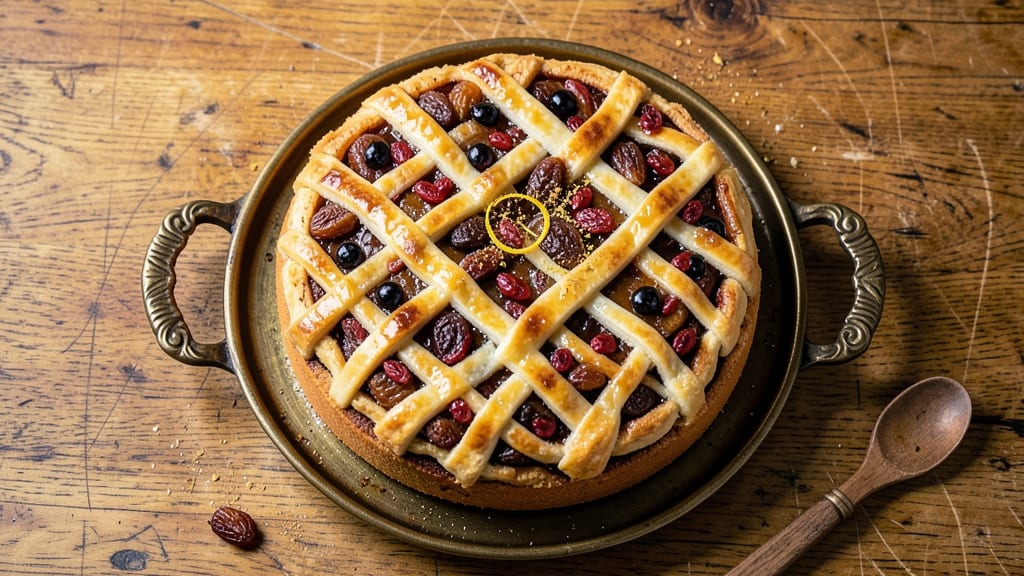
This Australian fruit cake recipe delivers the signature moistness and bold flavors that make it legendary—spiced with cinnamon, nutmeg, and candied citrus, then elevated by a boozy soak.
The secret lies in layering dried fruits and citrus zest throughout the batter, ensuring every slice bursts with complex, caramelized sweetness and warm spice notes. Unlike lighter cakes, this one develops deeper flavor over time, making it perfect for baking ahead and letting the alcohol infuse gradually.
The traditional method combines freshly grated citrus zest (lemon, orange, and mandarin) with a mix of dried fruits—raisins, sultanas, and currants—soaked overnight in brandy or rum for maximum moisture and richness.
A touch of baking soda in the batter creates that signature tender crumb, while the spices infuse warmth without overpowering. Most importantly, the cake bakes low and slow, ensuring even moisture distribution and a golden, crackly top.
What sets this apart is the two-step soaking process: first, the dried fruits steep in alcohol before baking, then the finished cake gets another soak in brandy or rum after cooling.
This transforms a dense fruit cake into something lusciously moist, with layers of citrus and spice that sing in every bite. The result? A cake that keeps well for months, improving with age as the flavors meld and the alcohol deepens.
For those with dietary needs, substitutions like gluten-free flour or vegan butter work well—though the traditional version remains unmatched in texture and flavor. Whether served at Christmas or as a year-round treat, this cake proves that patience and layering ingredients are the keys to perfection. Ready to bake?
Ingredients for australian fruit cake
Layered with citrus zest and soaked in rum—this cake delivers legendary moisture and spiced depth.
| Ingredient | Amount | Notes |
|---|---|---|
| All-Purpose Flour 🌾 | 3 cups | Sifted for light texture |
| Granulated Sugar 🍚 | 1 ½ cups | White or light brown |
| Light Brown Sugar 🍚 | ½ cup | Packed for moisture |
| Unsalted Butter 🧈 | 1 cup | Cold, cubed for creaming |
| Large Eggs 🥚 | 3 whole | Room temperature |
| Vanilla Extract 🌿 | 1 tbsp | Pure, high-quality |
| Baking Soda 🧂 | 1 tsp | Freshly opened |
| Ground Cinnamon 🌶️ | 1 tbsp | Freshly ground preferred |
| Ground Nutmeg 🌶️ | ½ tsp | Freshly grated |
| Ground Allspice 🌶️ | ½ tsp | For depth of flavor |
| Lemon Zest 🍋 | 1 tbsp | Freshly grated |
| Orange Zest 🍊 | 1 tbsp | Freshly grated |
| Mandarin Orange Zest 🍊 | 1 tbsp | Freshly grated |
| Dried Raisins 🍇 | 1 ½ cups | Plump, not shriveled |
| Sultanas 🍇 | 1 cup | Golden, plump |
| Currants 🍇 | ½ cup | Dark, seedless |
| Dark Rum 🍹 | 1 cup | 180-proof or higher |
| Brandy 🍷 | ½ cup | For soaking fruits |
The dried fruits are the heart of this cake, so quality matters. Penzeys Spices or bulk bins at Whole Foods carry the best raisins, sultanas, and currants—look for plump, evenly sized pieces with vibrant color. The zest should be freshly grated from organic lemons, oranges, and mandarins (the organic section at Trader Joe's has excellent citrus). For the alcohol, Bacardi 151 rum or Havana Club 7-year brandy elevate the flavor, but any good-quality 180-proof rum works. If you're short on time, soak the fruits in the alcohol for at least 4 hours, but overnight is ideal for maximum moisture infusion.
No rum? Bourbon or brandy works in a pinch, though the flavor profile shifts slightly. Short on currants? Substitute with additional raisins or chopped dried apricots. The spices are non-negotiable—pre-ground works, but freshly grinding nutmeg and allspice makes a noticeable difference. For the citrus zest, if you can't find mandarins, double the orange zest and add a touch of cardamom (½ tsp) for complexity. The baking soda must be fresh—if it's been sitting in your pantry for months, replace it. For gluten-free adaptation, substitute the flour with a 1:1 gluten-free blend, but expect a denser texture.
This cake improves with age, so bake it at least 2 days ahead for optimal flavor. Store wrapped tightly in an airtight container at room temperature for up to 3 months, or freeze for 6 months. The second soak in alcohol after baking is critical—plan for at least 4 hours before serving. For gifting, slice and wrap individually in parchment-lined boxes with a sprig of rosemary. The flavors deepen over time, making it perfect for holiday gifting or special occasions.
Why You'll Love This Recipe
- No Fuss Mixing: I swear by this recipe because it’s just flour, sugar, butter, and eggs—no weird ratios or last-minute ingredient hunts. The butter gets creamed with sugars until it’s light and fluffy (no stand mixer? A wooden spoon works just fine), and the dry ingredients fold in like a dream.
- Moisture Locked In: That brown sugar? It’s the secret weapon. Paired with the butter, it keeps this cake tender for weeks—no dry, crumbly disappointment. I’ve had slices from a cake made in December still taste fresh in February, wrapped in foil like a treasure.
- Occasion-Proof Any Day: Wedding? Check. Christmas gift? Done. Just add a dusting of powdered sugar or a drizzle of chocolate for fancy occasions, but honestly? It’s just as good plain. My son’s school bake sale? This was the star. No one cares if it’s "special"—they care that it’s delicious.
- Budget-Friendly Luxury: You’re basically making a cake for the price of takeout. The ingredients are pantry staples, and the cake feeds a crowd—perfect for potlucks or when you’re broke but want to impress. Plus, the leftovers? They’re the best kind: the ones people actually ask for seconds of.
Step-by-step instructions for Australian fruit cake
This method delivers a rich, moist fruit cake with perfect spice balance and citrus brightness.
Prepare the Fruit Mixture
In a large heatproof bowl, combine the 1.5 cups dried raisins, 1 cup sultanas, and 0.5 cup currants. Pour the 1 cup dark rum and 0.5 cup brandy over the fruits, ensuring they're fully saturated. Cover the bowl with plastic wrap and let it steep at room temperature for at least 4 hours—this allows the alcohol to penetrate and plump the dried fruits. For best results, I recommend steeping overnight in the refrigerator to enhance flavor extraction.
Here's the thing—proper soaking transforms these dried fruits into juicy, flavorful components. When you're ready to use them, drain the fruits in a fine-mesh strainer, pressing gently to remove excess liquid. Reserve the infused liquid in a small bowl—you'll use it later to maintain moisture in the cake. The fruits should be plump and glossy, indicating they've absorbed the alcohol properly.
Cream Butter and Sugars
In a stand mixer fitted with the paddle attachment, beat the 1 cup cold, cubed unsalted butter with the 1.5 cups granulated sugar and 0.5 cup packed light brown sugar on medium speed for 3-4 minutes. The mixture should become light, fluffy, and pale in color—this creaming process incorporates air, which creates a tender crumb. I press down on the butter occasionally to ensure even incorporation, especially with cold butter that resists blending at first.
This step is critical for achieving that signature Australian fruit cake texture. You'll know you've done it right when the mixture nearly doubles in volume and leaves clean sides on the bowl. If the butter hasn't fully incorporated after 4 minutes, continue mixing until smooth—under-creaming leads to dense, cakey results. The butter should be completely smooth with no visible lumps.
Add Eggs and Zests
Add the 3 room-temperature whole large eggs, one at a time, mixing on low speed after each addition until fully incorporated. Then add the 1 tbsp vanilla extract, 1 tbsp lemon zest, 1 tbsp orange zest, and 1 tbsp mandarin orange zest, mixing on low speed for 30 seconds until just combined. The citrus zests will add vibrant flavor and beautiful color to the finished cake.
I always use freshly grated zest for maximum flavor impact. The mixture will look slightly curdled after adding the eggs, but don't worry—this is normal. The citrus oils will infuse throughout the batter, creating that signature bright, citrusy profile that makes Australian fruit cakes so distinctive. Be careful not to overmix at this stage, as it can develop gluten and make the cake tough.
Combine Dry Ingredients
In a separate bowl, whisk together the 3 cups sifted all-purpose flour, 1 tbsp ground cinnamon, 0.5 tsp ground nutmeg, 0.5 tsp ground allspice, and 1 tsp baking soda. Sift the dry ingredients directly into the wet mixture with the mixer on low speed, mixing just until combined—you should still see some flour streaks. This prevents overdevelopment of gluten, which keeps the cake tender.
The reason we sift the flour is twofold: it aerates the batter and prevents dense pockets. I use a fine-mesh sieve for this step to ensure even distribution of the spices throughout the batter. Add the drained fruit mixture and any reserved rum mixture from earlier, mixing on low speed for another 30 seconds until everything is evenly incorporated. The batter should be thick but pourable—if it's too stiff, you may need to add 1-2 tablespoons of the reserved rum mixture to loosen it.
Bake to Golden Perfection
Preheat your oven to 325°F and grease a 9x5-inch loaf pan thoroughly with butter, then dust with flour. Pour the batter into the prepared pan and smooth the top with a spatula. Bake for 1 hour 15 minutes until a toothpick inserted in the center comes out clean. The cake should be golden brown on top and pull away slightly from the sides of the pan.
Here's where patience pays off: the cake needs to bake slowly to develop its signature moist texture. If the top browns too quickly, tent the pan with aluminum foil to prevent over-browning while allowing the center to cook through. For best results, I recommend baking the cake on the middle rack of your oven where heat is most consistent. Once done, remove from the oven and let it cool in the pan for 10 minutes before transferring to a wire rack to cool completely.
Pro Tips For Making Australian Fruit Cake
- Cream Butter Properly: Use a wooden spoon or rubber spatula to beat the butter and sugars until it’s pale and fluffy—about 3-5 minutes. I learned this the hard way: skipping this step means a dense cake that tastes like it’s still raw inside.
- Toast the Flour: Dry-toast the flour in a low oven (around 160°C/325°F) for 5-10 minutes before mixing it in. This removes moisture and prevents a gummy texture—my grandmother swore by it, and she was right.
- Don’t Overmix the Batter: Once the flour is folded in, stop mixing as soon as it’s just combined. Overworking it develops gluten, and that turns your moist fruit cake into a tough brick—yes, even if you’re impatient like me.
- Soak the Dried Fruit: Mix the dried fruit with a splash of rum (or orange juice) and let it sit overnight. This plumps them up and infuses flavor—skip this, and your cake will taste dry and bland, no matter how much butter you use.
Perfect pairings for this recipe
Boozy Glaze Finish
After baking, brush the warm cake with a simple glaze made from ½ cup apricot jam and 2 tbsp brandy, warmed together in a small saucepan. This creates a glossy, sticky surface that locks in moisture and adds another layer of citrus-spiced flavor.
For an extra touch, sprinkle flaky sea salt on top while the glaze is still wet—it balances the sweetness beautifully. 🍯
Citrus Cream Pairing
Serve slices with a dollop of orange cream made from ½ cup heavy cream, 2 tbsp powdered sugar, and 1 tsp orange zest. Whip the cream until soft peaks form, then fold in the zest and sugar.
This light, citrusy contrast cuts through the cake's richness while enhancing its natural flavors. Garnish with a few candied orange slices for visual appeal.
Spiced Tea Harmony
Pair your cake with a cup of chai-spiced tea made with Earl Grey tea bags, a pinch of cinnamon, and a splash of orange liqueur like Cointreau. The bergamot in the tea complements the citrus zest in the cake, while the cinnamon echoes the warm spices.
Serve warm for a comforting contrast to the dense, moist cake. ☕
Whipped Cream Alternative
For a lighter option, top slices with vanilla whipped cream lightly sweetened with 1 tsp powdered sugar and a pinch of cardamom. The cardamom adds depth that pairs perfectly with the cake's spice profile.
For extra flair, dust with edible gold leaf—it looks stunning and adds a subtle metallic note that elevates the presentation.
Coffee Contrast
If you prefer coffee, serve with a strong espresso or flat white made with dark roast beans like Blue Mountain. The bitterness of the coffee cleanses your palate between rich bites of cake, while the chocolate notes in the coffee complement the dried fruits.
Add a splash of rum to your coffee for an adult twist that ties back to the cake's boozy elements.
Seasonal Fruit Accents
In summer, add fresh berries like raspberries or blackberries to your plate. Their tartness contrasts perfectly with the cake's sweetness. For winter, try roasted pears or figs—their caramelized notes enhance the cake's spiced depth. Always serve the cake at room temperature for the best texture and flavor experience. 🍓
Nutrition facts
Frequently asked questions
Why does Australian fruit cake need to soak in alcohol?
The alcohol serves two key purposes: it plumps dried fruits and adds depth to the flavor. The rum or brandy breaks down the fibers in raisins, sultanas, and currants, making them juicier and more flavorful. Plus, the boozy soak after baking infuses the cake with aromatic notes that develop over time, creating that signature rich taste.
Can I make this cake without alcohol?
Yes! Replace the rum/brandy with apple juice or orange juice for the fruit soak, and use extra vanilla extract (2 tbsp) plus 1 tbsp orange liqueur substitute (like Triple Sec) in the batter. The cake will still be moist but will lack the complex depth alcohol provides. For the final soak, use extra juice or a simple syrup (equal parts sugar and water).
How do I store this cake for maximum flavor?
Wrap the fully cooled cake tightly in plastic wrap, then place it in an airtight container at room temperature. For best results, let it rest for 2-3 days before slicing—this allows flavors to meld. It keeps for up to 3 months this way. For longer storage, freeze slices wrapped individually for up to 6 months. Always bring to room temperature before serving.
Why does my cake turn out dry?
Dryness usually comes from overbaking or not soaking the fruits properly. Check your oven temperature (use an oven thermometer—many run hot). Bake until a toothpick comes out clean but not dry. Also ensure you're using the full amount of alcohol in the recipe and soaking the cake again after baking. For extra moisture, brush warm slices with simple syrup before serving.
What's the best way to slice this dense cake?
Use a hot, clean knife for perfect slices. Dip the knife in hot water, wipe dry, then slice through the cake—this prevents crumbling. For even cleaner cuts, chill the cake for 30 minutes before slicing. Serve pieces on a warm plate to enhance the aroma and keep the texture moist longer.