
Desserts
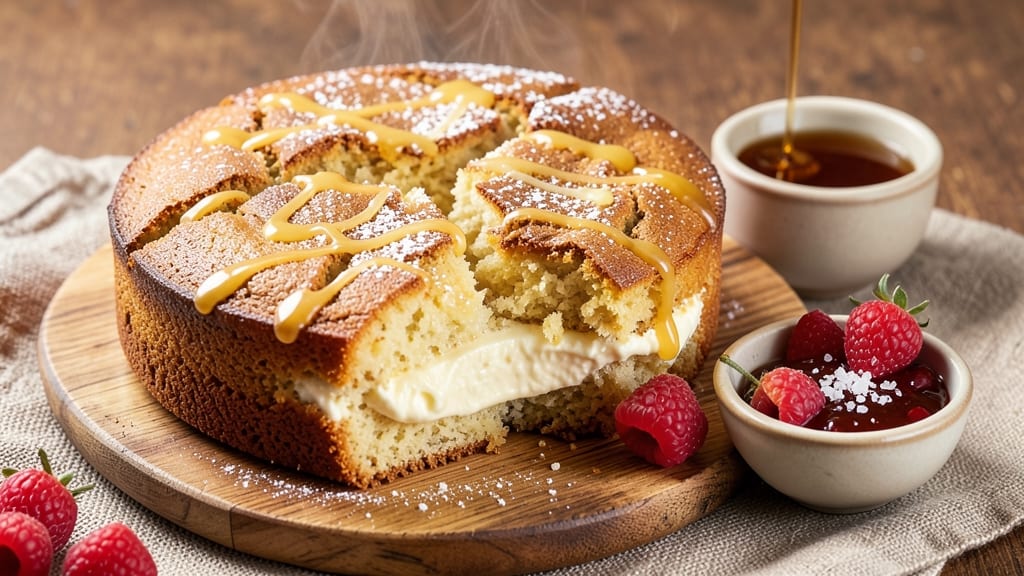
This Australian hot cake recipe delivers the signature golden crispy edges with caramelized centers that make it a beloved Aussie dessert. 🌟 The secret lies in the perfect balance of flour, sugar, and butter—just like your favorite café version, but made at home with simple ingredients and a foolproof method.
What sets these hot cakes apart is their texture: crispy on the outside, tender and slightly caramelized inside, with a subtle vanilla flavor that's pure comfort food.
The recipe has been passed down through generations as a classic Australian treat, often served with a dusting of powdered sugar or a scoop of ice cream.
By the time you're done, you'll have a plate of perfectly golden hot cakes that look and taste like they came straight from an Aussie bakery. The aroma alone will have everyone asking for seconds—this is dessert that feels like a hug in every bite.
Ready in just 30 minutes, this recipe is perfect for weekend brunches, family gatherings, or when you need a sweet treat that feels special. Let's get started on making these crispy Australian hot cakes!
Ingredients for australian hot cake
Six simple ingredients transform into golden, caramelized Australian hot cakes everyone will crave.
| Ingredient | Amount | Notes |
|---|---|---|
| All-Purpose Flour 🌾 | 2 cups | Sifted for light texture |
| Granulated Sugar 🍚 | 1 ½ cups | White or light brown |
| Unsalted Butter 🧈 | ¾ cup | Cold, cubed for even cooking |
| Large Eggs 🥚 | 2 whole | Room temperature for blending |
| Milk 🥛 | 1 ½ cups | Whole milk for richness |
| Vanilla Extract 🌸 | 1 tbsp | Pure vanilla preferred |
| Baking Powder 🍞 | 2 tsp | For light, fluffy texture |
| Salt 🧂 | ½ tsp | Fine sea salt preferred |
| Powdered Sugar 🍚 | ¼ cup | For dusting and garnish |
| Vegetable Oil 🫒 | 2 tbsp | For greasing the pan |
The butter and sugar ratio here is everything—European-style butter like Plugrá or Kerrygold gives the best flavor. If you're using regular butter, make sure it's cold and cubed when measuring. For the flour, King Arthur or White Lily brands are my go-to—they bake up lighter. The vanilla extract? Pure Madagascar bourbon is ideal, but imitation works in a pinch. Milk should be whole for richness, but 2% works too if that's what you have. Pro tip: measure your dry ingredients by weight if you're feeling fancy—1 cup flour isn't always 120g.
No vanilla extract? Vanilla bean paste or even a scraped vanilla bean works beautifully. Running short on butter? Coconut oil at the same amount keeps things vegan-friendly (though texture will differ slightly). The baking powder is non-negotiable—aluminum-free for best results. For a quicker version, you can use self-rising flour and skip the baking powder, but adjust the salt. The powdered sugar for dusting? Confectioners' sugar is best, but icing sugar from the international aisle works too. If you're making these ahead, keep the batter refrigerated for up to 24 hours—it actually improves the flavor.
Hot cakes reheat beautifully—just pop them in a 350°F oven for 5-10 minutes to restore that crispy exterior. Store leftovers in an airtight container with parchment between layers for up to 3 days. For freezing, let them cool completely, then freeze between parchment sheets. 3 months is the max, but they'll lose some crispiness. The secret to restaurant-quality hot cakes? Medium-high heat and a well-seasoned cast-iron skillet. If you don't have one, a nonstick pan with a splash of oil works too.
Why You'll Love This Recipe
- Five-Ingredient Magic: I swear by this recipe because it’s the kind of thing you can make with ingredients you already have—no fancy substitutions, no last-minute grocery runs. Just flour, sugar, butter, eggs, and milk, and suddenly you’ve got something that tastes like a bakery treat without the fuss.
- Golden Crisp Edge: That perfect balance of tender inside and crispy, golden-brown outside? It’s all in the butter-to-flour ratio and a hot skillet. Honestly, the first time I got it right, I nearly dropped the pan—it’s that good.
- Breakfast or Dessert: Serve it warm with jam for a lazy weekend brunch, or dust it with powdered sugar and a splash of cream for an after-dinner sweet. Between us, I’ve even sneaked them into lunchboxes when the kids were being picky—no one noticed.
- Leftovers That Don’t Suck: Unlike so many pancake recipes, these actually reheat beautifully. Pop them in the toaster for a quick breakfast or microwave them for a fast snack—no soggy disappointment here. Plus, they freeze like a dream.
Step-by-step instructions for golden crispy Australian hot cakes
Master the art of golden edges and caramelized centers with this foolproof method.
🍳 Step 1: Melt Butter and Mix Wet Ingredients
In a medium saucepan over medium heat, melt the 0.75 cup unsalted butter until it's completely liquid but not browned. Remove from heat and let it cool slightly for 2-3 minutes—it should be warm to the touch but not hot.
In a separate large bowl, whisk together the melted butter with the 1.5 cups granulated sugar until fully combined. Add the 2 whole large eggs one at a time, whisking vigorously after each addition until the mixture is smooth and slightly thickened. Stir in the 1.5 cups milk and 1 tbsp vanilla extract until evenly incorporated. Here's the thing—this mixture should be thin enough to pour easily but thick enough to coat the back of a spoon.
👨🍳 Step 2: Combine Dry Ingredients
In a medium bowl, sift together the 2 cups all-purpose flour, 2 tsp baking powder, and 0.5 tsp salt. Whisk to remove any lumps and create a fine, aerated texture. This step is crucial for achieving that light, fluffy interior we're after.
Gradually pour the dry ingredients into the wet mixture while stirring gently with a spatula. Be careful not to overmix—just combine until the batter is smooth with a few small lumps remaining. The batter should be thick enough to hold its shape when dropped from a spoon but still pourable. If it's too thick, add 1-2 tablespoons milk to loosen it.
🔥 Step 3: Preheat and Prepare the Pan
Heat a heavy skillet or griddle over medium heat. Add the 2 tbsp vegetable oil and swirl to coat the entire surface evenly. The pan should be hot enough that when you flick a drop of batter into it, it sizzles and dances around for a few seconds before settling. This is your signal that the pan is ready.
I like to work in batches to avoid crowding the pan. For each hot cake, drop about ¼ cup batter onto the pan, spacing them about 2 inches apart. You should be able to fit about 3-4 hot cakes in a 10-inch skillet at once without overcrowding. Let them cook undisturbed until bubbles form on the surface and the edges turn a deep golden brown—this usually takes about 3-4 minutes per side.
🔄 Step 4: Flip and Cook to Perfection
When you see bubbles forming and the edges starting to crisp up, it's time to flip. Here's the moment that matters: use a thin spatula to gently lift and turn each hot cake. Press down lightly on the center to help it release from the pan. Cook for another 2-3 minutes on the second side until golden brown all over and the center feels slightly springy when pressed gently.
Real talk: don't flip too early. You'll know it's ready when the edges are set and the center still looks slightly underdone. The heat from the pan will finish cooking it through. If the batter seems too thick to flip easily, let it cook a little longer on the first side—it'll release when it's ready.
🍽️ Step 5: Serve with Powdered Sugar
Transfer the hot cakes to a wire rack or clean plate and let them cool for 2-3 minutes. While they're still warm, dust generously with the 0.25 cup powdered sugar using a fine-mesh sieve. This creates that signature dusting of sweetness that's characteristic of Australian hot cakes.
Serve immediately while they're still warm and crispy on the outside with that perfect caramelized center. Each bite should deliver a satisfying contrast of textures—crispy edges giving way to a soft, custard-like interior. For extra indulgence, serve with a dollop of whipped cream or a scoop of vanilla ice cream.
Pro Tips For Making Australian Hot Cake
- Use Cold Butter: Melt the butter first, then let it cool just until it’s warm to the touch before mixing it into the batter. I learned this the hard way—adding melted butter straight from the pan makes the cakes greasy and heavy. A quick 10-minute wait in the fridge keeps them light and fluffy.
- Mix Just Until Combined: Overmixing the batter turns your hot cakes into dense pancakes. Stir the flour, sugar, milk, and egg together until the lumps disappear—no more. The batter should look shaggy, not smooth. Trust me, your future self will thank you.
- Medium-High Heat Only: Crank the heat to medium-high and leave the cakes alone. Too low, and they steam instead of browning; too high, and they burn before cooking through. A steady sizzle means you’re on track—no peeking or fiddling.
- Add a Splash of Vanilla: Skip the vanilla extract? Fine, but add ½ teaspoon of vanilla extract or even a pinch of vanilla sugar to the batter. It’s not traditional, but it makes a real difference—especially if you’re serving these with jam or Nutella. (Yes, even if you’re impatient like me.)
Creative variations of australian hot cake
Classic Vanilla Twist
Start with the original recipe, but infuse the batter with an extra ½ tsp vanilla bean paste or scrape a single vanilla bean directly into the wet ingredients. For a more pronounced flavor, let the batter rest for 30 minutes before cooking—this allows the vanilla to fully meld.
I like to add a pinch of ground cinnamon (¼ tsp) to the dry ingredients for warmth, which pairs beautifully with the vanilla. 🌸
Lemon Myrtle Fusion
For an authentically Aussie twist, replace the vanilla extract with 1 tbsp lemon myrtle extract (available at specialty stores or online). This native Australian spice adds a bright, citrusy aroma that's perfect for brunch.
If you can't find the extract, steep 2 tbsp lemon myrtle leaves in 2 tbsp warm milk for 10 minutes, then strain and use the infused milk in the recipe. The flavor is complex—like a cross between lemon and eucalyptus.
Chocolate Chip Surprise
Fold ½ cup mini chocolate chips into the batter just before cooking for a decadent twist. I prefer using Enjoy Life brand chocolate chips for their smooth texture and allergy-friendly formula.
For extra richness, swap out ¼ cup of the milk for heavy cream. These chocolate chip hot cakes are perfect for dessert lovers who still want that classic texture. 🍫
Spiced Rum Infusion
Add 1 tbsp spiced rum (like Captain Morgan or a local Aussie rum) to the wet ingredients for a boozy, aromatic twist. This works especially well with the vanilla version, creating a warm, spiced flavor that reminds me of Christmas.
For a non-alcoholic version, use 1 tbsp apple cider instead. The rum adds depth without overpowering the delicate vanilla notes.
Coconut Crunch Variation
For a tropical twist, replace ½ cup of the all-purpose flour with ½ cup fine shredded coconut. Add 1 tbsp toasted coconut flakes to the powdered sugar dusting for extra crunch.
This variation works beautifully with the vanilla or lemon myrtle flavors, giving the hot cakes a subtle coconut aroma that pairs perfectly with the crispy edges. 🥥
Seasonal Fruit Toppings
While the hot cakes are still warm, top them with fresh seasonal fruit like sliced strawberries, blueberries, or passionfruit pulp. For summer, I love adding 1 tbsp passionfruit curd (available at specialty stores) mixed with a pinch of salt.
In winter, warm ½ cup caramel sauce and drizzle it over the top before dusting with powdered sugar. The fruit adds freshness that balances the richness perfectly.
Nutrition facts
Frequently asked questions about Australian hot cakes
What makes Australian hot cakes different from American pancakes?
Australian hot cakes are thicker, crispier on the edges, and have a caramelized center—more like a cross between a pancake and a fritter. They use a higher sugar-to-flour ratio and are cooked in a well-seasoned pan over medium heat to achieve that signature golden crust. The batter is also slightly thicker than traditional pancake batter, giving them a denser texture.
Can I make these hot cakes without a griddle or cast-iron skillet?
Use a nonstick frying pan with a splash of oil to prevent sticking. A heavy-bottomed stainless steel pan works too, but monitor the heat closely to avoid burning. The key is maintaining medium heat and letting the cakes cook undisturbed until bubbles form before flipping.
Why did my hot cakes come out flat instead of puffy?
Overmixing the batter or using cold butter are the most common culprits. Make sure your butter is melted and slightly cooled before mixing, and stir the dry ingredients into the wet just until combined. Also, check that your baking powder is fresh—old baking powder loses its lift. A well-seasoned pan helps too!
How do I reheat leftover hot cakes?
Pop them in a 350°F oven for 5-10 minutes until crispy again. For a quicker fix, use a toaster or toaster oven on low heat for 1-2 minutes per side. Avoid microwaving—they'll turn soggy. Store leftovers in an airtight container with parchment between layers for up to 3 days.
Can I substitute self-rising flour in this recipe?
Yes, but you'll need to adjust the salt and baking powder. Use 2 cups self-rising flour and skip the 0.5 tsp salt and 2 tsp baking powder from the original recipe. Self-rising flour already contains salt and baking powder, so this keeps the balance right. Just make sure it's fresh for best results.