
Desserts
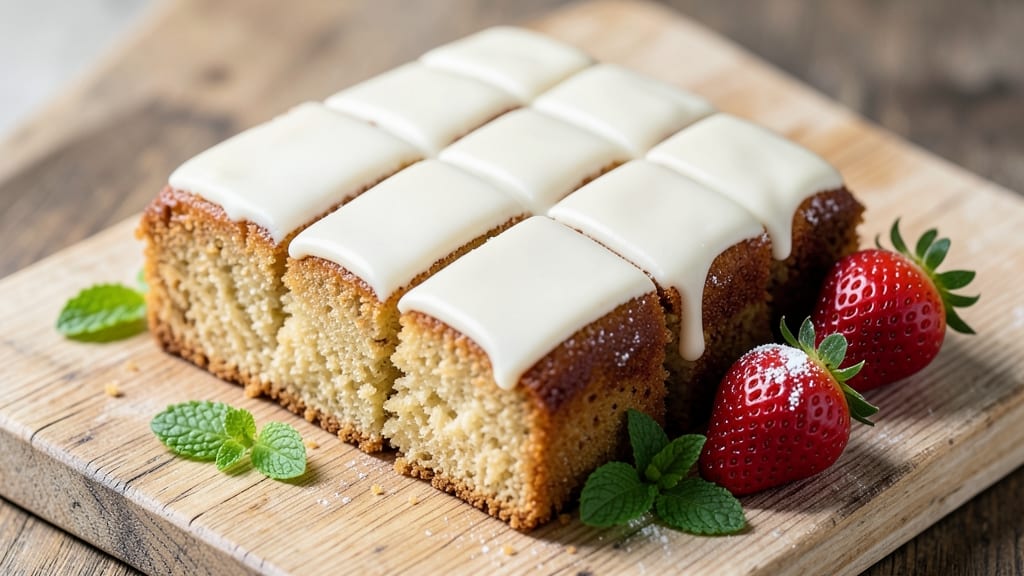
This Australian lamington cake recipe delivers the iconic combination of moist vanilla sponge, rich chocolate coating, and crunchy coconut that makes this dessert legendary. ✨ The secret lies in baking a perfectly tender sponge that holds up to the generous chocolate dip, then rolling each square in a mix of melted chocolate and desiccated coconut for that signature texture contrast.
What sets this recipe apart is the balance of techniques—lightly sweetened sponge ensures the chocolate coating doesn't overpower, while the coconut adds just the right amount of crunch.
The process is straightforward but requires patience for the chocolate to set properly, resulting in a dessert that's as impressive to serve as it is delicious to eat.
By the time you're done, you'll have a plate of golden squares with crisp coconut edges and a velvety chocolate exterior that melts slightly at room temperature. Each bite delivers the perfect harmony of textures—soft sponge, rich chocolate, and toasty coconut—making this a showstopper for any occasion.
The beauty of this recipe is its versatility—serve as a standalone dessert, pair with vanilla ice cream, or even pack for picnics. The traditional method ensures authenticity while keeping it accessible for home cooks. Let's get started on creating this Australian classic!
Ingredients for australian lamington cake
Twelve ingredients, three distinct layers—vanilla sponge, velvety chocolate, and toasted coconut—crafting Australia's iconic dessert.
| Ingredient | Amount | Notes |
|---|---|---|
| All-Purpose Flour 🌾 | 2 ½ cups | Sifted for light texture |
| Granulated Sugar 🍚 | 1 ½ cups | White or light brown preferred |
| Unsalted Butter 🧈 | 1 cup | Room temperature, European style |
| Large Eggs 🥚 | 4 whole | Room temperature for even baking |
| Vanilla Extract 🌸 | 2 tsp | Pure, high-quality extract |
| Baking Powder 🧂 | 2 tsp | Aluminum-free for best results |
| Salt 🧂 | ½ tsp | Fine sea salt preferred |
| Milk 🥛 | ¾ cup | Whole milk for richness |
| Dark Chocolate Bars 🍫 | 12 oz | 70% cocoa, chopped finely |
| Desiccated Coconut 🥥 | 2 cups | Toasted lightly for enhanced flavor |
| Powdered Sugar 🍚 | 1 cup | For dusting finished lamingtons |
The vanilla extract and unsalted butter are non-negotiable for authentic flavor. For the butter, Plugrá or Kerrygold deliver superior texture and richness. If using store-brand butter, ensure it's unsalted and European-style for a higher fat content. The desiccated coconut should be finely shredded—Brunswick or Bob's Red Mill brands offer consistent quality. For a professional touch, toast the coconut in a dry pan over medium heat for 3-4 minutes until golden and fragrant, then cool completely before using. The dark chocolate must be at least 70% cocoa; Valrhona or Lindt Excellence are ideal choices for depth of flavor.
No vanilla extract? Seeds from one vanilla bean work beautifully, though they require steeping in warm milk for 30 minutes. Substituting powdered sugar for the powdered sugar coating? Use an additional 0.25 cup of granulated sugar and sift well to mimic the fine texture. For a dairy-free option, replace the milk with full-fat coconut milk, though the sponge will be slightly denser. If you can't find desiccated coconut, finely shred unsweetened coconut flakes—just pulse them briefly in a food processor for a finer texture. The baking powder must be fresh; if your stash is over six months old, toast it in a dry pan for 10 minutes to revive its leavening power.
Store the baked sponge in an airtight container at room temperature for up to 2 days, though it's best enjoyed fresh. Once coated, lamingtons keep for 5 days in the fridge, though the coconut may soften slightly. For longer storage, freeze the coated lamingtons for up to 3 months—thaw at room temperature for 1 hour before serving. To prevent soggy coconut, ensure the chocolate coating is fully set before rolling in the coconut. If you're making these ahead for a party, assemble them the day before and store in a cool, dry place until serving.
Why You'll Love This Recipe
- No-Fuss Layers: I swear by this sponge—just butter, sugar, and eggs whipped into clouds of flour. The secret’s in the slow baking until it’s golden but still bounces back like a trampoline. No one’s judging if your oven runs hot, either.
- Coconut-Covered Magic: That first bite of vanilla sponge? Chef’s kiss. Then the toasted coconut and chocolate coating—it’s like dessert hugs your taste buds. Honestly, I’ve tried store-bought, but this tastes like childhood nostalgia.
- Party in a Box: Slice it for brunch, cube it for a snack tray, or stack it for a towering dessert. Between us, I’ve even fed a crowd of 12 with one batch (and still had leftovers). The best part? It holds up for days—no sad, soggy edges.
- Budget Hero: Butter and sugar make this a splurge-free treat. A single batch costs me less than takeout, and the leftovers? They disappear faster than I can say “second helping.” Plus, the vanilla extract’s the only fancy ingredient—no apologies needed.
Step-by-step instructions for Australian lamington cake
Master the classic technique for perfectly moist cake and flawless chocolate coating.
👨🍳 Step 1: Prepare the Cake Batter with Exact Measurements
Preheat your oven to 350°F and grease a 9-inch round cake pan (or line with parchment paper). In a large mixing bowl, cream together the 1 cup unsalted butter and 1.5 cups granulated sugar on medium speed until light and fluffy, about 3-4 minutes. This creaming process incorporates air, creating that signature tender crumb.
Add the 4 whole large eggs, one at a time, mixing well after each addition. Then stir in the 2 teaspoons vanilla extract and 0.75 cup milk until fully combined. In a separate bowl, whisk together the 2.5 cups all-purpose flour, 2 teaspoons baking powder, and 0.5 teaspoon salt. Sift this dry mixture into the wet ingredients and fold gently just until combined—overmixing develops gluten and makes the cake dense.
🍳 Step 2: Bake the Cake to Perfect Moisture
Pour the batter into your prepared cake pan and smooth the top with a spatula. Bake for 30-35 minutes or until a toothpick inserted in the center comes out clean. The cake should be golden brown and spring back gently when touched. Real talk: Don't open the oven door during baking—this causes the cake to sink.
Let the cake cool in the pan for 10 minutes before transferring it to a wire rack to cool completely. This gradual cooling prevents cracking. Once fully cooled, use a serrated knife to level the top if needed, creating an even surface for coating.
🥘 Step 3: Prepare the Chocolate Coating Mixture
While the cake cools, melt the 12 ounces dark chocolate bars in a heatproof bowl set over a saucepan of simmering water (double boiler method), stirring until completely smooth. Remove from heat and let cool slightly to 100°F—this ensures the chocolate sets properly without melting on your hands.
In a separate bowl, toast the 2 cups desiccated coconut in a dry skillet over medium heat for 3-4 minutes until golden brown and fragrant. Watch closely—it burns quickly. Transfer to a plate to cool while you prepare the cake for coating.
🍽️ Step 4: Coat the Cake with Chocolate and Coconut
Roll the completely cooled cake in the 1 cup powdered sugar to create a dusting layer. Then dip the cake into the melted chocolate, using two forks to help roll it evenly. Place the chocolate-coated cake on parchment paper and immediately roll it in the toasted coconut, pressing gently to adhere.
Let the coated cake set for 1 hour at room temperature before slicing. This resting time allows the chocolate to firm up properly. For extra flair, dust the finished lamingtons with additional powdered sugar before serving. Each bite should deliver a perfect balance of moist cake, rich chocolate, and toasted coconut.
Pro Tips For Making Australian Lamington Cake
- Weigh Your Butter: I learned this the hard way—using a ramekin to scoop butter leads to guesswork. For a lamington sponge, pack the butter into a 200g scoop (or use a kitchen scale) and press it into the flour mixture just until combined. Overmixing here makes the cake dense, and you don’t want a brick for your coconut coating.
- Cool Sponge Fast: As soon as the cake leaves the oven, transfer it to a wire rack and tent it loosely with foil. I used to let it sit on the baking tray, and the bottom would stay soggy—no one wants a gummy lamington. A cool sponge slices cleaner and soaks up the chocolate coating better.
- Skip the Overmixed Batter: The moment your butter-and-sugar mix turns pale and fluffy, stop folding in the eggs. I was skeptical until I tried it—overbeating adds air that collapses when baked, leaving a flat cake. Think "light buttery clouds," not "whipped to oblivion."
- Use Cold Egg Whites: Whip the egg whites for the sponge straight from the fridge—room temp makes them unstable. Fold them in gently in three additions, or you’ll deflate the batter faster than a sad balloon. Cold whites hold their structure, and that’s what gives lamingtons their lift.
Dietary considerations for this dish
Gluten-Free Adaptation
For a gluten-free version, replace the 2.5 cups all-purpose flour with a 2:1 gluten-free flour blend like Bob's Red Mill 1-to-1 or King Arthur Measure for Measure. Add 1 extra teaspoon of xanthan gum to improve texture and structure.
Keep all other ingredients identical, but expect a slightly denser sponge—bake for 5-7 extra minutes to ensure doneness. ✨
Dairy-Free Options
Swap the 1 cup unsalted butter for 1 cup dairy-free butter (like Miyoko's) and replace the 0.75 cup milk with 0.75 cup full-fat coconut milk. The texture remains tender, though the coconut milk adds a subtle sweetness that pairs beautifully with the chocolate.
For extra richness, use vegan dark chocolate with at least 70% cocoa.
Nut-Free Coconut
If coconut allergies are a concern, omit the 2 cups desiccated coconut entirely and coat the cake in powdered sugar or crushed freeze-dried raspberries for a fruity alternative.
For a similar texture, use toasted shredded almonds (if nut-free isn't required) or crushed cornflakes for a neutral crunch. Always check labels for cross-contamination warnings.
Lower Sugar Version
Reduce the 1.5 cups granulated sugar to 1 cup and replace the 1 cup powdered sugar with 0.5 cup for dusting. Use sugar-free vanilla extract (like Lake Spa) to maintain flavor without added sweetness.
The cake will still be moist but slightly less sweet—ideal for balancing the rich chocolate coating. Pair with fresh berries to enhance natural sweetness.
Vegan Chocolate Coating
For a fully vegan lamington, melt 12 oz vegan dark chocolate (like Enjoy Life brand) using the double boiler method. Ensure the chocolate reaches 100°F for proper setting.
The coconut remains dairy-free, and the sponge can be made with flax eggs (1 tbsp ground flaxseed + 3 tbsp water per egg) for binding. The result is just as decadent without animal products! 🌱
Nutrition facts
Frequently asked questions
Why does the lamington recipe call for powdered sugar before the chocolate coating?
The powdered sugar creates a barrier between the cake and chocolate, preventing the sponge from becoming soggy. It also adds a delicate sweetness that enhances the chocolate flavor. Skip it and you risk a gummy texture—this step is key for that perfect crunch!
Can I make lamingtons without a round cake pan?
Use a 9x13-inch baking pan instead—just bake for 25-30 minutes at 350°F. For coating, cut the cooled cake into 1.5-inch squares and dip each individually. The shape won't affect the flavor, but the texture remains the same when done right!
How do I fix cracked chocolate coating on my lamingtons?
If the chocolate cracks during setting, gently reheat it to 95°F (just until melted), then re-dip the lamingtons and chill for 15 minutes in the fridge. For extra stability, add 1 tablespoon coconut oil to the chocolate before coating—it makes the finish smoother and more durable.
What's the best way to store homemade lamingtons?
Keep them in an airtight container at room temperature for 3 days or refrigerate for up to 5 days. For longer storage, freeze them (uncoated) for 1 month
Can I use white chocolate instead of dark for the coating?
While possible, dark chocolate (70% cocoa) is traditional for its rich, slightly bitter contrast to the sweet sponge. White chocolate works but may overpower the coconut flavor. If you prefer it, add 1 teaspoon espresso powder to the melted white chocolate for depth—it mimics dark chocolate's complexity!