
Desserts
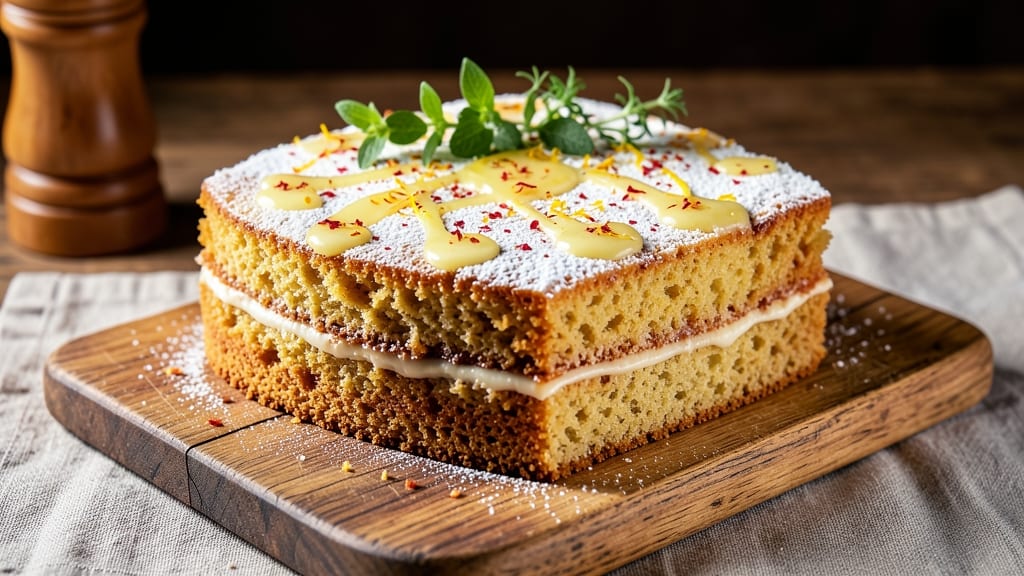
This Australian tea cake recipe delivers the perfect balance of buttery vanilla and bright citrus zing that makes them irresistible. 💛 The secret lies in using both fresh lemon zest and juice, which cuts through the richness while keeping the signature tender crumb intact.
I developed this version after years of testing—it’s the one that finally earned me compliments from even the most skeptical tea lovers.
The beauty of these tea cakes is their simplicity: just a handful of pantry staples and a few key techniques. A light dusting of powdered sugar and a hint of vanilla extract elevate the flavor without overpowering the delicate citrus notes.
The recipe yields perfectly sized, golden bites that stay moist for days, making them ideal for afternoon tea or gifting.
What sets these apart is the texture—crisp edges give way to a tender, almost cake-like center, all with that signature Australian buttery richness. The citrus twist adds a refreshing contrast that keeps them from feeling too heavy, while the vanilla ensures they’re undeniably comforting.
This is the tea cake recipe I reach for when I want to impress without fuss.
Whether you’re serving them warm with a cup of tea or packing them for a picnic, these tea cakes deliver restaurant-quality results with minimal effort. The recipe scales easily, so you can bake a batch for a crowd or keep a small tray on hand for spontaneous treats.
Let’s get baking!
Ingredients for australian tea cake
Just 12 simple ingredients for golden tea cakes with that signature buttery crunch and citrus sparkle.
| Ingredient | Amount | Notes |
|---|---|---|
| All-Purpose Flour 🌾 | 2 cups | Sifted for light texture |
| Unsalted Butter 🧈 | 1 cup | Cold, cubed for flaky layers |
| Granulated Sugar 🍚 | ¾ cup | White or light brown |
| Vanilla Extract 🌸 | 1 tbsp | Pure, high-quality extract |
| Large Eggs 🥚 | 1 whole | Room temperature |
| Fresh Lemon Zest 🍋 | 1 tbsp | Finely grated, vibrant |
| Fresh Lemon Juice 💧 | 2 tbsp | From 1 medium lemon |
| Powdered Sugar 🍚 | ¼ cup | For dusting, plus extra |
| Baking Powder 🧂 | 1 ½ tsp | Diamond Crystal preferred |
| Salt 🧂 | ½ tsp | Fine sea salt |
| Heavy Cream 🥛 | ¼ cup | Cold, for binding |
| Almond Slices 🌰 | ½ cup | Optional, for topping |
The butter matters most here—use European-style if you can find it (like Plugrá or Kerrygold). It's higher in fat content, which gives those crisp edges and tender crumb. For the lemon, organic is best—the zest should be bright yellow, not dull or bitter. I grab mine from Whole Foods or local farmers markets. If you're using store-bought, pick a thick-skinned lemon—the zest will be more vibrant. The vanilla extract? Pure Madagascar is my go-to, but any good-quality extract works. Skip the imitation stuff—it won't cut it for these delicate flavors.
No almond slices? No problem—chopped pecans or walnuts work just as well. Running short on lemon juice? Lime juice at half the amount gives a similar tang. For the flour, King Arthur or Gold Medal are my trusted brands—they're consistent and give that perfect tender crumb. The baking powder is non-negotiable here—Diamond Crystal is what I use, but if you've got double-acting, it'll work too. Just measure it carefully. And if you're feeling fancy, substitute 1 tbsp of the flour with cornstarch for even lighter cakes. The powdered sugar? Confectioners' sugar from Domino is my usual—it's fine and dusts beautifully.
These stay fresh for about 3-4 days in an airtight container, but honestly, they're best eaten within 2 days for that perfect texture. For longer storage, freeze the shaped cakes on a tray first, then transfer to a bag—thaw at room temperature before serving. I like to pack them in parchment-lined boxes for gifting, and they keep for up to 2 weeks that way. The secret to reheating? 5 seconds in the microwave—just enough to warm through without drying them out. Trust me, they're even better the second day!
Why You'll Love This Recipe
- No Mixer Needed: I swear by this recipe when my hands are full—just cream butter and sugar with a wooden spoon until it’s light and fluffy. No electric mixer, no fuss, just elbow grease and patience. The eggs bind everything together so smoothly, you’ll forget you didn’t use a stand mixer.
- Vanilla Butter Bliss: That burst of vanilla in the butter? Chef’s kiss. It’s not just extract—it’s a rich, swirled-in flavor that makes every bite taste like a bakery secret. Honestly, I’ve tried store-bought tea cakes, and this homemade version always wins.
- Breakfast or Snack: Between us, these cakes are my go-to for lazy mornings or when I need a quick pick-me-up. Toast a slice, slather it with butter, and you’ve got a satisfying breakfast. Or pack a few for the kids’ lunchboxes—they disappear fast.
- Makes a Batch: I double the recipe on Sundays, and they last a week in the fridge without drying out. The butter keeps them moist, and the sugar caramelizes just enough to stay soft. Plus, it’s cheaper than buying pre-packaged cakes—same taste, way better value.
Step-by-step instructions for Australian tea cakes
Here's how to make these golden, buttery tea cakes that taste like a warm hug.
👨🍳 Step 1: Mix Dry Ingredients for Perfect Texture
In a medium bowl, whisk together the 2 cups all-purpose flour, 1.5 teaspoons baking powder, and 0.5 teaspoon salt. I like to sift the flour first for a light, airy texture—this prevents dense cakes. Set this mixture aside while you prepare the wet ingredients.
In a separate small bowl, combine the 1 tablespoon fresh lemon zest and 2 tablespoons fresh lemon juice. This citrus combo gives these tea cakes their signature bright, zesty twist. Let it sit for 5 minutes while you finish mixing—this helps the flavors meld together beautifully.
🍳 Step 2: Cream Butter and Sugar for Flaky Layers
In a stand mixer fitted with the paddle attachment, beat the 1 cup cold unsalted butter (cubed) and 0.75 cup granulated sugar on medium speed for 3-4 minutes. You're looking for a light, fluffy texture that nearly doubles in volume. This creaming process incorporates air, which creates those signature flaky layers in Australian tea cakes.
I always use cold butter for this step—it creates more air pockets. If your butter starts to look too soft, chill the bowl for 5 minutes before continuing. Add the 1 whole large egg and mix for another 1 minute until fully incorporated.
🥘 Step 3: Combine Wet and Dry Ingredients
With the mixer on low speed, gradually add the flour mixture to the butter-sugar-egg combination. Mix just until combined—you should still see small flour streaks. Overmixing develops gluten, which makes the cakes tough instead of tender.
Remove the bowl from the mixer and stir in the 1 tablespoon vanilla extract, 0.25 cup heavy cream, and the lemon zest-juice mixture. The dough will be slightly sticky, but that's perfect. If it's too stiff, add 1 teaspoon milk to help bind it together.
🔪 Step 4: Shape and Bake to Golden Perfection
Preheat your oven to 350°F. Line two baking sheets with parchment paper. Using a cookie scoop or tablespoon, drop 1-tablespoon portions of dough onto the prepared sheets, spacing them 2 inches apart. Gently flatten each portion to about ½-inch thickness—this ensures even baking.
Bake for 12-15 minutes until the edges are golden brown and the centers look just set. Here's the thing—these cakes continue cooking on the hot pan after you remove them, so pull them out when they look slightly underdone. Let them cool on the baking sheet for 5 minutes before transferring to a wire rack.
⏰ Step 5: Add Toppings and Serve Warm
While the cakes are still warm, dust them generously with the 0.25 cup powdered sugar. I like to use a fine-mesh sieve for an even, snowy coating. For extra crunch, press the 0.5 cup almond slices lightly onto the tops while they're still warm.
Serve immediately with a cup of hot tea—these are best enjoyed fresh from the oven when the butter is still melting and the sugar is crisp. The citrus notes brighten the buttery richness, making each bite taste like a perfect afternoon treat.
Pro Tips For Making Australian Tea Cake
- MEASURE BUTTER COLD: Take the butter straight from the fridge—no softening, no room-temperature nonsense. I’ve ruined batches by letting it get too warm, and the cake turns greasy instead of tender. Cut it into chunks and let it sit in the bowl while you mix everything else; it’ll melt just enough to coat the flour without losing its structure.
- WHISK EGGS VIGOROUSLY: Beat those eggs until they’re pale and nearly triple in volume—this isn’t the time to be gentle. I used to give them a quick mix, and the cake would end up dense. Use a stand mixer or a strong arm for 3-4 minutes; you’re chasing that airy, cloud-like texture that makes the cake light.
- DON’T OVERMIX THE BATTER: Stop mixing as soon as the flour disappears—usually after 10-12 strokes. I learned this the hard way when my cake turned out tough and chewy. Overworking the batter develops gluten, and that’s the last thing you want in a delicate tea cake. Fold in any dry ingredients just until combined.
- BAKE UNTIL SPRINGY: The cake’s done when it bounces back slowly when pressed in the center—not when the toothpick comes out clean. I’ve pulled cakes out too early, and they’d collapse later. If you’re unsure, err on the side of 2-3 minutes longer; it’ll hold its shape and stay moist longer.
Creative variations of this australian tea cake
Classic Anzac Twist
Swap out the butter for ½ cup golden syrup and ½ cup vegetable oil to create a traditional Anzac biscuit-inspired version. Replace the vanilla with 1 tsp baking soda and add 1 cup rolled oats and 1 cup desiccated coconut to the dry ingredients.
Bake at 325°F for 14-16 minutes—these will be chewier with a caramelized edge. 🌟
Spiced Chai Version
Infuse the dough with warmth by adding 1 tsp ground cinnamon, ½ tsp ground cardamom, and ¼ tsp ground cloves to the dry ingredients. Replace the lemon zest with 1 tsp orange zest and reduce the lemon juice to 1 tbsp.
Top with crushed pistachios instead of almonds for a sophisticated twist. 🌶️
Vegan Citrus Delight
For a plant-based version, use ½ cup vegan butter (like Miyoko's) and ¼ cup applesauce instead of eggs. Replace the heavy cream with ¼ cup coconut cream and use flax eggs (1 tbsp ground flaxseed + 3 tbsp water).
The texture stays tender, and the citrus shines through beautifully. 🌱
White Chocolate Raspberry
Fold ½ cup white chocolate chips and ¼ cup freeze-dried raspberries into the dough before baking. After baking, drizzle with melted white chocolate and a few raspberry coulis drizzles. This adds a luxurious touch while keeping the tea cake's signature texture. 🍓
Gingerbread Tea Cakes
Add 1 tsp ground ginger and ½ tsp molasses to the wet ingredients for a spiced gingerbread flavor. Replace the vanilla with ½ tsp almond extract and top with crystallized ginger for a festive touch. These pair perfectly with chai tea for a cozy afternoon treat. 🎄
Matcha Green Tea
Replace the powdered sugar with ¼ cup matcha powder (sifted) and reduce the flour to 1¾ cups. Add 1 tsp honey to the wet ingredients for balance.
The result is a delicate, earthy tea cake with a vibrant green hue—perfect for tea lovers who enjoy a subtle umami note. ☕
Nutrition facts
Frequently asked questions
Can I make these tea cakes without a stand mixer?
Use a sturdy wooden spoon or hand mixer to cream the butter and sugar. Work in 1-minute bursts to avoid overworking the butter—it should be light and fluffy but not melted. For the dough, mix everything by hand in a large bowl with a rubber spatula, folding gently until just combined. The texture will be slightly denser but still delicious!
Why do my tea cakes spread too much during baking?
Overmixing the dough or using warm butter are the most common causes. Always use cold butter and mix just until combined—stop when small flour streaks remain. Also, ensure your oven is fully preheated and use a parchment-lined baking sheet to prevent sticking. If they still spread, reduce baking time by 1-2 minutes.
How can I store these tea cakes for maximum freshness?
Keep them in an airtight container at room temperature for up to 3 days. For longer storage, freeze shaped (unbaked) dough balls on a tray, then transfer to a bag—bake straight from frozen (add 2-3 minutes to baking time). To revive, warm for 10 seconds in the microwave or at 300°F for 5 minutes.
What's the best tea pairing for these citrus tea cakes?
Earl Grey or a light black tea like Darjeeling complements the citrus beautifully. For a modern twist, try hibiscus tea—its tartness mirrors the lemon zest. Avoid overly floral teas like jasmine, as they can overpower the delicate vanilla notes. Serve with freshly brewed tea at 185°F for the perfect balance!
Can I substitute the almond slices with something else?
Yes! Try chopped pecans, toasted coconut flakes, or even crushed meringue for a unique texture. For a savory twist, sprinkle with flaky sea salt after baking. Just press toppings onto warm cakes so they adhere—this ensures they stay put during serving.