
Desserts
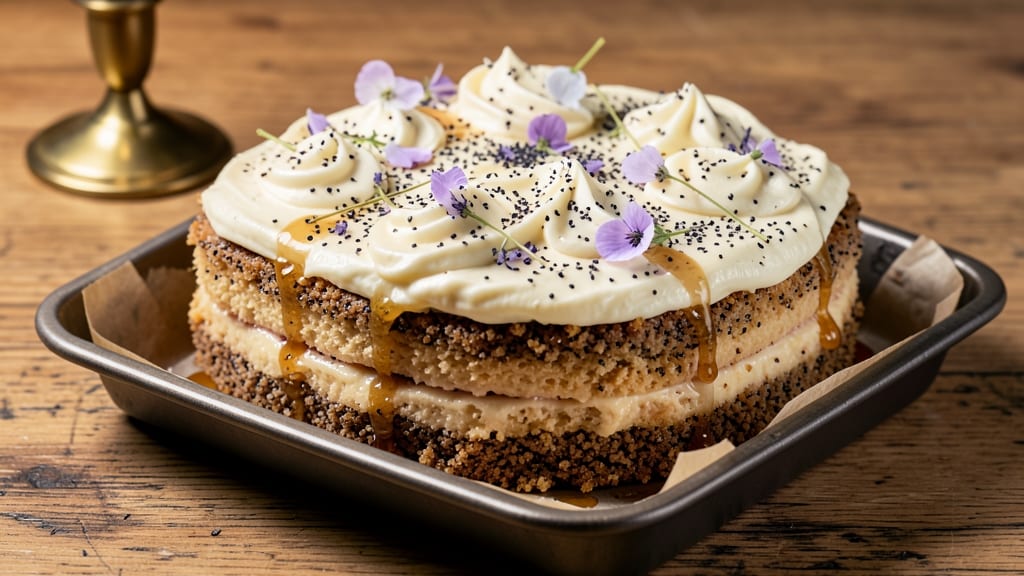
Austrian poppy seed cake delivers the perfect balance of nutty depth and buttery sweetness that's become a beloved classic across Central Europe. This recipe captures the essence of Austrian baking traditions—rich vanilla swirls, delicate poppy seed filling, and a crisp buttery crust that melts in your mouth. The secret lies in precise layering and proper baking techniques that create that signature tender yet sturdy texture.
What makes this cake truly special is the harmony between its components: the vanilla-infused sponge layers, the nutty poppy seed filling that adds texture, and the buttery crust that gives it that professional bakery finish.
The recipe uses simple ingredients but requires attention to detail—especially when it comes to the poppy seed filling, which needs to be just the right consistency for that perfect swirl pattern.
By following these steps, you'll achieve a cake that's moist yet not dense, with a subtle crunch from the poppy seeds that contrasts beautifully with the soft sponge. The aroma alone—vanilla and toasted poppy seeds—will fill your kitchen and make your home feel like a Viennese café.
Serve it warm with whipped cream or a dollop of fruit compote for the full Austrian experience.
This recipe is perfect for special occasions or when you want to impress guests with a dessert that looks elegant but is surprisingly approachable to make at home. The layers of flavor and texture create a cake that's as satisfying to bake as it is to eat.
Ingredients for austrian poppy seed cake
These simple yet elegant ingredients create the iconic Austrian poppy seed cake with perfect vanilla swirls.
| Ingredient | Amount | Notes |
|---|---|---|
| All-Purpose Flour 🌾 | 4 cups | Sifted for light texture |
| Granulated Sugar 🍚 | 2 cups | White or light brown |
| Unsalted Butter 🧈 | 1 ½ cups | Room temperature, cubed |
| Large Eggs 🥚 | 6 whole | Room temperature |
| Vanilla Extract 🌿 | 2 tbsp | Pure, high-quality extract |
| Poppy Seeds 🌱 | 1 cup | Lightly toasted |
| Milk 🥛 | 1 cup | Whole milk preferred |
| Powdered Sugar 🍚 | 2 cups | For filling and dusting |
| Heavy Cream 🥛 | ½ cup | Cold for filling |
| Lemon Zest 🍋 | 1 tbsp | Freshly grated |
| Salt 🧂 | 1 ½ tsp | Fine sea salt |
| Baking Powder 🌶️ | 2 tsp | Aluminum-free |
| Vanilla Bean Paste 🌿 | 1 tbsp | For extra vanilla flavor |
| Almond Extract 🌿 | ½ tsp | Optional, for depth |
The poppy seeds are the star here—toast them lightly in a dry pan for 2-3 minutes until fragrant, then grind half into a fine powder for the filling. King Arthur or Gold Medal flour works best for a tender crumb, and don't skip sifting it. For the butter, Plugrá or Land O'Lakes are reliable choices, but any good-quality unsalted butter will do. The vanilla matters too—Madagascar bourbon or Tahitian vanilla adds that authentic depth, but pure extract works in a pinch. If you can't find vanilla bean paste, just double the extract.
No poppy seeds? Substitute with finely ground almonds or walnuts—about 1.5 cups—but you'll lose that signature nutty crunch. Running low on powdered sugar? Confectioners' sugar from the store works fine, but if it's clumpy, sift it first. The heavy cream can be swapped for cold Greek yogurt for a lighter texture. For the sponge, if you forget to toast the poppy seeds, just grind them fresh—they'll still add flavor, though not that perfect toasted aroma. And if you're feeling fancy, add a splash of rum or Grand Marnier to the filling for an adult twist.
This cake keeps beautifully for 3 days at room temperature wrapped in plastic, or 5 days in the fridge—though it's best eaten fresh. For longer storage, slice and freeze portions for up to 3 months. The filling can be made a day ahead and stored in the fridge, which actually lets the flavors meld even better. When serving, dust with extra powdered sugar right before cutting for that bakery-fresh look. And trust me, the aroma alone will have everyone gathering around.
Why You'll Love This Recipe
- No-Fuss Layers: This cake comes together with just five staples—no fancy techniques, no waiting for dough to rise. The buttercream folds in like a dream, and honestly? The only tricky part is resisting seconds while it bakes.
- Nutty Vanilla Magic: That poppy seed filling—sweet, earthy, and studded with tiny crunchy bits—pairs perfectly with the tender vanilla cake. I’ll be real: the moment I tasted it, I knew it’d become my go-to for celebrations (or sneaky solo dessert nights).
- Party or Pantry: Slice it for a coffee klatsch or pack it for lunch—it holds up beautifully. My husband even sneaks pieces into his work bag, and I’ve sent it to neighbors with a note: "Here’s why you’ll love this too."
- Budget Baking Win: A single batch uses less than $10 of ingredients, and the leftovers? They last a week if you’re disciplined (I’m not). The butter and eggs make it feel special, but the flour and sugar keep it simple—no splurges, just satisfaction.
Step-by-step instructions for Austrian poppy seed cake
This cake delivers that signature Austrian charm—rich, nutty swirls with a buttery crust that'll have everyone asking for seconds.
Prepare the Crust and Toast the Poppy Seeds
Preheat your oven to 350°F and line a 9x13-inch baking pan with parchment paper. In a food processor, pulse together 1 cup of poppy seeds, 1 cup of granulated sugar, and ½ cup of unsalted butter until combined. Press this mixture evenly into the bottom of the prepared pan—it should form a thin, crumbly layer. Bake for 10 minutes until lightly golden.
While the crust bakes, toast the remaining ½ cup of poppy seeds in a dry skillet over medium-low heat for 3-4 minutes, stirring constantly, until they're fragrant and just beginning to turn golden. Let them cool completely before using—they'll release their nutty aroma as you work. This toasting step makes all the difference in flavor!
Cream Butter and Sugar for the Cake Base
In a stand mixer fitted with the paddle attachment, beat the 1.5 cups of unsalted butter and 1 cup of granulated sugar on medium speed for 3-4 minutes until light and fluffy. Scrape down the sides of the bowl as needed. Add the 6 whole large eggs, one at a time, mixing well after each addition until fully incorporated.
This creaming process is crucial—it incorporates air that will create that signature tender crumb. I like to add the eggs one at a time to ensure each is fully emulsified. The mixture should be pale yellow and thick enough to hold peaks when you lift the paddle. If it looks too thin, let it sit for 5 minutes before proceeding.
Combine Dry Ingredients and Create the Swirl Dough
In a separate bowl, whisk together the 4 cups of all-purpose flour, 1.5 teaspoons of salt, and 2 teaspoons of baking powder. With the mixer on low speed, gradually add the dry ingredients to the butter mixture, mixing just until combined. Be careful not to overmix—you want to maintain a light, airy texture.
In a small bowl, combine the 2 tablespoons of vanilla extract, 1 tablespoon of vanilla bean paste, ½ teaspoon of almond extract, and 1 tablespoon of lemon zest. Add this mixture to the wet ingredients and mix until just combined. Then, fold in the toasted poppy seeds. Divide the dough in half—you'll use one portion for the base and the other for the swirl.
Assemble the Cake with Vanilla Cream Filling
Spread half of the dough evenly over the pre-baked crust in the pan. In a separate bowl, whisk together the 1 cup of milk, ½ cup of heavy cream, and 2 cups of powdered sugar until smooth. This will be your vanilla cream filling. Pour half of this mixture over the dough in the pan.
Top with the remaining dough, spreading it evenly. Pour the remaining vanilla cream mixture over the top, then use a knife to create swirls by cutting through the center to the bottom of the pan and twisting gently. This creates those beautiful marbled patterns that make this cake so special. Tap the pan gently on the counter to release any air bubbles.
Bake to Golden Perfection and Finish with Dusting
Bake the cake at 350°F for 40-45 minutes, or until the top is golden brown and a toothpick inserted into the center comes out clean. The edges should pull away slightly from the pan, and the cake should spring back when gently pressed in the center.
Let the cake cool in the pan for 15 minutes, then carefully transfer it to a wire rack to cool completely. Once fully cooled, dust the top generously with additional powdered sugar using a fine-mesh sieve. This final step adds that elegant finishing touch that makes it look (and taste) like you've been baking for years. Serve slices at room temperature for the best experience!
Pro Tips For Making Austrian Poppy Seed Cake
- Cream Butter Properly: Beat the butter and sugar until the mixture is pale yellow and fluffy—about 3-5 minutes with an electric mixer. I learned this the hard way: skipping this step leaves the cake dense, and no amount of poppy seeds will save it.
- Use Room-Temp Eggs: Let your eggs sit out for 30 minutes before whipping them into the batter. Cold eggs incorporate air poorly, and you’ll end up with a cake that’s more cakey than light. (Yes, even if you’re impatient like me.)
- Don’t Overmix the Batter: Stop folding in the poppy seeds and flour as soon as everything is just combined—overmixing develops gluten, and your cake will turn out tough instead of tender. I used to think more mixing = better texture. Wrong.
- Bake Until Golden: Check the cake at 25 minutes—it should be set but still slightly underdone in the center. Poppy seed cakes dry out fast, so resist the urge to pull it early. A toothpick with a few moist crumbs is better than a dry, sad cake.
Storing and reheating your austrian poppy seed cake
Room-Temp Storage
This cake stays fresh and delicious for up to 3 days at room temperature when properly wrapped in plastic wrap or stored in an airtight container. The key is to let it cool completely before sealing—condensation from heat will make the layers soggy.
I like to place it on a wire rack for 1 hour after baking to ensure full cooling before wrapping. The vanilla cream filling actually improves overnight as the flavors meld beautifully. 🌟
Fridge Preservation
For longer storage, refrigerate your cake for up to 5 days in an airtight container. The cold temperature helps maintain the moisture in the sponge layers while keeping the poppy seed filling perfectly set.
I recommend slicing before storing—this prevents the layers from separating when cut later. When ready to serve, let individual slices sit at room temperature for 10-15 minutes to soften the texture slightly.
Freezing Techniques
Slice your cake before freezing for best results—this prevents the layers from becoming too dense. Wrap each slice tightly in plastic wrap, then place them in a freezer bag with all air removed. Frozen slices maintain quality for up to 3 months.
When ready to enjoy, thaw at room temperature for 1-2 hours or microwave for 10-15 seconds on low power to restore freshness. The texture will be slightly denser after freezing, but the flavor remains incredible.
Reheating Methods
For best texture, I recommend serving this cake at room temperature—it's designed to be enjoyed fresh. However, if you need to warm a slice, the microwave works best on 50% power for 8-10 seconds. Cover the slice with a damp paper towel to prevent drying.
Alternatively, warm in a 250°F oven for 5-7 minutes for a more even heat distribution. Never reheat slices with cream filling in the microwave for more than 10 seconds to avoid melting.
Filling Refresh
The vanilla cream filling can be refreshed if the cake has been stored for more than 2 days. Simply whisk together ½ cup powdered sugar, 2 tbsp milk, and 1 tsp vanilla extract, then spoon over the cake before serving.
This restores the creamy texture and brightens the flavors. For an extra touch, dust with additional powdered sugar right before serving—it makes all the difference in presentation. ✨
Nutrition facts
Frequently asked questions
Why does the poppy seed filling need to be cold?
The cold heavy cream in the filling helps create those signature swirls while baking. When warm, the cream would melt too quickly and the layers wouldn't hold their shape. Chilling the filling for 30 minutes before assembly ensures clean cuts and prevents the cake from becoming soggy. This technique is key to achieving that professional bakery look!
Can I make this cake without a food processor?
For the crust, simply mix the poppy seeds, sugar, and butter in a bowl until crumbly. Press it into the pan with your fingers or a spoon. For the filling, whisk the milk, cream, and powdered sugar by hand until smooth. The texture will be slightly coarser but still delicious. The most important part is keeping everything chilled during assembly.
What's the secret to perfect swirls?
The swirls come from alternating layers of dough and cold filling, then cutting through the center with a knife while twisting gently. Use a sharp knife and work quickly to avoid melting the filling. For extra drama, dip the knife in cold water between cuts—this helps create cleaner lines. The key is patience: let the filling set for 10 minutes before baking to prevent spreading.
Can I substitute poppy seeds with something else? While poppy seeds give this cake its signature flavor, you can use finely ground almonds or walnuts (about 1.5 cups) for a nutty alternative. For a seed-free version, try sunflower seeds or pumpkin seeds.
How do I fix a cracked top?
Cracking usually happens when the cake bakes too long. If you notice cracks forming, tent the cake with aluminum foil and check for doneness early—it's done when a toothpick comes out clean (40-45 minutes max). For a cracked cake, simply dust it generously with powdered sugar before serving. The cracks actually add character! If the cake is still underbaked, return it to the oven for 5-10 minutes covered with foil.