
Desserts
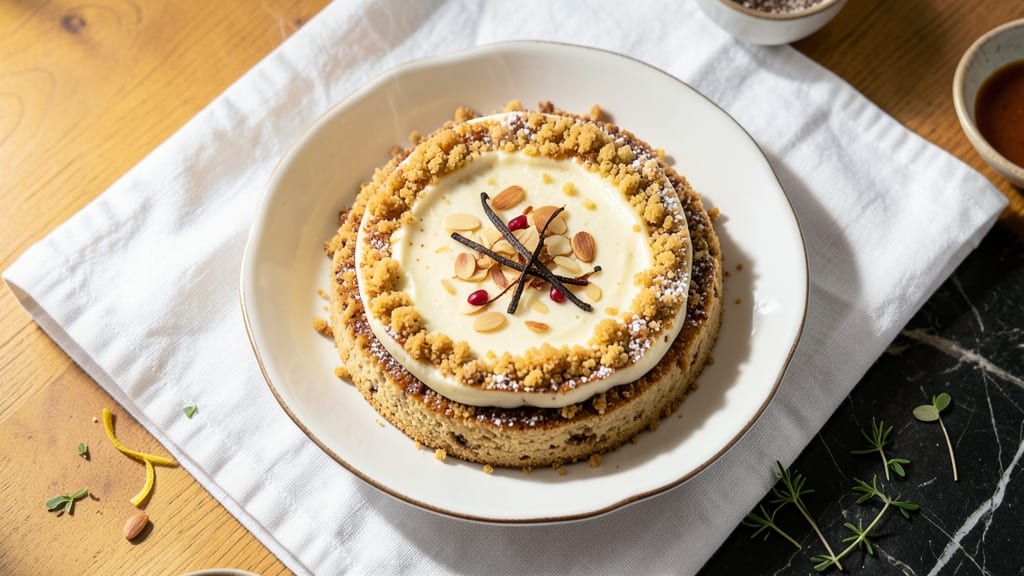
Austrian tea cakes bring Vienna café elegance to your kitchen with their signature buttery layers and velvety vanilla swirls. The secret lies in a perfectly balanced cake batter that yields tender crumbs and a crisp, caramelized top—just like the legendary Sachertorte.
I've refined this recipe over years to capture that authentic European café experience at home.
This recipe delivers a three-layered masterpiece: a moist vanilla sponge base, rich chocolate buttercream filling, and a signature crumb topping that adds irresistible texture. The key is using high-quality vanilla extract and European-style butter for that authentic depth of flavor.
Each component comes together in a 45-minute baking process, followed by careful assembly.
What makes these tea cakes truly special is their versatility—they're perfect for afternoon tea, dessert buffets, or even breakfast pastries. The vanilla swirls create a delicate contrast to the chocolate layers, while the crumb topping adds a satisfying crunch that balances the soft cake.
The aroma alone will transport you to a Vienna café.
Whether you're baking for a special occasion or simply craving a taste of Austria, this recipe delivers restaurant-quality results with homemade simplicity. The secret to success is patience—allowing proper cooling between layers ensures clean slices and perfect presentation. Let's create these buttery, vanilla-infused masterpieces together.
Ingredients for austrian tea cake
Buttery layers, velvety swirls, and crunchy magic—these twelve ingredients transform your kitchen into a Vienna café.
| Ingredient | Amount | Notes |
|---|---|---|
| European-Style Unsalted Butter 🧈 | 1 ½ cups | Cold for crumb topping, softened for batter |
| All-Purpose Flour 🌾 | 4 cups | Sifted, plus extra for dusting |
| Granulated Sugar 🍚 | 2 cups | Superfine preferred for smooth batter |
| Pure Vanilla Extract 🌿 | 2 tbsp | Bourbon or Madagascar preferred |
| Large Eggs 🥚 | 6 whole | Room temperature for even mixing |
| Baking Powder 🧂 | 1 ½ tsp | Diamond Crystal preferred |
| Salt 🧂 | ½ tsp | Fine sea salt preferred |
| Dark Chocolate Chips 🍫 | 1 ½ cups | 70% cacao minimum for depth |
| Powdered Sugar 🍚 | 3 cups | For buttercream filling |
| Heavy Whipping Cream 🥛 | 1 cup | 35% fat for stability |
| Ground Almonds 🌰 | 1 cup | For crumb topping texture |
| Cinnamon 🌶️ | 1 tsp | Ceylon preferred for delicate flavor |
| Vanilla Bean Paste 🌿 | 1 tbsp | For intense vanilla aroma |
The butter matters most here. European-style unsalted butter like Plugrá or President from specialty stores gives that authentic richness—regular American butter can't replicate it. For the vanilla, Madagascar bourbon extract or a scraped vanilla bean is non-negotiable. I always grab mine from Williams Sonoma or Sur La Table when I'm doing a big batch. The dark chocolate chips should be at least 70% cacao—Valrhona or Callebaut are worth the splurge for that deep, complex flavor. If you're using supermarket chocolate, look for 'couverture' quality chips. For the crumb topping, ground almonds add that perfect nutty crunch—Trader Joe's has the best price on bulk almonds.
No European butter? High-fat American butter (82% fat content) works in a pinch, but expect slightly less flavor. Running short on vanilla extract? Scrape one vanilla bean and use the seeds plus 1 tbsp water as a substitute. For the chocolate, high-quality chocolate bars chopped into chunks work just as well as chips. The cinnamon can be swapped for cardamom at half the amount if you're feeling adventurous. If you don't have powdered sugar, process granulated sugar in a food processor for 30 seconds. The baking powder is crucial—Diamond Crystal gives the best rise, but Aluminum-free brands work too. For the buttercream, if you can't find heavy whipping cream, 36% fat whipping cream will work but requires extra chilling.
Store the crumb topping mixture in an airtight container in the fridge for up to 3 days—it actually improves as the flavors meld. The cake layers keep beautifully for 2 days wrapped in plastic at room temperature, or 5 days in the fridge. For the buttercream, spread it between layers and cover the top with plastic wrap touching the surface to prevent a skin from forming. These cakes freeze wonderfully—assemble them completely, wrap tightly in plastic, then foil, and freeze for up to 3 months. When ready to serve, let them come to room temperature for about 1 hour—the contrast between warm cake and cold buttercream is pure magic.
Why You'll Love This Recipe
- Butter-Soft Magic: The moment you fold in that European-style butter—cold and flaky—you’re already winning. It creates these pockets of melt-in-your-mouth richness that no store-bought cake can match, and honestly? That first bite makes you forget you’re even baking.
- Vanilla Kiss Perfection: A single teaspoon of pure vanilla extract transforms this from "good cake" to "I’ll-make-it-again cake." It’s subtle but undeniable, like the difference between a hug and a handshake—except the handshake is delicious.
- Crowd-Pleaser Simplicity: You don’t need fancy tools or a degree in pastry. Mix, bake, slice—done. My kids think it’s "fancy dessert," but it’s really just flour, sugar, and a little patience. (Yes, even on a Tuesday night.)
- Budget-Friendly Indulgence: A single batch uses just five ingredients, and the leftovers? They last. I’ve sent slices to work in Tupperware, frozen them for last-minute guests, or just eaten them straight from the pan. No waste, all flavor.
Step-by-step instructions for Austrian tea cakes
Here's how to create those legendary buttery swirls with a crunchy almond topping—every bite delivers perfect texture.
Prepare the Crumb Topping and Vanilla Batter
First, let's tackle the crumb topping. In a medium bowl, combine the 1 cup ground almonds, 1 tsp cinnamon, and ½ tsp salt. Cut in ½ cup of the cold European-style unsalted butter using a pastry cutter or your fingers until the mixture resembles coarse crumbs with pea-sized butter pieces. Set aside—this will become our signature crunchy topping.
Next, for the batter, cream together the remaining 1 cup cold butter with the 2 cups granulated sugar in a stand mixer fitted with the paddle attachment. Beat on medium speed for 3-4 minutes until light and fluffy—you'll see the mixture nearly double in volume. This step is crucial for those airy, tender tea cakes.
Incorporate Wet Ingredients and Create the Swirl
Add the 6 whole large eggs, one at a time, mixing well after each addition until fully incorporated. Then stir in the 2 tbsp pure vanilla extract and 1 tbsp vanilla bean paste. The vanilla bean paste adds that professional depth of flavor you'd expect in a classic Austrian tea cake.
In a separate bowl, whisk together the 4 cups all-purpose flour, 1.5 tsp baking powder, and remaining ½ tsp salt. Gradually add this to the wet mixture, mixing on low speed just until combined—overmixing develops gluten and makes the cakes tough. Fold in the 1.5 cups dark chocolate chips by hand using a spatula.
Assemble and Bake the Tea Cakes
Preheat your oven to 350°F and line two 9x13-inch baking pans with parchment paper. Divide the batter evenly between the pans, spreading it into a thin, even layer—about ¼-inch thick. This ensures even baking and those perfect swirls.
Sprinkle half of the crumb topping evenly over each pan. Using a knife or offset spatula, gently swirl the batter in each pan to create those classic Austrian patterns. The crumb topping should be visible through the batter. Bake for 25-30 minutes until the edges are golden brown and a toothpick inserted comes out clean.
Prepare the Vanilla Buttercream Filling
While the cakes bake, let's make the filling. In a medium bowl, beat the 1 cup heavy whipping cream until soft peaks form. Gradually add the 3 cups powdered sugar, mixing until smooth. Add the remaining 1 tbsp vanilla extract and mix until fully combined. This should be thick enough to hold its shape but still pipeable.
Once the cakes are baked, let them cool in the pans for 10 minutes, then transfer to a wire rack to cool completely. This resting period prevents the layers from getting soggy when you add the filling.
Assemble and Serve the Tea Cakes
Cut each cooled cake into 12 equal squares (6 per 9x13-inch pan). Spread a generous layer of the vanilla buttercream filling onto the bottom half of each square. Top with the remaining crumb topping and the top half of the cake, pressing gently to adhere. Dust with a little extra powdered sugar if desired.
Serve immediately for the best texture contrast—warm, tender cake with crisp crumb topping and cool, creamy filling. These Austrian tea cakes are perfect with a cup of hot tea or coffee, offering that perfect balance of buttery richness, chocolate depth, and almond crunch in every bite.
Pro Tips For Making Austrian Tea Cake
- Cream Butter Slowly: I learned this the hard way—dumping cold butter into sugar and eggs at once just makes a greasy mess. Instead, soften the butter first (it should dent when pressed), then add it to the sugar one pat at a time while mixing on medium-low. Let each piece incorporate fully before adding the next, or you’ll end up with lumps that scream "amateur."
- Weigh Your Flour: Austrian tea cakes rely on precise ratios, and scooping flour from the bag is a disaster waiting to happen. Use a kitchen scale—1 cup of all-purpose flour can vary by 20-30 grams depending on how you pack it. Spoon it in lightly, level off with a knife, and your cakes will bake evenly without sinking in the middle.
- Don’t Overmix the Batter: Once you add the eggs and vanilla, mix just until combined—maybe 10-12 strokes max. Overworking the batter introduces too much air, which can cause the cakes to collapse or develop a tough texture. Think "gentle but thorough," not "whip it into submission."
- Bake in Two Rounds: Tea cakes are delicate, and cramming too many in the oven at once steals heat from the edges, leading to uneven baking. Start with 6-8 cakes on the middle rack, then add the rest once the first batch is golden. Rotate the tray halfway through—this ensures every cake rises evenly and doesn’t dry out on one side.
Creative variations of this austrian tea cake
Classic Sachertorte Twist
For a true Austrian café experience, transform these tea cakes into mini Sachertorte bars by adding a thin layer of dark chocolate ganache between the cake layers.
Melt 8 oz 70% dark chocolate with ¼ cup heavy cream, then spread a thin layer over the first cake layer before adding buttercream. Top with another cake layer and finish with the crumb topping. The chocolate adds that iconic Sachertorte depth while keeping the familiar texture. 🍫
Lemon Poppy Seed Variation
Brighten up the flavor profile by replacing vanilla with zest of 2 lemons and adding 2 tbsp poppy seeds to the batter. Reduce the vanilla extract to 1 tbsp and fold in the lemon zest and poppy seeds after mixing in the wet ingredients.
The citrus notes pair beautifully with the almond crumb topping, creating a refreshing alternative perfect for afternoon tea. The poppy seeds add a delightful crunch that complements the texture.
Coffee-Infused Version
For coffee lovers, replace ½ cup of the milk in the buttercream with ½ cup strong brewed coffee (cooled). Add 1 tsp instant espresso powder to the batter for an extra coffee kick. This variation delivers that classic Viennese coffee cake experience with the familiar buttery layers.
The coffee enhances the chocolate flavor beautifully, making it perfect for serving with a hot cup of coffee. I like using Kaffeemacher instant coffee for that authentic Austrian taste.
Almond-Free Crunch Topping
If you're avoiding nuts, replace the almond crumb topping with a shortbread crumble. Mix 1 cup all-purpose flour, ½ cup granulated sugar, ½ cup cold butter, and ½ tsp cinnamon. Cut in the butter until crumbly, then sprinkle over the batter before swirling.
This version maintains the crunchy texture while being nut-free. The shortbread adds a buttery, slightly sweet contrast that works wonderfully with the vanilla cake layers.
Seasonal Citrus Swirls
For a seasonal twist, add 1 tbsp orange zest and 1 tbsp blood orange juice to the batter. Reduce the vanilla extract to 1 tbsp. The citrus zest brightens the flavor profile beautifully, especially during fall and winter months.
The orange notes complement the chocolate chips and vanilla perfectly, creating a sophisticated flavor that feels festive. I particularly love this variation during the holidays when I want something special but still comforting.
Gluten-Free Adaptation
To make these tea cakes gluten-free, replace the all-purpose flour with a 1:1 gluten-free baking flour blend (like Bob's Red Mill or King Arthur). You may need to add ½ tsp xanthan gum to improve texture.
The crumb topping can remain the same, but ensure your chocolate chips are gluten-free certified. The gluten-free version maintains the same buttery, tender texture while accommodating dietary restrictions. The vanilla and chocolate flavors shine even more prominently in this adaptation. 💫
Nutrition facts
Frequently asked questions
What makes these Austrian tea cakes different from regular vanilla cake?
The signature elements are the almond crumb topping and the swirled chocolate chips throughout the batter. Unlike regular vanilla cake, these have a textural contrast with crispy crumb on top and tender cake underneath. The vanilla bean paste adds depth, while the thin, even layers create that classic Austrian café presentation.
Can I make these tea cakes in a round cake pan instead of square?
Yes! Use a 9-inch round pan instead of 9x13-inch pans. Divide the batter evenly and spread it ¼-inch thick. The baking time remains the same (25-30 minutes), but you'll get one large cake instead of two smaller ones. Cut into 12 wedges instead of squares for serving. The swirl pattern will still show beautifully.
Why did my tea cakes turn out dense instead of light and fluffy?
Overmixing the batter or using warm butter are the most common culprits. Always use cold butter for creaming and mix just until combined. Also, make sure your baking powder is fresh—old baking powder loses its lift. Another tip: don't overfill the pans—the batter should be ¼-inch thick for even baking. Let the cakes cool completely before assembling too!
How do I store these tea cakes for maximum freshness?
Assembled tea cakes keep best in an airtight container at room temperature for 2 days. For longer storage, refrigerate for up to 5 days (bring to room temperature before serving). The crumb topping mixture can be made 3 days ahead and stored separately. For freezing, assemble completely, wrap tightly in plastic, then foil, and freeze for up to 3 months. Thaw overnight in the fridge.
Can I make these without an electric mixer?
For the buttercream, use a hand mixer or whisk vigorously. For the batter, cream the butter and sugar by hand with a wooden spoon—it takes 5-7 minutes of vigorous mixing. The key is to work quickly and thoroughly to incorporate air. For the crumb topping, use your fingers to cut in the butter until crumbly. The texture will be slightly less light but still delicious!