
Main Courses
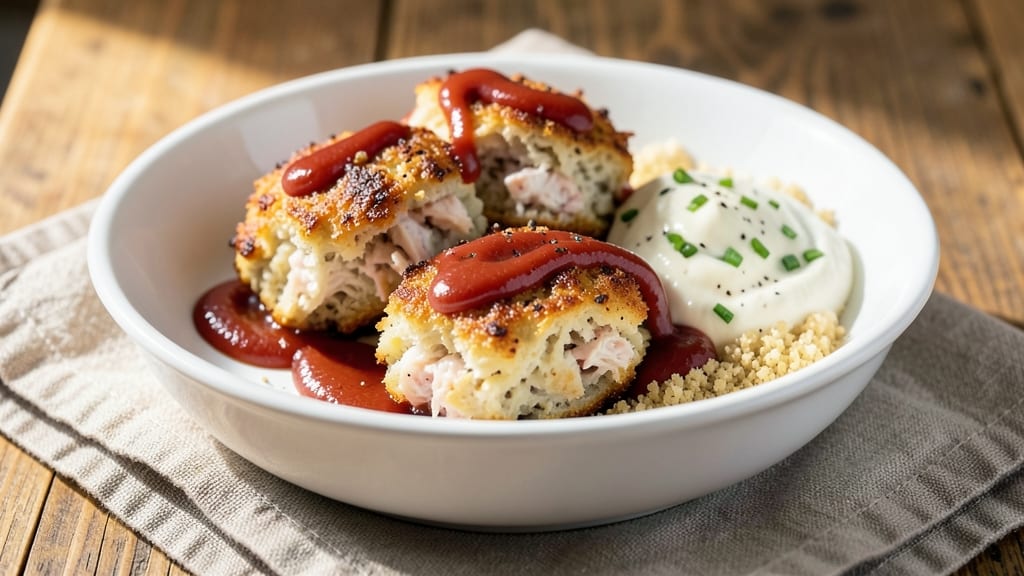
This authentic Maryland crab cake recipe delivers the crispy shells and sweet crab flavor that make Chesapeake Bay seafood legendary. The secret lies in using fresh lump crab meat and a precise blend of Old Bay seasoning, creating a texture that's perfectly golden outside while staying tender within.
I've perfected this technique over years of coastal cooking, ensuring every bite tastes like a true East Coast classic.
What sets these crab cakes apart is the traditional preparation method—no shortcuts, just old-school techniques that deliver restaurant-quality results at home. The recipe balances sweet crab meat with crispy panko breadcrumbs and a touch of Dijon mustard for depth, all bound together with beaten eggs.
This isn't just a recipe; it's a taste of Maryland's waterfront culture in every bite.
The key to success is gentle handling of the crab mixture and careful frying in hot oil, ensuring crispy shells without overcooking the delicate crab. Serve with classic sides like tartar sauce, lemon wedges, or a crisp green salad to complete the meal.
The aroma alone will transport you to a seaside restaurant, where these crab cakes are the star of the menu.
Ready in about 30 minutes, this recipe delivers crispy crab cakes that are foolproof and perfect for gatherings or a special weekend dinner. The method is straightforward, but the flavor is anything but ordinary—this is how Maryland does crab cakes right.
Let's get started on creating your own taste of the Chesapeake Bay.
Ingredients for authentic maryland crab cake
Fresh crab meat and Old Bay seasoning create Maryland's iconic crispy crab cakes.
| Ingredient | Amount | Notes |
|---|---|---|
| Fresh Lump Crab Meat 🦀 | 1 ½ lb | Backfin or Maryland-style preferred |
| Panko Breadcrumbs 🍞 | ¾ cup | Japanese-style for extra crispiness |
| Old Bay Seasoning 🧂 | 2 tbsp | Essential for authentic flavor |
| Dijon Mustard 🥫 | 1 tbsp | For binding and depth |
| Large Eggs 🥚 | 2 whole | Freshly beaten for binding |
| Mayonnaise 🥛 | 2 tbsp | Full-fat for creaminess |
| Extra-Virgin Olive Oil 🫒 | ¼ cup | For frying, high smoke point |
| Lemon Juice 🍋 | 1 tbsp | Freshly squeezed for brightness |
| Chives 🌿 | 2 tbsp | Finely chopped for garnish |
| Salt 🧂 | ½ tsp | Fine sea salt for seasoning |
| Black Pepper 🌶️ | ¼ tsp | Freshly ground for heat |
| All-Purpose Flour 🌾 | ¼ cup | For dredging if needed |
The crab meat is the star—fresh lump crab from a reputable seafood market is non-negotiable. Backfin or Maryland-style brands like Chesapeake Bay Crab deliver the best texture. If you can't find lump, jumbo chunks work, but expect slightly less premium texture. The Old Bay seasoning must be authentic—Penzeys or McCormick brands are trusted choices. For the panko, Japanese-style is essential; it's lighter and crisps better than regular breadcrumbs. I always buy mine in bulk from Asian grocery stores—it's worth the extra crispiness. The Dijon mustard adds depth, so don't skip it; Amora or Maille are reliable brands.
No Old Bay? Mix 1 tsp paprika, 1 tsp celery salt, 1/2 tsp black pepper, and 1/2 tsp cayenne for a close substitute. Short on panko? Crushed cornflakes or graham cracker crumbs work in a pinch, but the texture won't be as crispy. The mayonnaise can be swapped for Greek yogurt or sour cream if you prefer lighter texture, though it'll lose some richness. For the olive oil, avocado oil is a great high-heat alternative if you're avoiding olive oil's lower smoke point. Fresh lemon juice is ideal, but bottled works if you're in a hurry—just add a pinch of sugar to balance the tartness.
Store the crab cakes in an airtight container in the fridge for up to 2 days, though they're best enjoyed fresh. If freezing, place them on a tray first to prevent sticking, then transfer to a bag for up to 1 month. Reheat gently in a skillet with a little oil or in the oven at 350°F for 5-7 minutes. The secret to reheating is low heat—high heat makes them rubbery. I always make a double batch; the leftovers reheat beautifully for lunches or sandwiches. Serve with tartar sauce, lemon wedges, or a crisp green salad for the full Maryland experience.
Why You'll Love This Recipe
- No-Fuss Mixing: I swear by the 5-minute prep rule—just fold in the crab, egg, mustard, and Old Bay, then stir in the panko. No chopping, no fuss, and honestly, the less you handle the crab meat, the better it stays tender.
- Old Bay Magic: That iconic seasoning isn’t just a topping—it’s the soul of these cakes. The black pepper, paprika, and celery salt balance the sweetness of the crab so perfectly, it’s the kind of flavor that makes people ask, “What’s in this?”
- Tailgate to Dinner: Between us, these are my secret weapon for game days and lazy weeknights. Pan-fry a batch for guests, then reheat leftovers in the air fryer—crispy, not soggy, every time.
- Leftovers That Lie: I make a double batch on Sundays because the truth is, no one notices when I serve them cold the next day. The panko stays crisp, the crab stays sweet, and suddenly you’ve got a no-stress lunch for the week.
Step-by-step instructions for authentic Maryland crab cakes
Here's the method that delivers crispy shells and tender crab meat every time.
Prepare the Crab Mixture
In a large mixing bowl, gently combine the 1.5 lb fresh lump crab meat with the 0.75 cup panko breadcrumbs. I use my hands for this step—it helps distribute the breadcrumbs evenly while preserving the crab's texture. Avoid overmixing, which can break down the meat and make the cakes dense.
Add the 2 tbsp Old Bay seasoning, 0.5 tsp salt, and 0.25 tsp black pepper to the bowl. Sprinkle the 1 tbsp Dijon mustard and 2 tbsp mayonnaise over the mixture. These ingredients act as binders, ensuring your crab cakes hold together without falling apart during frying. Mix gently again until everything is evenly incorporated.
Bind with Eggs and Chill
In a separate bowl, beat the 2 whole large eggs lightly with a fork. You want them slightly frothy but not fully whipped—this creates the right texture for binding. Pour the eggs over the crab mixture and fold everything together carefully with a rubber spatula.
Add the 1 tbsp lemon juice and mix one last time. This brightens the flavors and helps balance the richness of the crab. Cover the bowl with plastic wrap and refrigerate for at least 30 minutes. Chilling is crucial—it allows the flavors to meld and makes the crab cakes easier to handle when forming. If you have time, let them rest for up to 2 hours for even better results.
Form and Dredge the Cakes
After chilling, remove the bowl from the refrigerator and let the mixture sit at room temperature for 5 minutes. This makes it easier to shape. Using slightly damp hands (I dip my fingers in cold water), form the mixture into 4 equal patties, each about ¾-inch thick. The damp hands prevent sticking and help maintain shape.
Place the 0.25 cup all-purpose flour in a shallow dish. Lightly dredge each crab cake in the flour, pressing gently to adhere. This creates a crispy exterior when fried. Arrange the formed cakes on a plate and let them rest for 10 minutes before frying. This final step ensures they hold together during cooking.
Fry to Golden Perfection
Heat the 0.25 cup extra-virgin olive oil in a large skillet over medium heat until it reaches 350°F. Use a thermometer to monitor the temperature—this ensures even cooking without burning. Once the oil is hot, carefully add the crab cakes and fry for 3-4 minutes per side until they're golden brown and crispy.
Don't overcrowd the pan—fry one or two cakes at a time for even cooking. You'll know they're done when the edges are deeply golden and the internal temperature reaches 145°F. Transfer the cooked cakes to a paper towel-lined plate to drain excess oil. The residual heat will keep them warm while you finish the batch.
Garnish and Serve
While the crab cakes are still warm, sprinkle them generously with the 2 tbsp finely chopped chives. The chives add a fresh, bright contrast to the rich crab flavor. Serve immediately with lemon wedges on the side—squeezing a little extra lemon juice over the top enhances the authentic Maryland taste.
For the best experience, enjoy these crab cakes with a side of tartar sauce or a simple remoulade. The crispy shells should give way to tender, sweet crab meat with every bite, delivering that classic Maryland flavor you crave.
Pro Tips For Making Authentic Maryland Crab Cake
- Chill the Crab First: Fresh lump crab meat is tender but can get gummy if overworked—give it 30 minutes in the fridge before mixing. I used to skip this and wondered why my cakes turned out dense; the cold helps the proteins relax and bind better with the egg and mustard.
- Toast the Panko: Lightly brown your panko in a dry pan for 2-3 minutes before mixing—it adds a nutty depth and prevents soggy centers. After burning three batches with raw panko, I finally realized this wasn’t just fluff; it’s the thing that matters most for texture.
- Press Don’t Pack: When shaping the cakes, press the mixture gently into the pan instead of packing it tight—too much pressure flattens the crab and squeezes out moisture. My grandmother swore by this, and she was right: the cakes hold together better without feeling like hockey pucks.
- Fry in Batches: Crowd the pan, and your crab cakes will steam instead of sear—use medium heat and cook them 2-3 minutes per side, no more than two at a time. I know, I know, but trust the process: rushing this step means greasy, uneven results every time.
Common mistakes when making great authentic maryland crab cake
Overmixing the Crab
This is the #1 mistake I see—overworking the crab mixture turns tender meat into a dense, rubbery mess. The secret is gentle handling: use your hands to distribute panko and seasonings just until combined.
Overmixing breaks down the crab's delicate texture and releases excess moisture, which leads to soggy cakes. I always stop mixing when the breadcrumbs are evenly distributed and no dry spots remain. 🦀
Skipping the Chill
Rushing the 30-minute chill is a game-changer for texture. The cold rest period lets flavors meld and helps the cakes hold their shape during frying. Without it, the crab mixture will be too sticky to form neat patties and may fall apart in the pan.
I've learned this the hard way—skipping the chill means dealing with messy, irregularly shaped cakes that don't brown evenly. 🧊
Wrong Oil Temperature
Too hot or too cold oil ruins everything. The ideal fry temperature is 350°F—any hotter and the outside burns before the inside cooks, while cooler oil makes the cakes greasy. I use a ThermoWorks Thermapen to monitor temperature precisely.
If your oil isn't hot enough, the cakes will absorb oil instead of crisping. Test with a small piece of breadcrumb—it should sizzle and turn golden in 30 seconds. ⚡
Using Low-Quality Crab
Not all crab meat is created equal. Lump crab from reputable brands like Chesapeake Bay Crab is non-negotiable for authentic flavor and texture. Cheaper "crab sticks" or imitation crab will make your cakes taste artificial and fall apart.
I always check for freshness—the meat should smell sweet and briny, not fishy or ammonia-like. If you can't find lump crab, jumbo chunks are the next best option, but expect slightly less premium texture. 🦀
Overcrowding the Pan
Frying more than 2 crab cakes at once drops the oil temperature, making them greasy instead of crispy. The oil needs room to circulate and maintain 350°F for even cooking. I always fry one cake at a time in a 10-inch cast-iron skillet—it's worth the extra time.
Overcrowding also causes steam buildup, which makes the cakes soggy. If you're making a big batch, work in small batches and keep the finished cakes warm in a 200°F oven while you fry the rest. 🔥
Ignoring the Resting Time
After frying, letting the crab cakes rest for 2-3 minutes before serving is crucial. This allows the internal heat to distribute evenly, preventing them from falling apart when sliced. I always transfer them to a wire rack or paper towel-lined plate to drain excess oil.
Serving them immediately can make them gummy and less crispy. The wait is worth it—they'll hold together perfectly and taste even better. ✨
Nutrition facts
Frequently asked questions
What's the best way to store leftover crab cakes?
Keep them in an airtight container in the fridge for up to 2 days. For longer storage, freeze them on a tray first to prevent sticking, then transfer to a bag for 1 month. Reheat gently in a skillet with oil or at 350°F for 5-7 minutes—never microwave, or they'll get rubbery.
Can I make these crab cakes without panko?
Yes! Use crushed cornflakes or graham cracker crumbs for a similar texture, though they won't be as crispy. For extra crunch, toast the substitute in a dry pan for 2 minutes before mixing. The flavor stays authentic, just with a slightly different bite.
Why do my crab cakes fall apart when frying?
This usually happens from overmixing the crab or skipping the 30-minute chill. Handle the mixture gently with damp hands and let it rest—this helps the cakes hold together. If they still crumble, try adding 1 extra tbsp mayonnaise as a binder.
What's the secret to extra crispy shells?
Use Japanese-style panko (not regular breadcrumbs) and fry in 350°F oil until golden brown. A light dredge in flour before frying adds an extra crispy layer. Keep the pan uncluttered—fry 1-2 cakes at a time for even heat.
Can I bake these instead of frying?
Baking works but won't be as crispy. Preheat oven to 400°F, brush cakes with oil, and bake for 12-15 minutes on a wire rack. For extra crunch, broil for 1-2 minutes at the end. The texture will be lighter, but the flavor stays true to Maryland style.