
Desserts
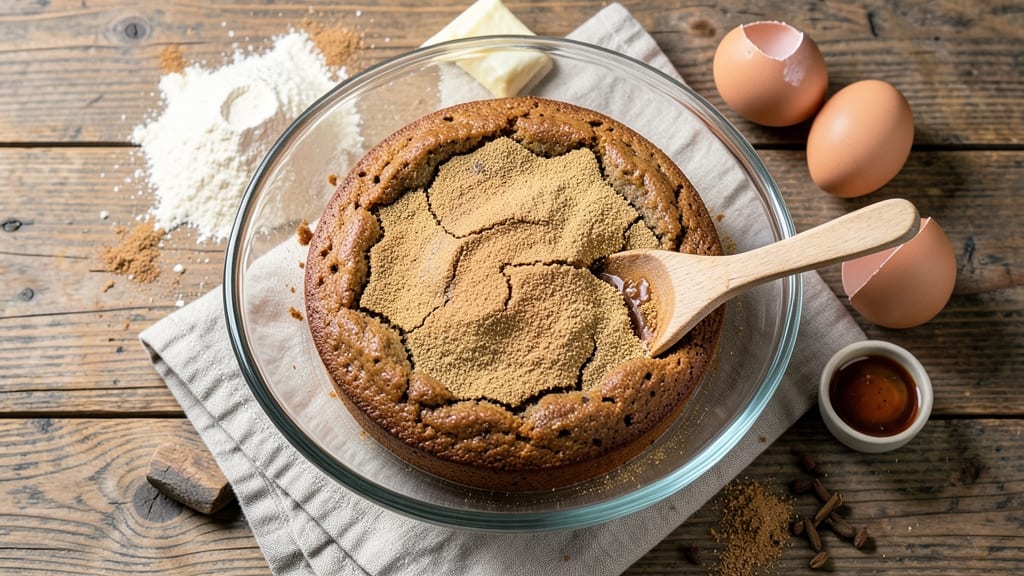
The baker's German cake recipe delivers rich molasses swirls and warm spice notes that taste like a bakery visit. This traditional dessert combines tender crumb layers with deep caramelized flavors from molasses and cinnamon, creating a cake that's both comforting and impressive.
I've perfected the technique over years of baking—achieving that signature swirled texture without cracking or drying out.
The secret lies in precise layering and baking times. You'll work with a molasses-infused batter that develops complex caramelized notes when baked, while the warm spices—cinnamon, cloves, and nutmeg—infuse every bite with cozy depth.
This cake requires patience but rewards with a moist, flavorful center and slightly crisp edges that hold their shape beautifully.
What makes this recipe special is its balance: sweet enough to satisfy cravings but not overpowering, with molasses providing that signature German depth. The warm spices create an aromatic experience that lingers long after the last bite.
Perfect for special occasions or when you want to impress guests with a cake that tastes authentically homemade.
Ready in about 1 hour 15 minutes (including cooling), this cake keeps well for 3-4 days in an airtight container. The molasses swirls remain moist, and the spice flavors develop even more richness over time.
Ideal for holiday gatherings or when you're craving a dessert that feels like a hug in cake form.
Ingredients for baker's german cake
Twelve simple ingredients transform into a cake that tastes like a bakery visit.
| Ingredient | Amount | Notes |
|---|---|---|
| All-Purpose Flour 🌾 | 4 cups | Sifted for light texture |
| Unsalted Butter 🧈 | 1 ½ cups | Cold, cubed for swirls |
| Dark Brown Sugar 🍯 | 2 cups | Packed, for caramel depth |
| Molasses 🍯 | 1 cup | Unsulphured, for authentic flavor |
| Large Eggs 🥚 | 3 whole | Room temperature for even mixing |
| Ground Cinnamon 🌿 | 2 tbsp | Freshly ground preferred |
| Ground Cloves 🌶️ | ½ tsp | Freshly ground for warmth |
| Ground Nutmeg 🌿 | ½ tsp | Freshly grated nutmeg |
| Baking Soda 🧂 | 1 tsp | Pure, for lift |
| Salt 🧂 | ½ tsp | Fine sea salt |
| Vanilla Extract 🍯 | 1 tbsp | Pure, high-quality |
| Hot Water 💧 | 1 cup | For molasses activation |
| Pecans (optional) 🌰 | 1 cup | Chopped, for crunch |
The molasses is non-negotiable here—unsulphured is key for that authentic, deep flavor. Costco and Whole Foods carry good brands, but any grocery store with a bulk section should have it. I always grab extra because it’s versatile—great in cookies too. The brown sugar? Pack it tightly into the measuring cup, or you’ll end up with a cake that’s too dry. For the spices, Penzeys or bulk bins at natural food stores give you the freshest ground spices, but honestly, the stuff in the spice aisle works fine if it’s not ancient. Freshly grated nutmeg makes a world of difference, though—if you’ve got a Microplane, use it.
No molasses? Maple syrup at half the amount gets you close, but the flavor won’t be the same. Short on pecans? Walnuts or toasted almonds work just as well. The butter needs to be cold for those signature swirls—take it out of the fridge right before mixing. If you’re in a pinch, use European-style butter (like Plugrá) for extra flavor. The vanilla extract should be pure—imitation won’t cut it. And if you’re worried about the molasses being too strong, don’t be. The spices and sugar balance it perfectly.
This cake keeps beautifully—3-4 days in an airtight container at room temperature, or 1 week in the fridge if you want to be extra safe. The swirls stay moist, and the spices actually deepen in flavor over time. For serving, I like to dust it with a little extra cinnamon and add a dollop of whipped cream. If you make a double batch (which, trust me, you will), freeze half—it’s even better the second time around. The molasses flavor mellows out nicely after a day or two, making it perfect for leftovers.
Why You'll Love This Recipe
- No Mixer Needed: I swear by this recipe when my arms are tired—just cream butter and sugar by hand until it’s light and fluffy. That molasses? It does half the work, deepening the flavor without extra effort.
- Molasses Magic: Honestly, that dark brown sugar and molasses combo is what makes this cake sing. Rich, caramel-like sweetness with just a hint of smoky depth—it’s the kind of flavor that lingers and makes people ask for the recipe.
- Weeknight Wonder: Between us, this is my go-to for potlucks or lazy Sundays. Bake it once, slice it up, and it keeps beautifully for days—no one will guess it’s not fresh from the oven.
- Budget-Friendly Luxury: Butter and eggs aren’t cheap, but this recipe stretches them perfectly. A single batch feeds a crowd, and the leftovers? Even better the next day, toasted with a smear of cream cheese if you’re feeling fancy.
Step-by-step instructions for molasses-infused German cake
Here's how to create that signature swirl pattern and deep molasses flavor without overmixing.
Prepare the Dry Ingredients and Molasses Mixture
In a large mixing bowl, whisk together the 4 cups all-purpose flour, 2 tbsp ground cinnamon, 0.5 tsp ground cloves, 0.5 tsp ground nutmeg, 1 tsp baking soda, and 0.5 tsp salt. Sift this mixture directly into the bowl to ensure no lumps remain—this prevents dense spots in your cake. In a separate bowl, combine the 1 cup molasses with the 1 cup hot water and 1 tbsp vanilla extract. Let this mixture sit for 2 minutes until it cools slightly but remains warm.
Here's the thing—molasses is thick and syrupy, so the hot water helps thin it out just enough to blend smoothly with the butter. If you skip this step, your batter will be too stiff to incorporate properly. The warm mixture also activates the baking soda for maximum lift in your cake.
Cream Butter and Sugar for Light Swirls
In a stand mixer fitted with the paddle attachment, beat the 1.5 cups unsalted butter and 2 cups dark brown sugar on medium speed for 3-4 minutes until light and fluffy. You'll see the mixture nearly double in volume and become pale in color. This creaming process is crucial—it incorporates air that creates those beautiful swirls later. Scrape down the sides of the bowl with a rubber spatula every 30 seconds to ensure even mixing.
I like to test the readiness by running my finger through the mixture—it should leave a clean trail without any butter residue. If it still feels grainy, keep beating for another 30 seconds. Cold butter works best here because it holds air better than softened butter. Don't rush this step; under-creaming leads to dense cake instead of light, tender layers.
Combine Wet and Dry Ingredients Gently
With the mixer running on low speed, gradually add the 3 whole large eggs, one at a time, mixing just until each is fully incorporated. Then, slowly pour in the molasses mixture while continuing to mix on low speed. Add about ⅓ of the dry ingredients and mix until just combined—you should still see streaks of flour. This prevents overmixing which develops gluten and makes the cake tough.
Here's where it gets fun—fold in the 1 cup chopped pecans (if using) with a silicone spatula. Don't overmix now; just distribute them evenly throughout the batter. The goal is to keep the batter as light as possible while ensuring the spices and molasses are evenly distributed. If the batter looks too thick, you can add 1-2 tablespoons of hot water to help it come together smoothly.
Create the Signature Swirl Pattern
Transfer about ⅔ of the batter to a separate bowl. In a 9x13-inch baking pan, spread the remaining ⅓ of the batter evenly using an offset spatula. Then, drop spoonfuls of the reserved batter on top, spacing them about 2 inches apart. Using the back of the spoon, gently swirl the batter into the base layer in a circular motion—this creates those classic German cake patterns.
Don't worry if it doesn't look perfect; the swirls will spread slightly during baking. Tap the pan gently on the counter 2-3 times to help the batter settle and remove any air bubbles. The key here is to work quickly but deliberately—rushing can create uneven layers, while taking your time ensures those beautiful swirls we're after.
Bake Until Golden and Test for Doneness
Preheat your oven to 350°F and bake the cake for 45-50 minutes, or until a toothpick inserted in the center comes out clean with just a few moist crumbs. The edges should be deep golden brown, and the top should have a slightly cracked appearance—this indicates proper baking. Rotate the pan halfway through baking for even heat distribution.
I know it's tempting to open the oven early to check, but resist! The cake needs that full baking time to develop its rich molasses flavor and proper texture. If you're unsure, err on the side of slightly underbaking—German cakes continue cooking as they cool. Let the cake cool in the pan for 10 minutes, then transfer to a wire rack to cool completely before slicing.
Pro Tips For Making Baker'S German Cake
- Cream Butter Slowly: If you dump cold butter into your molasses-sugar mix and whip it fast, you’ll end up with a greasy mess instead of fluffy batter. Let the butter sit at room temp for 30 minutes first, then mix it into the sugar gradually—about 1 tablespoon at a time—while the mixer runs. This keeps the fat emulsified and gives you that classic tender crumb. (Yes, even if you’re impatient like me.)
- Measure Molasses Precisely: Molasses is thick and clingy, so don’t eyeball it. Use a liquid measuring cup and scrape the back with a butter knife to get an accurate ¾ cup. Too little, and your cake tastes flat; too much, and it turns into a sticky brick. I learned this the hard way when my first batch ended up tasting like a molasses dump truck.
- Avoid Overmixing the Batter: Once you add the flour, mix just until combined—about 15 seconds. Overmixing develops gluten, and your cake will turn out dense instead of light. The batter should look shaggy, not smooth. (Your future self will thank you when you slice into a tender, moist cake instead of a hockey puck.)
- Bake Until Toothpick Comes Out Clean: This cake’s dark sugar and molasses make it tricky to judge doneness by color alone. Insert a toothpick into the center—it should come out with moist crumbs, not wet batter. If it’s sticky, bake another 5 minutes. Underbaking is the fastest way to ruin a German cake’s texture. (I know, I know—you want it gooey, but trust the process.)
Common mistakes when making this recipe
Overmixing the Batter
This is the #1 mistake I see with German cakes—the batter becomes tough and dense when overmixed. Once you've combined all ingredients, stop mixing as soon as you see no visible flour streaks. Overmixing develops gluten, which creates a cake that's more like bread than tender, moist layers.
I recommend using a spatula for final folding instead of the mixer attachment once the wet ingredients are incorporated. 💡
Skipping the Molasses Water Bath
The hot water step isn't optional—molasses is thick and syrupy, and without thinning it, your batter will be too stiff to blend properly. The warm water also activates the baking soda for maximum rise.
I've seen cakes fail completely when people skip this step, resulting in dense, flat layers. Let the molasses-water mixture sit for exactly 2 minutes before using—this ensures proper temperature for blending. ❄️
Incorrect Swirl Technique
The swirl pattern requires precision—dropping spoonfuls too close together creates thick spots that won't spread properly. Space them about 2 inches apart and use the back of your spoon to gently swirl them into the base layer.
Another common mistake is spreading the base layer too thin—aim for about ¼-inch thickness to prevent the swirls from sinking into the pan. Tap the pan gently after swirling to help the batter settle evenly. 🌟
Underbaking or Overbaking
German cakes are delicate—underbaking leaves them gummy, while overbaking dries them out. Bake until a toothpick comes out with just a few moist crumbs (45-50 minutes at 350°F), and the edges are deep golden brown. I've ruined cakes by opening the oven too early to check—resist the temptation!
The cake continues cooking as it cools, so slightly underbaking is better than overdoing it. Let it cool completely before slicing to prevent crumbling. 🔥
Using Old Spices
Freshly ground spices make all the difference—stale spices lose their aromatic oils and won't provide that warm, cozy flavor. I always recommend using Penzeys or bulk spices from natural food stores. For nutmeg, freshly grating it with a Microplane gives the best flavor.
If your spices are over a year old, replace them—they'll taste flat and won't contribute to that signature German cake aroma. 🌿
Wrong Pan Size
A 9x13-inch pan is essential for proper baking—using an 8x8 pan will bake the cake too quickly, while a larger pan won't distribute heat evenly. The pan should be well-seasoned (if using metal) or properly greased with butter and flour to prevent sticking.
I've seen cakes stick badly when people use non-stick pans without proper preparation—always use parchment paper for easy release. 🧈
Nutrition facts
Frequently asked questions
Can I substitute molasses in this German cake?
You can use maple syrup as a substitute, but reduce it to ½ cup instead of 1 cup molasses. The flavor won't be identical—molasses provides that signature deep, caramelized taste—but it'll still create a moist, spiced cake. For a closer match, try dark corn syrup mixed with 1 teaspoon vinegar to mimic molasses' acidity.
Why does my German cake turn out dense?
Overmixing is the most common cause—stop mixing as soon as you see no flour streaks. Another culprit is skipping the hot water step with molasses, which prevents proper blending. Also, ensure your butter is cold but not frozen (it should dent slightly when pressed). If your cake still turns out dense, try sifting your flour thoroughly and whipping the egg whites separately to fold in for extra lift.
How do I achieve perfect swirls every time?
Use a 9x13-inch pan and spread the base layer about ¼-inch thick. Drop reserved batter 2 inches apart and swirl gently with the back of a spoon. Tap the pan 2-3 times on the counter afterward to eliminate air bubbles. For extra insurance, chill the batter for 15 minutes before baking—this helps the swirls hold their shape better.
Can I make this cake ahead of time?
This cake actually tastes better the next day as the flavors meld. Wrap it tightly in plastic wrap and store at room temperature for 3-4 days or refrigerate for 1 week. For longer storage, freeze it (unwrapped) for up to 3 months). Thaw overnight in the fridge before serving—no need to reheat. The molasses swirls stay moist, and the spices develop even more depth over time.
What's the best way to serve this cake?
Dust with powdered sugar or extra cinnamon for presentation, and serve with a dollop of whipped cream or vanilla ice cream. For a traditional touch, drizzle with warm molasses glazestrong> (mix ½ cup powdered sugar with 1 tbsp molasses and 1 tsp lemon juice). The warm spices pair beautifully with coffee or tea, making it perfect for cozy afternoons.