
Desserts
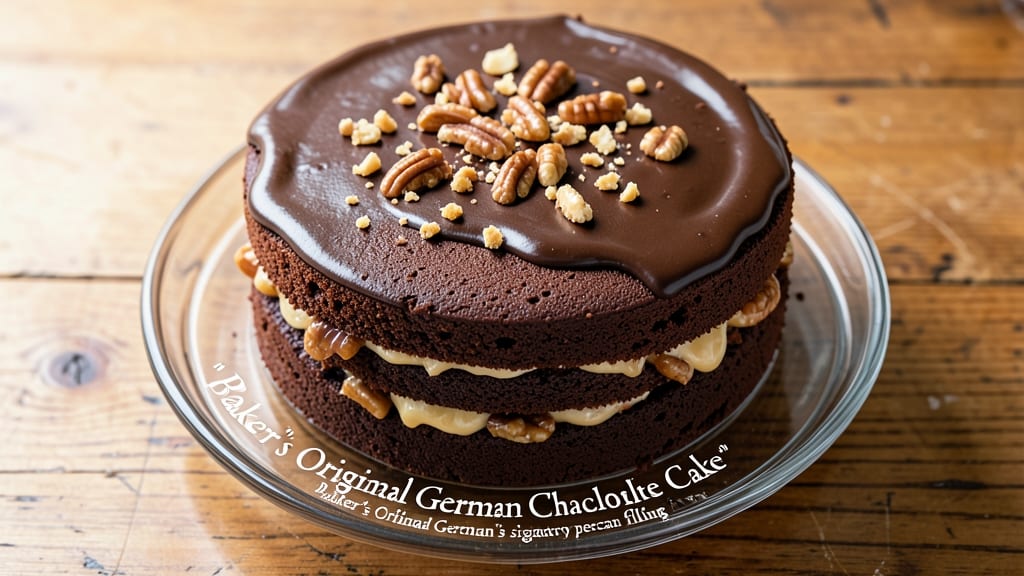
This Baker's Original German Chocolate Cake delivers layers of rich chocolate cake kissed with molasses, topped with a crunchy pecan crust that tastes like a bakery secret. The recipe balances traditional techniques with modern convenience—no fancy equipment needed, just precise timing and a few key ingredients.
I’ve baked this version countless times for holidays, and it never disappoints, especially when served with vanilla ice cream.
The secret to this cake’s signature flavor lies in the molasses-infused batter and the pecan topping, which adds texture and a nutty depth. Baking at 350°F for 30–35 minutes ensures a moist, tender crumb, while the frosting ties everything together with its velvety chocolate-pecan finish.
Even beginners can master this recipe with clear steps and foolproof tips.
Once assembled, you’ll have a cake that’s decadent yet balanced—chocolatey without being overpowering, with a top layer of toasted pecans that crackles with every bite. The molasses adds a subtle caramel note that elevates the classic German chocolate experience.
Perfect for celebrations or a cozy dessert night, this recipe delivers restaurant-quality results at home.
For extra authenticity, toast the pecans until golden and stir in a touch of brown sugar for deeper flavor. The frosting can be made ahead, and the cake keeps well for up to 5 days in the fridge. Let’s get baking!
Ingredients for baker's original german chocolate cake
Twelve essential ingredients craft this iconic molasses-kissed cake with pecan-topped authenticity.
| Ingredient | Amount | Notes |
|---|---|---|
| All-Purpose Flour 🌾 | 3 cups | Sifted for even texture |
| Unsalted Butter 🧈 | 2 cups | Room temperature, full-fat |
| Granulated Sugar 🍚 | 2 cups | White, fine grain preferred |
| Light Brown Sugar 🍚 | 1 cup | Packed firmly, dark variety |
| Unsweetened Cocoa Powder 🍫 | ¾ cup | Natural, not Dutch-processed |
| Molasses 🍯 | ½ cup | Unsulphured, dark variety |
| Large Eggs 🥚 | 4 whole | Room temperature, separated |
| Vanilla Extract 🌿 | 2 tsp | Pure, high-quality extract |
| Baking Soda 🧪 | 1 tsp | Pure, not baking powder |
| Salt 🧂 | ½ tsp | Fine sea salt preferred |
| Pecans 🥜 | 2 cups | Chopped, toasted for topping |
| Light Corn Syrup 🍯 | ½ cup | For frosting, not high-fructose |
| Powdered Sugar 🍚 | 3 cups | Sifted for smooth frosting |
| Heavy Cream 🥛 | 1 cup | Cold, full-fat for frosting |
| Butter 🧈 | ½ cup | Room temperature, for frosting |
The unsulphured molasses and natural cocoa powder are non-negotiable for authentic German chocolate flavor. Source molasses from a specialty grocer like Whole Foods or Penzeys—the unsulphured variety has deeper caramel notes. For the pecans, raw, shelled pecans from Texas (like those at Costco) toast to perfect golden-brown perfection. The light corn syrup in the frosting ensures a silky finish—avoid high-fructose versions, which can crystallize. For the butter, Plugrá or Land O'Lakes work best when softened to room temperature for smooth mixing.
No molasses? Substitute 2 tbsp maple syrup plus 1 tbsp brown sugar—though it won’t replicate the exact depth. Running low on pecans? Toasted walnuts or hazelnuts work, but texture will differ. The frosting can be made with Ghirardelli chocolate chips if you prefer chocolatey richness, though traditional German chocolate frosting relies on corn syrup. For the eggs, room temperature is critical—cold eggs create air pockets. If you must use cold eggs, let them sit in warm water for 5 minutes first.
Store the cake in an airtight container at room temperature for up to 3 days, or refrigerate for 5 days. The frosting can be prepped 24 hours ahead and refrigerated—bring it to room temperature before spreading. For extra authenticity, toast the pecans with a pinch of salt and 1 tbsp brown sugar before sprinkling. The cake freezes beautifully for up to 3 months—wrap tightly in plastic wrap and foil to prevent freezer burn.
Why You'll Love This Recipe
- Here’s what sold me: it uses pantry staples (butter, sugar, flour) and stretches further than fancier cakes. A single batch feeds six, and leftovers taste just as good the next day. That rich cocoa flavor makes it feel indulgent without breaking the bank.
- No Mixer Needed: I swear by this recipe because it’s one-bowl, no-fuss. Just cream butter and sugars until light, fold in the flour and cocoa—no electric mixer required. That rich brown sugar caramelizes beautifully, giving you that signature depth without extra effort.
- Layered Magic: The contrast is what makes it special: fudgy cocoa base, creamy pecan frosting, and a whisper of coffee in the batter. Honestly, the first bite is like unwrapping a gift—it’s that good. And yes, the frosting is worth the extra five minutes of beating.
- Weeknight Hero: This cake keeps well for days, so I make it on Sundays and portion it out. Perfect for lunchboxes, office treats, or when you’re too tired to bake. The brown sugar keeps it moist, so you won’t find dry crumbs here—just pure satisfaction.
Step-by-step instructions for baker's original German chocolate cake
A rich molasses-kissed cake with a signature pecan crust—this method ensures deep flavor and perfect texture.
Prepare the Cake Batter
Preheat your oven to 350°F and grease two 9-inch round cake pans with butter, then dust with flour. In a large mixing bowl, cream together the 2 cups unsalted butter, 2 cups granulated sugar, and 1 cup light brown sugar on medium speed until light and fluffy, about 5 minutes. This step incorporates air, which creates that signature tender crumb.
In a separate bowl, whisk together the 3 cups all-purpose flour, 0.75 cup unsweetened cocoa powder, 1 teaspoon baking soda, and 0.5 teaspoon salt. Gradually add this dry mixture to the butter-sugar blend, alternating with the 4 whole large eggs and 0.5 cup molasses, beginning and ending with the dry ingredients. Mix on low speed until just combined—overmixing develops gluten, which can make the cake dense.
Divide the batter evenly between the prepared pans and spread smoothly. The batter will be thick, but don’t worry—it’s designed this way for that classic German chocolate texture. Bake for 30-35 minutes, or until a toothpick inserted into the center comes out clean. Let the cakes cool in the pans for 10 minutes before transferring to a wire rack to cool completely.
Create the Pecan-Crusted Topping
While the cakes cool, prepare the topping by melting the 0.5 cup butter in a saucepan over medium heat. Stir in the 2 cups chopped pecans and 0.5 cup light corn syrup, then cook for 5-7 minutes until the mixture thickens slightly and becomes fragrant. Remove from heat and let it cool for 5 minutes—this ensures even distribution when applied.
Spread the pecan mixture evenly over the top of one of the cooled cake layers, pressing gently to adhere. Place the second layer on top and press down lightly to create a seamless cake. The pecan topping should form a cohesive crust rather than individual chunks, which gives this cake its signature texture and flavor.
Prepare the Frosting
In a medium saucepan, combine the 1 cup heavy cream, 0.5 cup butter, and 3 cups powdered sugar. Cook over medium heat, stirring constantly, until the mixture reaches a smooth, thick consistency—about 5-7 minutes. Remove from heat and stir in the 2 teaspoons vanilla extract. Let the frosting cool slightly before spreading to prevent melting.
Spread the frosting evenly over the top and sides of the cake, creating a smooth finish. For a professional look, use a bench scraper to create clean edges. The frosting should be thick enough to hold its shape but still spreadable—this balance ensures a glossy, stable finish that complements the rich cake layers.
Final Assembly and Serving
Once the frosting is fully set, use a serrated knife to trim any uneven edges. For an elegant presentation, dust the top lightly with additional powdered sugar or sprinkle with extra chopped pecans. Let the cake rest at room temperature for 1 hour before slicing—this allows the flavors to meld and the texture to stabilize.
Slice into 12 even servings and serve immediately. Each bite should deliver a harmonious blend of molasses-rich cake, nutty pecan crust, and velvety frosting. Store leftovers in an airtight container in the refrigerator for up to 5 days, though this cake is best enjoyed fresh.
Pro Tips For Making Baker'S Original German Chocolate Cake
- Measure Brown Sugar Wet: Pack that light brown sugar into the measuring cup like you’re stuffing a Thanksgiving turkey—no gaps, no air pockets. The recipe counts on moisture, and dry-packed sugar throws off the cake’s fudgy texture. I learned this the hard way when my first batch turned out denser than a brick.
- Cream Butter Slowly: Start your butter and sugars at room temperature, but don’t rush the creaming. Use a stand mixer and let it run for 3–4 minutes until the mixture is pale and fluffy—not just combined. Skipping this step means your cake will taste more like shortbread than German chocolate.
- Sift the Cocoa Twice: Unsweetened cocoa powder clumps like a grumpy cat. Sift it before mixing it into the dry ingredients, then sift the whole dry mix again into the wet. This guarantees an even distribution—no bitter pockets or streaks of undissolved powder ruining your slice.
- Bake Until Springy: The cake’s done when a toothpick comes out with moist crumbs, not wet batter. Overbaking dries it out, but underbaking leaves it gummy. If the edges pull away but the center jiggles slightly, that’s perfect—it’ll firm up as it cools. (Yes, even if the recipe says "20–25 minutes.")
Common mistakes when making perfect results
Overmixing the Batter
German chocolate cake batter is delicate—overmixing after adding the dry ingredients develops gluten, leading to a dense, chewy texture instead of the signature tender crumb. I’ve ruined cakes by beating for more than 30 seconds after combining flour and cocoa.
Mix just until the dry ingredients disappear, then stop immediately. Use a hand mixer on low speed for 10-15 seconds max after adding flour. 💡
Skipping the Molasses
The molasses is what makes this cake uniquely German chocolate—without it, you’ll miss that deep caramel undertone. Some recipes suggest substituting with maple syrup, but it won’t replicate the same flavor profile.
If you’re out of molasses, use 2 tbsp maple syrup plus 1 tbsp brown sugar as a pinch-hitter, but expect a slightly different taste. Never skip it entirely!
Uneven Pecan Topping
The pecan topping should coat the cake layer evenly, not clump in random spots. If your topping is too thick or dry, it won’t adhere properly. Heat the butter and corn syrup until the mixture is just thickened but still pourable—about 5-7 minutes on medium heat.
Let it cool slightly before spreading to avoid melting the cake layers. Press gently with a spatula for even coverage.
Incorrect Baking Time
German chocolate cake is dense, so it needs that full 30-35 minutes at 350°F. Pulling it out too early (like at 25 minutes) risks a gummy center, while overbaking (past 38 minutes) dries it out.
Test with a toothpick—it should come out clean but leave a few moist crumbs. If your oven runs hot, reduce the temp to 325°F and check at 38 minutes.
Frosting Too Thin
A runny frosting will slide off the cake and create a messy presentation. The frosting should coat the back of a spoon and hold its shape when spread. If yours is too thin, add ½ cup more powdered sugar and reheat gently while stirring.
For extra stability, chill the frosting for 10 minutes before spreading. Use a bench scraper to create clean edges and prevent drips.
Not Resting the Cake
Rushing to slice into your cake right after frosting is a recipe for disaster—it’ll crumble or slide off the plate. Let the cake rest at room temperature for at least 1 hour before cutting.
This allows the frosting to set and the layers to firm up. For best results, refrigerate the cake for 30 minutes before slicing if you’re impatient to serve.
Nutrition facts
Frequently asked questions
Why does this cake need molasses?
The molasses creates that signature deep, caramel-like flavor that sets German chocolate cake apart from regular chocolate cake. It adds moisture and a subtle spice note that balances the richness of the cocoa. Without it, you’ll miss the authentic taste that makes this recipe special.
Can I make this cake in a different pan size?
Yes, but you’ll need to adjust baking time. For an 8-inch pan, bake for 25-30 minutes at 350°F, while a 10-inch pan may require 35-40 minutes. Always use a toothpick test to check doneness. The batter thickness means smaller pans need slightly less time.
How do I store leftovers without drying out the cake?
Keep the cake in an airtight container at room temperature for up to 3 days. For longer storage, refrigerate for 5 days or freeze for 3 months. Wrap tightly in plastic wrap and foil to prevent moisture loss. Refrigerated cake tastes best when brought to room temperature before serving.
What’s the best way to reheat slices?
For a quick refresh, warm slices in the microwave for 10-15 seconds. For a bakery-style experience, wrap slices in foil and warm in a 300°F oven for 5-7 minutes. This restores the soft texture without drying it out. Avoid high heat—it can make the frosting melt unevenly.
Can I make this cake gluten-free?
Yes, but results may vary. Replace all-purpose flour with a 1:1 gluten-free baking blend (like Bob’s Red Mill) plus 1 tsp xanthan gum. Add 2 tbsp extra liquid (milk or water) to compensate for dryness. The texture won’t be identical, but it’ll still deliver that rich molasses-chocolate flavor.