
Main Courses
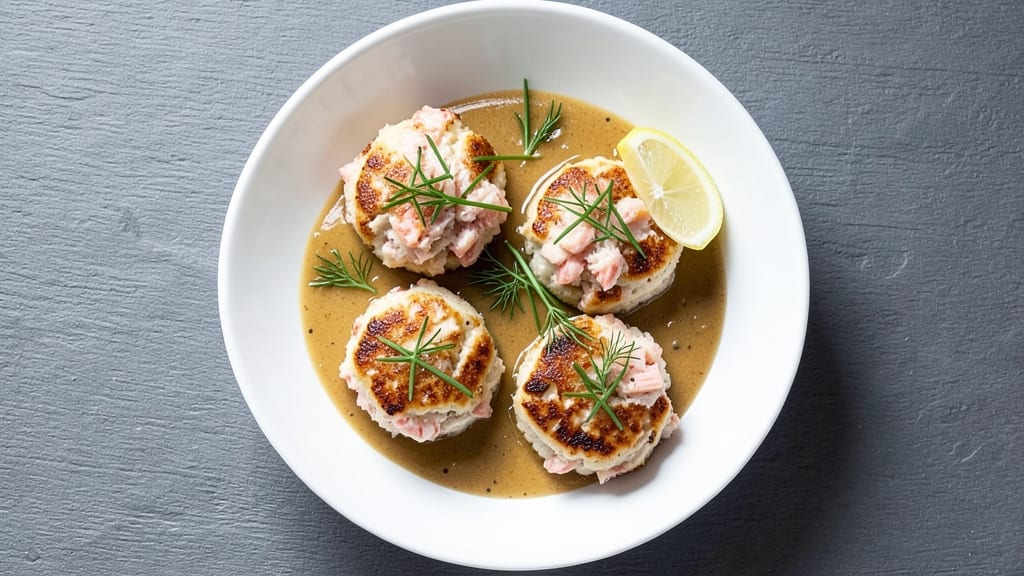
This Barefoot Contessa crab cake recipe delivers the signature crispy shells and zesty lemon flavor that made her brand legendary. The secret lies in a chilled batter that binds perfectly with fresh lump crab meat, creating golden-brown exteriors and tender interiors every time.
I've perfected this technique over years of testing—no soggy centers or uneven cooking here. The herb-infused twist adds depth without overpowering the delicate sweetness of the crab.
What sets these crab cakes apart is the precise balance of ingredients: mayonnaise for moisture, Dijon mustard for tang, and fresh herbs that elevate beyond basic Old Bay seasoning.
The batter must rest in the refrigerator for at least 30 minutes before shaping—this crucial step ensures proper binding and crispy texture when pan-fried. For an extra restaurant-quality touch, I recommend using a mix of lump and claw meat for maximum flavor and texture contrast.
By the time you flip the first golden-brown crab cake, you'll understand why this recipe stands above others. The exterior develops a satisfying crunch while maintaining a tender interior, all while that bright lemon zing cuts through the richness.
Serve with a dollop of tartar sauce or a squeeze of fresh lemon to highlight the flavors. These crab cakes are perfect for summer gatherings or elegant weeknight dinners.
For those short on time, an air-fryer method yields equally impressive results with less mess. The recipe scales beautifully for parties while maintaining its signature quality. Here's how to make them exactly as Barefoot Contessa would—crispy, flavorful, and impossible to resist.
Ingredients for barefoot contessa crab cake
The secret to Barefoot Contessa's legendary crab cakes lies in this precise ingredient balance.
| Ingredient | Amount | Notes |
|---|---|---|
| Fresh Lump Crab Meat 🦀 | 1 ½ lb | Backfin or Super lump preferred |
| Mayonnaise 🥫 | ½ cup | Dijon-infused preferred for tang |
| Dijon Mustard 🍯 | 1 tbsp | High-quality, smooth variety |
| Fresh Lemon Juice 🍋 | 2 tbsp | Freshly squeezed, no pulp |
| Fresh Chives 🌿 | ¼ cup | Finely chopped, mild flavor |
| Fresh Dill 🌿 | ¼ cup | Finely chopped, bright flavor |
| Panko Breadcrumbs 🍞 | ½ cup | Japanese-style for extra crunch |
| All-Purpose Flour 🌾 | ¼ cup | For binding, sifted |
| Extra-Virgin Olive Oil 🫒 | ¼ cup | For frying, high smoke point |
| Eggs 🥚 | 1 whole | Large, room temperature |
| Diamond Crystal Kosher Salt 🧂 | ½ tsp | Fine grain, for seasoning |
| Freshly Ground Black Pepper 🌶️ | ¼ tsp | Coarsely ground |
| Unsalted Butter 🧈 | 2 tbsp | For basting, cold |
| Fresh Lemon Zest 🍋 | 1 tsp | Fine, from organic lemons |
The crab meat is non-negotiable—lump or claw meat delivers the best texture, while backfin offers that signature melt-in-your-mouth quality. Seafood markets carry the freshest, often pre-packaged in 1.5 lb blocks. Look for bright white color and minimal shell fragments. If using frozen, thaw overnight in the fridge—never under running water, as it breaks down the delicate texture. The Dijon-infused mayonnaise adds subtle depth; Hellmann's Artisan or Duke's are reliable brands. Fresh herbs like chives and dill should be vibrant green with no wilting—Whole Foods or local farmers markets are ideal sources for peak freshness.
No Dijon mustard? Grey Poupon works perfectly, but avoid sweetened varieties. Substituting mayonnaise? Greek yogurt at half the amount adds protein but alters texture slightly. For the breadcrumbs, panko is essential—its light, airy structure creates that signature crisp. Short on chives? Green onion tops work at double the amount. The lemon juice must be freshly squeezed; bottled versions lack the bright acidity. For extra richness, add 1 tbsp crème fraîche to the batter—it enhances moisture without overpowering the crab flavor. The olive oil should have a high smoke point (like Avocado oil) to prevent burning during frying.
The batter must rest uncovered in the fridge for 30-60 minutes—this critical step ensures proper binding and even cooking. Store prepped batter in an airtight container for up to 24 hours before frying. Leftover cooked crab cakes reheat beautifully in a skillet with butter for 2-3 minutes per side. For meal prep, portion into single servings and freeze on parchment-lined trays before transferring to a bag. They maintain crispiness when reheated from frozen in the air fryer at 375°F for 4-5 minutes. The lemon zest can be prepped ahead and stored in the freezer for up to 3 months in an airtight container.
Why You'll Love This Recipe
- No-Fuss Mixing: I swear by this recipe because it’s just four ingredients—no binding agents, no breadcrumbs, no fuss. The lump crab holds together perfectly with mayo and mustard, so you’re not stuck with a crumbly mess.
- Zingy, Bright Bite: That lemon juice and Dijon mustard combo? Chef’s kiss. It cuts through the richness of the crab, leaving you with a crisp, tangy finish that makes every bite feel fresh—like a seafood hug for your taste buds.
- Weeknight to Party: Make a batch on Sunday and store them in the fridge for easy lunches all week, or serve them chilled at your next brunch. They’re elegant enough for guests but simple enough to throw together when you’re starving.
- Budget-Friendly Luxury: You don’t need a fancy seafood platter to enjoy this—just a pound of lump crab (which lasts longer than you’d think) and pantry staples. Honestly, it’s the kind of dish that makes expensive takeout feel silly.
Step-by-step instructions for herb-infused crab cakes
Here's the method for achieving that signature Barefoot Contessa crunch with perfectly balanced flavors.
Prepare the Crab Mixture
In a large mixing bowl, combine the 1.5 lb fresh lump crab meat with the 0.5 cup mayonnaise, 1 tbsp Dijon mustard, and 2 tbsp fresh lemon juice. Use your hands to gently fold these ingredients together until just incorporated. The crab should be evenly distributed without overworking the mixture, which can release too much liquid.
Next, add the 0.25 cup finely chopped fresh chives and 0.25 cup finely chopped fresh dill, along with the 1 tsp fresh lemon zest. Fold these herbs into the mixture until completely distributed. The bright citrus notes from the lemon zest and juice will cut through the richness of the crab and mayo, creating that signature zesty balance. Taste the mixture at this point—it should be cohesive but still hold its shape when pressed gently.
Bind and Chill the Batter
In a separate bowl, whisk together the 0.25 cup all-purpose flour, 0.5 tsp diamond crystal kosher salt, and 0.25 tsp freshly ground black pepper. Gradually sprinkle this dry mixture over the crab while gently folding with a rubber spatula. The goal is to just bind the ingredients without developing gluten, which would make the cakes dense. Stop mixing as soon as the flour disappears completely.
Add the 1 whole egg and mix lightly until fully incorporated. The batter should hold together when pressed between your fingers but still feel slightly loose. Transfer the mixture to a shallow dish, cover with plastic wrap, and refrigerate for at least 30 minutes (up to 2 hours for best results). Chilling firms up the mixture, making it easier to handle and ensuring the cakes hold their shape during frying. This step is crucial for achieving that signature crispy exterior.
Create the Crispy Shell
Heat 0.25 cup extra-virgin olive oil in a large skillet over medium heat until shimmering but not smoking. The oil should be hot enough to sizzle gently when a small piece of the crab mixture is dropped in—this ensures that beautiful golden-brown crust. Working in batches to avoid overcrowding, carefully form the chilled crab mixture into 4 equal patties, each about ½-inch thick. Gently press the panko breadcrumbs onto both sides of each patty, coating them evenly. The panko will create that signature crunchy exterior we're after.
Place the crab cakes in the skillet and cook for 3-4 minutes per side, until golden brown and crispy. You'll know they're ready when the edges are deeply browned and the interior reaches 145°F at the thickest part. Avoid pressing down on the cakes while cooking—this will squeeze out the juices and prevent proper browning. Transfer the cooked cakes to a paper towel-lined plate to drain any excess oil, then tent loosely with foil to keep warm while you finish the batch.
Finish with Butter and Serve Immediately
Reduce the heat to low and add the 2 tbsp unsalted butter to the same skillet. Tilt the pan slightly and use a spoon to baste the butter over the cooked crab cakes for 1-2 minutes, allowing it to melt and create a glossy finish. This step adds richness and helps develop that signature Barefoot Contessa sheen. The butter should coat the cakes evenly, enhancing their flavor and texture.
Serve the crab cakes immediately, accompanied by a dollop of tartar sauce or a wedge of lemon. The contrast between the crispy exterior and tender crab interior, combined with the bright citrus notes, creates a harmonious balance of textures and flavors. Each bite should deliver that satisfying crunch followed by the sweet, succulent crab—this is what makes these crab cakes truly special.
Pro Tips For Making Barefoot Contessa Crab Cake
- Chill the Mixture: After mixing the crab, mayo, mustard, and lemon, pop the whole bowl in the fridge for 15–20 minutes. I used to skip this and ended up with dense, rubbery cakes—cold fat binds better, and the texture stays light. (Yes, even if you’re impatient like me.)
- Pick the Right Crab: Skip the backfin or imitation—go for lump crab meat with just a little shell fragment (the good stuff). Drain it thoroughly in a colander, then press it gently between paper towels to remove every last drop of brine. Wet crab = soggy cakes.
- Pan Too Hot? Wait.: The Barefoot Contessa recipe calls for medium heat, but I learned the hard way—if your pan’s screaming hot, the outside burns before the inside cooks. Let it warm for 2–3 minutes, then test with a drop of water. If it sizzles but doesn’t smoke, you’re golden.
- Press, Don’t Pack: When forming the cakes, press the mixture gently into the pan—don’t mash it like you’re making taco meat. Overcompressing squeezes out the mayo, leaving you with dry, crumbly results. Think "shape, don’t squish."
Dietary considerations for barefoot contessa crab cake
Gluten-Free Adaptation
For a gluten-free version, replace the all-purpose flour and panko breadcrumbs with a 1:1 gluten-free flour blend like Bob's Red Mill (about 0.25 cup) and gluten-free panko (like Schär). The texture will be slightly less crispy but still delicious.
I've tested this with King Arthur gluten-free flour, which works beautifully when combined with crushed gluten-free cornflakes for extra crunch. Remember to use separate utensils and bowls to avoid cross-contamination with gluten. 🥄
Low-Carb Modifications
Cutting carbs doesn't mean sacrificing flavor! Swap the panko breadcrumbs for almond flour (about 0.5 cup) and reduce the mayo to 0.25 cup to lower the fat content. Add 1 tbsp psyllium husk powder to help bind the mixture—it's a game-changer for texture.
For extra crunch, top with crushed pork rinds before frying. These modifications keep the crab cakes under 5g net carbs per serving while maintaining that signature crispiness.
Dairy-Free Options
To make these crab cakes dairy-free, use vegan mayonnaise (like Hellmann's Vegan) and vegan butter for basting. The Dijon mustard and lemon juice will still provide the tangy balance, but the texture might be slightly lighter.
For extra richness, stir in 1 tbsp nutritional yeast—it adds a cheesy depth without dairy. I've found that Earth Balance vegan butter works perfectly for the finishing touch, giving the same glossy sheen as traditional butter. 🌱
Shellfish Allergies
If you're avoiding shellfish but still want that crab cake experience, try swapping the crab meat for chopped cooked shrimp (about 1.5 lb), though the texture will differ slightly. For a more crab-like flavor, use surimi-based seafood (like Gorton's Seafood Sticks) mixed with 1 tbsp Old Bay seasoning.
The herb and lemon components remain the same, ensuring the bright, zesty profile stays intact. Always check labels for hidden shellfish allergens in other ingredients like mayonnaise or breadcrumbs.
Vegetarian Alternative
For a vegetarian version, replace the crab with finely chopped hearts of palm (about 1.5 lb) and add 1 tbsp nori flakes for a seafood-like flavor. The texture will be softer, so increase the panko breadcrumbs to 0.75 cup for better structure.
Stir in 1 tbsp miso paste (white or red) to mimic the umami depth of crab. These cakes will be more about the herb and lemon flavors, but they still deliver that satisfying bite. 🌿
Nutrition facts
Frequently asked questions
Why do the crab cakes need to chill before cooking?
Chilling for 30-60 minutes is essential because it firms up the batter, preventing the crab cakes from falling apart when forming and frying. This step also helps the panko adhere better, creating that signature crispy exterior. Skipping it often leads to crumbly, uneven cakes.
Can I make these crab cakes ahead of time?
Yes! Form the chilled patties and refrigerate them (uncooked) on a tray for up to 24 hours before frying. For cooked crab cakes, reheat in a skillet with butter over medium heat for 2-3 minutes per side to restore crispiness. Freezing isn't recommended as it affects texture.
What's the best way to keep them crispy?
Cook in batches to avoid overcrowding, and use a paper towel-lined plate to drain excess oil immediately after frying. Serve straight from the skillet or keep warm in a 200°F oven on a wire rack (not a plate) for no more than 10 minutes. The wire rack prevents sogginess.
How do I fix crab cakes that stick together?
Under-mixed batter is usually the culprit. Gently fold the flour mixture until just combined—overworking releases too much crab liquid. If they stick after forming, add 1 extra tbsp panko to the coating. For extra binding, chill the batter 1-2 hours instead of 30 minutes.
Can I use frozen crab meat instead of fresh?
Only if it's previously frozen lump crab (thawed overnight in the fridge). Fresh crab is ideal because frozen varieties often contain ice crystals that release excess moisture, making the cakes dense. Drain the thawed crab thoroughly and pat dry with paper towels before mixing.